.svg&w=384&q=75 "logo")
Dwyane Wade's Journey: From Locker Room Jokes to LGBTQ Allyship
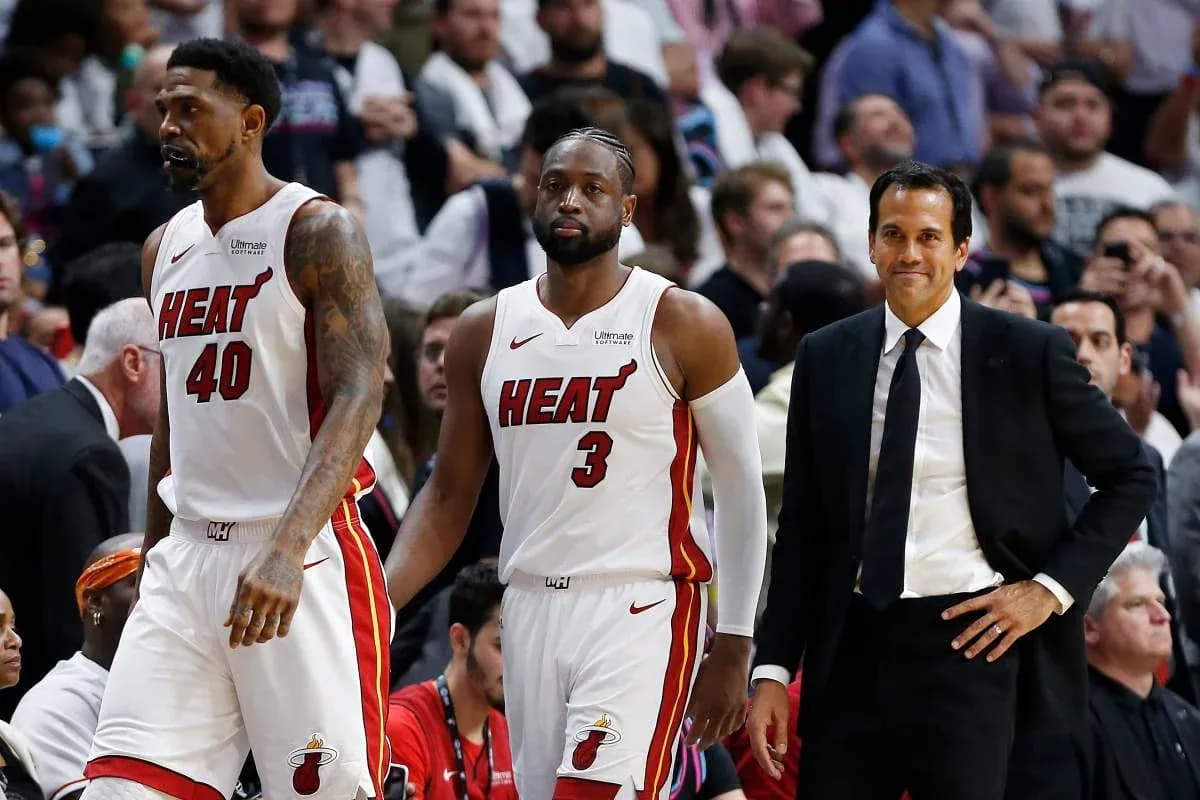
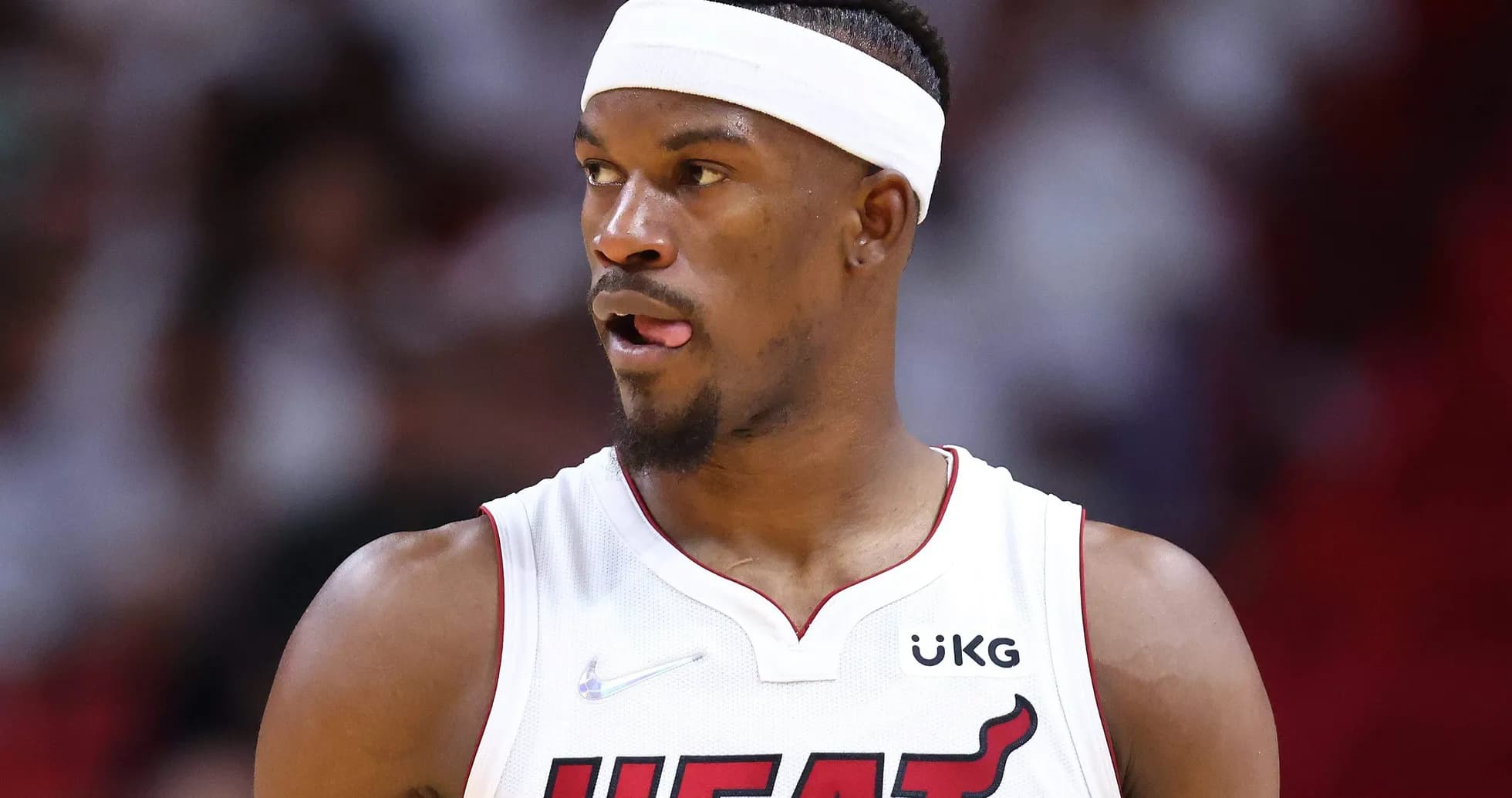
Dwyane Wade has heard every kind of locker-room joke an NBA career can throw at a man. Three titles, 16 seasons, countless teammates. Very little ever rattled him.
Until his daughter Zaya came out as a trans woman.
The Miami Heat legend recently opened up about how that moment at home collided with the culture at work, and how the jokes that once blended into the background suddenly cut straight through him.
“I started listening a little bit differently,” Wade explained, describing life in the locker room after Zaya’s journey became public. The same space that had always felt like a sanctuary now sounded harsher, smaller, weighed down by what he called a “masculine, you know, toxic environment that… we grew up in.”
The jokes about the LGBTQ community weren’t new. They were part of the wallpaper in a league where no active player has ever come out publicly. Jason Collins waited until after retirement before sharing his truth, a decision shaped by that very environment.
What changed wasn’t the volume of the jokes. It was Wade.
He stopped laughing. Stopped playing along. When certain comments flew, he walked out of the room. The future Hall of Famer, the face of the franchise, suddenly felt like an outsider in the place he once ruled.
And someone close to him noticed.
A Quiet Conversation With Udonis Haslem
Udonis Haslem has been called the heartbeat of “Heat culture,” the enforcer, the grown-up in the room. He spent his entire career in Miami, sharing that locker room with Wade for well over a decade. If anyone understood the temperature of the place, it was Haslem.
He also understood when something was off with his longtime friend.
“I remember having a conversation with UD because he seen that I was like I wasn’t in on the jokes no more,” Wade said. “I wasn’t laughing. I was leaving out of the locker room when I would hear certain things or whatever.”
That behavior from Wade wasn’t normal. Not for a man who’d always been one of the central voices in the room. So Wade did something that doesn’t always come easy in hyper-masculine spaces: he sat down with his brother and told him the truth.
He explained that the language, the casual shots at “different communities,” now landed differently. This wasn’t abstract anymore. This was about his daughter. About her safety. Her dignity. Her right to exist without being the punchline.
Haslem, Wade said, simply didn’t know. Not really. Not the impact. Not the weight.
Once he did, he changed.
From that single conversation, Wade watched his closest teammate adjust the way he spoke, the way he thought, the way he carried himself around others. The shift wasn’t performative; it was practical. Tone. Verbiage. Actions. All of it.
For Wade, it was a quiet example of how culture actually moves — not through press conferences or slogans, but in private, trusted exchanges between people who matter to each other.
“And so like just the power of someone that he trusts to have a safe conversation with him in a safe environment,” Wade said, summing up the moment that turned tension into progress.
Redefining “Heat Culture”
Miami is often held up as a model NBA franchise, a place where standards never slip. Pat Riley at the top. Erik Spoelstra on the sideline. Conditioning tests, body-fat checks, no-nonsense expectations.
But “Heat culture” has always been about more than sprints and sacrifice. It’s about accountability. It’s about how players carry themselves, with each other and in the city they represent.
Wade and Haslem helped build that identity on the court. Now, in a different way, they’ve shaped it off it.
Wade has become one of the most visible LGBTQ allies in American sports, praised for the way he supports Zaya and uses his platform to challenge the norms he once accepted. His evolution didn’t begin with a campaign. It began the day he realized the old locker-room soundtrack no longer fit the life he was living at home.
The jokes hadn’t changed. The stakes had.
In a league still waiting for its first active openly gay or trans player, Wade’s story doesn’t rewrite history. But it does something subtler, and maybe more important: it shows that even in the most entrenched environments, culture can bend when someone with real weight in the room decides enough is enough.
All it took was a father listening differently, and a teammate willing to follow his lead.