.svg&w=384&q=75 "logo")
Chaabani Revamps Tunisia for AFCON 2027
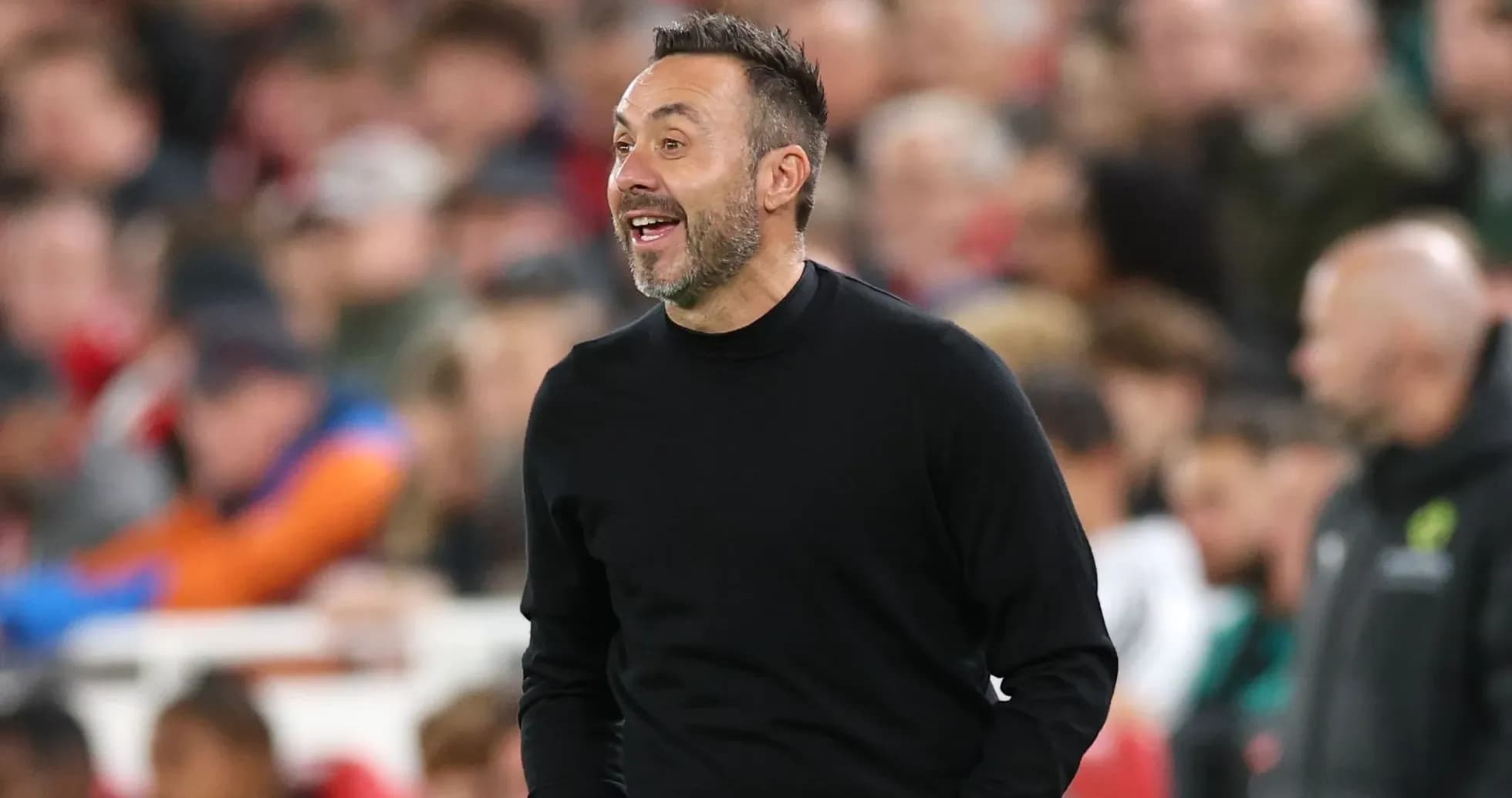
Moine Chaabani has wasted no time putting his stamp on Tunisia. For the opening rounds of the 2027 Africa Cup of Nations qualifiers, the Eagles of Carthage have been shaken up, stripped back, and rebuilt.
Uganda in Tunis on 24 September. Botswana four days later. Two fixtures, one clear message: this is a new cycle.
Sassi and Maaloul Back at the Heart of It
The headline is unmistakable. Ferjani Sassi is back.
Once the captain in the Africa Cup of Nations and the Arab Cup, Sassi watched the 2026 World Cup from afar. Now Chaabani has pulled him back into the centre of the project, a move that instantly adds experience, personality and a familiar voice in the dressing room.
He is not alone. Ali Maaloul, another pillar of Tunisia’s modern era, also returns after missing the World Cup. The veteran left-back’s recall restores a natural leader to the back line and signals that, for all the talk of renewal, the new coach still wants proven shoulders in the pressure moments.
Alongside Sassi, Mohamed Ali Ben Romdhane and Aissa Laidouni also rejoin the squad. Three players active in the Qatari league, three figures who know what it means to carry Tunisia through major tournaments, all back in the fold at once. That is not tinkering. That is a reset.
Big Names Out, New Blood In
For every comeback, there is a casualty.
Compared with the World Cup squad, the absences are striking. Hannibal Mejbri misses out through injury, depriving Tunisia of one of their brightest young sparks between the lines. Rani Khedira and Elyes Skhiri, long-serving midfield anchors, have both stepped away from international duty altogether, closing a significant chapter in the team’s recent history.
The clear-out does not stop there. Firas Chaouat, Dylan Bronn, Omar Rekik, Mohamed Haj Mahmoud, Mortadha Ben Ouanes and Elias Saad all drop out. Only 14 players from the World Cup group survive into this first AFCON qualifying squad. For a team that reached the biggest stage just months ago, that is a dramatic turnover.
The pressure finally told on Ali Abdi too. The Nice defender, who sparked anger in Tunisia when he said he was ready to miss the World Cup to help his club in the relegation play-offs, has not been included despite later apologising. His omission underlines the new order: commitment to the national team is non-negotiable.
Into that vacuum step fresh faces. Club Africain striker Mohamed Sadok Guidida earns a maiden call-up, a reward for his rise on the domestic scene and a nod to local talent. Dijon midfielder Sami Chouchane also joins the senior squad for the first time, another sign that Chaabani wants to refresh the core of his midfield with younger legs and new ideas.
These are not cosmetic changes. They cut deep.
A Squad Built for a New Cycle
The 27-man list released by the Tunisian Football Federation shows a squad in transition, balanced between familiar leaders and players pushing to make their name on the international stage.
Goalkeepers
- Aymen Dahmen
- Sabri Ben Hassen
- Mouhib Chamekh
form the trio between the posts. Dahmen carries the experience; Ben Hassen and Chamekh will push him and each other, with no guarantees beyond performance.
Defence
- Yann Valery
- Moatez Neffati
- Adam Arous
- Mohamed Nasraoui
- Montassar Talbi
- Alaa Ghram
- Mohamed Amine Ben Hmida
- Amine Charni
- Ali Maaloul
make up a back line that blends continuity and change. Talbi remains the rock in central defence, while Maaloul’s return adds craft and set-piece quality on the left. Around them, names like Arous, Nasraoui and Ben Hmida point to a unit being rebuilt on the run.
Midfield
Here lies the biggest statement. Ferjani Sassi, Mohamed Ali Ben Romdhane and Aissa Laidouni are restored to the core, flanked by Hamza Rafia, Sami Chouchane, Ismail Gharbi and Anis Ben Slimane. It is a group capable of shifting shapes: control with Sassi, vertical thrust from Laidouni, creativity from Rafia and Gharbi, and the box-to-box energy of Ben Slimane and Ben Romdhane.
With Skhiri and Khedira gone, this is the new engine room. It will define how Chaabani’s Tunisia look and feel.
Attack
Up front, the options are varied rather than star-studded. Khalil Ayari, Seifallah Ltaief, Elyes Achouri, Rayan Layouni, Sebastien Tounekti, Hamza Mastouri and Sadok Guidida provide width, pace and movement across the line. Guidida’s inclusion offers a fresh focal point, while Achouri and Tounekti can stretch defences from wide areas.
It is an attack built more on mobility and combinations than on one dominant name.
Uganda, Botswana… and a New Benchmark
On paper, Tunisia will be expected to handle Uganda and Botswana. But this window is about more than six points. It is about tone.
Can Sassi and Maaloul reassert themselves as leaders of a new-look squad? Will the likes of Chouchane, Gharbi and Guidida seize their chance and force their way into the long-term picture? And can Chaabani, in the space of a few training sessions and two qualifiers, convince a demanding football nation that this bold reshaping is the start of something stronger?
The names have changed. The expectations have not.