.svg&w=384&q=75 "logo")
Anthony Joshua vs Tyson Fury: Robert McCracken's Perspective
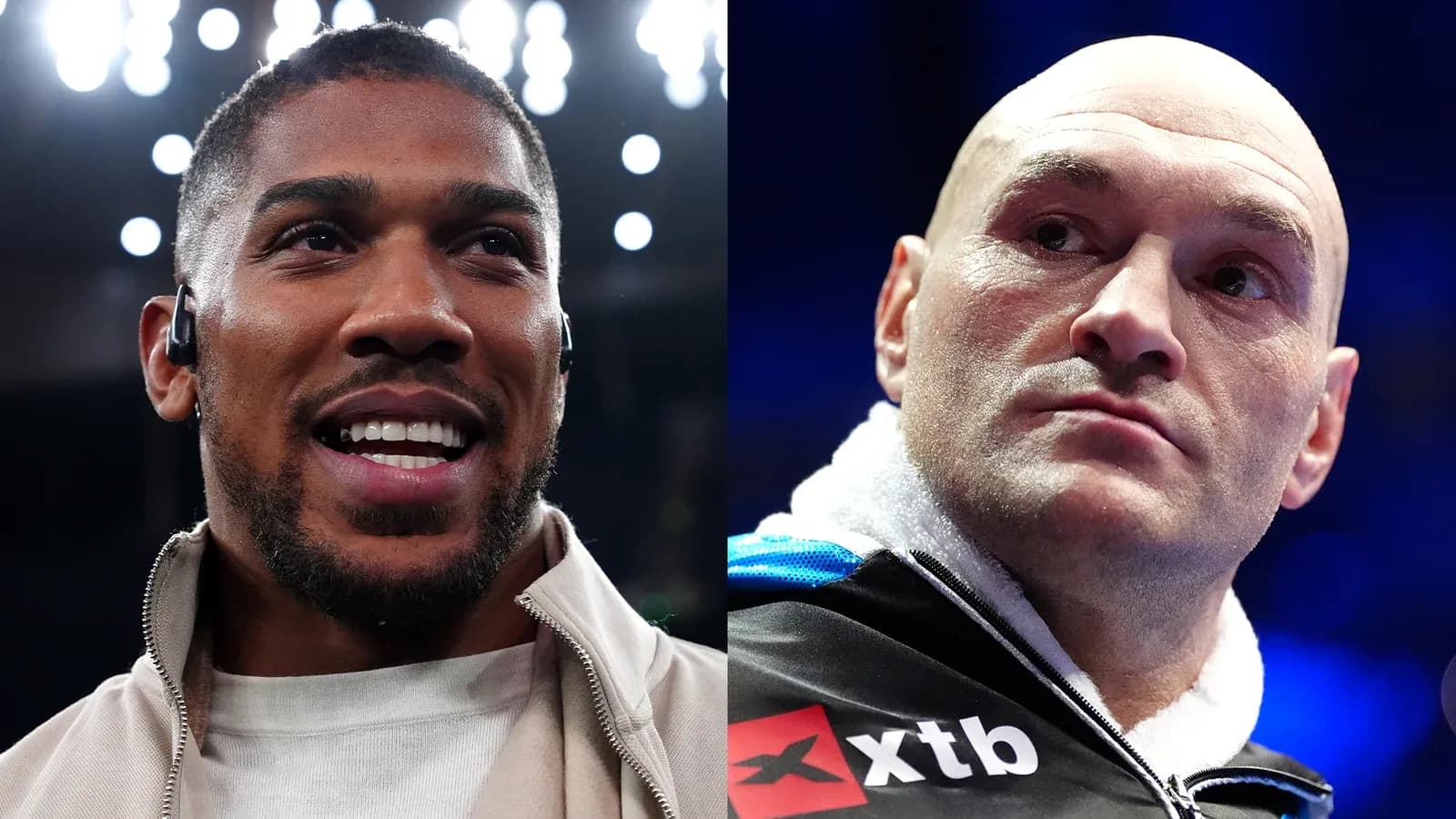
Robert McCracken has never been one for the circus. Titles, TV slots, sold‑out stadiums – he’s seen it all from the corner. But when it comes to Anthony Joshua and Tyson Fury finally sharing a ring, the man who guided Joshua from raw amateur to unified world champion cuts straight through the noise.
Whether they fight, he says, is nobody else’s business.
"It's up to the fighters if they want to fight each other and try and get the better of each other," McCracken told Sky Sports, brushing aside the swirl of demands, deadlines and public posturing that has come to define this heavyweight saga. "I don't think it's anybody else's business whether they should fight or not – I think they both proved themselves."
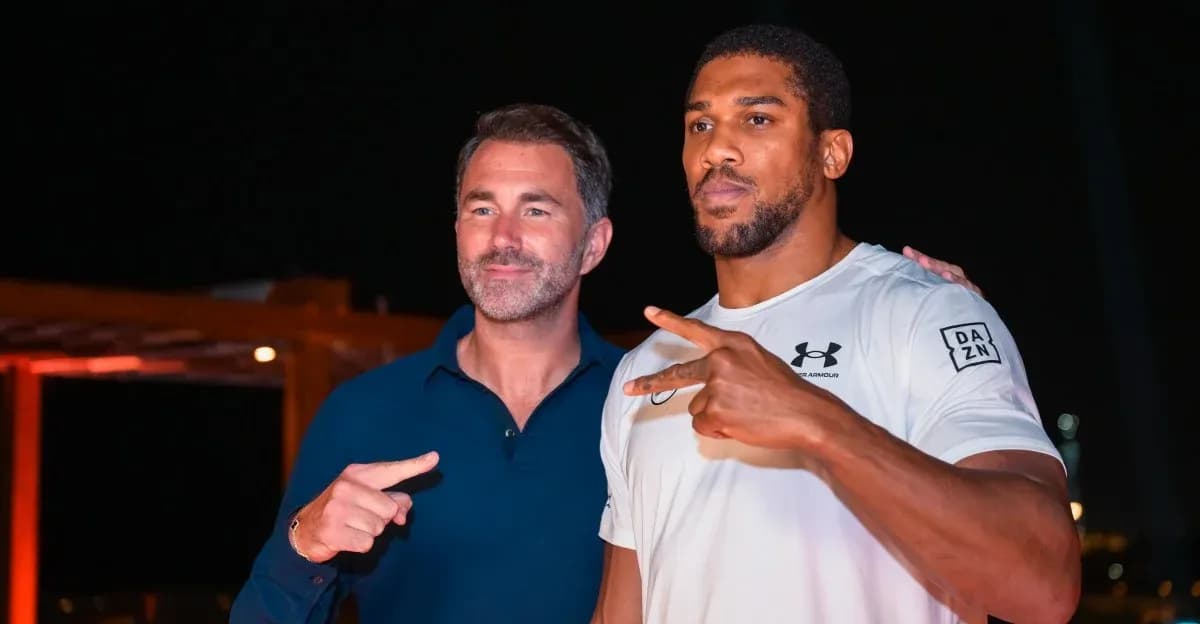
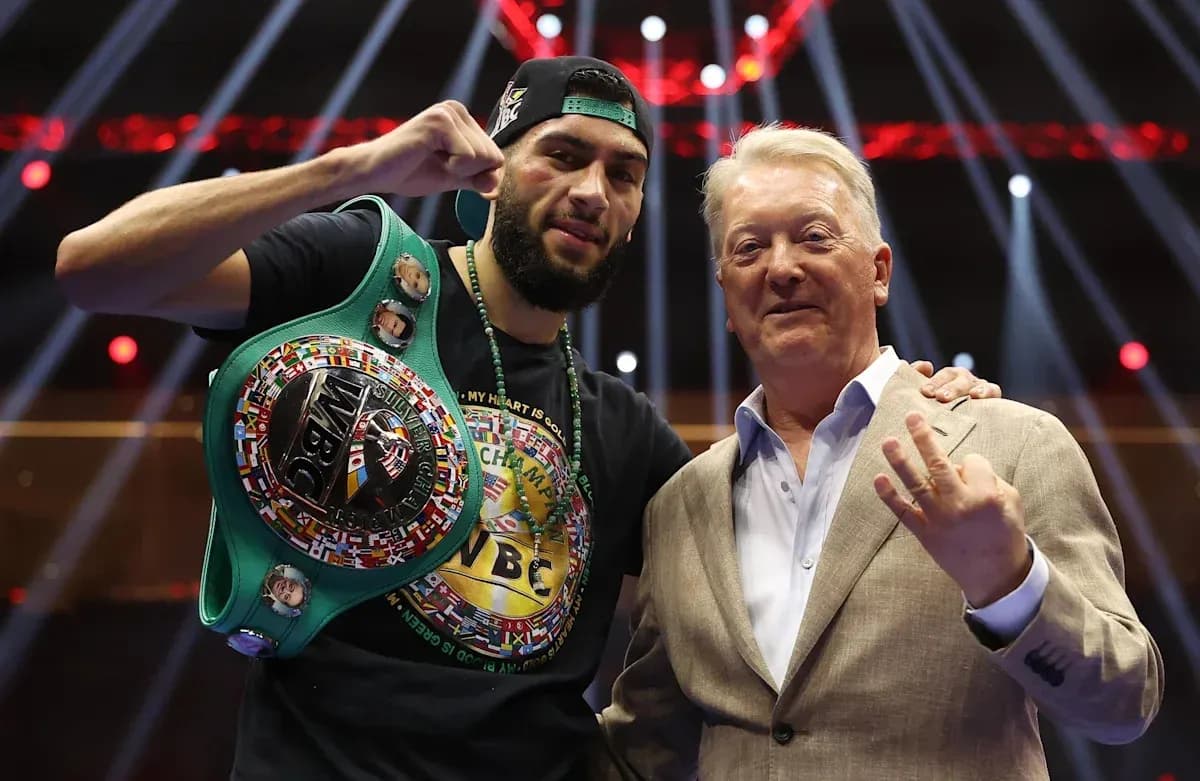
That stance lands in a week when the pressure around the fight has cranked up again. Fury’s promoter Frank Warren has declared that terms are agreed and they are “waiting for AJ”. On the other side, Eddie Hearn has confirmed talks have been reopened to stage the long-awaited all-British showdown at Wembley Stadium.
The public drumbeat is relentless. The men who actually fight, McCracken argues, have to live above it.
‘Happy to fight anybody’
Fury has done his part to keep the pot boiling, unloading his frustration on social media and branding Joshua a “coward” as negotiations drag. The insults travel fast, the replies even faster.
McCracken isn’t buying the idea that Joshua is hiding from anything.
"With Anthony Joshua, in my experiences, he was happy to fight anybody," he said. "It was just about how it was packaged and what was best for him – that's how the fighters look at things these days."
It’s a revealing line. In an era of mega-deals, rematch clauses and international site fees, the old idea of “just sign the contract” no longer exists. Fighters at Joshua’s and Fury’s level don’t simply agree to fight; they agree to an event, a business, a legacy play. McCracken understands that world, but he’s also old-school enough to strip it back to the basics.
"I had a career as a fighter and you look back at what you maybe wished you should have done and what you shouldn't have done," he reflected. "I think it works out how it should work out most of the time."
For him, the choice sits with the men who will take the punches, not the promoters, broadcasters or fans.
Speculation, spotlight and a sport on the front page
The irony is that, for all his scepticism about the constant chatter, McCracken knows exactly what this never-ending build-up has done for boxing.
"One thing I'd say is everyone's talking about it – it puts boxing on the map and it's great for boxing," he said. "While boxing's in the forefront and in the news, I think it's a really positive thing."
Every delay, every leaked clause, every Fury rant and Joshua response keeps the heavyweight division at the top of the agenda. The fight remains hypothetical, but the rivalry is very real, and the sport is living off that tension.
From McCracken’s vantage point, the destination now looks closer than it has in years.
"I've not been involved for a long time with Joshua, but it looks like it's going to happen," he said. "Hopefully it will and then obviously everyone can enjoy it."
Form, flaws and a fascinating equation
Both men stepped out this summer to sharpen their tools, but the nights told very different stories.
Fury barely broke stride as he dominated Mariusz Wach, cruising to a one-sided stoppage that only reinforced his status as the division’s most complete operator. Joshua’s evening was far more chaotic. He had to haul himself off the canvas twice before stopping Kristian Prenga, a performance that triggered fresh doubts and fierce criticism.
McCracken sees danger in those doubts – not for Joshua, but for anyone writing him off.
"Joshua is coming off the back of not a great performance, but obviously he got the knockout and that is all that really matters," he said. "He'll be looking to prove people wrong, any of the doubters."
That edge, that need to answer back, has always been part of Joshua’s make-up. The setbacks, the questions, the scrutiny – they sting, but they also fuel him.
Even so, McCracken is clear about where the balance lies right now.
"Tyson would be the favourite at the moment with his recent results and his form," he admitted. "It's quite fascinating if you actually think about it, where it's got to and the time it's taken to actually get the fight on."
Fury, the unbeaten showman with momentum and a smoother recent run. Joshua, the rebuilding ex-champion, more vulnerable but more dangerous for it. The longer the saga stretches, the more layered the story becomes.
A different kind of fight night
McCracken’s words on the heavyweight super-fight came as he prepared for a very different occasion – one where the stakes are emotional rather than financial, and where the purpose stretches far beyond rankings and belts.
He was speaking ahead of 'A Night of Solidarity' on November 13, an Olympic-style evening of boxing designed to celebrate the unifying power of sport and raise money for firefighters’ charities, youth sport organisations and community groups in North Kensington.
The event honours the response of the local community in the wake of the Grenfell Tower tragedy, when boxing and sports clubs stepped in to help rebuild shattered lives, create safe spaces for young people and support those affected by one of the darkest chapters in modern London history.
The London Fire Brigade Boxing Club has been central to that effort, working with communities across the capital to use boxing as a force for structure, discipline and belonging. Young people share gym space with rank-and-file firefighters, gloves on, barriers down, united in something simple and honest.
'A Night of Solidarity' will bring those strands together. An LFB Select side will face a North Kensington team drawn from clubs across the area and wider London, with 12 bouts featuring men, women and youth boxers. The proceeds will go to local sports charities and the Firefighters’ Charity, but the symbolism runs deeper than the final total.
On one side of McCracken’s world, two heavyweight superstars wrestle with contracts, legacies and the weight of public expectation. On the other, firefighters, coaches and kids climb through the ropes for something far more basic: community, healing, a sense of belonging.
The Joshua–Fury saga may yet deliver the defining night British boxing craves. In North Kensington, they are already proving what the sport can mean when the cameras are smaller, but the impact is anything but.