.svg&w=384&q=75 "logo")
Alexander Zverev Wins Second US Open Title
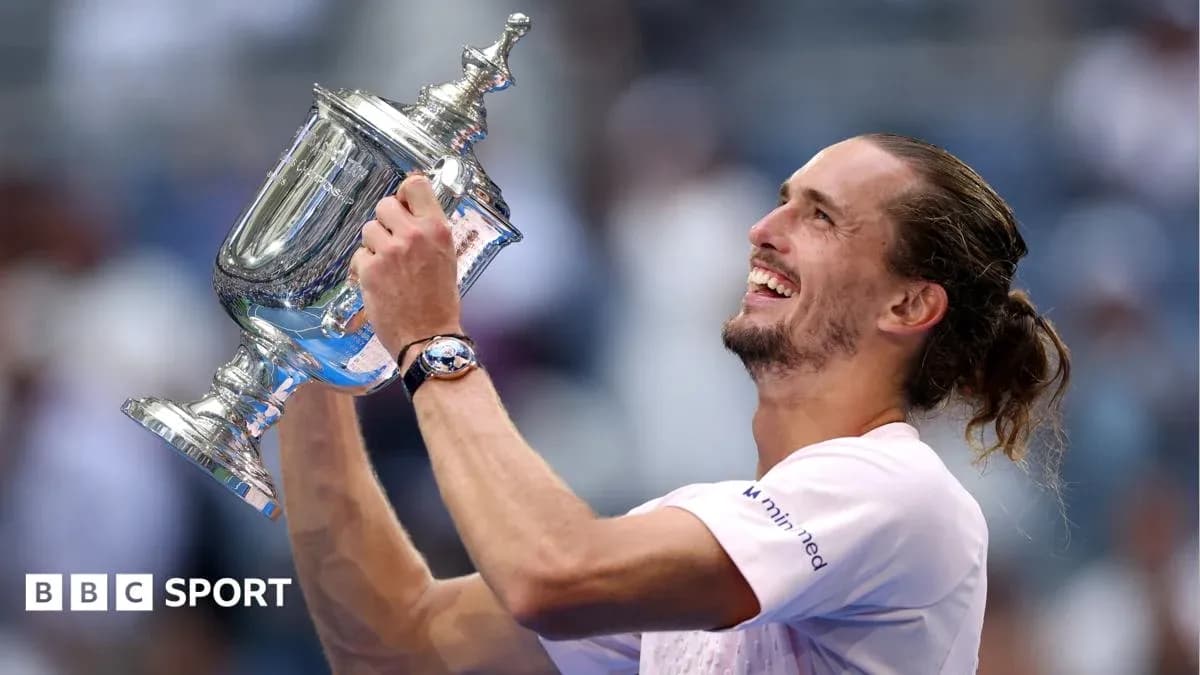
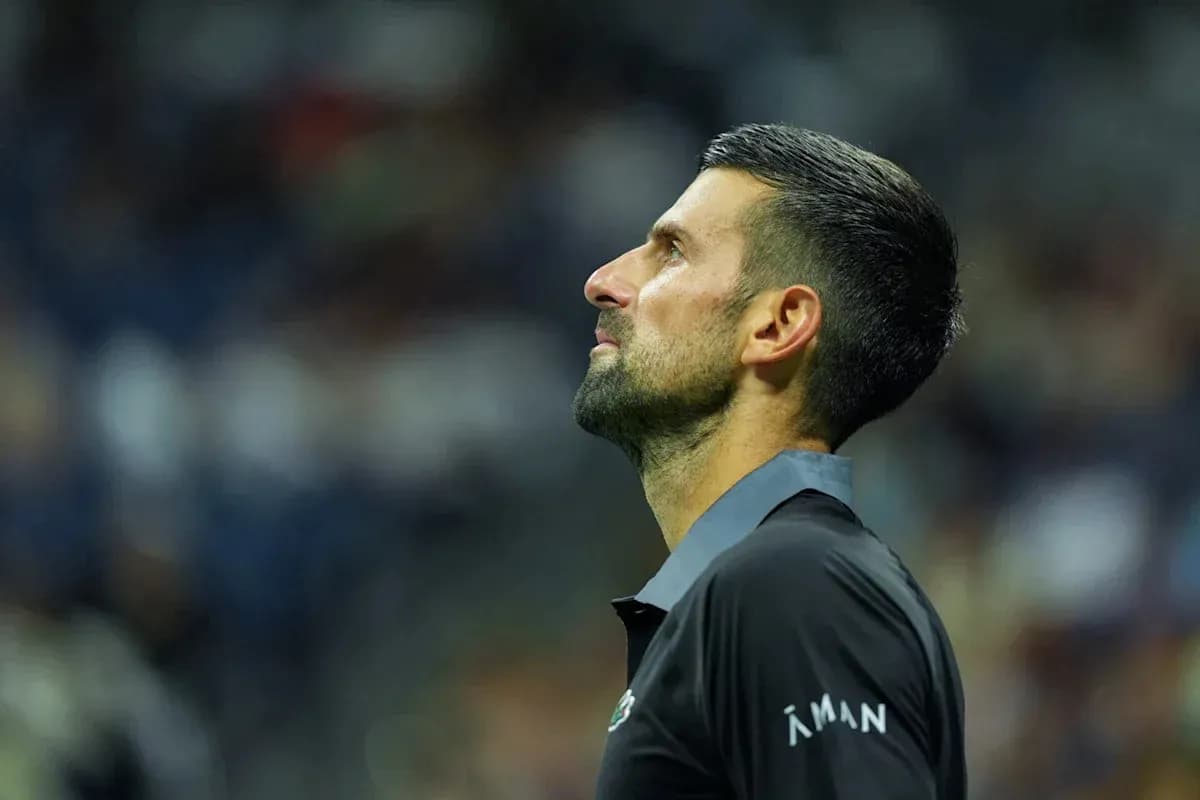
Alexander Zverev walked into Arthur Ashe Stadium carrying the weight of his own history and the noise of 24,000 American voices. He walked out of it a two-time Grand Slam champion, and the man who silenced a nation desperate for a homegrown winner.
The German top seed, already liberated by his breakthrough at Roland Garros, imposed his authority on Ben Shelton and on the occasion, winning the US Open final 6-3 7-6 (7-2) 5-7 6-2 in New York. The scoreline tells one story. The way he managed the chaos tells another.
A champion who finally knows how to finish
At the start of the season, the questions around Zverev were familiar and unforgiving. Three major finals lost. Too many near-misses. A career that threatened to be defined by what it lacked.
Now the narrative has flipped. The 29-year-old leaves 2026 as a multiple Grand Slam singles champion, his path shaped partly by fortune, entirely by nerve.
With Jannik Sinner and Carlos Alcaraz carving up the majors between them across 2024 and 2025, Zverev had often looked like the nearly man of this era. When injuries removed them from his path – Alcaraz missing the French Open and Wimbledon, Sinner ruled out of the US Open – the opportunity was clear. Taking it was another matter.
He did. Twice.
This fortnight in New York, he stumbled early. A below-par Zverev scraped through the opening rounds in a series of late-night, early-morning battles, the sort of survival acts that usually catch up with you in week two. He did not face a top-20 opponent until the final. When Shelton arrived, booming serve, big personality, and a partisan crowd at his back, this was the real examination.
Zverev passed it with the calm of a man who has finally learned how to close.
Shelton’s fast start stalls, Zverev pounces
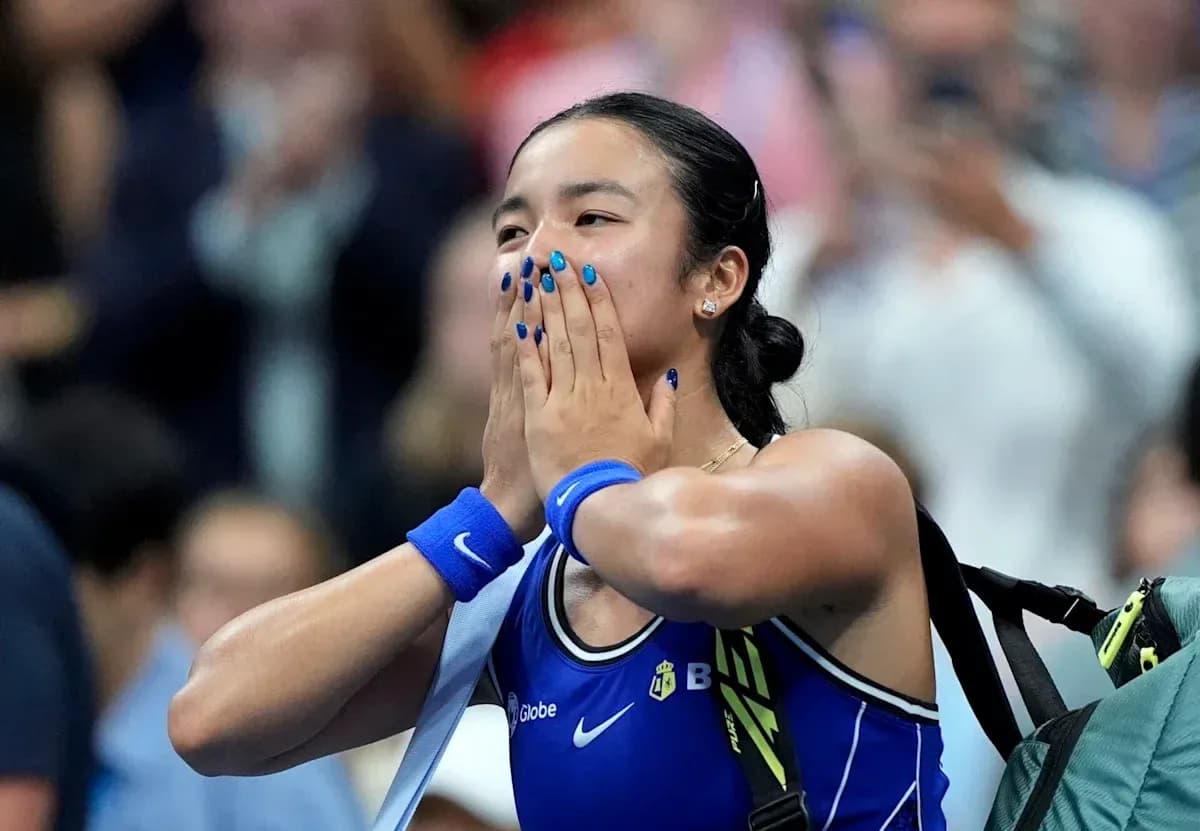
Shelton, the eighth seed and the latest great American hope, came into his first Grand Slam final with the script already written for him by the crowd: first US men’s major champion since Andy Roddick in 2003, a left-handed cannon arm, and a flair game built for Arthur Ashe.
Then he double-faulted on break point in the opening game.
Against Zverev, that sort of gift is a problem. The German had not dropped a set in any of their five previous meetings, and he immediately sank his teeth into the match. He hammered first serves, dragged Shelton into backhand exchanges and repeatedly picked at that weaker wing until the points bent to his will.
Shelton’s second double fault on set point summed up the opener. Zverev did not need to be spectacular; he just needed to be relentless. He was.
The second set followed a similar pattern, only tighter. Shelton steadied his serve, found more first deliveries, and finally landed some of the explosive forehands that had carried him to the final. Zverev, though, refused to blink.
He earned just one break point in the set and missed it. That might once have rattled him. Not now. When the tie-break arrived, Zverev’s upgraded mentality showed. He played it like a man who trusts his game under pressure, racing through 7-2, a world away from the player who lost the 2020 US Open final from two sets up.
The American surge – and the response of a grown-up champion
Down two sets, Shelton could have faded. Instead, he finally played like the player the crowd had come to see.
He began to lean into his returns, stepped inside the baseline, and, for the first time, really attacked Zverev’s serve. The German, who had been so secure, suddenly felt the heat. Shelton carved out three break chances in the third set and took the third, detonating a roar that rattled around Ashe and gave American fans the belief they had been waiting for.
The match tilted. Zverev’s rhythm wobbled. Shelton’s energy surged. The third set went the American’s way, 7-5, and for a few minutes it felt as if the entire night might be turning.
Then the fourth set began, and Zverev shut the door.
This is where the new version of the German separated himself from his old storylines. No panic. No meltdown. He reasserted control with early, heavy hitting, got on top of Shelton’s service games again, and snatched back the momentum with an early break.
The pressure that had briefly lifted from Shelton’s shoulders came crashing back down. Zverev’s serve, which had carried him all tournament, held firm. His groundstrokes pinned Shelton back, neutralising the American’s athleticism and creativity. The home hope, who had spent the fortnight feeding off the crowd, suddenly looked short of answers.
The final set ran away from Shelton quickly. The American dreams that had swelled in the third were gone by the middle of the fourth.
A strange finish, a clear message
Championship point arrived on Zverev’s racket, then on Shelton’s return. The American sent it long.
Zverev didn’t react.
For a moment, he seemed unsure of the score, almost dazed by the scale of what he had done. Only when his team signalled from the box did the reality land. Then came the broad, slightly disbelieving smile – the look of a player who has finally stepped into the career he was supposed to have.
Addressing the team led by his father Alexander Sr and brother Mischa, Zverev reflected on the long road: they had gone 30 years without a Grand Slam title, then won two in three months. He talked of hard work, suffering, pain. Of 2026 as the outcome of all the years before.
He did not need to say the rest.
On a night built for an American coronation, Alexander Zverev walked into the noise, took the moment, and left New York as the man to beat in a landscape suddenly wide open.