.svg&w=384&q=75 "logo")
Washington Wizards' Bold Gamble with Anthony Davis and Trae Young
The Washington Wizards are not supposed to be this interesting.
A franchise that once lived in the NBA’s middle ground now sits at the center of one of the league’s most volatile experiments: pairing a 33-year-old Anthony Davis and 27-year-old Trae Young with a roster built around teenagers and early-twenties prospects, headlined by No. 1 overall pick AJ Dybantsa.
It’s bold. It’s risky. And it has every contender in the league quietly watching, especially those in Boston.
A Win-Now Star in a Team Built for Later
Washington’s front office has leaned hard into contradiction.
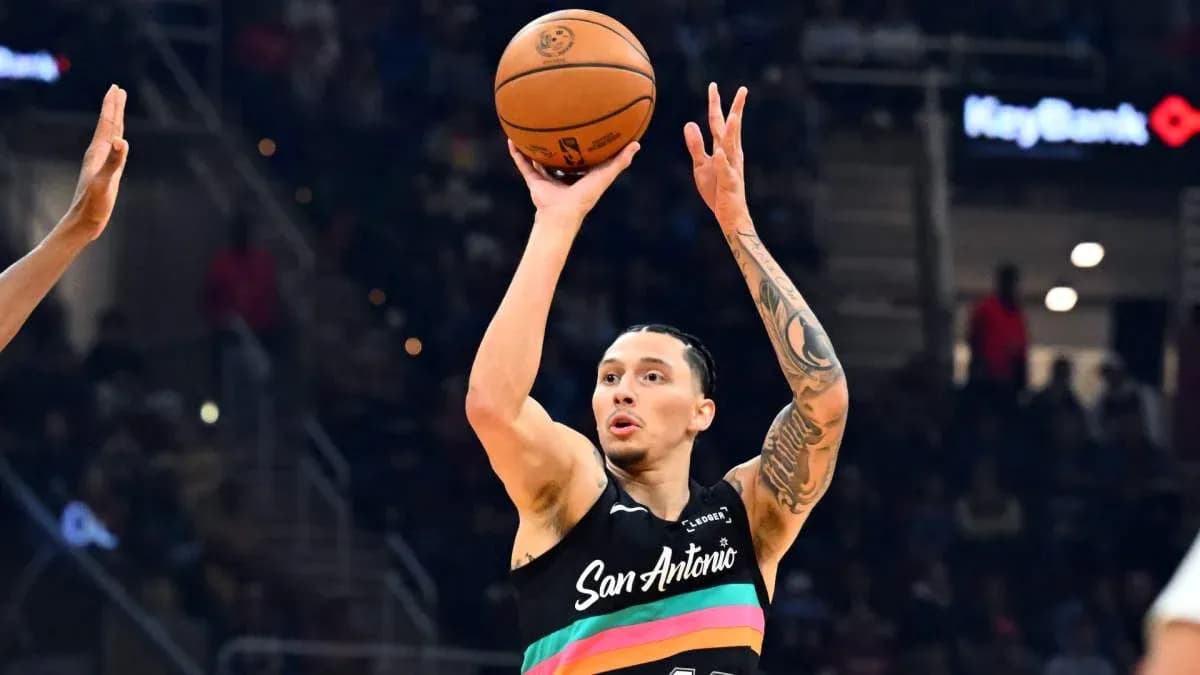
First, the Wizards stunned the league by prying Trae Young away from the Atlanta Hawks earlier this year. Young, a four-time All-Star and once the unquestioned face of that franchise, arrived in D.C. as a 27-year-old star guard with a reputation for high-usage offense and playoff moments. He played just five games for Washington last season before being shut down, a brief cameo that raised more questions than answers.
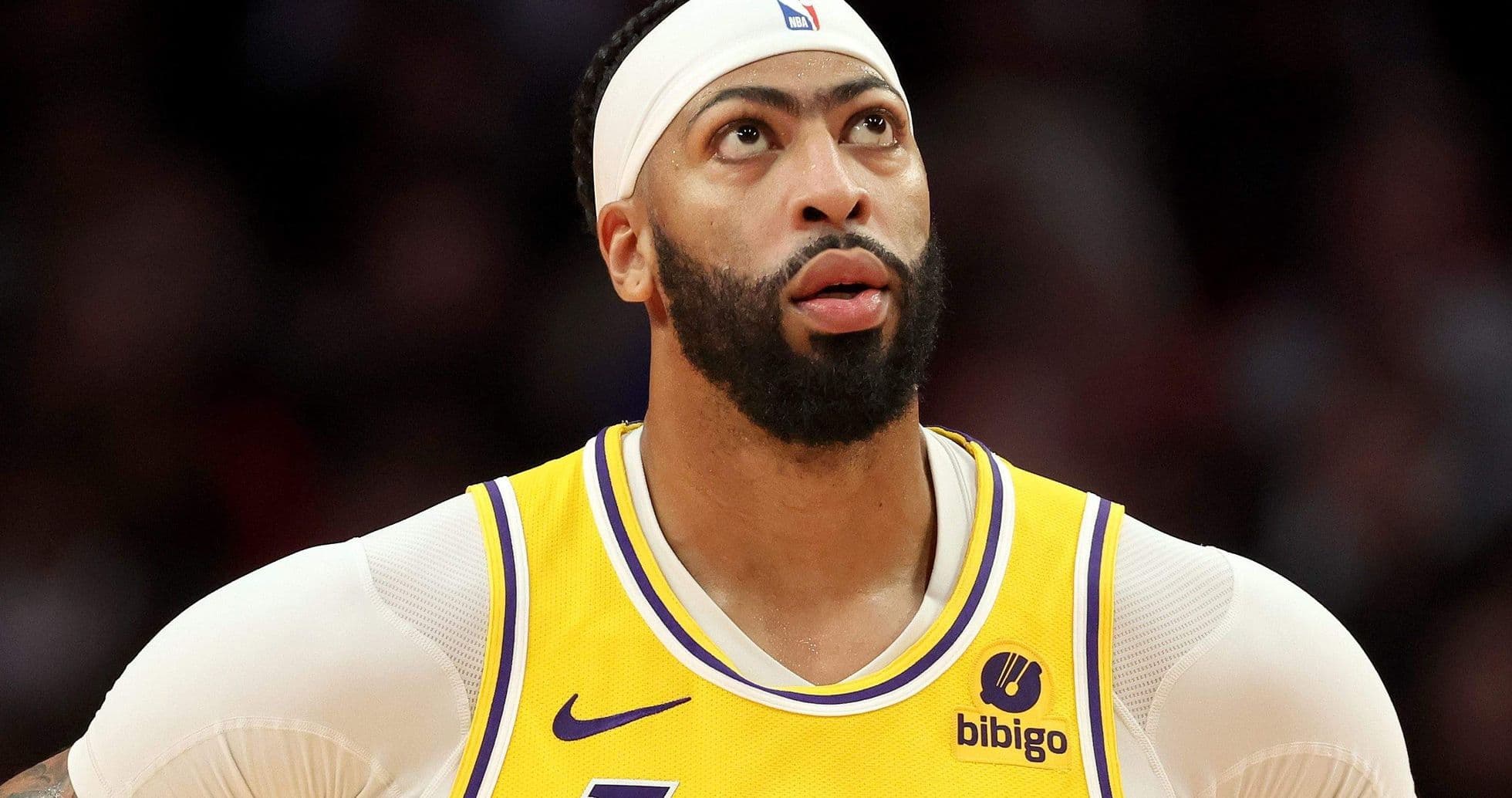
Then came the real jolt: Anthony Davis.
The former Lakers centerpiece and recent Dallas Maverick landed in Washington in a move that made timelines blur. The Wizards, one of the NBA’s young risers, had just anchored their future to a 19-year-old phenom in Dybantsa. Yet they doubled down on veteran starpower by bringing in a 10-time All-Star with a title pedigree and a three-year, roughly $175 million contract.
On paper, it’s a strange marriage. In practice, it might be combustible in the best possible way.
General manager Will Dawkins has no interest in apologizing for the gamble. He sees something deeper than age and contract years.
“What we’re getting with both of them are players who are motivated and have a chip on their shoulder, as well,” Dawkins told ESPN earlier this year, noting that the energy runs from the coaching staff down to the developmental core. Davis has bounced from the Lakers to the Mavericks and now to the Wizards in a two-year span. Young’s exit from Atlanta was messy. Both arrive in Washington with reputations to repair and statements to make.
Those are the bets the Wizards are placing.
The Celtics Question
The rest of the league, though, is asking a different question: how long will Washington really keep Anthony Davis?
He is extension-eligible. He has not received one. He is still owed massive money over the next three years. He is 33. And Washington is building around a teenager in Dybantsa.
That’s the tension everyone can see.
If the Wizards ever decide to listen, the line of suitors would be long. One name keeps surfacing in hypotheticals: the Boston Celtics.
Boston recently moved on from Jaylen Brown, reshaping their own long-term core around Jayson Tatum. A proposed framework that has made the rounds paints a stark picture of where this could go:
- Wizards receive: Paul George, Baylor Scheierman, Jordan Walsh, and a 2031 first-round pick
- Celtics receive: Anthony Davis
No picks carousel. No convoluted protections. Just a clean star-for-star headliner with youth and a future asset attached.
From Washington’s side, it’s a retooling move disguised as a step back. Scheierman and Walsh would slide into the Wizards’ growing collection of young talent, exactly the kind of long-term pieces that fit next to Dybantsa. George, at 36, would be less about the future and more about the deadline.
The logic is simple: bring in George, let him play, let him prove he’s still the same impact force he showed in last season’s playoffs, then flip him to a contender in February when desperation peaks. A motivated veteran on an expiring or short-term situation can turn into yet another pick or prospect.
For Boston, the calculus is more immediate. Davis, if he can stay on the floor, gives the Celtics something they have never truly had in the Tatum era: an MVP-caliber big who can dominate both ends. Tatum has played with good bigs, even excellent ones at times. He has never played with a big man as decorated or as defensively overwhelming as Anthony Davis.
Imagine a playoff series where Tatum doesn’t have to carry every defensive burden on the wing and every offensive burden in crunch time. That’s the lure.
Why Washington Might Still Say No
Strip away the trade machine graphics and there’s still a core reality: Washington has not behaved like a team eager to offload Davis.
Dawkins has spoken openly about how Davis and Young can complement each other, about the “storm of motivation” brewing in D.C. from the staff to the kids trying to carve out their place in the league. The Wizards are not just stockpiling draft picks and waiting for 2030. They want their young players to feel the weight of expectations now, to see what it looks like to share the floor with Hall of Fame-level talent.
Keeping Davis and Young does that.
It also gives Dybantsa a rare developmental runway. Few No. 1 picks step into a situation where they can learn alongside an elite point guard and a championship-winning big, both still capable of All-NBA stretches when healthy and engaged. That kind of environment can accelerate a rebuild in ways that raw minutes on a 20-win team never will.
Of course, the clock is ticking in the background. Davis’ age. His contract. His injury history. Young’s next decision point. The February trade deadline. Every losing streak will bring fresh speculation. Every Davis hot streak will ignite new trade pitches from rival fanbases and front offices.
For now, though, the Wizards appear willing to walk the tightrope. They want to see what it looks like when Young and Davis actually get a full run together, surrounded by hungry youth and a No. 1 pick who believes he belongs.
If it clicks, Washington could vault up the Eastern Conference faster than anyone expects.
If it doesn’t, the phones in D.C. will ring non-stop—and a team like Boston will be ready to find out just how high the price for Anthony Davis really is.