.svg&w=384&q=75 "logo")
USA Basketball's New Generation Takes On FIBA World Cup
USA Basketball will open its FIBA World Cup campaign in Berlin on Friday with a familiar ambition and a very different look.
In the space of a few days, the roster has shifted again, and the youth movement that had been building around the edges is now front and center.
Mystics duo step in for Wilson and Plum
Two of the Washington Mystics’ breakout stars, Kiki Iriafen and Sonia Citron, have been called in as late replacements for A’ja Wilson and Kelsey Plum.
Plum is out for the rest of the WNBA season with a lower leg injury, cutting short her year just as she was settling into life with the Phoenix Mercury after her trade from Las Vegas. Wilson, still the face of the Aces and a cornerstone of USA Basketball, has been managing a back issue. She hasn’t missed WNBA time, but the decision was made to pull her from World Cup duty and give her a clean runway to recover before Las Vegas resumes its title defense on September 17.
That opens the door for Iriafen and Citron, two players riding the Mystics’ surge and now stepping straight into the global spotlight.
Iriafen offers a like-for-like answer in the frontcourt for Wilson: size, energy, and a game built to flourish alongside elite guards. She runs hard, finishes in traffic, and doesn’t need the ball in her hands to change a game. On a USA roster stacked with playmakers, that matters.
Citron arrives as the kind of modern wing coaches covet. She can stretch the floor, sprint the lanes, and absorb tough defensive assignments across multiple positions. She doesn’t need plays drawn for her to leave a mark. On this stage, that versatility is gold.
A roster that looks like the future
With the changes, the United States heads into Berlin with this 12-player group:
- Aliyah Boston
- Paige Bueckers
- Caitlin Clark
- Napheesa Collier
- Kahleah Copper
- Sonia Citron
- Chelsea Gray
- Rhyne Howard
- Kiki Iriafen
- Angel Reese
- Breanna Stewart
- Jackie Young
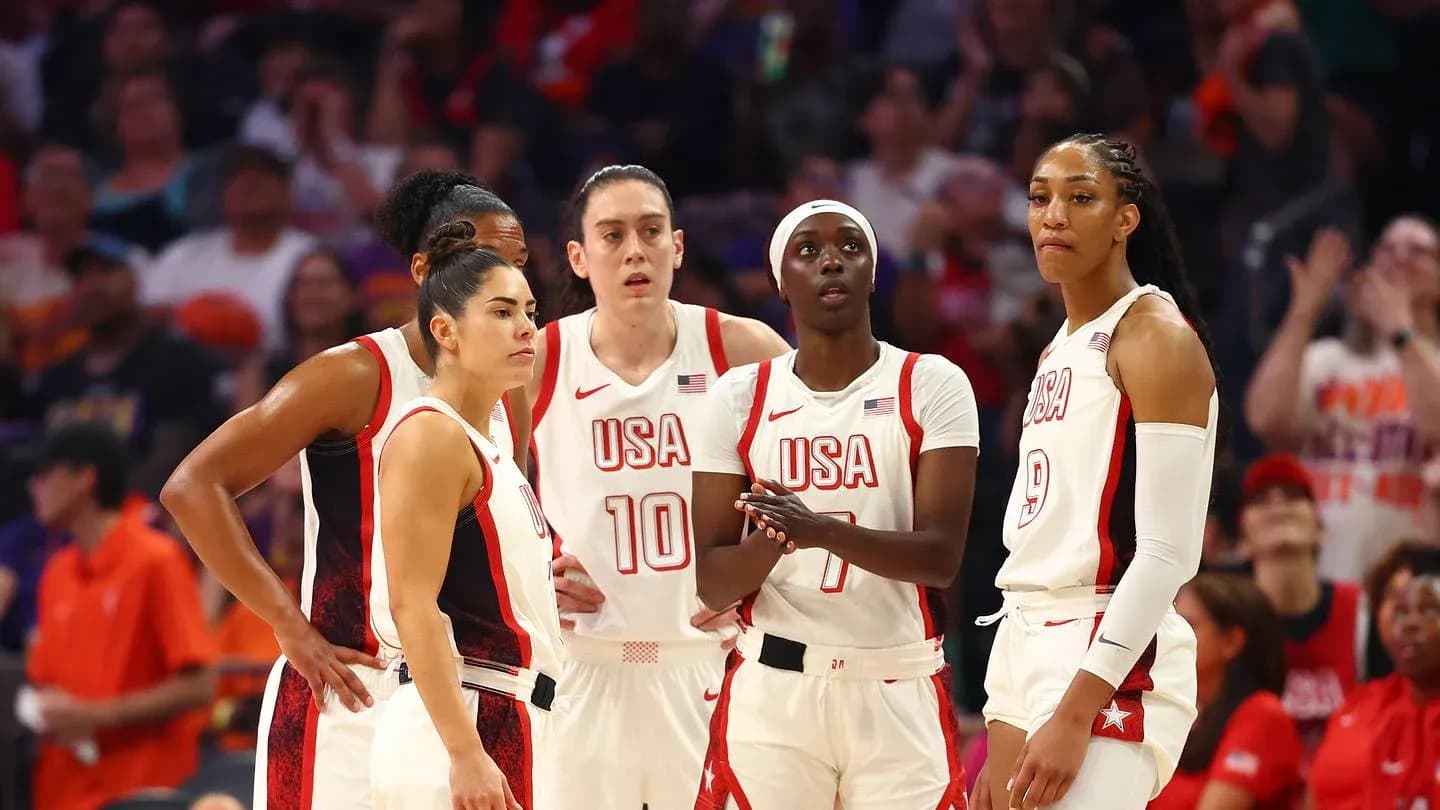
It’s still a roster anchored by proven winners like Breanna Stewart, Chelsea Gray, Napheesa Collier, and Kahleah Copper. But the balance is shifting.
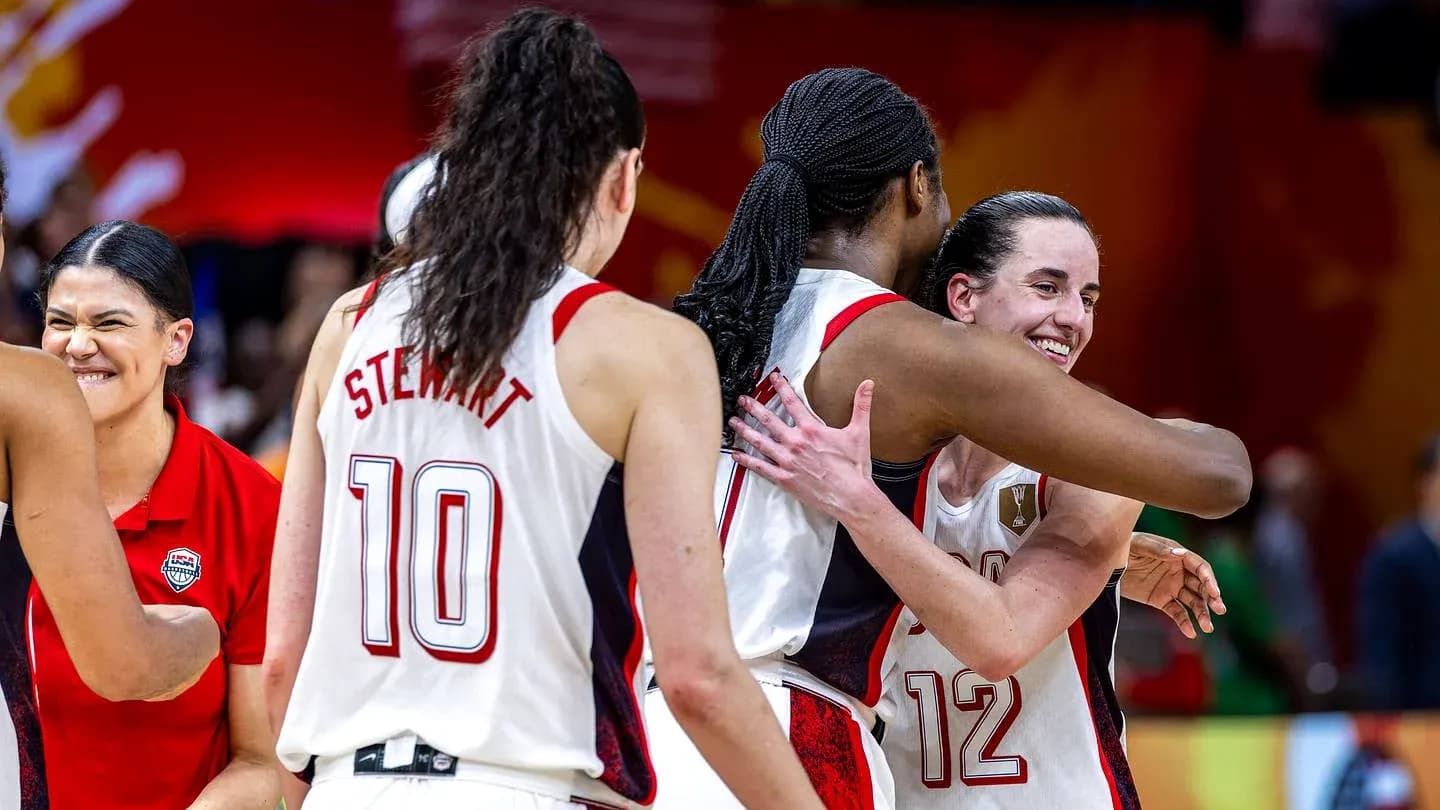
You can see it in the names that now define the team’s edge: Caitlin Clark, Paige Bueckers, Angel Reese, Aliyah Boston. Add Iriafen and Citron, and half of this squad will be stepping into a senior World Cup for the first time in USA colors.
They’re not strangers to the program. Clark, Bueckers, Reese, and Iriafen all featured in the FIBA World Cup qualifier in Puerto Rico in March, a key staging ground for this transition. Boston and Citron were slated to be there as well before injuries forced them out.
Now they all converge in Berlin, no longer prospects on the fringes but central pieces in a team expected to win everything.
Guarding a dynasty, building the next one
The assignment is clear and unforgiving: keep the streak alive. The United States has not lost a World Cup game since 2006, when Russia last handed them a defeat. Every team that pulls on the USA jersey inherits that history.
This group also carries something else — a preview.
With Los Angeles set to host the Olympics in 2028, the core that takes the floor against China and beyond offers a first real glimpse of what that home Games roster could resemble. The veterans are still here to guide and close games, but the ball, the minutes, and the responsibility are drifting toward the next generation.
The World Cup in Berlin will test how ready they are.
The dynasty is intact. The faces are changing. How quickly this young core turns promise into dominance will shape not just this tournament, but the next era of USA Basketball.