.svg&w=384&q=75 "logo")
U.S. Women's Basketball Team Advances to FIBA World Cup Final
BERLIN — For once, the U.S. juggernaut looked human. It just didn’t last.
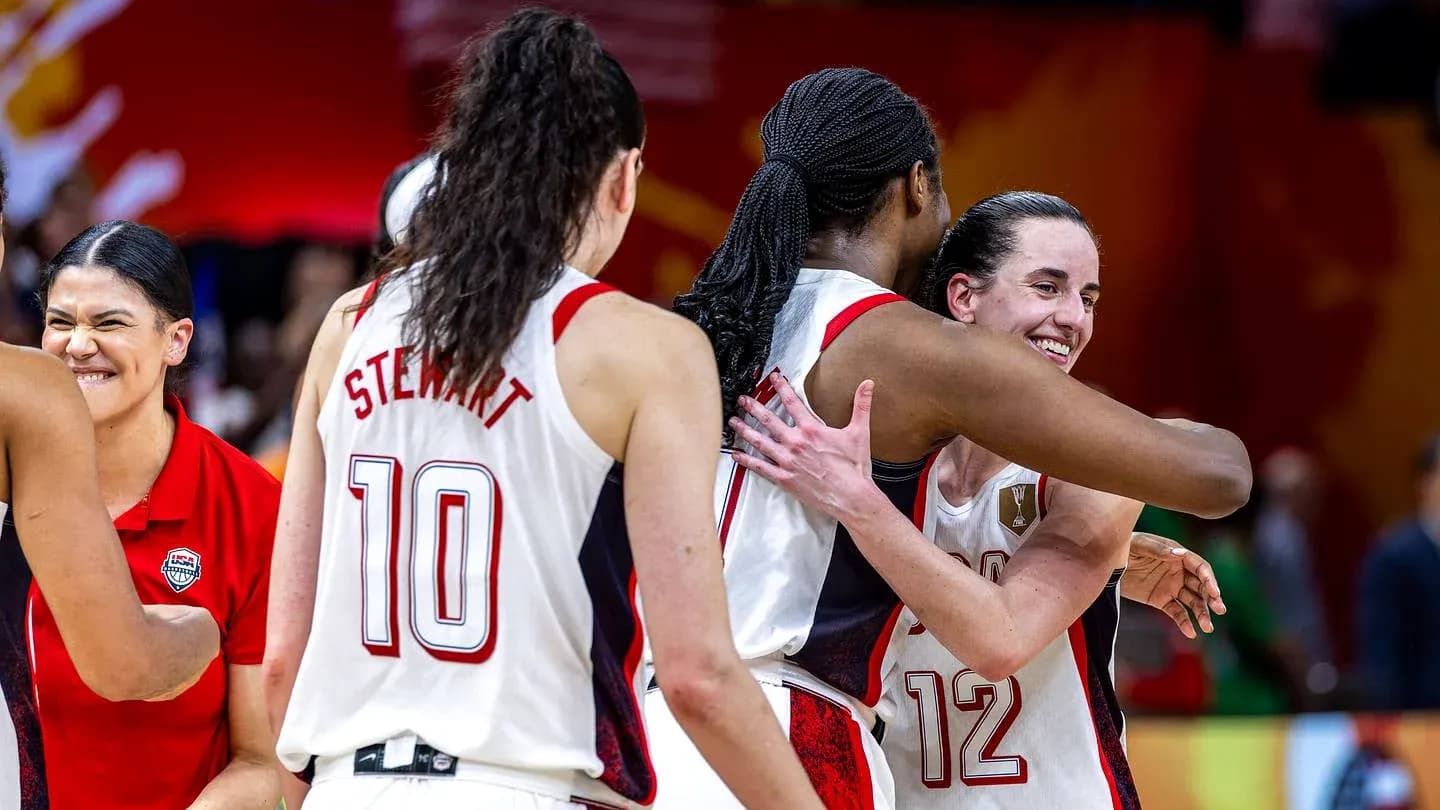
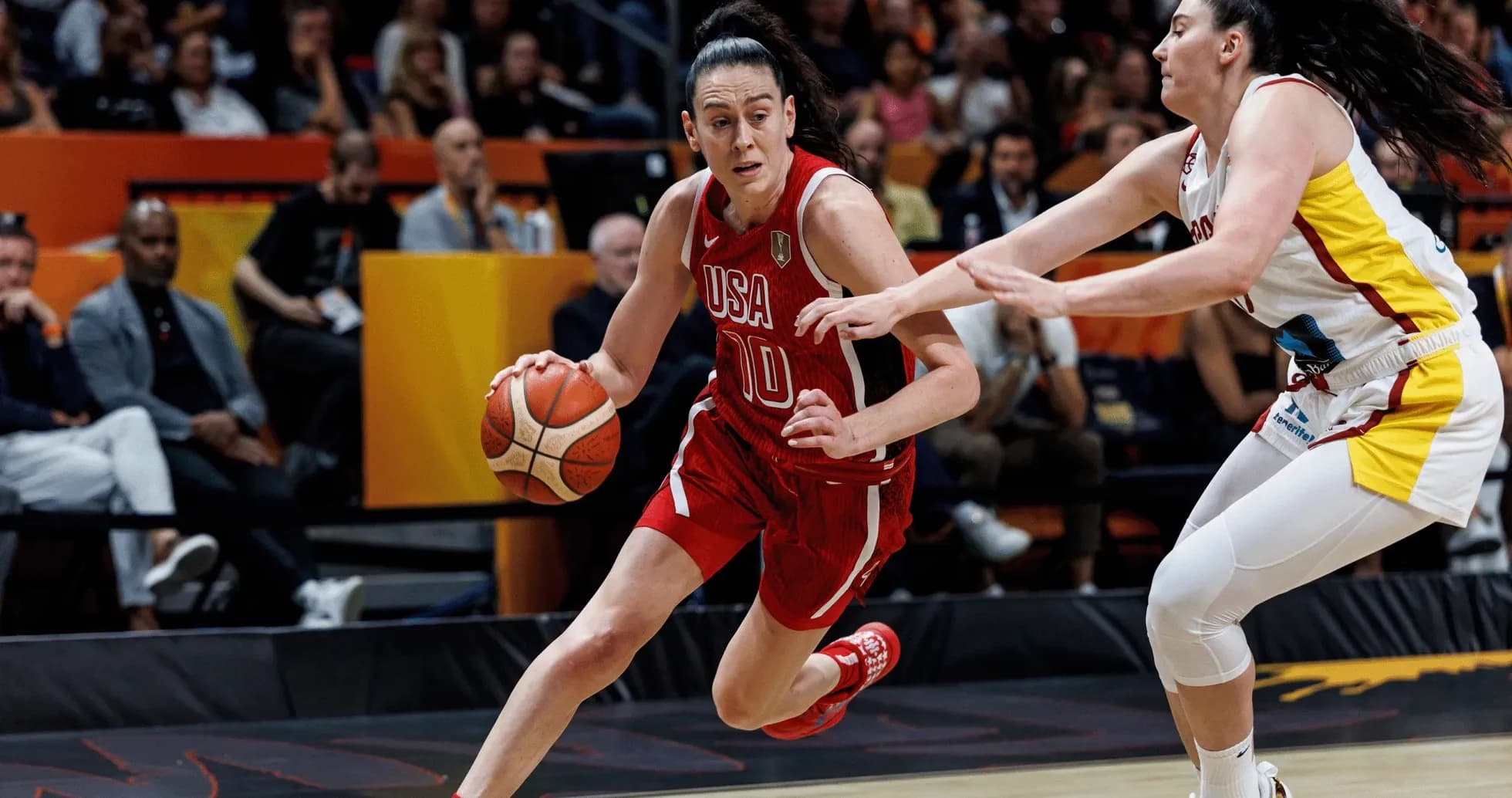
Breanna Stewart poured in 16 points, Kahleah Copper added 13, and a bruising, disjointed semifinal finally tilted the Americans’ way as they outlasted Spain 76-66 to reach the women’s FIBA World Cup championship game.
Next up: France, and a straight reprise of the 2024 Paris Olympics gold medal game that the U.S. stole by a single point. Same opponents, same stakes, different stage.
A streak under pressure
The U.S. arrived in Berlin riding a 35-game World Cup winning streak, untouched in this competition since a semifinal loss to Russia in 2006. One more victory will bring a fifth consecutive title and a place alongside the former Soviet Union for the longest run of championships in tournament history.
Spain came closer than anyone has in years to interrupting that march.
They hit the Americans in the mouth early, racing out to a 9-1 start and building a 16-9 lead. That eight-point gap was the largest deficit the U.S. has faced at this World Cup, surpassing the modest three-point hole against Italy in their nervy 55-52 escape.
For the first time this tournament, the U.S. looked rattled. Spain’s veterans moved the ball with purpose, attacked angles, and turned every cut into a collision. The Americans needed a response from the bench, and they got it. The newcomers checked in, cranked up the tempo, and closed the first quarter with a 12-2 run that flipped the tone of the night.
Whistles, bodies, and no rhythm
The game never really flowed. It lurched.
Spain’s physical defense turned almost every possession into a wrestling match, and the whistle followed. The U.S. lived at the foul line — 27 free throws in the first half alone, compared with just 26 field-goal attempts. They converted 19 of those freebies and still only led 39-36 at the break.
The Americans couldn’t stretch the margin. Every time they threatened to pull away, Spain’s toughness dragged them back into the mud. Drives met bodies. Screens drew contact. The ball stuck. For long stretches, the world’s most talented roster looked like it was slogging through sand.
This was no freewheeling showcase. It was survival.
Turning the screw in the fourth
By the end of three quarters, Spain had done what so few manage: they stood level, tied at 58, with 10 minutes left against the most dominant program in the sport.
Then the U.S. finally hit the accelerator.
The pressure told. The Americans opened the fourth quarter with a ruthless 12-2 surge, stringing together stops, securing rebounds, and attacking the rim before Spain could set their defense. In a blink, the lead ballooned to 70-60 — their largest of the night — with 5:20 remaining.
From there, the U.S. managed the game with the composure of a team that has lived on this stage for nearly two decades. Spain never got closer than eight the rest of the way. Every mini-run met a response, often at the stripe.
By the final buzzer, the free-throw numbers told their own story: 27 makes on 35 attempts for the U.S., a testament to both Spain’s physicality and America’s insistence on forcing the issue inside.
Full circle for Stewart, and a familiar foe ahead
This semifinal carried a neat piece of symmetry. The last time these two nations met at a World Cup was the 2014 gold medal game, when the U.S. beat Spain and a young Breanna Stewart made her debut with the senior national team.
A decade later, Stewart is the centerpiece, the steady hand in tight moments, still guiding the U.S. past Spain on the sport’s biggest international stage.
Now comes France, and with it a chance to extend a dynasty and etch this group alongside the great Soviet sides in the record books. One game, one win, for five straight World Cup titles.
The streak has survived its sternest test in years. The question now is whether anyone can stop the Americans from turning dominance into outright history.