.svg&w=384&q=75 "logo")
US Open 2026: Balancing Sport and Spectacle
The chair umpire’s voice cut through the Arthur Ashe Stadium buzz, sharper than any line call.
“Guys, please, in the suite behind me ... please take your seat.”
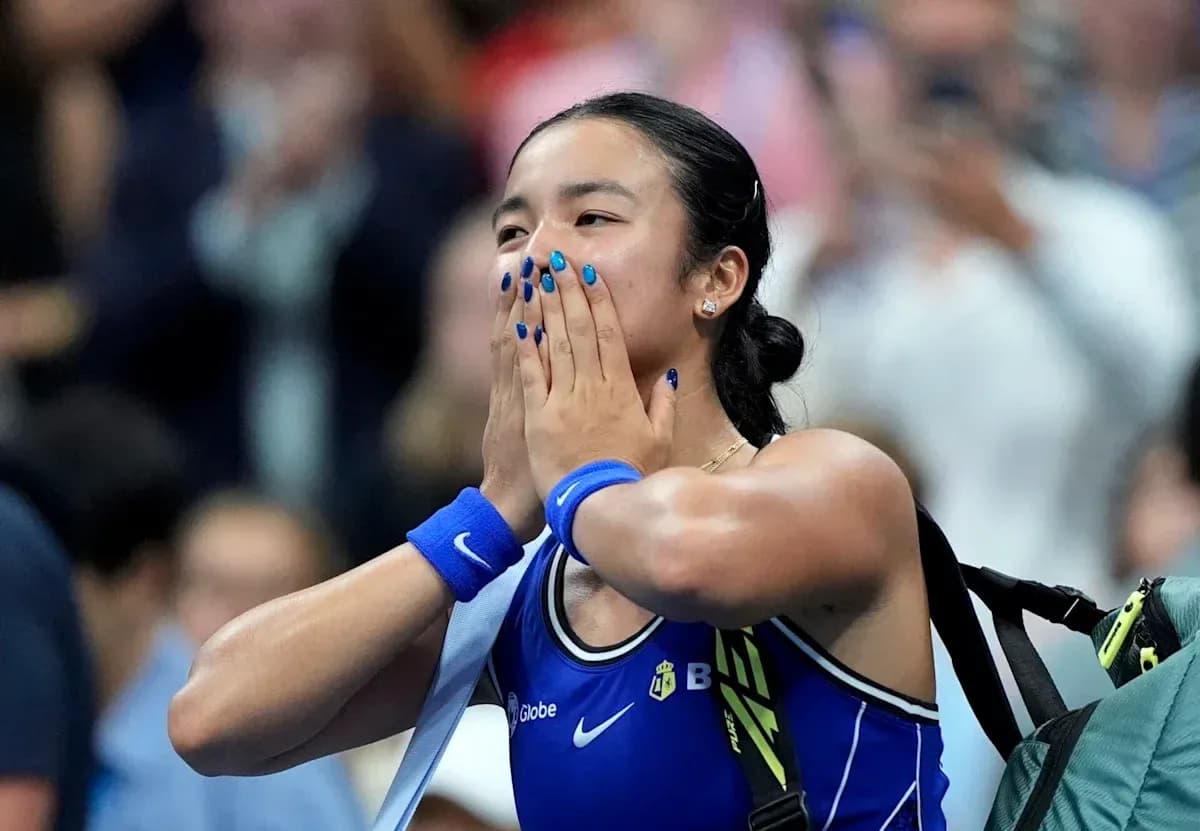
Naomi Osaka and Anastasia Zakharova were locked into a first-round battle at the 2026 US Open when play stopped not for rain, not for a medical timeout, but for a group of spectators more focused on their phones than the tennis in front of them. It was a small moment, a brief pause. It said a lot.
Arthur Ashe has always been loud, restless, theatrical. This year, it feels like a stage in a different way. The US Open, the sport’s end-of-year Grand Slam and its most raucous showcase, has drawn a fresh wave of fans — many of them influencers — and with them, a new tension over what it means to “experience” live sport.
During Osaka’s first-round win, one viral clip showed a group filming what looked like a TikTok video in the middle of the second set. Another video captured a fan using a selfie light to take photos while the match played on behind them. It wasn’t just background noise anymore. It was part of the spectacle.
Osaka, back in New York and winning again, understands the power of that spectacle.
The four-time major champion admitted the attention can help. The reach of influencers, she said, “could be a good thing ... to make the sport of tennis popular.” Tennis, like every other sport, is fighting for eyeballs and relevance in a crowded digital world. A post from a suite at Ashe can travel a lot farther than a box score.
But Osaka drew a firm line.
The distractions, she said, “have to be managed a lot better.”
“If you come to a sporting event, you have to respect the sport. I feel like it’s common courtesy to read up on the sport,” she said on Thursday, Sept. 3, after her 6-2, 5-7, 6-1 win over Katerina Siniakova. “You want people to continue to grow the sport. I just think it has to be in a way that everyone knows the rules and the etiquette.”
That word — etiquette — suddenly feels old-fashioned in an arena where $100 caviar nuggets and the Honey Deuce cocktail are as much part of the conversation as a booming serve. But it’s at the heart of the debate players are having this fortnight.
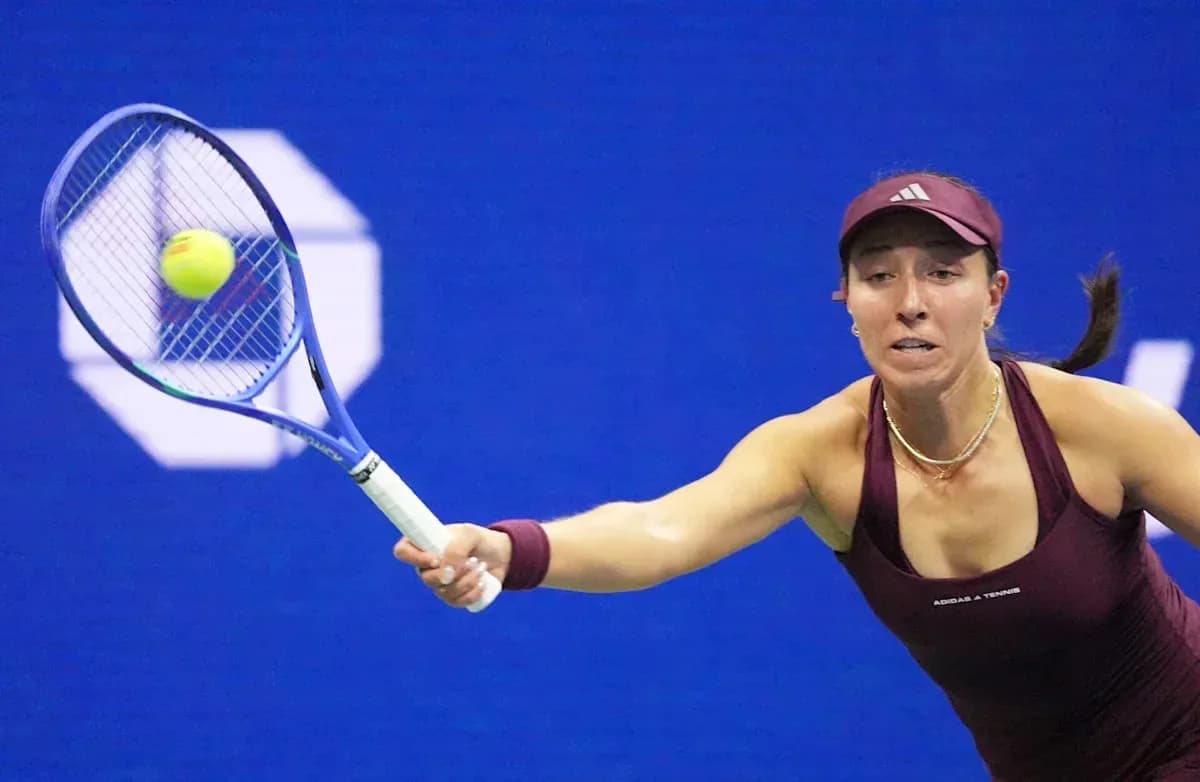
Jessica Pegula, one of the standard-bearers for American tennis, sees both sides as clearly as anyone.
On one hand, she said she can “appreciate the influencers coming and showcasing the US Open experience,” from the high-end food to the now-iconic Honey Deuce that has become a Flushing Meadows ritual. Those posts help sell the tournament, the city, the vibe. They pull in people who might never otherwise think to watch a baseline rally.
Then there’s the other hand.
Pegula didn’t sugarcoat it: it’s starting to feel “a bit disrespectful.”
“I do think that it’s tough when you see videos like that when they’re taking pictures and using the selfie lights,” she said. “People are down there trying to perform. It’s their career and their job ... So I think it’s gotten a little maybe too much it feels like this year. I don’t know. I think again, I can appreciate one side of it, but I think when you have the other side literally interrupting matches, it gets a little tough.”
That’s the crux. Not the noise. Not the celebrity. The interruption.
Players at this level live in thin margins. A flash of light in the toss, a sudden movement in the line of sight, a commotion in a suite — these things matter when careers, ranking points, and prize money ride on a single point.
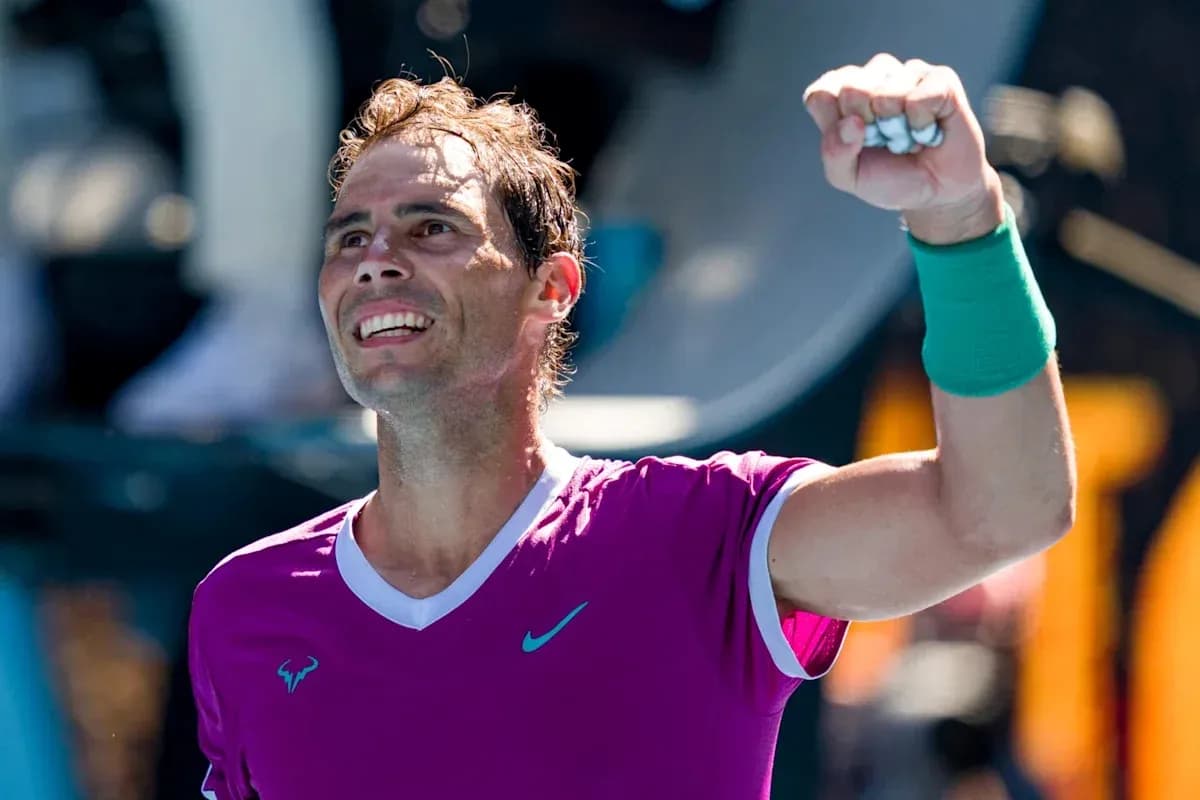
Daniil Medvedev, never shy about his opinions on crowds or conditions, struck a more optimistic note. For him, the influx of new fans tilts positive.
He sees “a lot of more upside than downside” in this new audience.
“The more the sport grows, the better it is,” Medvedev said. He put his faith in the organizers, adding, “I trust USTA with what they’re doing. For sure, if it disturbs during the play, like if you see a light or something, well, you always say it to the referee ... maybe one time they do it, then someone tells them not to do it.”
In other words: enforce the lines, educate the fans, keep the energy, lose the chaos.
The US Open has always walked a tightrope between show and sport. Night sessions that start late and end even later. Music between points. Celebrities in the front row. Now, with every moment a potential piece of content, that balance feels more fragile.
Osaka wants the sport to grow. Pegula appreciates the buzz. Medvedev welcomes the numbers. None of them, though, want to see the core of their profession reduced to a backdrop.
The question for tennis — and for the US Open in particular — is whether it can harness this new wave of attention without letting it spill over the baseline.