.svg&w=384&q=75 "logo")
UFC 331: The Balance of Sport and Show in MMA
The UFC has always insisted it’s a sport first. UFC 331 is a reminder that it’s a show, too.
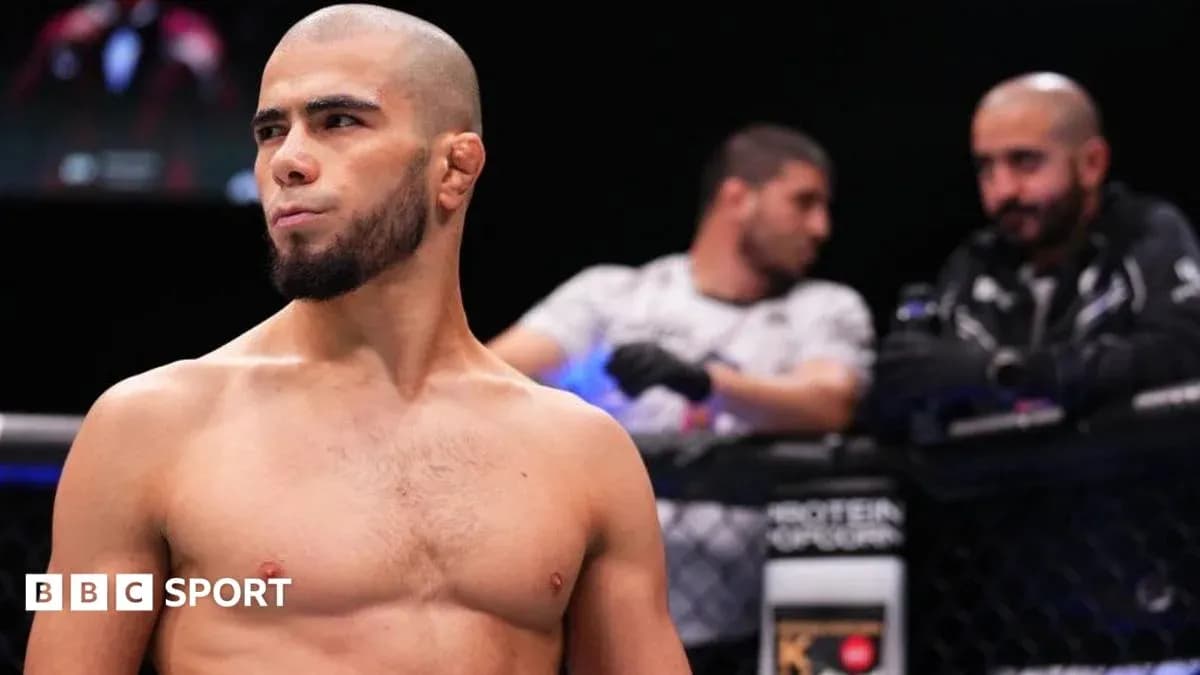
Two weeks ago in Paris, Michael “Venom” Page walked out of the Octagon for the last time under the UFC banner. He left with a 5-1 record in the promotion, a tidy winning percentage, and almost no noise about a new deal. No public negotiation. No lowball offer leaked. Just a quiet exit after a dull decision win that barely registered.
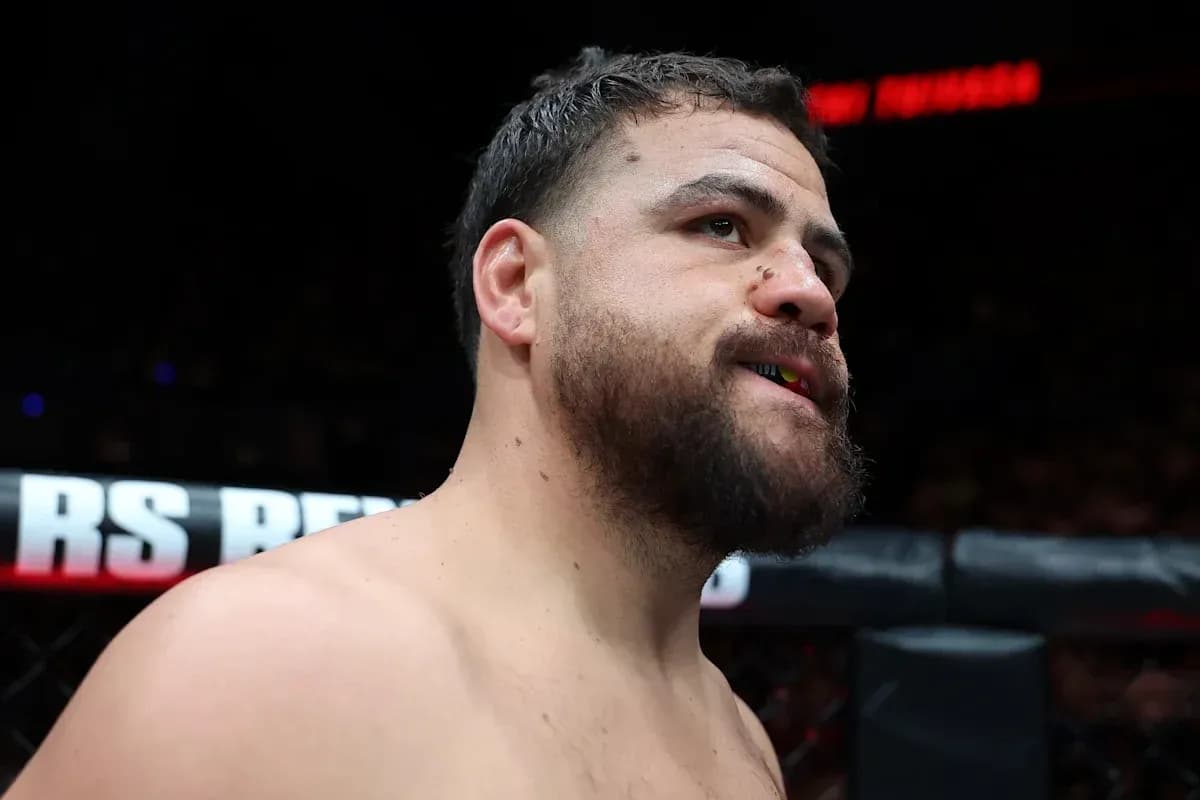
On Saturday in São Paulo, Tai Tuivasa will walk in on a seven-fight losing streak that stretches back to 2022. He hasn’t had his hand raised in years. He’s taking on Robelis Despaigne, trying to avoid tying Tony Ferguson’s infamous eight-fight skid. Few expect him to pull it off.
Yet Tuivasa still has a job. Page does not.
That contrast says plenty about what really keeps you employed in the UFC.
What the UFC actually rewards
Strip away the slogans and the rankings graphics and the performance bonuses. The pattern is obvious. The UFC wants a certain kind of fighter producing a certain kind of fight.
Page is the nightmare scenario for a promoter who sells chaos. He’s elusive, risk-averse when it suits him, and capable of neutralizing opponents in ways that suck the oxygen out of the building. He wins, but often in a way that makes everyone wish the next bout would hurry up.
A fighter like that is a problem. He doesn’t brawl. He doesn’t let you brawl. He wins the kind of tactical, low-output fights that hardcore purists might grudgingly respect but casual viewers forget by the time they reach the parking lot. If you’re going to be boring, you’d better at least be losing.
Tuivasa is the opposite. His record is a mess right now, yet he remains in the fold. Why? Because everyone knows exactly what they’re buying when his name is on the poster.
He’ll plant his feet and swing. He’ll defend takedowns sporadically at best. If the fight goes long, his gas tank will betray him, but his pride won’t. He’ll stand there and take a beating if that’s what the night demands. He’ll go out on his shield, not on the scorecards.
A promoter can work with that. You can map out his matchups. You can forecast which fights he’s likely to lose and which ones he might detonate with a single right hand. He’s predictable in all the ways that make matchmaking easier and highlight reels more likely.
The trouble only really starts when a fighter like that begins losing the fights he’s supposed to win. That’s where Tuivasa now stands. He went into his bout with Louie Southerland in Australia in May as a -225 favorite and dropped a unanimous decision. Seven straight losses. The margin for error has vanished.
Despaigne’s return and the role of the foil
So here comes UFC 331, and here comes Robelis Despaigne.
Despaigne’s last big impression came with a knockout win over Junior dos Santos at the MVP Netflix event in May. He’s a towering heavyweight with dynamite in his hands, still relatively fresh to the broader audience, and the kind of fighter you want to showcase in the right setting.
Enter Tuivasa, the perfect dance partner.
Nothing about this matchup suggests a favor to “Bam Bam.” This isn’t a gentle reset or a veteran’s reward. It looks like a calculated piece of casting: give Despaigne someone who will stand in front of him, who will not turn this into a wrestling match, who will not smother him against the fence and stall out the clock.
A heavyweight who swings as hard as Tuivasa always has a puncher’s chance. The division is built on that kind of hope. One slip, one counter, one wild exchange, and the script flips. But structurally, this is a fight designed to deliver violence in a confined space. The UFC knows it. The fighters know it. The fans definitely know it.
And that, in its own way, is job security. Even in defeat.
The cost of being “fun”
Fighters hear the message without needing a memo from the office. They can read the matchups. They can see who gets cut and who gets re-signed. They understand the unwritten rules of engagement.
Former UFC champion Tyron Woodley spelled it out this week on “The Ariel Helwani Show.”
“You hit me, I hit you,” Woodley said. “Rock ’em, sock ’em. I’m bleeding, you’re bleeding. I almost die, you almost die. We hug at the end, raise each other’s hand. That’s the ‘best’ fight.”
That’s the template. That’s what gets replayed and reposted, what earns you a second contract even when the results on paper are ugly.
But it’s also a blueprint for a short career.
Woodley didn’t sugarcoat that part either.
“As soon as they become a bag of bones and they become a little older, and there’s a younger fighter that’s willing to do it with less backtalk, willing to do it for less money, they’re going to be matched up with that person,” he said. “That’s really how the cycle of the sport goes.”
The brawler’s path is thrilling and brutal. It builds cult heroes and burns them out. The same qualities that keep you employed today help hasten the day you’re replaced by someone younger, cheaper, and just as willing to walk through fire.
Sport, show, and the impossible balance
Nobody pretends this is fair. In most sports, the formula is brutally simple: win and you stay; lose and you go. Results rule. Style is secondary.
MMA doesn’t work like that. Not at this level. Not in this promotion.
Here, the job description is split. You’re a competitor and a performer. You have to find your own ratio of warrior to entertainer, the blend that keeps you on the roster without leaving you permanently altered before 40.
Page leaned too far toward safety and control, and the UFC let him walk despite a strong record. Tuivasa leans hard into chaos and risk, and he walks into UFC 331 still very much a part of the show, even with seven straight losses hanging over him.
One man protected his record and lost his stage. The other protected the spectacle and kept his place on it.
The question for every fighter watching is simple and unforgiving: how long can you dance on that line before the sport, or the show, finally spits you out?