.svg&w=384&q=75 "logo")
Stephen Curry's Contract Decision: A Defining Moment for the Warriors
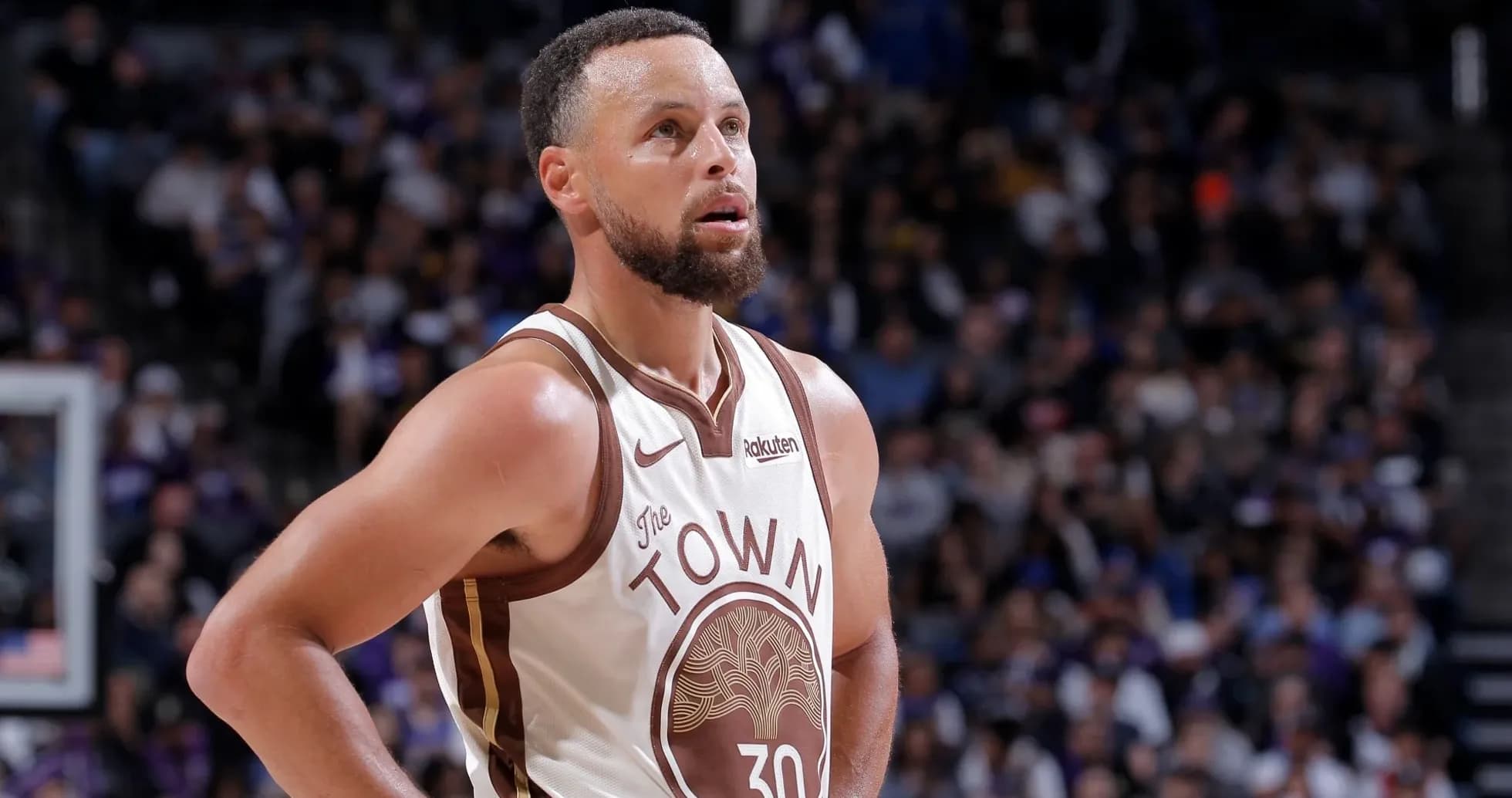
Stephen Curry holds the pen. The Warriors hold their breath.
On Saturday, Aug. 29, the 38-year-old face of the franchise becomes eligible to sign a max extension with Golden State. It’s the first day the Warriors can officially try to lock down the final act of the greatest career the organization has ever known. It’s also the first day the clock starts ticking a little louder.
Curry is heading into Year 18, the last season of his current deal, a contract that will pay him nearly $63 million. General manager Mike Dunleavy has spent the past year making it clear in public: the Warriors want another deal done before the new campaign tips off. Owner Joe Lacob knows it, the front office knows it, and everyone in the Bay Area knows it. Stephen Curry is the franchise.
Curry has said, time and again, that he wants to be a one-franchise player. He reiterated it after last season. On paper, this should be simple. The Warriors want him. He wants to stay. Sign, smile, move on.
It’s not that simple.
The real tension begins if that signature doesn’t come before opening night. Then this becomes more than a routine contract checkpoint. It becomes a referendum.
Golden State’s fan base has already shown its frustration. A team that missed the playoffs watched the summer pass without the kind of sweeping overhaul many expected from a cap-strapped front office. The anger has simmered on talk shows, message boards, and social feeds. But the true measure of how hot it really burns is Stephen Curry.
If he signs early, he sends a clear message: he still believes Dunleavy and Lacob will squeeze everything they can out of the final years of his prime. He believes they can still build a contender around him, even as time and the salary cap close in.
There is logic behind that faith. A year from now, the Warriors should have more flexibility — added cap space, a stack of future first-round picks, and a better chance to reshape the roster than they had this offseason. They already swung big once, chasing LeBron James in a headline-grabbing pursuit that ultimately went nowhere. The miss leaves Curry staring at a supporting cast that looks a lot like last year’s, the same group that couldn’t reach the postseason.
Steve Kerr is back on a two-year extension. Draymond Green returned on a one-year deal. The core remains, aging but intact. The question is whether Curry wants to tie himself to this version of the Warriors before he sees what they actually are.
If he doesn’t, the noise will be deafening.
Speculation around Golden State is already a sport of its own. A delay on Curry’s extension would send that into overdrive, not just in the Bay Area but across the league. Every road game, every press conference, every mini-slump would come with the same question: What does it mean for his future?
The odds still favor the familiar outcome. Curry signs. The Warriors roll into the season with their superstar as the center of everything, as they always have. Business as usual.
But if he waits — whether as a quiet statement on the roster or simply as a decision to gather more information — the uncertainty becomes its own storyline. It hangs over practices, over team meetings, over every move the front office makes. It becomes the shadow in every room until pen finally meets paper.
That’s the bind Curry finds himself in.
He has never been the type to create public drama. He doesn’t air grievances through the media. He rarely sends veiled messages. His game speaks louder than any soundbite, and he’s been comfortable letting it do so.
This decision fits that pattern. He understands the power of a signature, or the absence of one. He knows how his choices get dissected, how the Warriors stand apart from most franchises because of the attention he commands. He knows exactly what it would say if an agreement doesn’t materialize before the season.
Last year, he played only 43 games, hampered by a lingering knee issue that sidelined him for two months and other injuries that chipped away at his availability. At 38, with mileage, rings, and a legacy already secured, the appeal of long-term security is obvious. One more big deal, one more guarantee, one more layer of insulation against the unknown.
So the questions land squarely on him.
Is he willing to walk into training camp without that safety net, to spend an entire season fielding questions about whether this is the beginning of the end in Golden State? Or does he lean into trust — trust in the front office, trust in ownership, trust that the roster around him will evolve — and commit now, leaving the next hard decisions to another day?
Only Stephen Curry knows how he wants this chapter to read.
For more than a decade, the Warriors’ identity, ambition, and relevance have orbited around No. 30. Now, as the franchise tries to sketch out the closing scenes of a dynasty era, the familiar truth remains.
Everything still starts with his hands — and this time, it’s not a shot that decides where the story goes next.