.svg&w=384&q=75 "logo")
Stan Wawrinka’s Farewell: A Last Dance at the US Open
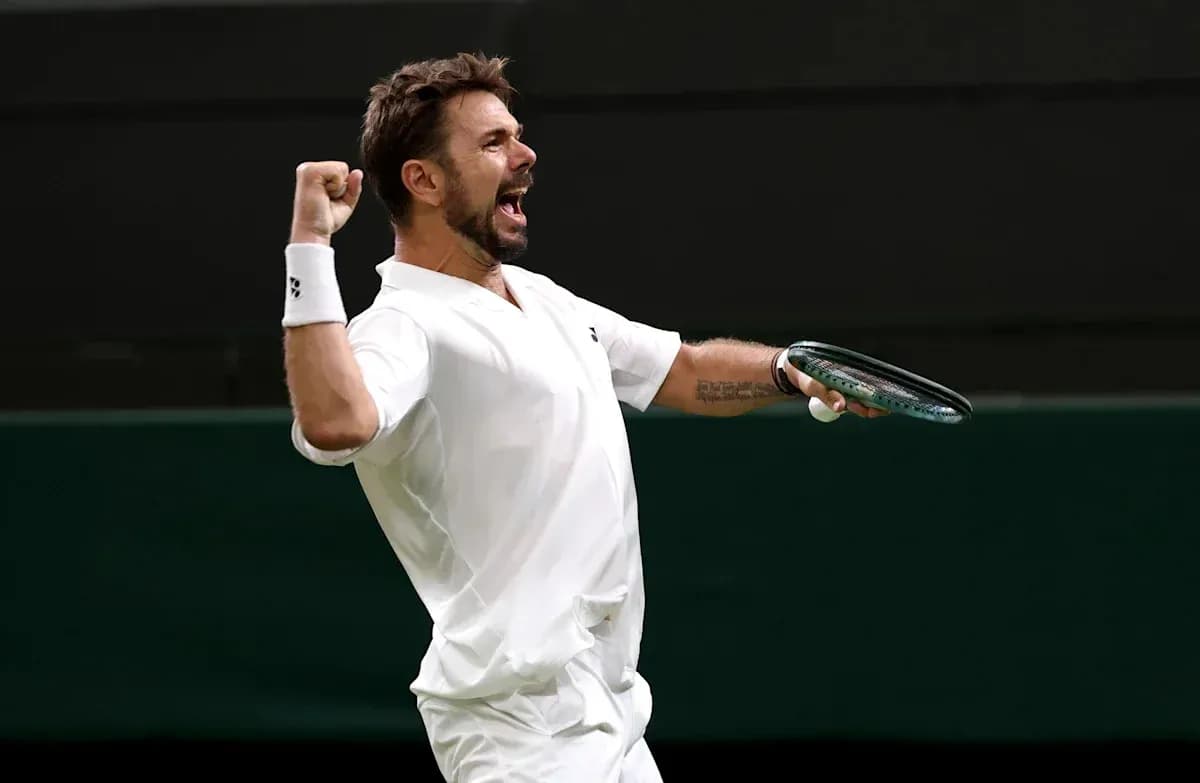
Stan Wawrinka will walk into the 2026 US Open knowing this is it. One last lap, one last roar in Arthur Ashe Stadium, 10 years on from the night he tore through Flushing Meadows and completed one of the great late-career renaissances in men’s tennis.
For nearly two decades, the one‑handed backhand, the Yonex racquet, the heavy shoulders and heavier forehand have been part of the sport’s daily scenery. He has been more than a name in a draw. He has been a constant.
Back in 2008, few outside the hardcore knew what was coming. At Indian Wells, at what was then the Pacific Life Open, a young Novak Djokovic arrived as the new Australian Open champion, the man threatening to crash the Federer–Nadal duopoly. Across the net stood Stanislas Wawrinka, still more promise than finished article.
Djokovic won that quarter-final 7-6, 6-2. A routine scoreline on paper. History would prove it was nothing of the sort. It was an early chapter in a rivalry that would help define Wawrinka’s career and, in its own way, stretch the limits of the so‑called Big Four.
Because if Juan Martin del Potro cracked the door with his 2009 US Open title, it was Wawrinka who kept barging through it. Three majors, all against the grain, all against giants of the era: the 2014 Australian Open, the 2015 French Open, the 2016 US Open. He didn’t nibble at the edges of greatness. He walked straight into the middle of it.
At his peak, Wawrinka felt like a controlled explosion. The one‑handed backhand, already a dying art at the top of the men’s game, became a weapon of almost brutal beauty. Others caressed the ball. He ripped it. Cross-court, up the line, on the stretch, on the rise – the stroke carried a kind of ferocity that made even the sport’s royalty take a half-step back.
His impact went beyond singles glory. He was central to some of Swiss tennis’ proudest days. In Beijing in 2008, he stood alongside Roger Federer to claim Olympic doubles gold. Six years later, he helped drag Switzerland to the Davis Cup title in 2014, a landmark moment for a nation that had long leaned on Federer’s genius.
The first major breakthrough came in Melbourne. Nadal, injured and hampered, stood across the net in the 2014 Australian Open final, but Wawrinka still had to finish the job. He did it in four sets and, for a moment, the tennis world wondered if this was a one-off, a glorious outlier in an era otherwise owned by Federer, Nadal, Djokovic and Andy Murray.
He answered that question ruthlessly. Roland Garros in 2015, the US Open in 2016 – each time he walked through a minefield of big names and bigger reputations, each time he left with the trophy. Those two New York and Paris runs included seismic wins over Djokovic, the same man who had brushed him aside in the desert all those years earlier.
Now, as the curtain nears its close, the draw has a sense of symmetry. Wawrinka opens against Matteo Berrettini, a former Wimbledon finalist whose own career has been interrupted and undermined by injuries. It is the kind of match that sells itself: two big hitters, two battered bodies, two players trying to squeeze one more surge out of their games.
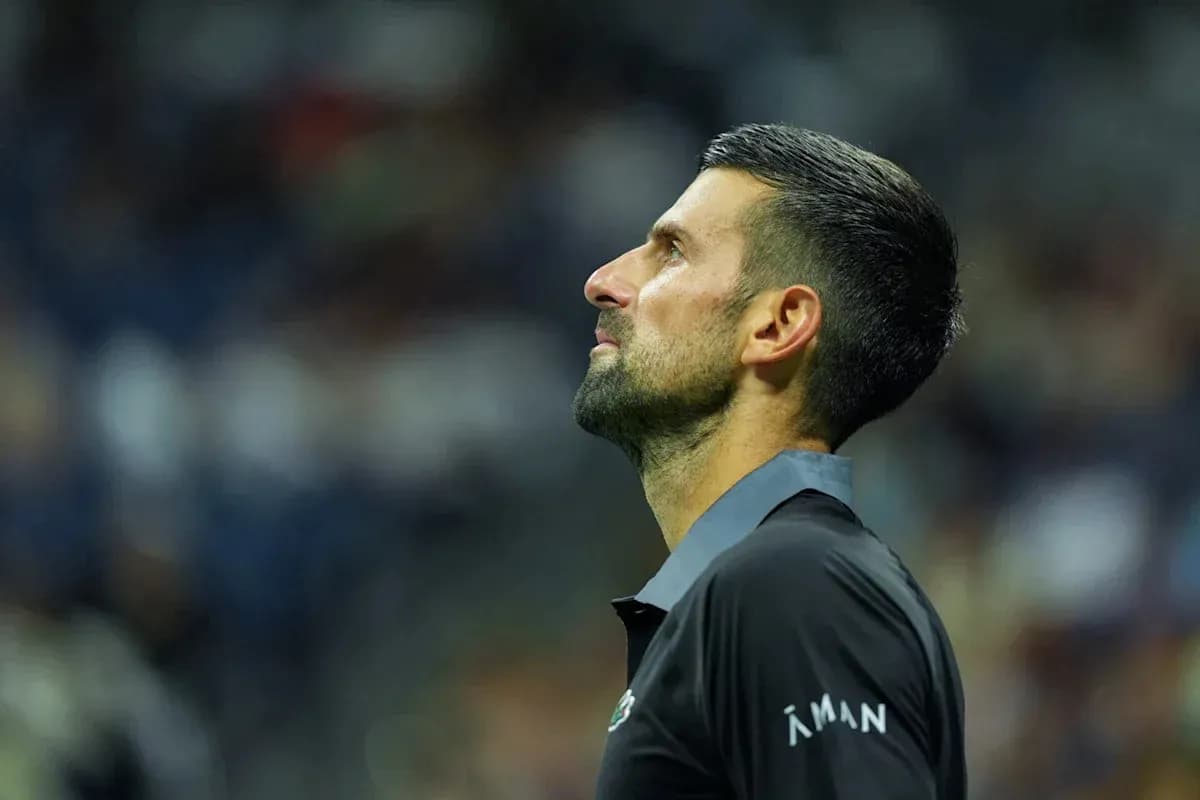
If Wawrinka wins – and at this stage of his career, that is no small ask – the reward is likely to be another meeting with Djokovic in the second round. The man he stopped in Paris in 2015. The man he stunned in New York in 2016. The man who has come to symbolise both his greatest obstacles and his greatest triumphs.
There is a particular ache when a player like this leaves the stage. Team sports offer continuity; clubs endure, shirts remain, new heroes arrive in the same colours. In tennis, the relationship is more fragile. The players are the franchise. When they go, they don’t get replaced. They simply disappear from the draw, and the tour moves on without them.
Federer has gone. Nadal is fading. Djokovic is fighting the clock. Now Wawrinka, the man who refused to accept that the Big Four were untouchable, is preparing to step away as well. The tour will still be there. New names – Flavio Cobolli, Sandro Tonali, Savio – will fill the order of play. The stadiums will still hum under the lights in New York, Melbourne, Paris and London.
But the reality of tennis is brutal in its finality. When a player retires, it’s over. No transfer, no testimonial season, no late-career cameo in a different league. One day they are in the main draw; the next, they are a memory, a highlight reel, a face in someone else’s player box.
Wawrinka has ridden that wave for 18 years at the top level, through injuries, slumps, comebacks and those three unforgettable Slam runs. Now he gets his goodbye in the city where he completed his set of majors, where he proved beyond doubt that his name belonged alongside the giants he spent a career chasing.
One more US Open. One more swing of that backhand. Then the sport, and everyone who grew up with him, will have to learn what tennis looks like without Stan Wawrinka in it.