.svg&w=384&q=75 "logo")
Southwest Division: Youth Movements and Veteran Pursuits
The Southwest Division has split into two clear camps. Dallas and Memphis are betting big on the future, loading up on blue-chip prospects and new identities. Houston and San Antonio are hunting wins right now with hardened veterans around established stars. New Orleans, stuck in the middle, is waiting to decide which way to jump.
It’s a division built on first-overall picks, Hall of Fame résumés and one 7-foot-4 MVP finalist who came agonizingly close to a ring.
Dallas Mavericks: Flagg Era Begins, Ujiri Hits Reset
Dallas already found its future. Now it has to keep it on the floor.
Cooper Flagg arrived last season with the pressure of a No. 1 overall pick and lived up to it, jolting the franchise with the kind of talent that can anchor a decade. The problem? The Mavericks never stayed healthy long enough to build anything around him. They staggered to 26-56 and watched the postseason from home.
The response from ownership was blunt: bring in a proven architect. Masai Ujiri, the man who built a champion in Toronto, now runs the show in Dallas. His first major call was bold and unmistakable — hire from the college game and lean into the youth movement.
Dusty May, fresh off a national championship at Michigan, moves straight from campus to the NBA sideline. It fits this roster. May arrives with instant credibility in the locker room, especially with Morez Johnson following him from Ann Arbor to join a front line that already includes Flagg and Zaccharie Risacher, the No. 1 pick from two years ago.
The Mavericks churned the rotation in the offseason. Out go Marvin Bagley III, Khris Middleton, Ryan Nembhard, Dwight Powell, Klay Thompson and Brandon Williams. In come Santi Aldama, Tarik Biberović, Sergio de Larrea, Johnson, Tobi Lawal, Risacher and Marcus Sasser. It’s length, energy and upside across the board — a roster built to grow together rather than chase a quick fix.
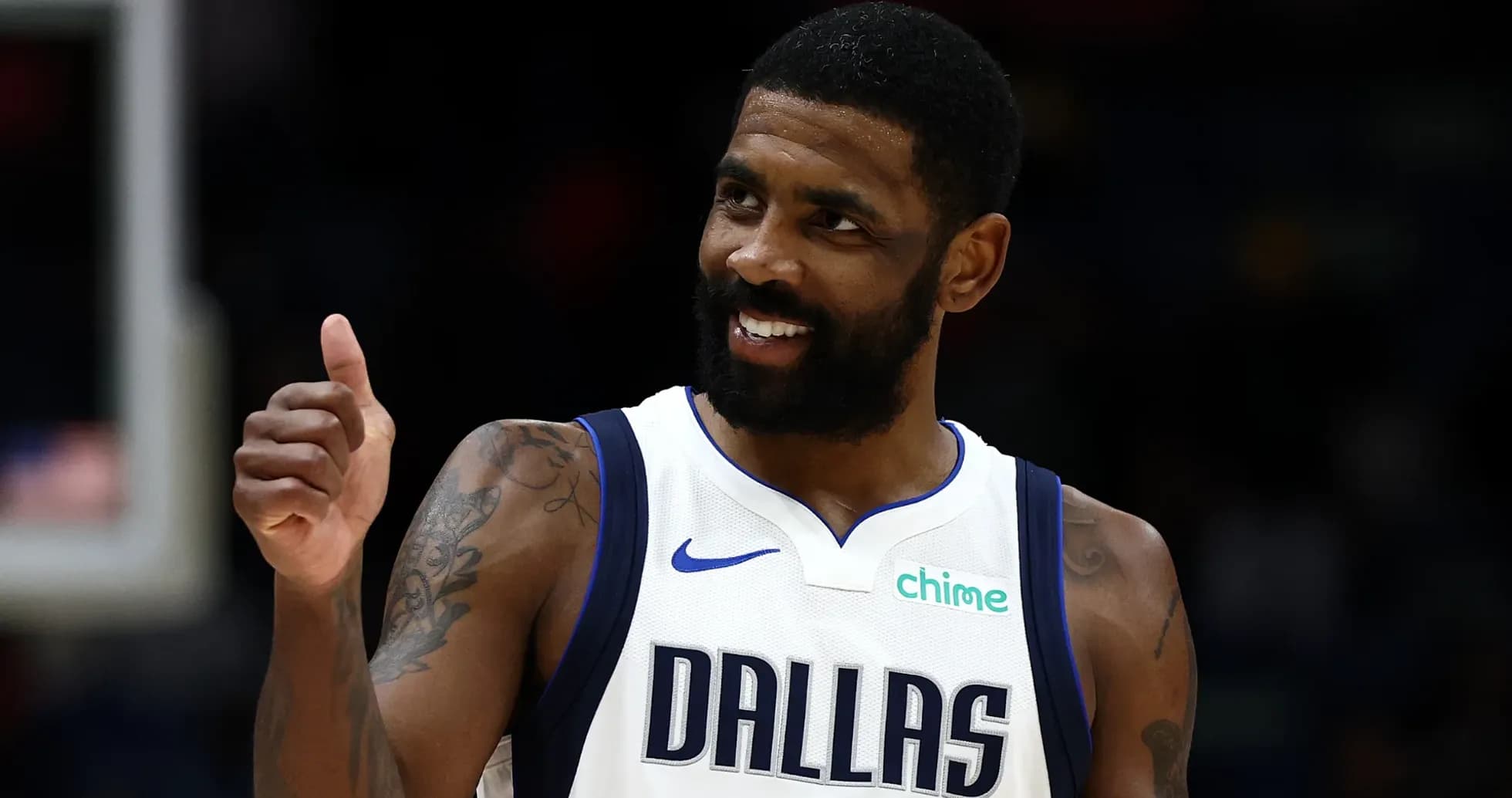
The wild card remains Kyrie Irving. His return from injury gives Dallas the one thing every young team craves: a closer who has seen everything. If Irving holds up physically and Flagg makes the leap from promising to undeniable — an All-Star turn, the kind that changes scouting reports and game plans — Dallas stops being a project and starts becoming a problem.
For now, the Mavericks are exactly what Ujiri wanted: young, ambitious and pointed squarely at the future.
Houston Rockets: Durant Still Hunts, Smart Arrives, Window Stays Open
Houston doesn’t see the need to tear anything up. When you go 52-20 in a loaded Western Conference, you don’t.
Kevin Durant, closing in on 38, just averaged 25 points per game again. Amen Thompson grew into his role. Alperen Sengun took a star turn. The Rockets still crashed out in the first round, but the core showed enough that the front office chose refinement over overhaul.
The tweaks are sharp and deliberate. Bogdan Bogdanović joins to stretch the floor as one of the league’s more efficient shooters from deep. Marcus Smart arrives as the veteran guard who can organize, defend and steady the group when the game starts to fray. Bruce Thornton adds another young backcourt piece.
Gone are JD Davison, Dorian Finney-Smith, Jeff Green, Aaron Holiday and Josh Okogie. Useful role players, but not irreplaceable.
The biggest “addition,” though, never left the building. Fred VanVleet missed all of last season rehabbing. His return reshapes Houston’s backcourt, restoring a stabilizing presence who can handle late-game possessions and lighten Thompson’s load. Smart’s presence behind him means the Rockets can survive injuries or foul trouble without losing their identity.
Everything still orbits around Durant. He remains a scorer who forces double-teams and bends defenses in ways few players on the planet can match. As long as he keeps beating the clock, Houston’s ceiling stays high.
For the Rockets to finally punch through the first-round barrier, Sengun and Thompson must climb again. Another step, not a half-step. If they do, and if VanVleet slots back in smoothly, Houston has the mix of hardened vets and rising stars to sit comfortably in the West’s top five — and then test whether this group is built for May, not just for 50 wins.
Memphis Grizzlies: Life After Ja, Boozer Takes the Keys
Memphis didn’t just turn a page. It closed a book.
Ja Morant, once the electric face of the franchise, is gone at last after months of speculation, traded to the Trail Blazers and taking an era with him. A midseason deal involving Jaren Jackson and Morant’s injuries had already wrecked last season; the Grizzlies limped to 25-57 and never found any rhythm.
Now they’ve chosen a clean break.
The new identity starts with Cameron Boozer, one of college basketball’s standout forces and the man Memphis now expects to grow into its new centerpiece. He brings the size, skill and mentality that front offices covet when they talk about “face of the franchise” material — and in Memphis, that’s not just a slogan. It’s a mandate.
The Grizzlies were busy around him. They brought in Jerami Grant, AJ Johnson, Karim López, Kris Murray, Quinten Post, D’Angelo Russell, Richie Saunders and Isaiah Stewart. They sent out Santi Aldama, Kentavious Caldwell-Pope and, most notably, Morant.
It’s a roster that looks nothing like the one that once sprinted up and down the floor behind Morant’s blur of speed. Instead, Memphis leans into size and versatility: Boozer, Zach Edey, Cedric Coward and Grant form a front line with real heft and variety. Russell offers playmaking and shot creation. Stewart adds physicality inside.
The Grizzlies are not pretending this is a minor adjustment. This is a new team, with a new voice and a new pecking order. The question is no longer how quickly Morant can get back to his best. It’s how fast Boozer can grow into the responsibility now resting squarely on his shoulders.
The era that defined Memphis is over. The next one has already checked in.
New Orleans Pelicans: Waiting Game Around Zion and a Quiet Summer
New Orleans did something it rarely does last season: it watched Zion Williamson stay on the court.
The former No. 1 overall pick played 62 games, a genuinely encouraging step for a player whose career has been defined by absences. Even with that positive twist, the Pelicans finished 26-56 and missed the postseason again. Stability in one place only highlighted instability everywhere else.
The front office chose calm over chaos this summer. No major roster shake-up. No headline-grabbing trade. Just a coaching change and a promise to revisit everything at the trade deadline.
Jamahl Mosley takes over after his stint in Orlando, walking into a familiar assignment. He’s once again asked to shepherd a young core toward something sustainable, this time led by Derik Queen and Jeremiah Fears. New Orleans added Jaron Pierre Jr. and Trendon Watford, while Kevon Looney departed, but the heart of the rotation remains intact.
That continuity cuts both ways. It gives Mosley a clear picture of what he has. It also forces the organization to confront a looming decision: are Dejounte Murray, Jordan Poole and Trey Murphy part of the future or merely assets to be moved?
The answer won’t come now. It will come closer to February, when the Pelicans either push for a spot in the mix or accept that another reset is needed.
Until then, the hope is simple and ambitious all at once: that an All-Star-level force emerges from this group. Maybe it’s Queen or Fears taking a leap. Maybe, finally, it’s Zion putting together the kind of season his talent has promised since draft night.
New Orleans has chosen patience. The clock, however, is still ticking.
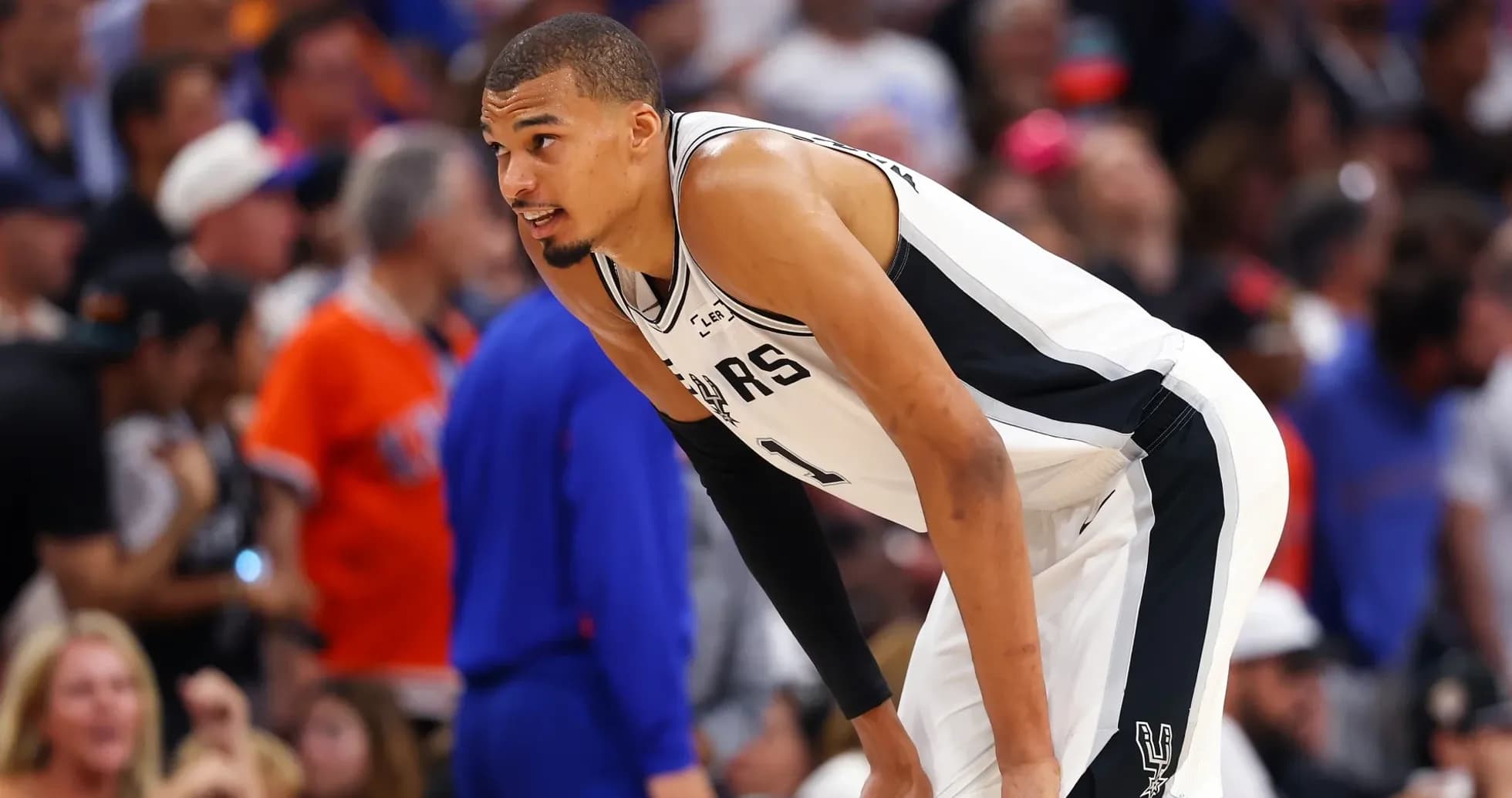
San Antonio Spurs: Wembanyama’s Revenge Mission and Harris’ Last Big Shot
San Antonio climbed the mountain again last season. It just slipped near the summit.
Powered by an MVP finalist campaign from Victor Wembanyama, the Spurs stormed to a 62-20 record and marched back to the NBA Finals for the first time in years. There, they met the Knicks, built big leads, and watched too many of them evaporate. The title slipped away, and with it, the fairytale ending to Wembanyama’s breakout year.
The loss didn’t break anything. It sharpened the edges.
Wembanyama, already the most unique matchup in the league, now carries something else: the sting of coming close and failing. By all accounts, he’s taken it personally, using the disappointment as fuel rather than a burden. For a franchise that has built dynasties on quiet obsession, that matters.
The Spurs’ rotation remains loaded with young, developing talent, and the front office kept feeding that pipeline. Jayden Quaintance and Tarris Reed Jr. arrive as big men from the draft, set to be groomed in the Spurs’ system and insulated from immediate pressure. Maliq Brown and Ja’Kobi Gillespie add more youth to the mix.
The veteran piece is Tobias Harris, fresh off a solid run in Detroit that rebuilt his reputation and set him up for this moment. San Antonio didn’t bring him in to be a savior; it brought him in to be a reliable, playoff-tested scorer who can live in the midrange, space the floor and punish defenses that tilt too heavily toward Wembanyama.
Out go Bismack Biyombo, Kelly Olynyk, Mason Plumlee and Lindy Waters III — depth bigs and role players whose departures clear room for the next wave.
The Spurs are not starting over. They’re retooling on the fly around a generational centerpiece who already knows how close he came. With Harris chasing his first ring and Wembanyama chasing the one that got away, San Antonio enters the new season with a simple, ruthless objective.
Last year, they returned to the Finals. Now the question is whether anyone in the West can stop them from finishing the job.