.svg&w=384&q=75 "logo")
Rui Hachimura's Cross-Town Move and the Clippers' Fallout
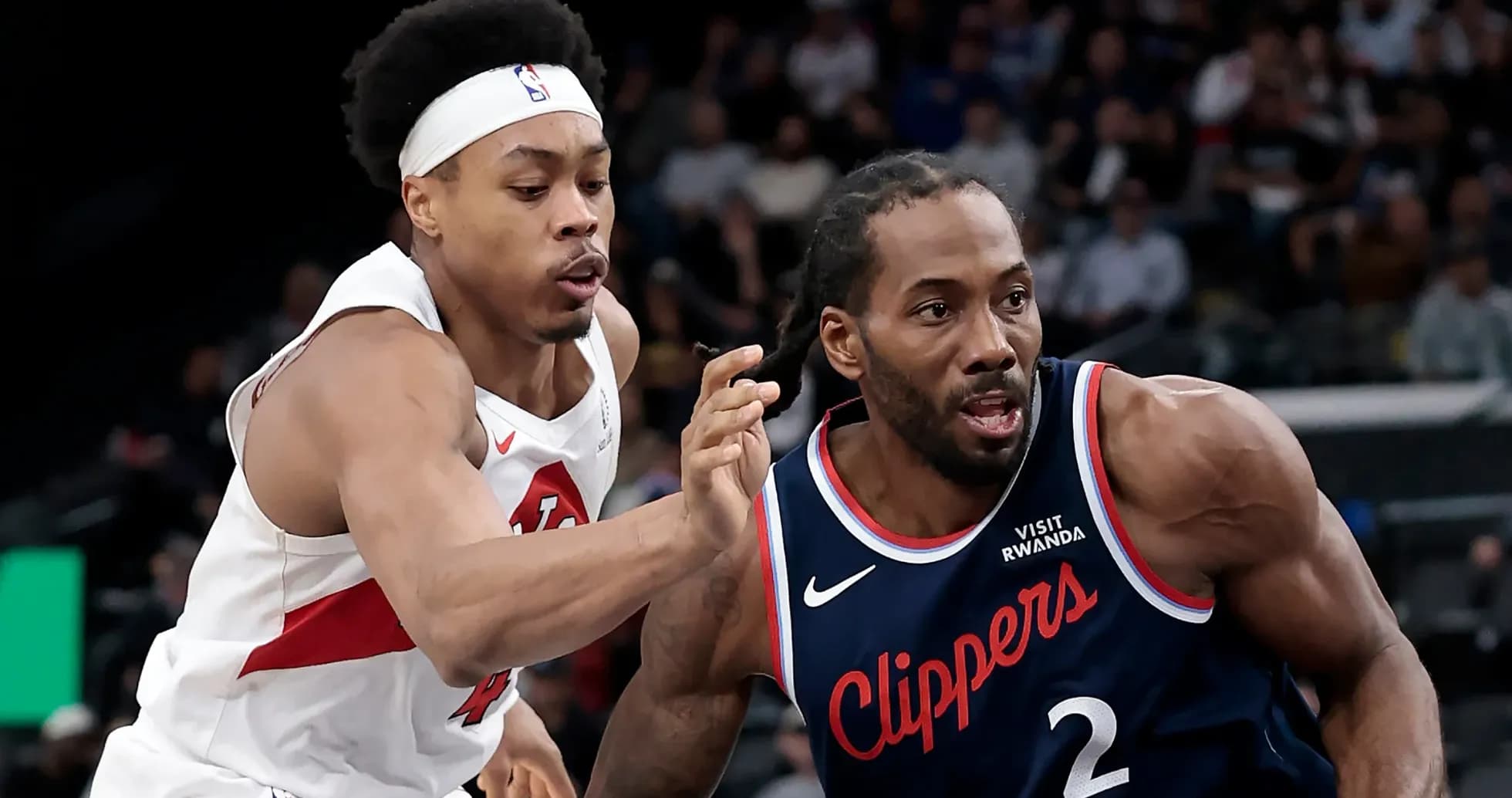
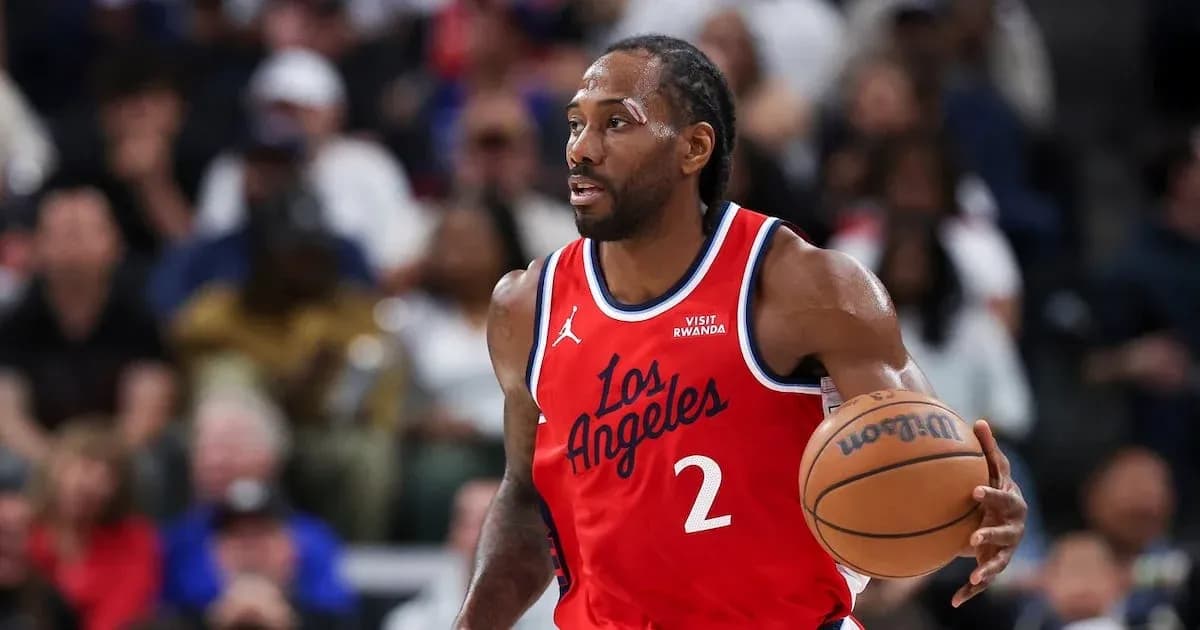
The Los Angeles Clippers woke up to a new reality. The NBA’s investigation into salary cap circumvention involving Kawhi Leonard ended with historic punishment, and the hammer landed hard.
Five future first-round picks gone. Kawhi Leonard fined. Owner Steve Ballmer fined and suspended. An entire franchise, once sold as the slick, data-driven alternative to the chaos across the hall, suddenly looks like the unstable one in town.
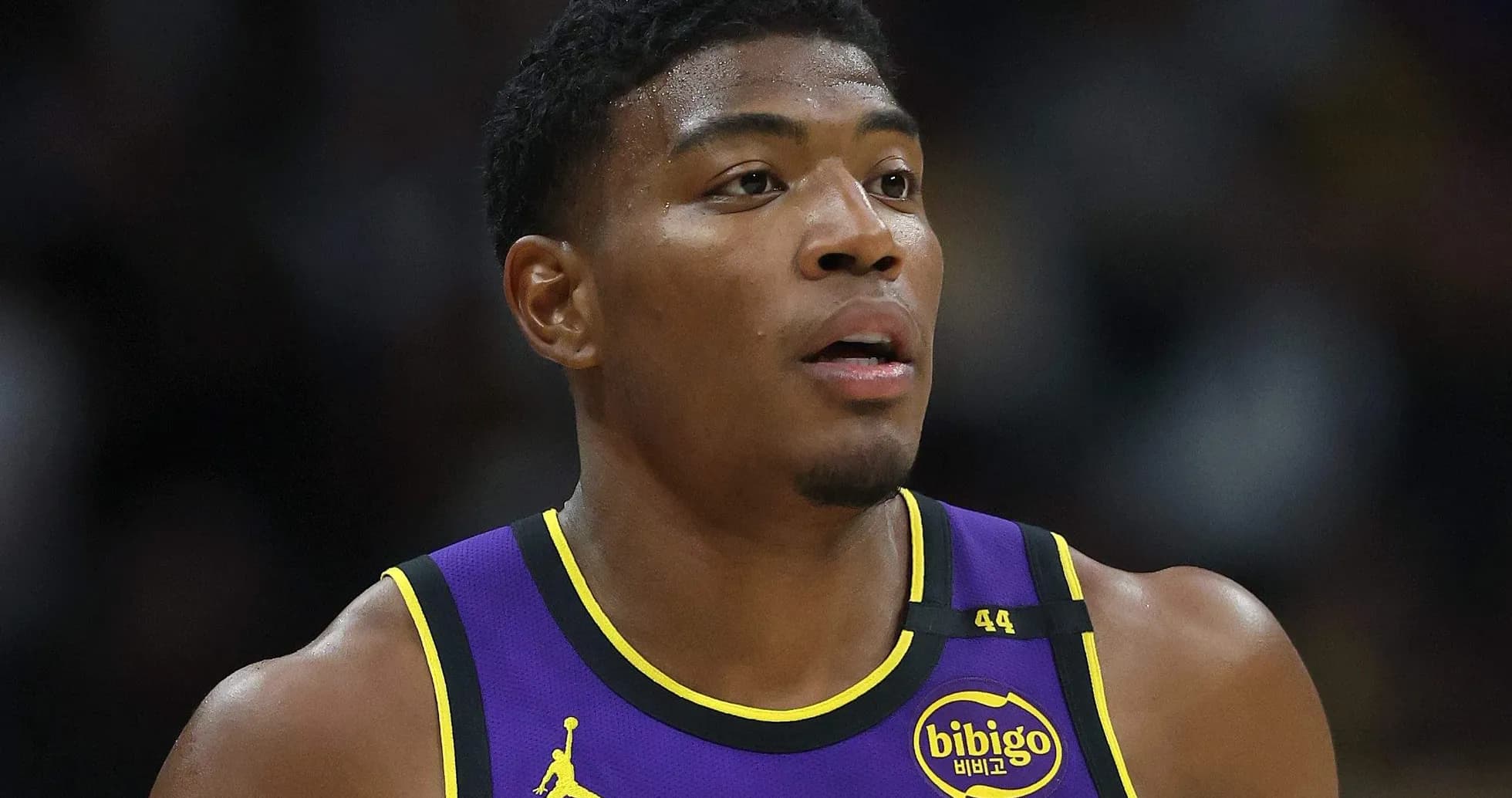
Across the city, the Los Angeles Lakers are watching. So is Rui Hachimura.
A Cross-Town Move Under a Harsher Light
Hachimura, 28, chose this. He walked away from the Lakers in free agency, ending a three-year stretch in purple and gold to stay in Los Angeles but switch locker rooms, signing a two-year, $28 million deal with the Clippers that includes a team option on the second year.
Same city. Same money. Very different outlook today.
On X, San Antonio Spurs analyst Dusty Garza put a sharp edge on a question that has been quietly floating around the league since the penalties dropped.
“Watching the Clippers implode today, you have to wonder if Rui Hachimura regrets his July free agency choice,” Garza wrote.
Garza then laid out the fork in the road. The Spurs, he said, called Hachimura with the full midlevel exception, offering to slot him next to Victor Wembanyama on a rising contender loaded with draft capital and long-term upside. Same dollars: two years, $28 million. The difference? The Clippers deal came with that second-year team option.
“Ouch!” Garza added, summing up the leverage gap in one word.
According to Garza, once San Antonio sensed hesitation from Hachimura, the Spurs pivoted and signed Tobias Harris instead. One door closed as another opened, just not for Rui.
Looking back now, with the Clippers stripped of picks and engulfed in uncertainty, the Spurs scenario looks cleaner, safer, and more aligned with a long-term plan. Hachimura, though, clearly valued staying in Los Angeles. Lifestyle, comfort, familiarity — those factors often win out in free agency, even when the basketball situation is murkier.
Why San Antonio Faded From the Picture
Inside league circles, the Spurs’ interest cooled before any public drama. NBA insider Brett Siegel detailed earlier this offseason why San Antonio ultimately moved on.
“Although the San Antonio Spurs were brought up as a potential suitor for Hachimura earlier this offseason,” Siegel wrote, “he wasn’t viewed as a realistic option for the franchise, sources said. While the organization did speak with Hachimura’s representation, the Spurs were targeting experience and veteran leadership on a short-term contract rather than a long-term commitment. That is why Tobias Harris was the Spurs’ top target, and they didn’t have much interest in Hachimura.”
So the version of events is clear: there were conversations, there was some level of mutual exploration, but the Spurs wanted something slightly different — more veteran seasoning, less developmental overlap. When Hachimura hesitated and San Antonio zeroed in on Harris, the choice effectively evaporated.
Still, the idea lingers: Wembanyama on one side, Hachimura spacing the floor on the other, backed by an organization flush with picks and patience. That’s the alternate timeline people are now talking about as the Clippers absorb their punishment.
Did the Lakers Let a Perfect Fit Walk?
The other layer to this story sits back at Crypto.com Arena, on the Lakers’ side of the hallway.
While the Clippers were securing Hachimura, the Lakers were casting a wider net. Their strong pursuit of Jonathan Kuminga in free agency raised eyebrows, especially given the perception that they didn’t push nearly as hard to keep Hachimura.
On paper, that’s a curious call. Hachimura is the more polished product right now, and he brings one elite skill that every contender covets: shooting.
Last season, he knocked down 44.3 percent of his three-pointers, one of the best marks in the league. He averaged 11.5 points per game, but the raw scoring number doesn’t tell the full story. His spacing opened lanes, his confidence grew, and when the lights brightened, his shooting went from weapon to spectacle.
In the postseason, he turned into a flamethrower. Hachimura buried 57 percent of his threes and averaged nearly 18 points per game, punishing defenses that dared to help off him. For stretches, he looked like exactly the kind of complementary scorer you lock in next to stars and don’t overthink.
He also appeared to mesh well with key Lakers figures, building strong relationships with Luka Doncic in offseason runs and Austin Reaves in the Lakers ecosystem. Chemistry, production, and age were all on his side.
Yet when it came time to commit, the Lakers chose flexibility and other targets. Hachimura chose the Clippers.
A Choice That Looks Different Overnight
Now the context has flipped. The Clippers, already facing questions about health, identity, and ceiling, have been stripped of five future first-round picks and face a murky road ahead. The penalties don’t just hit their asset chest; they cloud the entire project.
For Hachimura, the decision to stay in Los Angeles but switch jerseys made sense on July’s terms. Same money, familiar city, a roster that still looked competitive. Today, with the franchise rocked by sanctions and the future uncertain, that same decision invites second-guessing from the outside, even if he stays publicly committed.
The Lakers, meanwhile, are still searching for answers at power forward. They continue to juggle lineups, experiment with combinations, and debate whether the solution is already in-house or still to be found. Every time they struggle to stretch the floor or generate reliable offense from that spot, Hachimura’s name naturally resurfaces.
He is now the hinge between three franchises: the Clippers, trying to absorb unprecedented punishment; the Spurs, content with Tobias Harris and their Wembanyama-led future; and the Lakers, left to wonder how different their frontcourt — and their season — might look if they had fought harder to keep one of the league’s deadliest shooters in their own building.
In a league where one July decision can reshape years, Rui Hachimura’s choice suddenly feels bigger than a simple cross-town move.