.svg&w=384&q=75 "logo")
Pablo Torre's Investigation Reveals NBA's Harshest Penalty for Clippers
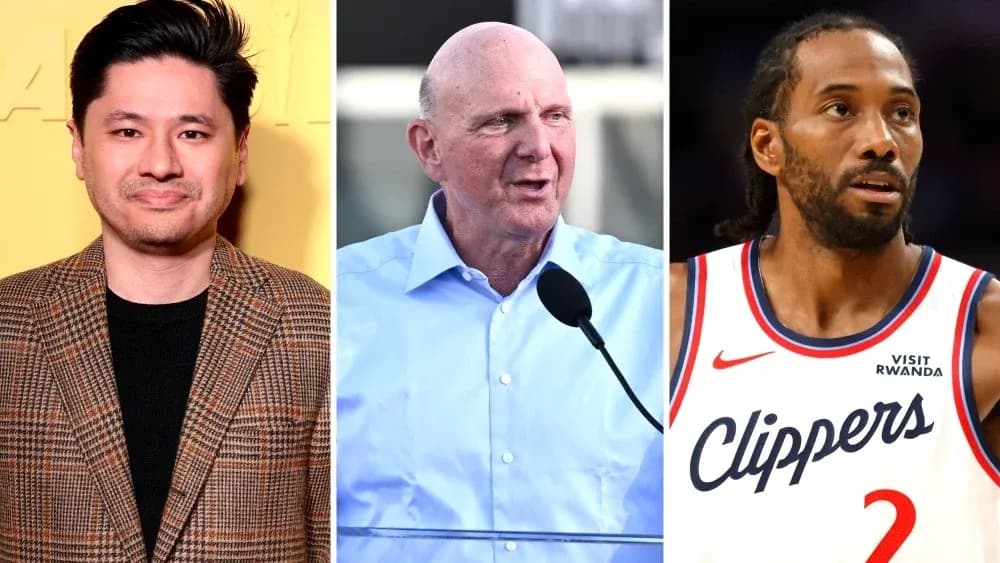
Pablo Torre never expected the NBA to hand him the third act of his own story.
For a year, the journalist-turned-podcaster pushed a sprawling investigation on “Pablo Torre Finds Out,” laying out how the Los Angeles Clippers and Kawhi Leonard allegedly danced around the NBA salary cap with a $28 million no-show endorsement deal from Aspiration. He followed paper trails, sources, and a co-founder now sentenced to 14 years in prison for defrauding investors — including Clippers owner Steve Ballmer.
He got a Pulitzer Prize for it. He also got hammered.
Ballmer furiously denied everything. His billionaire friend Mark Cuban piled on. Former NBA guard Ty Lawson mocked him on a podcast. ESPN, Torre’s old employer, ran a story undercutting his core premise. Puck’s Peter Hamby accused him of chasing “clout and clicks.” The public conversation tilted toward the billionaire and the superstar.
Then Sept. 2 arrived.
The league, having hired Wachtell Lipton to conduct its own investigation, announced the harshest team punishment in NBA history. The Clippers, the NBA said, had “committed multiple significant rules violations.” Leonard, through his uncle Dennis Robertson, had pushed the team to “assist him in obtaining off-court income opportunities, successfully obtaining those opportunities, and failing to reimburse payments by the Clippers for personal expenses.”
The pressure finally told. And it told in Torre’s direction.
The reporter who wouldn’t move
Torre resists the word “vindicated,” even now. He knows what it implies — that journalism only counts once the league office stamps it as real.
His reporting, though, had already mapped out the same terrain the NBA has now publicly confirmed: a franchise stretching the rules to keep a superstar happy, and a star whose camp leaned on that leverage until the system snapped.
What stung him most in the months before the ruling wasn’t the online noise. It was how powerful media institutions handled the story.
On Aug. 17, ESPN published a piece headlined, “Sources: NBA has no evidence Ballmer funneled money to Leonard via sponsors.” The framing cut directly against Torre’s work and, in practice, read like a rebuttal on behalf of Ballmer and the Clippers.
Torre says ESPN never called him before running it. After publication, he sent a statement — “We stand by our reporting. We look forward to the NBA’s ruling. And our investigation continues.” He was told it would be included.
It never appeared.
To Torre, the pattern looked familiar. His own reporting indicated that the Clippers, aided by a crisis PR manager hired by Ballmer, had been shopping a friendlier narrative to news outlets. The ESPN story, he notes, closely resembled the team’s own press release and was swiftly refuted by the NBA’s investigation.
The question that lingers for him is not where the spin came from. It’s why a major outlet, fully aware of his year-long, document-backed series, chose that spin over the work of a journalist they knew well.
Character on trial
If ESPN’s piece stung professionally, the Puck podcast from Peter Hamby cut more personally.
Hamby painted Torre as a clout-chaser, someone more interested in building an audience than in standards. The attack focused less on the reporting itself and more on Torre’s character.
To Torre, it felt like a lecture on journalism from people who hadn’t bothered to fully engage with the work. He saw a publication posturing as a guardian of ethics while, in his view, ignoring the very basics of those ethics in how it framed him.
“Incompetence or malice” is how he now describes the choice. He’s no longer interested in sorting out which.
There were, at least, some public reversals. Cuban and Lawson both apologized. Torre welcomed those apologies, and the way they arrived, but the larger point for him remains: the work should be judged on its evidence, not on who screams loudest or has the largest bank account.
A historic penalty, an uneven bill
When the NBA finally lowered the boom, the numbers were staggering.
- A $30 million fine for the Clippers.
- Five first-round draft picks stripped.
- A year-long suspension for Ballmer.
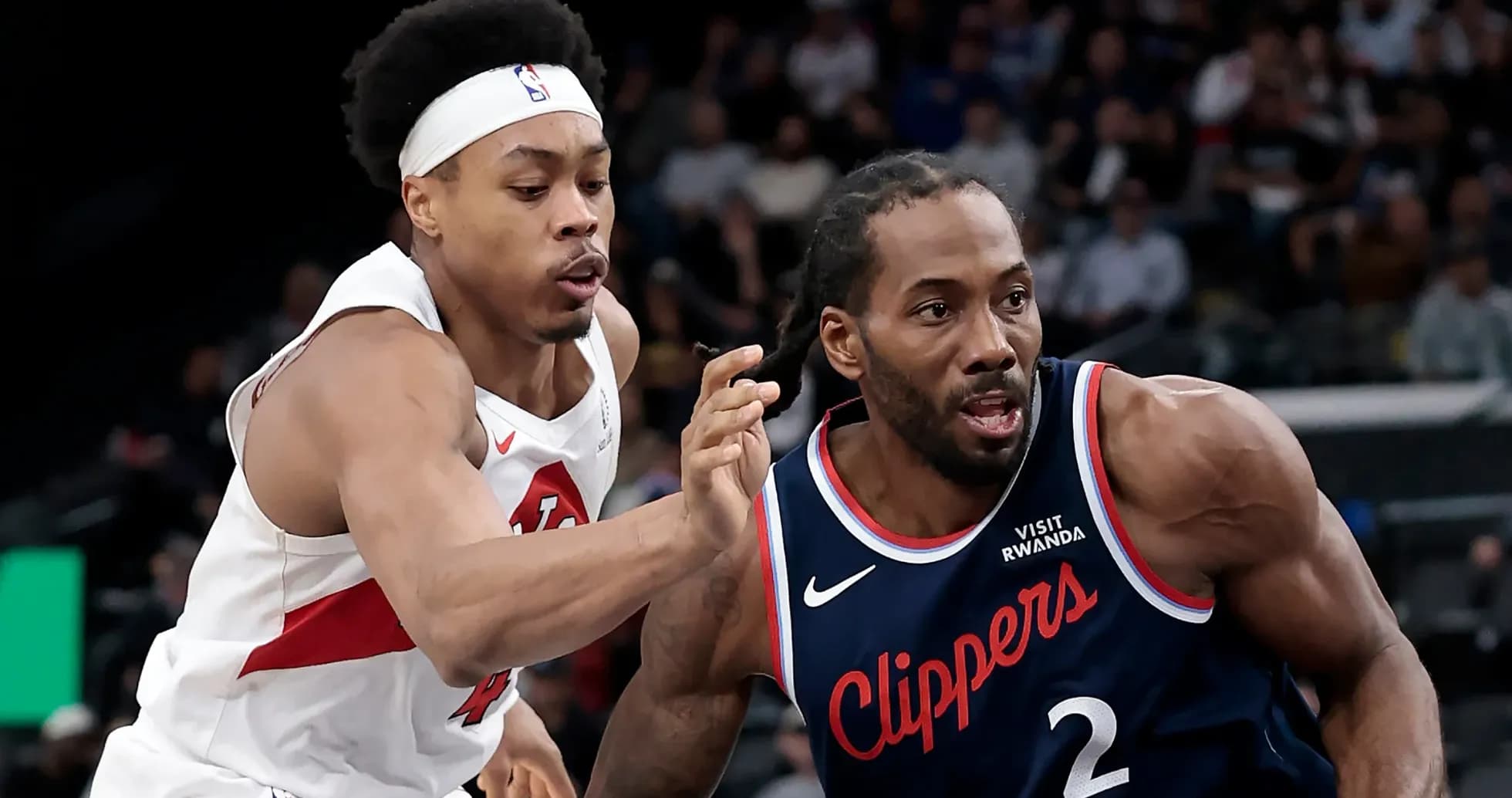
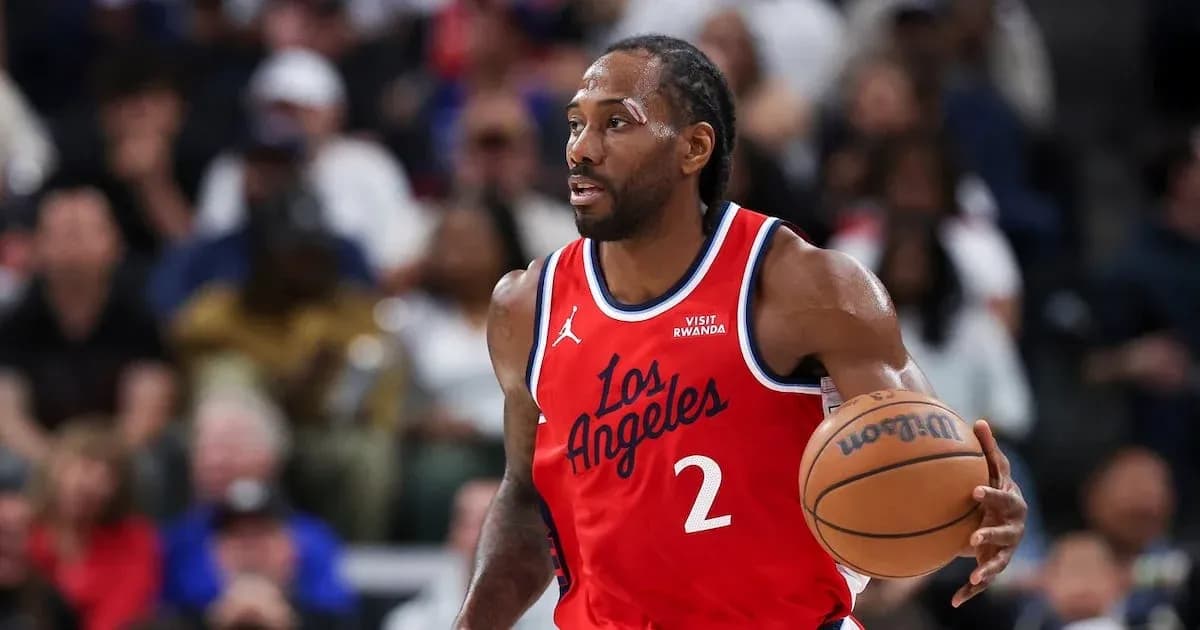
And for Kawhi Leonard? A $700,000 fine. No suspension. The star, who had banked tens of millions, now heads for a fresh start with the Toronto Raptors.
On its face, the imbalance is glaring. Torre’s reporting — and the league’s own findings — place Leonard at the center of the scheme, his uncle driving demands, his signature appearing on documents that undercut the idea he was in the dark.
So why the slap on the wrist?
Torre’s answer lives in the gray zone where truth meets strategy. His reporting indicates the NBA made a calculated choice: keep Leonard’s punishment light to secure a settlement with him and the players’ union. That settlement, crucially, removed arbitration as an option.
That mattered for one man in particular: Steve Ballmer.
Without arbitration, Ballmer’s path narrowed. When the league hit him with its historic penalty, he couldn’t drag the fight into that quasi-judicial arena and potentially expose even more uncomfortable details. His remaining move, Torre notes, is the one he’s now taking — to go to court, sue the NBA, the commissioner, Wachtell Lipton, Torre, and anyone else he believes he can pull into the legal crossfire.
The league’s decision on Leonard, in that light, looks less like a clean reflection of culpability and more like a tactical move to contain the damage.
Kawhi’s words, and the documents that don’t match
Leonard’s statement landed with familiar star-athlete polish: “Integrity and respect for this game are fundamental to who I am. I accept full responsibility for the lapses in judgment by people within my inner circle and regret the distraction this situation has caused the fans and my family.”
The phrasing creates distance. Responsibility is accepted, but only for the “inner circle.” The implication: others erred, he regrets the fallout.
Torre’s files tell a different story.
Leonard, 35, sat in meetings with teams. He knew what his uncle was asking for. Torre says he has documents bearing Leonard’s signature in sections that explicitly attest to his knowledge and consent to the deals now framed as something that happened around him, not with him.
The logic doesn’t add up for Torre. The legal reality does. Leonard gets to issue a statement, accept a carefully calibrated share of blame, and step onto a plane for Toronto.
Left behind is the franchise that wanted him so badly it exposed itself to every vulnerability his camp could find — and an owner now banned from his own team for a year.
What comes next
For all the noise around the Clippers, Torre is clear about what he is not doing. He’s not chasing the New York Knicks. He’s not building a secret file on Jalen Brunson. “They are not a target,” he says. “At the moment I’m absolutely not focusing on the Knicks or Jalen Brunson.”
His attention has already shifted to another power center.
On his podcast, Torre is about to launch part one of a new investigation into Los Angeles Dodgers owner Mark Walter, who is under federal scrutiny over $21 billion in undisclosed loans tied to two insurance companies he owns. Walter recently sold the Lakers to Bob Iger and Joshua Kushner for $12.5 billion, a transaction that has raised its own set of questions.
The new series, Torre says, will again try to turn something dense and technical into a story that feels immediate and public-facing. Federal agencies. Hall of Fame basketball players. A Los Angeles baseball team. Another L.A. saga where money, power and sports blur into one.
This first episode is just the entry point. The reporting has been months in the making, accelerated in recent weeks, and the story will unspool as new information lands.
The Clippers case has already shown what happens when a reporter refuses to back off a story that makes the powerful deeply uncomfortable. Now the league, the media, and a billionaire owner are all living with the fallout.
The next question is simple: who in sports is really ready for what Pablo Torre finds out next?