.svg&w=384&q=75 "logo")
Nick Kyrgios Returns to Tennis After Cocaine Ban
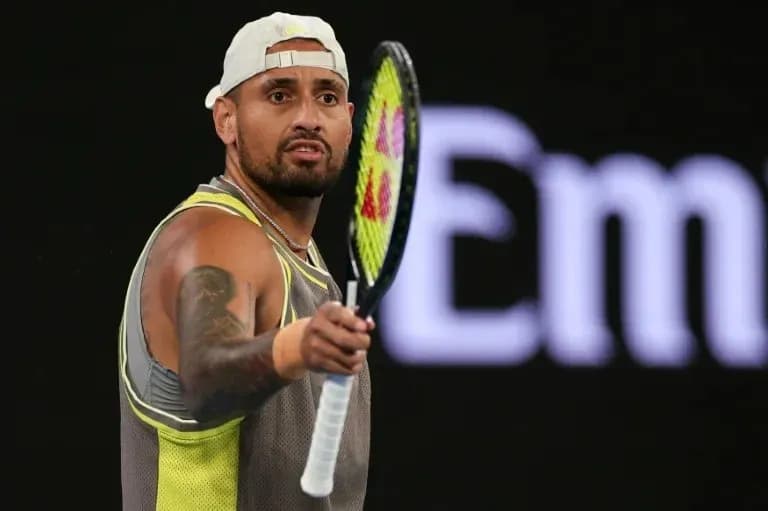
Nick Kyrgios has been cleared to return to tennis after accepting a one‑month ban for cocaine use and enrolling in a treatment programme, in the latest dramatic turn of a career that has rarely strayed far from the spotlight.
The 31-year-old Australian, a Wimbledon finalist in 2022, failed a doping test during an ATP event in Mallorca on June 22 and was provisionally suspended on August 4 by the International Tennis Integrity Agency (ITIA). He admitted then that he had made “a huge mistake”.
On Friday, the ITIA confirmed that Kyrgios’ explanation — that he had taken cocaine socially on a night out before competing in Mallorca — matched the scientific evidence. An independent expert at a World Anti-Doping Agency (WADA)-accredited laboratory found the levels in his sample were consistent with out-of-competition use.
That detail proved crucial.
“As a result, the ITIA accepted that Kyrgios’ use of cocaine was outside of competition,” the agency said.
Under WADA rules, a violation of this type normally carries a three-month ban. The code allows that suspension to be cut to one month if the athlete commits to a recognised treatment programme. Kyrgios has done exactly that, and the ITIA confirmed his sanction has been reduced accordingly.
The governing body stated that his suspension will end on September 3, 2026, contingent on him completing the programme. Any prize money and ranking points earned in Mallorca will be stripped.
For a player who once sat at No. 13 in the world and terrorised opponents with a huge serve and ferocious groundstrokes, the numbers now tell a stark story. Kyrgios is ranked 918, his career stalled by a brutal run of injuries and surgeries, including a full reconstruction of his right wrist in 2024.
His peak remains that electric fortnight on the grass at Wimbledon in 2022, when he surged to the final and pushed Novak Djokovic before losing in four sets. That felt like a potential turning point, a moment when raw talent might finally align with sustained professionalism. It never quite happened.
The body broke down. The schedule thinned out. The comeback attempts became more sporadic.
Kyrgios’ most recent appearance came as a wildcard in the men’s doubles at Wimbledon this July, partnering Alexander Bublik. They exited in the first round, a brief and subdued cameo for a player used to owning the stage on Centre Court.
When news of his failed drug test broke last month, Kyrgios chose to address it directly. On Instagram he confirmed he had tested positive for cocaine in Mallorca and did not try to shift the blame.
“I made a huge mistake and I take full responsibility for it,” he wrote, apologising to fans, family, sponsors and, pointedly, “the kids who follow me”. He acknowledged the example he sets and said he was “deeply disappointed” in himself.
The admission, the shortened ban, the treatment programme: together they offer a narrow path back for one of the sport’s great enigmas. Kyrgios now has a return date, a clear condition to meet, and time — again — to decide what he wants the final chapters of his career to look like.