.svg&w=384&q=75 "logo")
David Moyes Reflects on Everton's Disappointing Deadline Day
David Moyes has been in football long enough to know transfer windows rarely follow the script. This one still stung.
Everton’s manager admitted he “wanted to do more business” on a deadline day that promised a major attacking reshuffle, flirted with a marquee signing, and ended with a sense of what might have been.
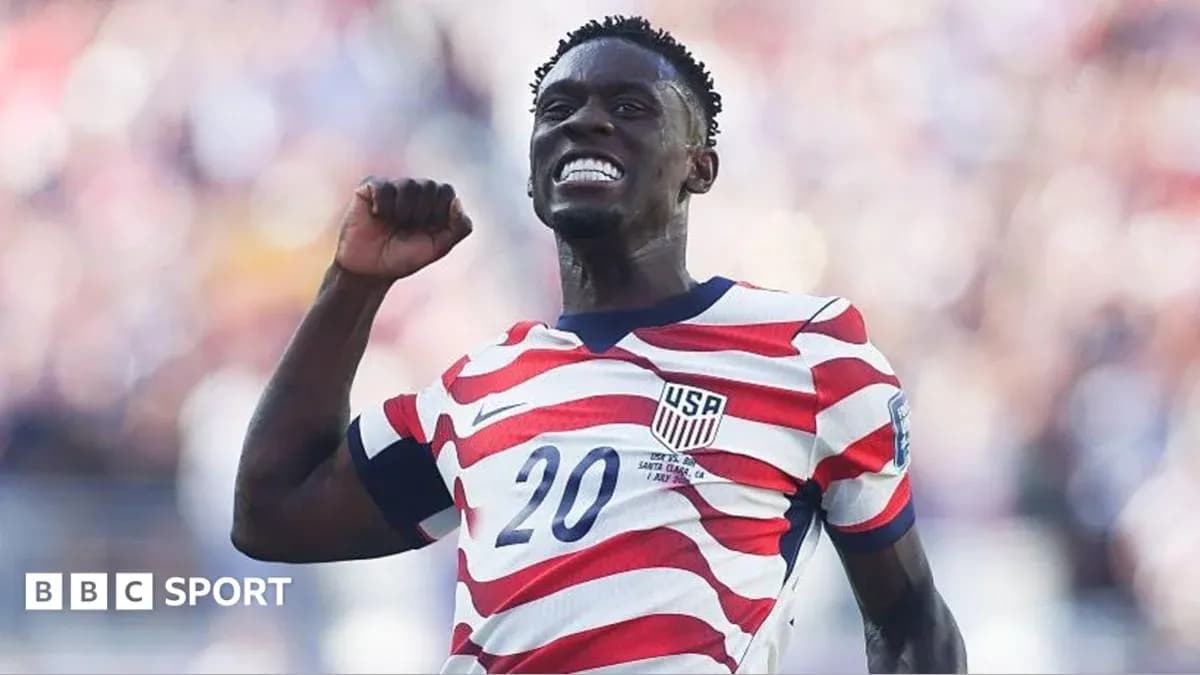
The headline twist came with Folarin Balogun.
Everton thought they had their man. A £40m fee agreed with Monaco, the United States international at Finch Farm, the medical under way, the deal sheet lodged before the 23:00 BST cut-off to buy precious extra time. All the familiar choreography of a big late move.
Then it collapsed.
Issues in the medical forced Everton and Monaco back to the table to renegotiate the structure of the deal. As talks dragged and the clock ticked, Balogun changed his mind. The 25-year-old walked away, leaving Moyes without the striker he had lined up to spearhead his new-look front line.
“It wasn’t anyone’s fault and ultimately it happens in football as the player had a problem in his medical and that was simply it,” Moyes said. “There are no other stories behind it. That is exactly what happened.”
The pressure had already been cranked up by Iliman Ndiaye’s departure.
Everton lost their star attacker to Manchester City in a £65m move, a sale Moyes admitted was never in his plans but became unavoidable once the champions arrived with serious money.
“We were looking to get some money in,” he said. “We lost Iliman Ndiaye, which is someone who we definitely didn’t want to lose, but sometimes it is difficult when the likes of Man City come along.”
Ndiaye leaves behind 15 goals and four assists from 67 Premier League appearances in blue, but more than that, he takes with him Everton’s most reliable spark in the final third. Selling him was meant to fuel a rapid rebuild. The reality proved more complicated.
The club had already moved to bring in Beto earlier in the window, only for the Guinea-Bissau striker to head out to Fiorentina in a permanent deal. That exit nudged Balogun to the top of the list late on, with Everton scrambling to reshape a forward line losing both power and creativity.
Just as they tried to pivot, the door kept slamming.
Talks were held for Manchester United’s Joshua Zirkzee and Aston Villa’s Tammy Abraham. Both were seen as realistic options, both fit the profile Moyes wanted, but Everton could not convince either to make the move. The manager was left to watch as potential solutions slipped away one by one.
There were wins, just not enough of them to mask the frustration.
Jack Grealish arrived on a season-long loan from Manchester City, a high-profile addition who instantly softens the blow of Ndiaye’s exit in terms of name recognition and creative pedigree. On the right side of defence, Ainsley Maitland-Niles joined from Lyon in a £3m deal, adding versatility and Premier League experience to a back line that needed depth.
At the other end of the pitch, though, another target disappeared. Everton pushed to sign Kenny Tete, only for Fulham to hold firm when they could not secure a replacement. With that, another carefully drawn-up plan went in the bin.
“I am disappointed that we didn’t do more business and things didn’t go our way in the end,” Moyes said. “Sometimes in football you have to live with disappointments and move on, and we will.
“Some things went against us and some things we could have done better. Ultimately we didn’t want to lose a lot of the different players but for reasons that had to happen.”
The window closes with Moyes caught between two realities. He has Grealish to thread passes, Maitland-Niles to plug gaps, and a core he still trusts. He also has a squad minus its most dangerous forward, without the marquee striker he chased until the final minutes.
Now he has to make this version of Everton work.