.svg&w=384&q=75 "logo")
Monza Weekend Verdict on Monaco: Chaos Continues
The Temple of Speed is supposed to be about what happens on track. At Monza, the stopwatch briefly stepped aside for the rulebook.
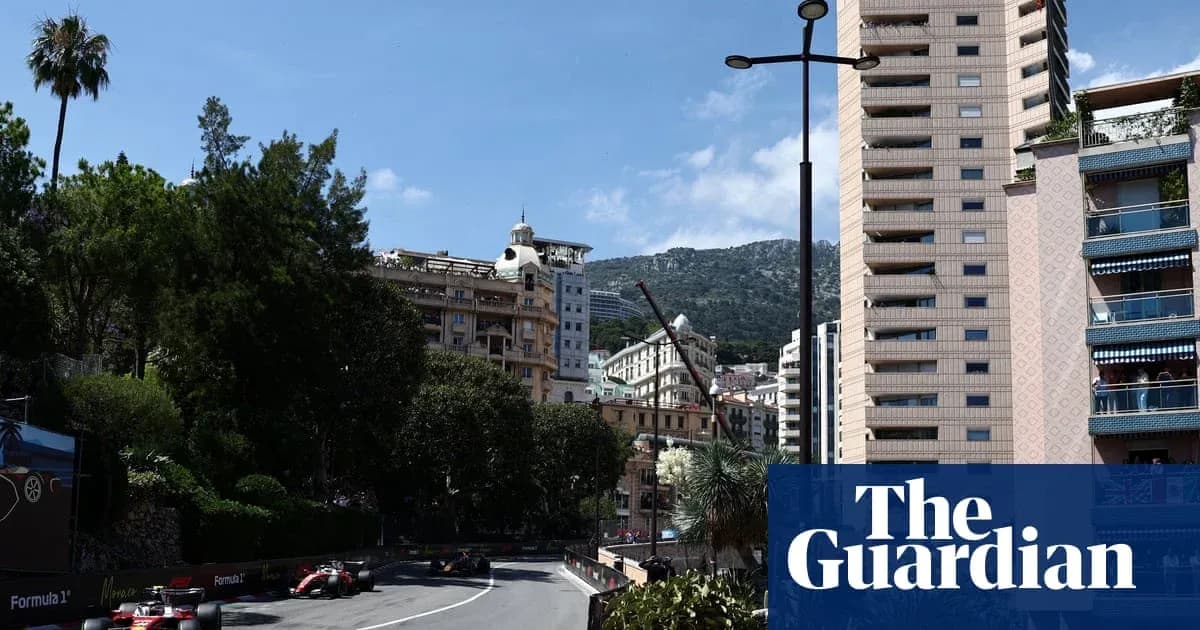
Almost three months after the chequered flag fell in Monaco, the long-running dispute over the Grand Prix result finally landed with a thud. Pierre Gasly lost his hard-fought podium. Isack Hadjar inherited third place. And the sense of procedural chaos that has stalked the series this season only deepened.
Gasly’s case had already become a labyrinth. He crossed the line in third, dropped down the order after a pit-lane speed-related time penalty, then climbed back to the podium when an initial protest went his way. That should have been the end of it. Instead, at Monza, the final ruling reversed his fortune again and handed the trophy to Hadjar.
One saga closed, another one opened.
Audi threatens protest over Monza result
Barely had the dust settled on the Monaco decision when Audi raised its hand over what happened in Italy itself. This time, the issue was not a penalty that ruined a race, but the absence of one that might yet reshape the points.
Yuki Tsunoda, drafted in at Racing Bulls to replace Liam Lawson – who was himself standing in for Isack Hadjar at Red Bull Racing – finished tenth at Monza, grabbing the final point on offer. Just behind him, in 11th and 12th, came the two Audi drivers, Gabriel Bortoleto and Nico Hülkenberg. Close, but not close enough. No points, no reward.
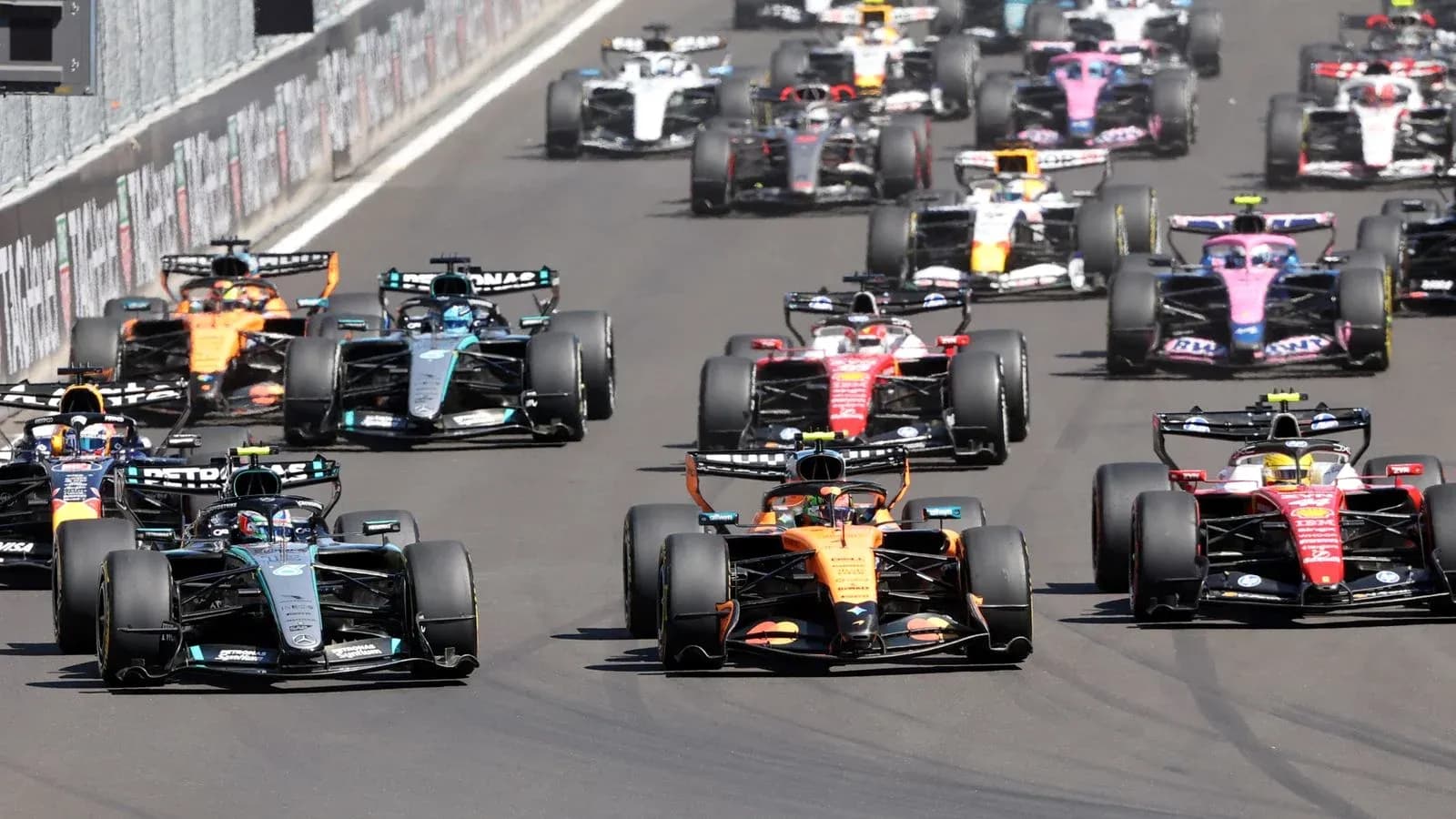
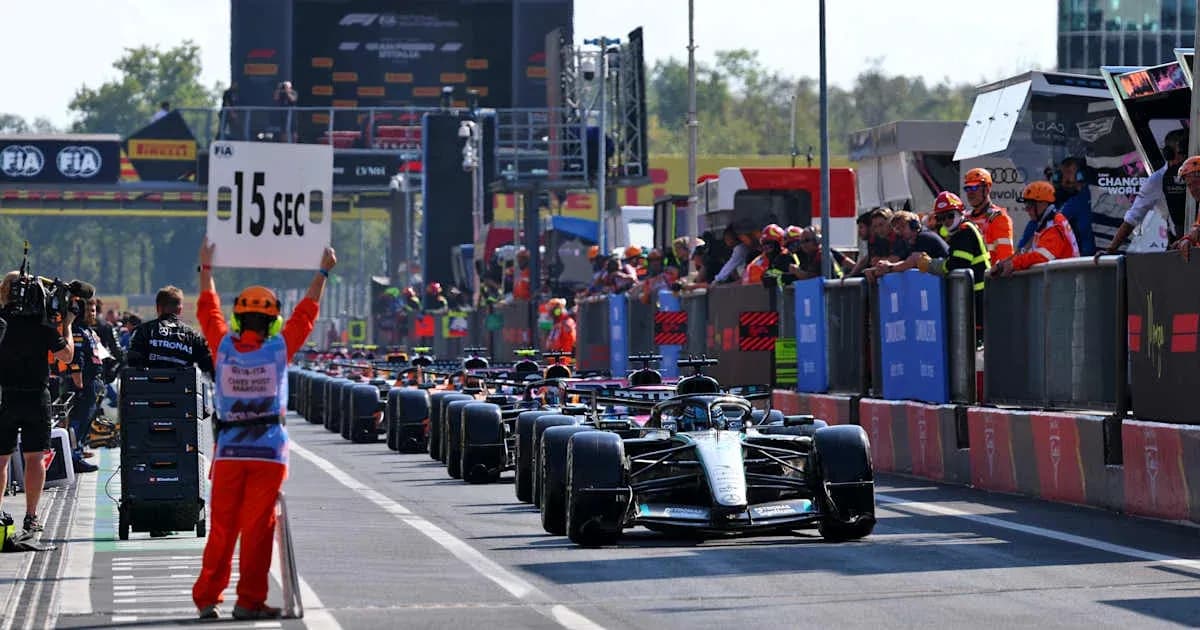
For Audi, the key moment came at the restart after Charles Leclerc’s crash brought out the red flag.
Restart chaos under the spotlight
On his way back to the grid for the restart, Tsunoda lined up on the wrong side. His designated slot was on the right, yet he initially pulled up to the left, then cut across late and ended up slightly crooked in his proper starting box.
Race director Rui Marques didn’t like what he saw. The start was aborted. One more formation lap was ordered.
That detail matters. Under the regulations, a driver who causes an extra formation lap is supposed to start from the pit lane. Tsunoda did not. He took up his place on the grid for the second restart attempt and went on to secure tenth place, untroubled by any instruction to peel into the pits.
An investigation followed. The stewards examined whether Tsunoda had breached the starting procedure and whether his actions had, in fact, triggered that extra formation lap. If so, a stop-and-go penalty should have followed – in race terms, usually converted into a hefty 30-second time penalty when applied after the fact.
They chose not to act.
Their reasoning, in brief, was damning in one direction and forgiving in another. Tsunoda and his team, they argued, did not know they were being treated as the cause of the additional formation lap. His car, while awkwardly placed, was not officially classified as being in an incorrect starting position. The extra lap, they said, had been ordered in good faith and on safety grounds, not as a direct sanction against one driver. On that basis, no stop-and-go, no time penalty, no change.
Audi’s window of opportunity
Audi did not let it slide. Within the mandatory one-hour window after the race, the German-Swiss outfit notified officials that it was considering a protest. That simple declaration keeps the door open.
From Sunday evening, the team has 96 hours to decide whether to push the matter formally. It can still walk away. But if it goes ahead and the protest succeeds, the impact is clear.
Tsunoda would likely receive a retrospective time penalty equivalent to a stop-and-go – typically 30 seconds added to his race time. That would drop him out of the points and lift both Audis up a place, with Bortoleto promoted to tenth and finally on the scoreboard.
Monza, then, may yet rewrite its own story days after the engines fell silent. One question hangs over the paddock: in a season already riddled with procedural flashpoints, how many more races will be decided long after the podium champagne has dried?