.svg&w=384&q=75 "logo")
Monaco Grand Prix Penalties: McLaren and Red Bull Win Appeals
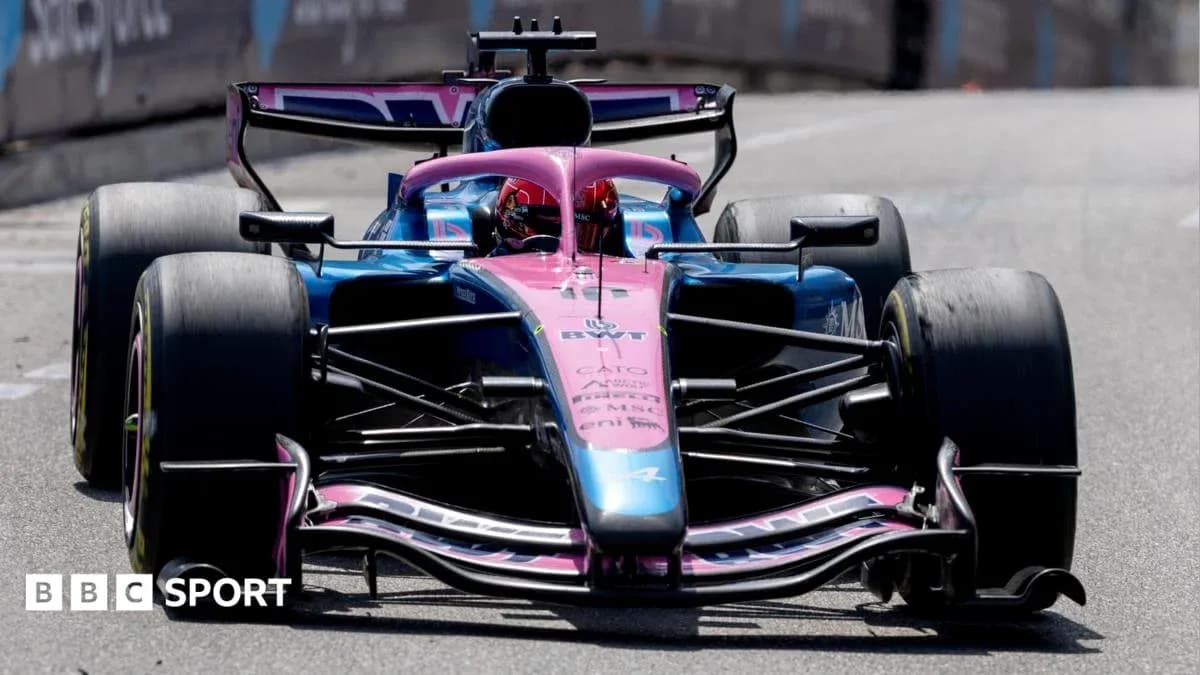
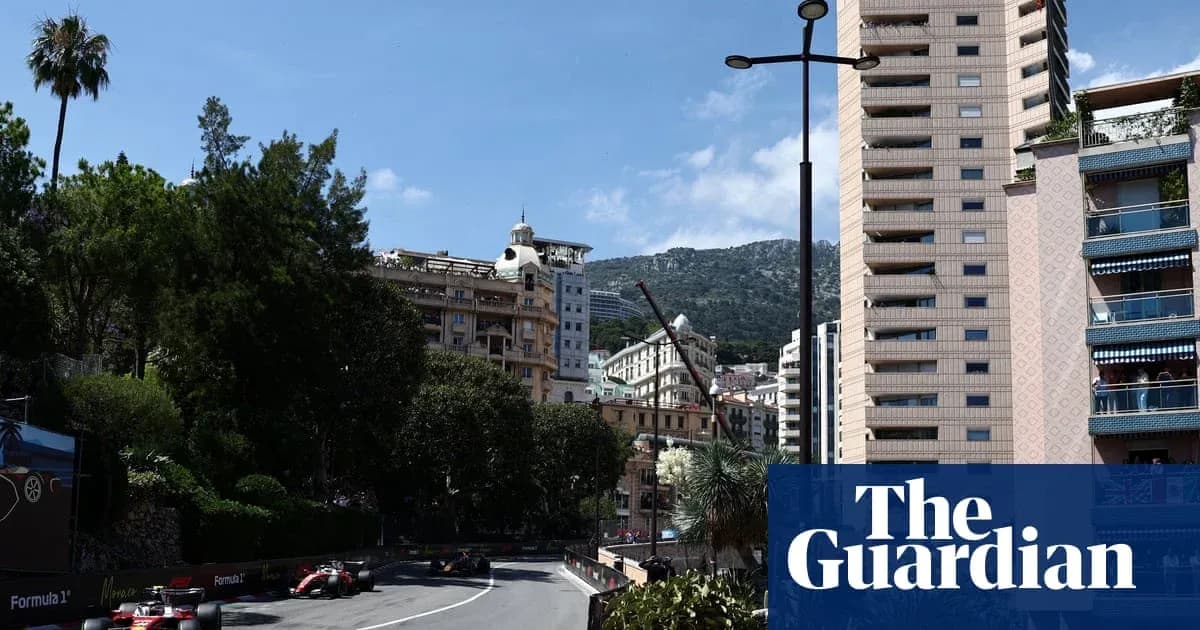
McLaren and Red Bull have won their appeals over the chaotic Monaco Grand Prix pit-lane penalties, tearing up the reshuffled result and knocking Pierre Gasly off the podium he thought he had reclaimed.
Gasly, who finished third on the road in Monte Carlo, had been promoted back to the podium after Alpine successfully argued he had not actually sped in the pit lane once a new, shorter measurement of the pit-lane distance was applied. Now that ruling has been overturned. The Frenchman drops back to seventh – the position he originally received in the official classification.
In his place, Red Bull’s Isack Hadjar is restored to third, with McLaren’s Oscar Piastri back up to fourth. Racing Bulls pair Liam Lawson and Arvid Lindblad move into fifth and sixth.
A 77-centimetre problem
At the heart of the row lies a detail so small it barely spans the width of a front wing: 77 centimetres.
The pit lane at Monaco was officially measured at one distance. After the race, it emerged that the true shortest legal line a driver could take was 77cm shorter. That matters in F1, where pit-lane speed limits are enforced by average speed over a defined distance. Change the distance, change the speed.
Using the revised, shorter route, Alpine demonstrated that Gasly had not exceeded the limit and had therefore been wrongly penalised. Two five-second penalties were struck off, and with them came his return to the podium.
But that decision opened a trapdoor beneath the rest of the field.
Drivers such as Piastri had taken their medicine, serving five-second penalties for pit-lane speeding during the race. Others, like Mercedes’ George Russell, were punished even more harshly: he fell out of the points after being penalised for not correctly serving a pit-lane speeding penalty in the first place.
Sporting fairness at the centre
Both teams went to the court of appeal arguing that you cannot change the parameters of a race after it has been run. The judges agreed.
The court ruled that once teams had been informed of the pit-lane distance and had calibrated their systems accordingly, that measurement became the common reference for the entire event. Discovering after the race that a slightly shorter line was possible did not automatically make the official distance wrong.
The panel’s written reasoning was blunt. While a shorter line could be drawn, “what sporting fairness absolutely precludes is the retrospective replacement, after competitors have calibrated and competed against it, of the common event-wide calibration parameter itself by a different geometric or measurement approach for the purpose of re-adjudicating an individual competitor's result”.
In simple terms: you can’t move the goalposts after the final whistle.
That principle underpinned the reversal of Alpine’s successful appeal and restored the original penalties that had shaped the Monaco result. Gasly’s podium vanished. Hadjar’s came back. Piastri regained the two points he had lost.
Wider damage left untouched
The ruling, though, only partially cleans up the mess.
The original wave of pit-lane speeding penalties hit several drivers and scrambled the midfield. Russell’s race is the most obvious example: he was first penalised for speeding in the pit lane, then penalised again for not serving that sanction correctly, and tumbled out of the points.
The court’s decision confirms the framework used on the weekend but does not untangle every knock-on effect. The penalties that stood on Sunday now stand again. The drivers who shaped their strategies around them must live with the consequences.
Alpine’s frustration
Alpine, unsurprisingly, are furious but resigned.
In a statement, the team said: “While we disagree with the decision, and still fully maintain that car 10 (Gasly) did not exceed the pit-lane speed limit at any point during the race, the team acknowledges the decision of the judging panel from the recent hearing in Paris.
“While the result is not what we had hoped for, as we feel that we have been unjustly punished, the team is firmly focused on continuing to improve its performance on track and remains in a close and very competitive championship fight.”
They leave Monaco with a sense of injustice, a lost podium, and a lingering belief that the data proves their man innocent – just not under the rules the court insists must apply.
For McLaren and Red Bull, the outcome restores what they see as order and consistency. For Alpine and Gasly, it stings. For the rest of the grid, it is a sharp reminder that in modern Formula 1, a few centimetres of tarmac and a line on a diagram can decide not just a race, but the shape of a season.