.svg&w=384&q=75 "logo")
MLS Returns to the U.S. Open Cup: A Long-Awaited Comeback
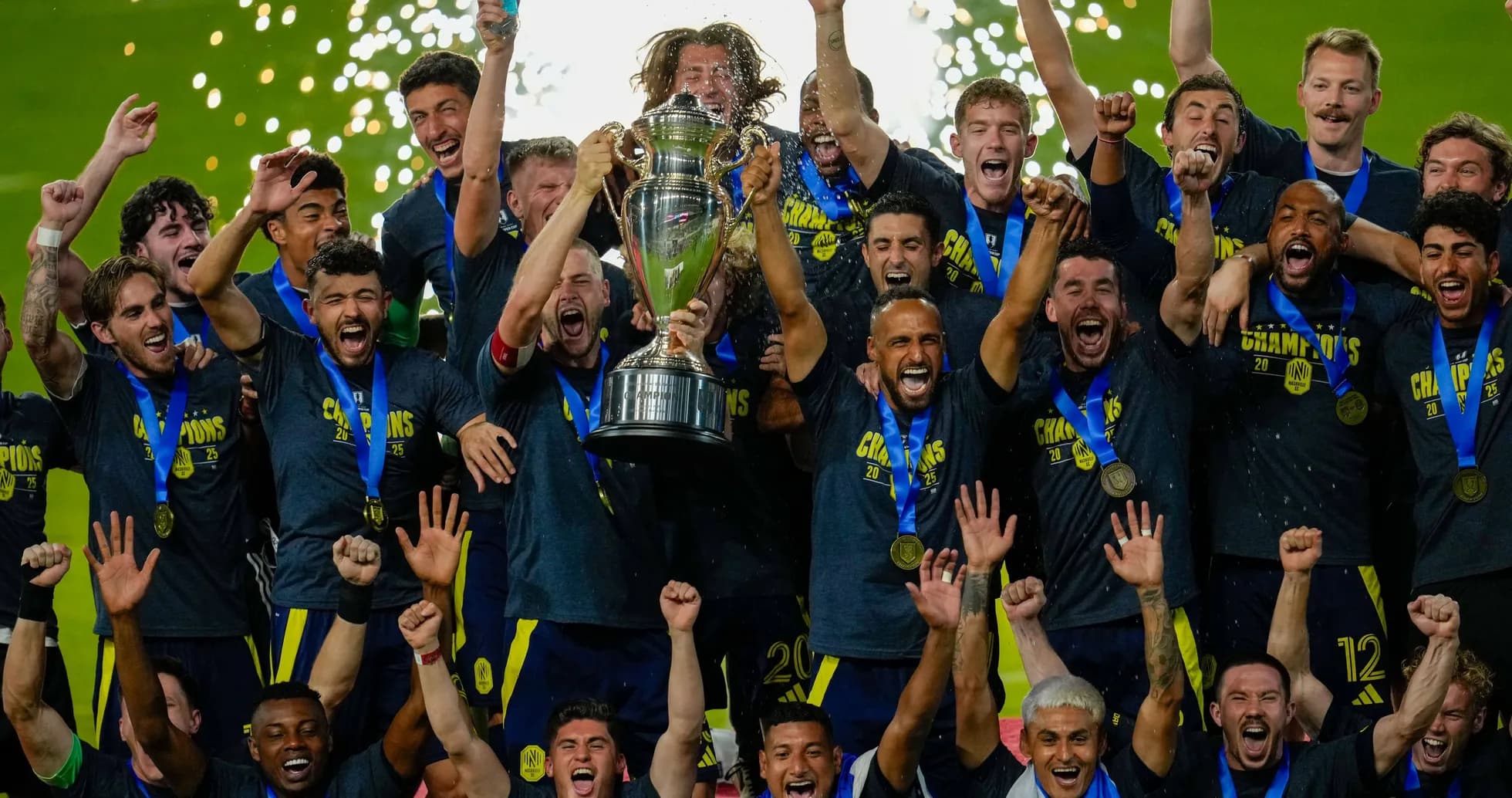
MLS is heading back into the U.S. Open Cup – on its own terms.
After sitting out the 2023 edition and igniting a fan revolt, the league’s first teams will rejoin the historic knockout competition, entering in the round of 64, scheduled for mid-July. Crucially, they will do so with hosting rights, meaning lower-division and even amateur clubs will likely be the ones boarding planes and buses for a shot at a giant-killing in MLS stadiums.
It’s a return that feels both inevitable and overdue.
From boycott to buy‑back
MLS turned its back on the tournament in 2023, pointing to fixture congestion as the calendar buckled under the weight of league play, the expanded Leagues Cup, and other commitments. The league floated a compromise: let MLS Next Pro sides, effectively reserve teams, take their place in the Open Cup.
That idea went nowhere. The proposal was rejected, and the optics were brutal. A competition that has been played in some form since 1914 suddenly looked expendable to the country’s top division.
Supporters did not take it quietly. The expanded Leagues Cup, dropped into the heart of the summer, overlapped with the traditional Open Cup window and quickly became the lightning rod. Fans accused MLS of abandoning the nation’s oldest soccer competition for a shinier, more lucrative product.
In Seattle, the backlash was particularly fierce. Sections of Seattle Sounders supporters boycotted Leagues Cup matches, making it clear where their loyalties lay. For them, and for many around the league, the Open Cup isn’t a scheduling nuisance. It’s part of the sport’s fabric in the United States.
Now, with MLS clubs re-entering at the round of 64 and playing at home, the league has edged back toward the tradition it briefly tried to sidestep.
A lifeline and a spotlight for the lower tiers
The decision doesn’t just soothe MLS fan bases. It lands as a major boost for USL and the amateur game.
USL is on the brink of its own transformation. The league is set to become a Division I competition in 2028 and adopt a promotion-relegation model in the same year – a structure MLS has steadfastly refused to entertain. In that context, a fully stocked Open Cup, with MLS back in the draw, becomes a bigger, sharper stage for the country’s growing pyramid.
Every year, 32 amateur teams enter the tournament. For them, the promise is simple and intoxicating: one good run, one big night, one upset that lives forever. The guarantee that MLS sides will host might tilt the logistical burden, but it also hands those smaller clubs a chance to play under bigger lights, in bigger venues, in front of bigger crowds.
For USL clubs, the stakes rise too. The clearer their ambitions at the top of the professional game, the more valuable these head-to-head clashes with MLS become. Bragging rights today, maybe something more symbolic tomorrow.
A century-old competition still swinging
For all the friction of the past few years, the Open Cup has proved stubbornly resilient. The 2026 edition is rolling on with force: four semifinalists, all from MLS, are set to battle for a place in the final on September 14.
The tournament has survived world wars, league collapses, and countless rebrands. It has outlived clubs, owners, and entire eras of American soccer. It began in 1914; it remains, in 2026, a live wire in the calendar.
Now MLS is back in the bracket with its first teams, the lower divisions are growing bolder, and the amateur ranks still send 32 hopefuls into the fray every year.
The question is no longer whether the U.S. Open Cup will endure. It’s how fiercely the next generation of clubs and fans will fight to make it matter even more.