.svg&w=384&q=75 "logo")
Mixed Martial Arts at the Asian Games: A Step Towards Olympic Inclusion
NAGOYA — Once denounced in the United States as “human cockfighting” and hounded out of mainstream sport, Mixed Martial Arts has arrived at a stage that would have been unthinkable three decades ago: the Asian Games.
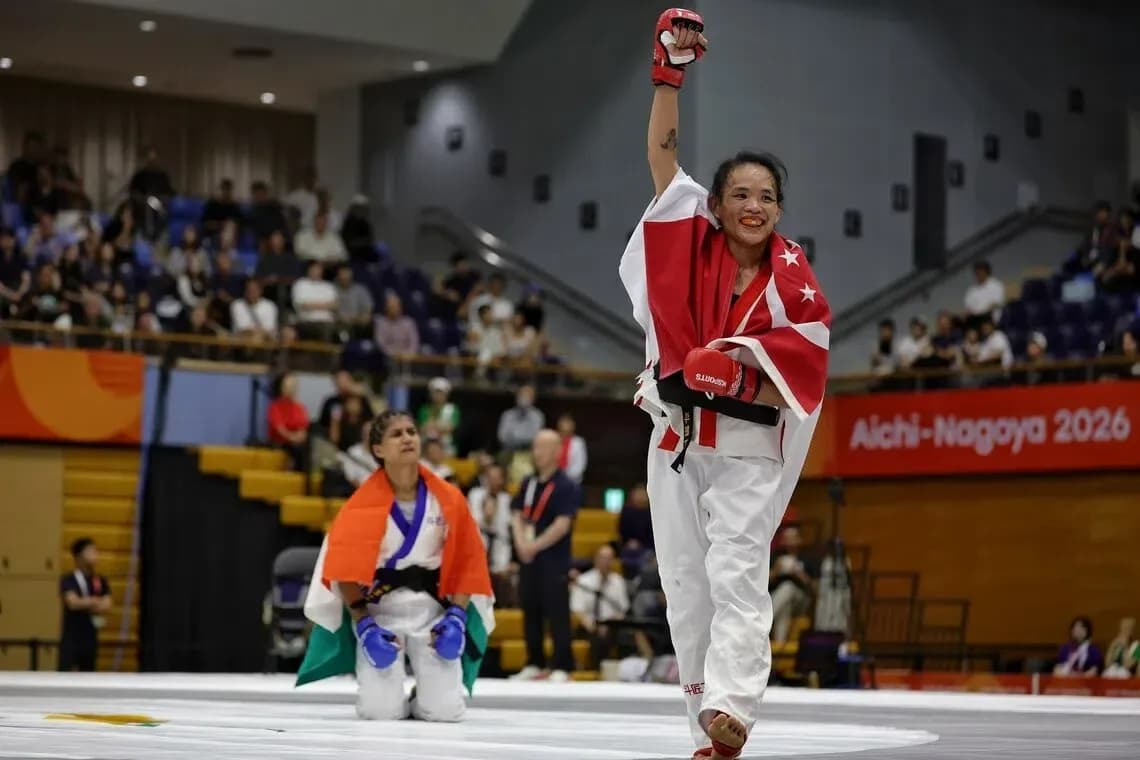
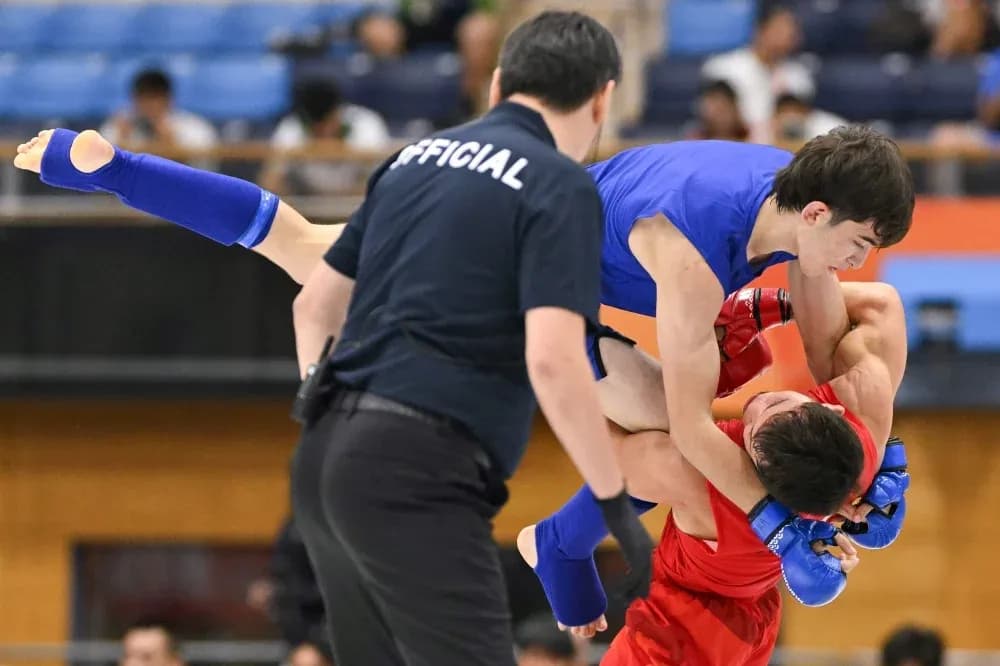
In a modest hall in Nagoya, far from the pyrotechnics and bombast of a UFC pay-per-view, men and women are trading punches, kicks and takedowns under the banner of a multi-sport Games. No flashing lights. No walkout music. Just the thud of leather on pads, the crack of low kicks, and a crowd that understands exactly what it is watching — a sport fighting for its Olympic future.
“This is a big step,” said Galastein Tan, director general of the Federation of International Mixed Martial Arts, watching on as bouts unfolded on a simple white-and-grey mat. For him and his colleagues, the significance is clear: continental inclusion is the gateway to the Olympic conversation.
“As for any sport, the inclusion in the continental games is critical,” he said. “The inclusion means that you already have a good governance structure, you have enough members, athletes to be able to compete, your ruleset, your officials are ready and therefore it is a significant one.”
No cage, same fight
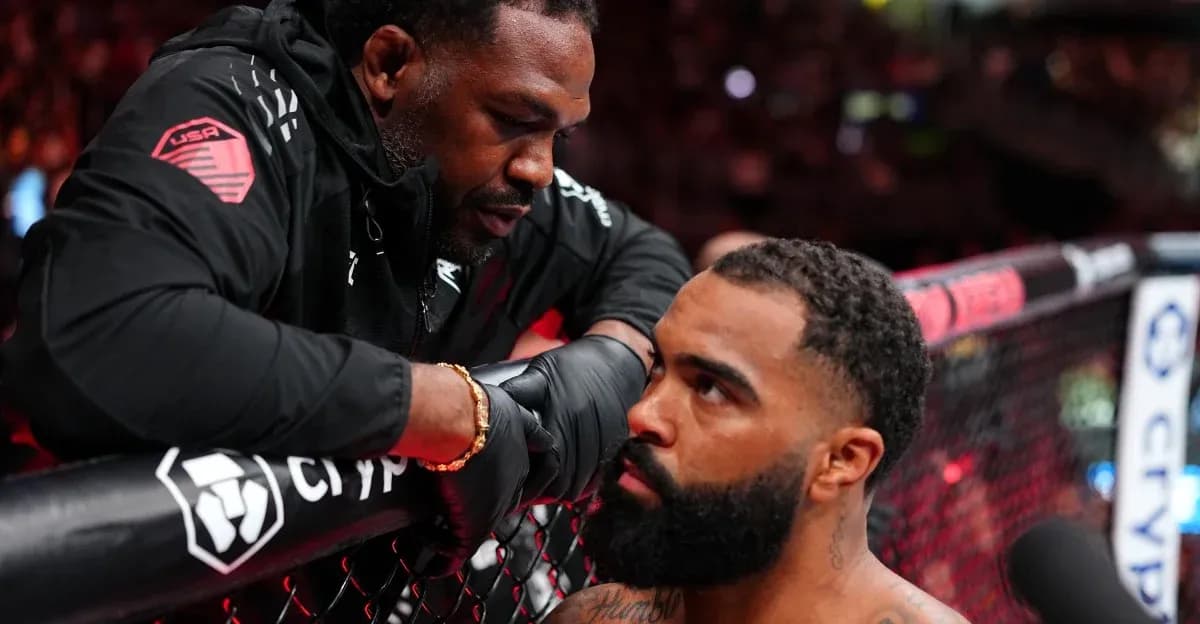
For fans raised on the Ultimate Fighting Championship, the scene looks stripped back. No iconic octagon, no chain-link fence looming over the action. At the Asian Games, fighters work in open space. Step too far, and you’re out of bounds, not pressed against metal.
For athletes used to the cage, that changes everything. There is no fence to lean on, no mesh to trap an opponent against, no last line of defence when your back hits the perimeter.
A cage, Tan admits, was never going to fly with Olympic powerbrokers. It “does not really align with Olympic values”, he said. So the sport has adapted, reshaping its competitive environment without touching its core: striking, grappling, and the blend of disciplines that define MMA.
Around the mat, the flags tell their own story. Thailand, Kazakhstan, the Philippines, Japan — nations steeped in combat sports, from Muay Thai rings to judo dojos and wrestling mats. For them, MMA is not an outlier. It is the next logical evolution.
A pathway for the next generation
Singapore’s Teo Hui Hoon has already guaranteed herself at least a silver medal. For her, the significance of this week stretches far beyond a podium place.
“I think it will grow the talent pool a lot,” she said. With recognition from the Asian Games, and the possibility of the Olympics one day, the sport suddenly has a ladder rather than a ceiling.
“It will encourage more children and teenagers to take up the sport and take it seriously,” she added. “Because now there’s a clear pathway, right? You can join a national team, the next step you can go to the Olympics.”
That word — pathway — is everything. It is what separates a fringe pursuit from a career. What turns a hobbyist into a national-team athlete. What convinces parents that their child’s hours in the gym might lead somewhere other than bruises and broken noses.
Crowded road to the Games
MMA is not alone in chasing the Olympic dream from Nagoya. Teqball, that acrobatic blend of football and table tennis, is here too. So is padel, the racquet sport booming in courts across Europe and beyond.
They are all jostling for space on a crowded Olympic runway. Each has a case. Each has momentum. Each will need politics as much as performance.
For MMA, the political groundwork has already begun. “We have been in talks with the IOC and other relevant stakeholders that have influence or decision on the recognition,” Tan said. The conversations are happening. The outcome is anything but guaranteed.
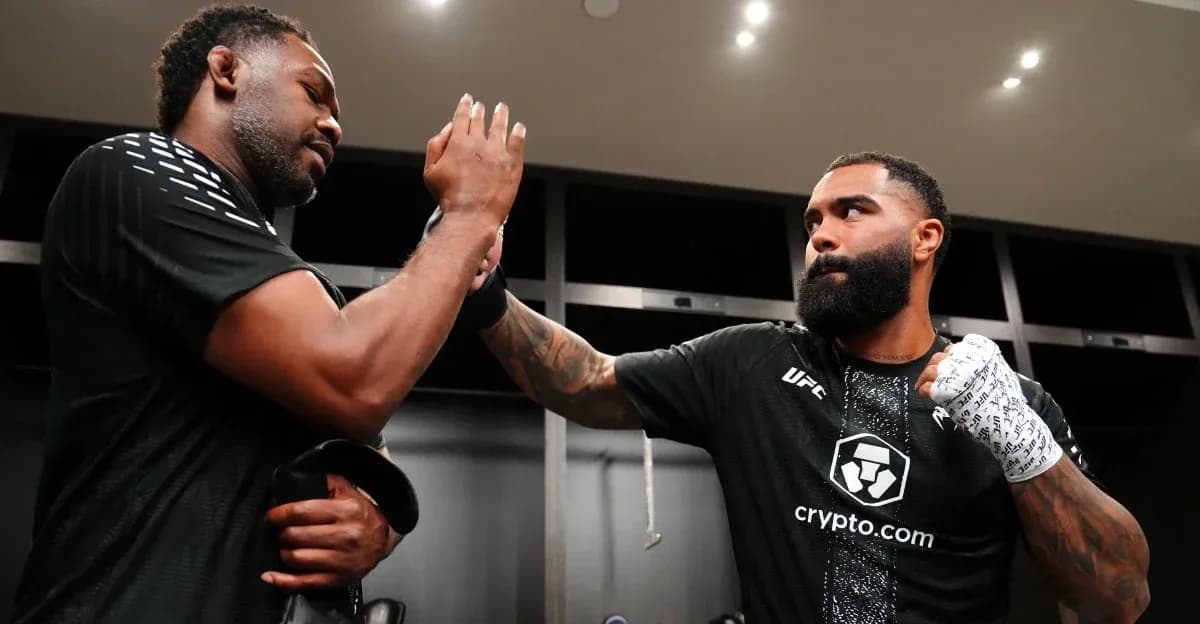
The sport does have one powerful ally: Dana White. The UFC president, whose promotion dragged MMA out of the shadows and into mainstream arenas, is openly backing Olympic inclusion. The UFC’s show on the South Lawn of the White House in June underlined just how far the sport has travelled from its outlaw days.
From “cockfighting” to the cusp of respectability
In the 1990s, US senator John McCain famously compared early MMA to cockfighting, sparking a campaign that saw events banned or heavily restricted in many states. Rules were tightened, weight classes introduced, and safety standards improved. Over time, MMA stopped being a spectacle on the margins and became a staple of Saturday night sport.
Today, driven by the UFC’s global reach, MMA is undeniably mainstream. That does not mean it has shaken off all its critics. Some still see it as too violent for the Olympic stage, too raw compared with the polished image the Games like to project.
There is another major hurdle: governance. The Olympic movement prefers one clear international federation per sport. MMA is fractured, with multiple bodies staking claims. Until the sport unites behind a single recognised authority, the Olympic door will stay only half-open.
The clock is ticking. Los Angeles 2028 is out of reach. Brisbane 2032 is the next realistic target, if that.
“Nothing is impossible,” Tan insisted. He believes MMA can offer what the Olympics now crave: youth engagement, global appeal, a product that resonates with audiences who stream fights on their phones more often than they sit in front of a television.
“We hope that MMA is a sport that the Olympics finds relevance to and the ability to connect with both adults and also the youth,” he said. A sport, in his words, “ready and capable of fitting into a major Games schedule.”
For now, the fighters in Nagoya are not thinking about Brisbane or the IOC. They are thinking about the next bout, the next exchange, the next chance to show that this is more than spectacle.
Somewhere down the line, a question waits: when the IOC finally looks at this sport that once lived in the shadows, will it see a problem — or the future?