.svg&w=384&q=75 "logo")
Mercedes Dominates at Madring Circuit as Risks Rise
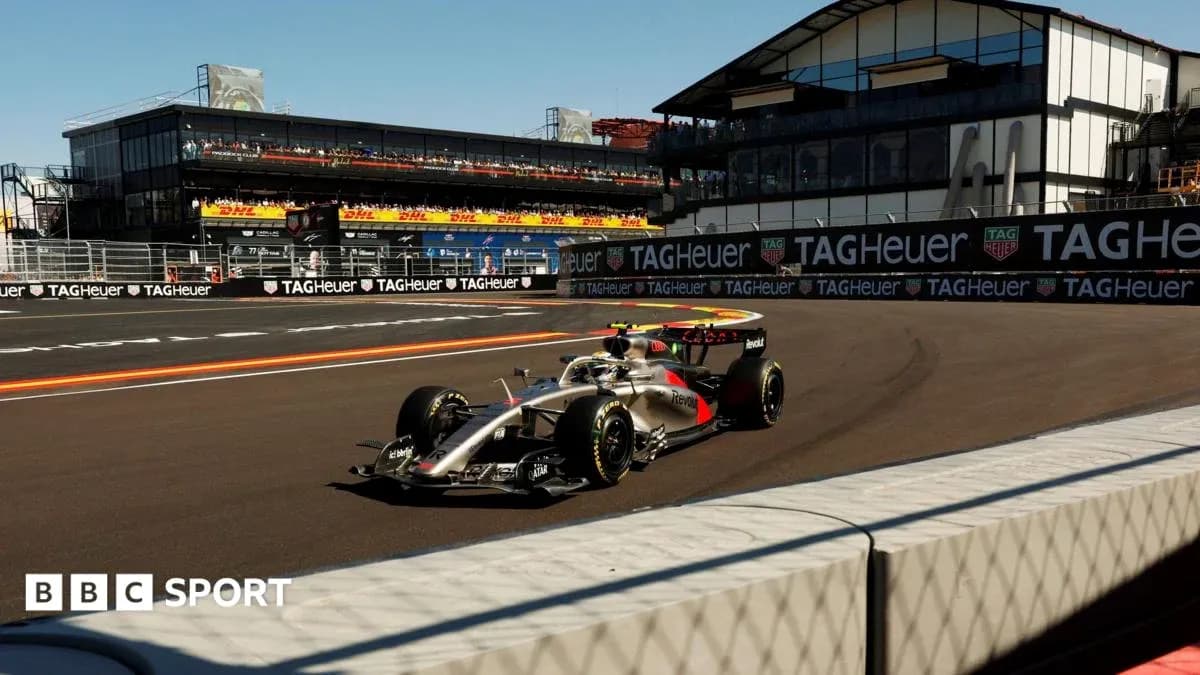
The sun is blazing over Madrid, but it is the asphalt of the new Madring circuit that is really burning. Grip is sky‑high, tyre wear is savage, and the early message from the paddock is clear: this place will punish the brave as quickly as it rewards them.
On Friday, Mercedes owned the new venue. George Russell topped first practice, Kimi Antonelli answered in the second, and between them they set a benchmark that Ferrari and Red Bull are still chasing.
Russell’s best in FP1 put him 0.286 seconds clear of Antonelli, with Charles Leclerc, Lewis Hamilton and Max Verstappen slotting in behind. When the track rubbered in later in the day, Antonelli hit back with a 1:33.662 in FP2, edging out Leclerc and Hamilton as Mercedes underlined their early authority.
Yet nobody walked away from day one feeling comfortable.
‘A circuit of very high risk’
Russell did not dress it up. The Madring, he said, is “without doubt… a circuit of very high risk”, the kind of place where every extra millimetre of ambition comes with a price tag.
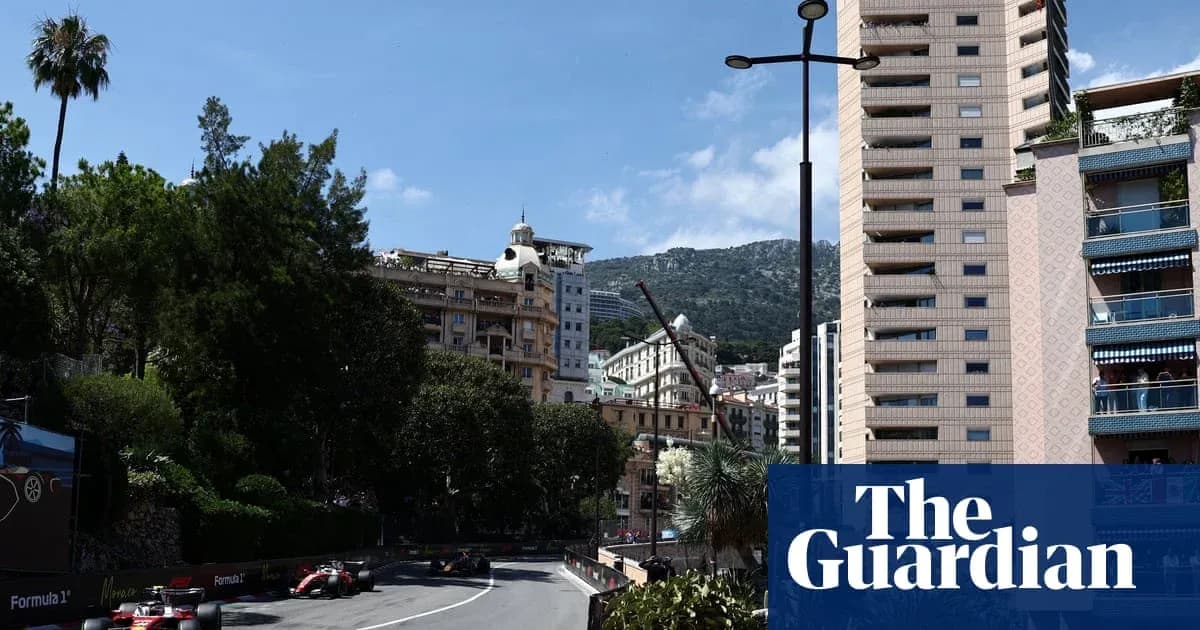
He compared it to Monaco, but with a twist that should make every driver sit up.
In Monte Carlo, the walls are close but the speeds are lower; a small mistake can sometimes be saved. Here, the corners are quicker, the barriers seem to lean back in towards the racing line, and if you step over the limit, you meet the wall at an unforgiving angle.
The tyres are suffering too. Russell spoke of “sliding quite aggressively” on a surface that grips hard and then bites back, and joked that with the degradation they saw in first practice, a six‑stop race might actually be fastest. Things calmed slightly in FP2, yet the question of how to manage tyre life over a full Grand Prix distance hangs over the entire weekend.
Strategy puzzles and a stubborn track
The compounds on show in final practice underline just how wide open Sunday’s strategy could be.
Both Audis rolled out on the yellow‑walled medium tyres. Almost everyone else bolted on the red softs, hunting for qualifying simulations and a read on how long the rubber will last. Liam Lawson, stepping into the Red Bull in place of Isack Hadjar, went the other way entirely, running the hard tyre and immediately throwing in a statement lap that put him second fastest behind Nico Hulkenberg.
The harder compound, the rookie seat, the pressure of a new circuit – none of it seemed to faze him.
Behind the headline times, analysts are poring over something subtler. Alice Powell, watching trackside and on BBC Radio 5 Sports Extra 2, pointed out that none of the frontrunners bothered with the hard tyre in Friday’s running. Mercedes focused their longer stints on the medium, while Leclerc and Verstappen stretched the life of a newer set of softs. If you’re happy to do long runs on the soft, that usually screams confidence in your car and your tyre management.
Yet the Madring keeps throwing curveballs. Formula 3, which often turns into a tyre‑saving exercise, barely saw degradation at all earlier in the day. If that pattern holds, strategy could flip on its head, with teams emboldened to push harder and longer on softer rubber.
One thing Powell does not expect to change: overtaking. She warned that passing here will be “hard”, and the early evidence supports her. High‑speed corners, narrow margins, and barriers that lurk close enough to punish the slightest misjudgement do not add up to an easy Sunday drive.
Heat, hustle and a circuit by the airport
Down in the pit lane, the scene is almost at odds with the tension on track. It is a perfect Madrid morning – bright sun, clear skies, barely a breath of wind. The flag at the end of the pit lane hangs limp, as if even it is taking a moment to absorb the new surroundings.
Teams and fans alike are enjoying the novelty of the Madring weekend, but there is a slightly surreal twist. This is Madrid, one of Europe’s great cities, yet the circuit itself sits out by the airport. Some in the paddock have likened it to racing around Heathrow: glamorous skyline in the distance, jets overhead, but the business end of the sport playing out on an island of tarmac and concrete.
On that island, not everything is running smoothly.
Lindblad sidelined as Racing Bulls scramble
Arvid Lindblad’s Friday pace hinted at something special. The Racing Bulls driver went fourth fastest in FP2, only to crash heading into Turn 13 and bring his charge to an abrupt halt.
By Saturday, the consequences were clear. His car sat in the garage, up on its stands, mechanics working furiously underneath. Jennie Gow reported from the pit lane that Lindblad would not be heading out at the start of final practice; whatever Racing Bulls are fixing, it is not a quick patch‑up.
For a rookie still learning a new circuit that bites hard, every lost lap hurts.
Final practice: last chance before the fight
Final practice at the Madring is the last window for all 22 drivers to decode this place before qualifying. At 11:30 BST, the track opens for one more hour of experiments, simulations and quiet panic. At 15:00 BST, when the lights go green for Q1, there will be nowhere to hide.
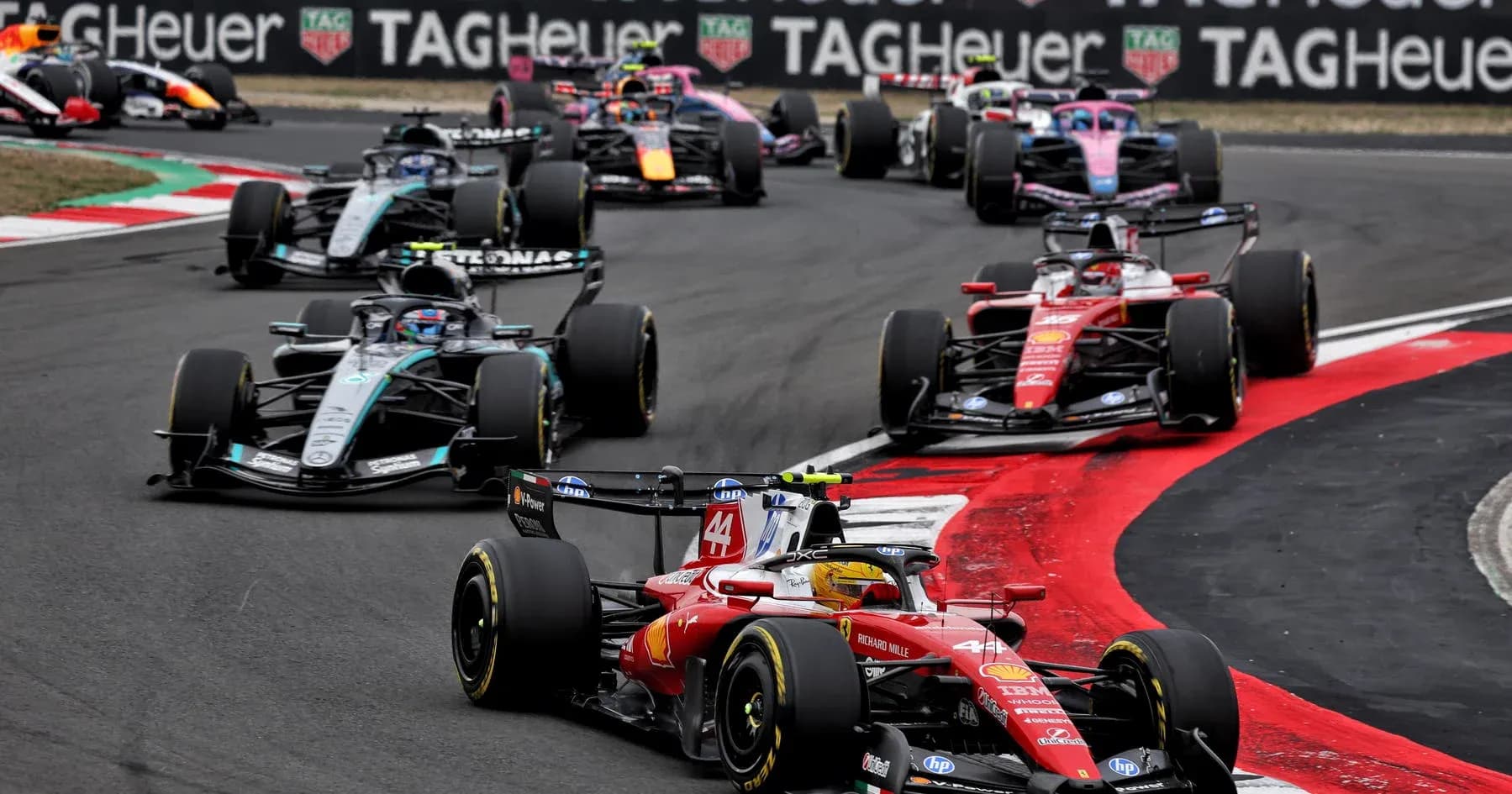
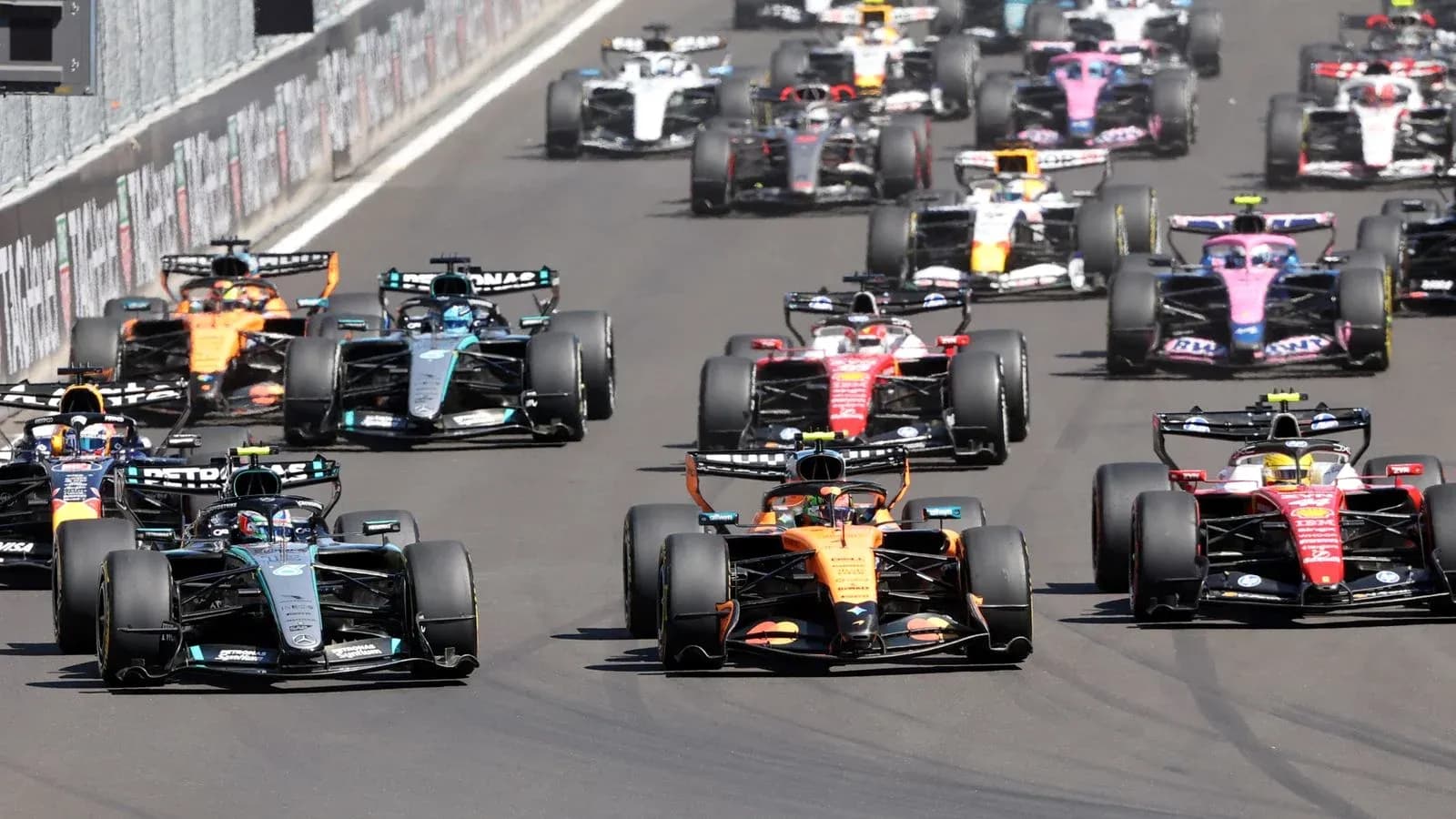
Mercedes arrive as the team to beat, with Russell and Antonelli having traded blows at the top of the timesheets. Ferrari, led by Leclerc and Hamilton, look close enough to strike. Verstappen, ominously lurking just behind on Friday, has yet to show his full hand.
The grip is there. The speed is there. The risk is undeniable.
Now the question is simple: who dares to lean hardest against the Madring’s limits when the clock starts for real?