.svg&w=384&q=75 "logo")
Mercedes Faces Challenges Despite Strong Zandvoort Finish
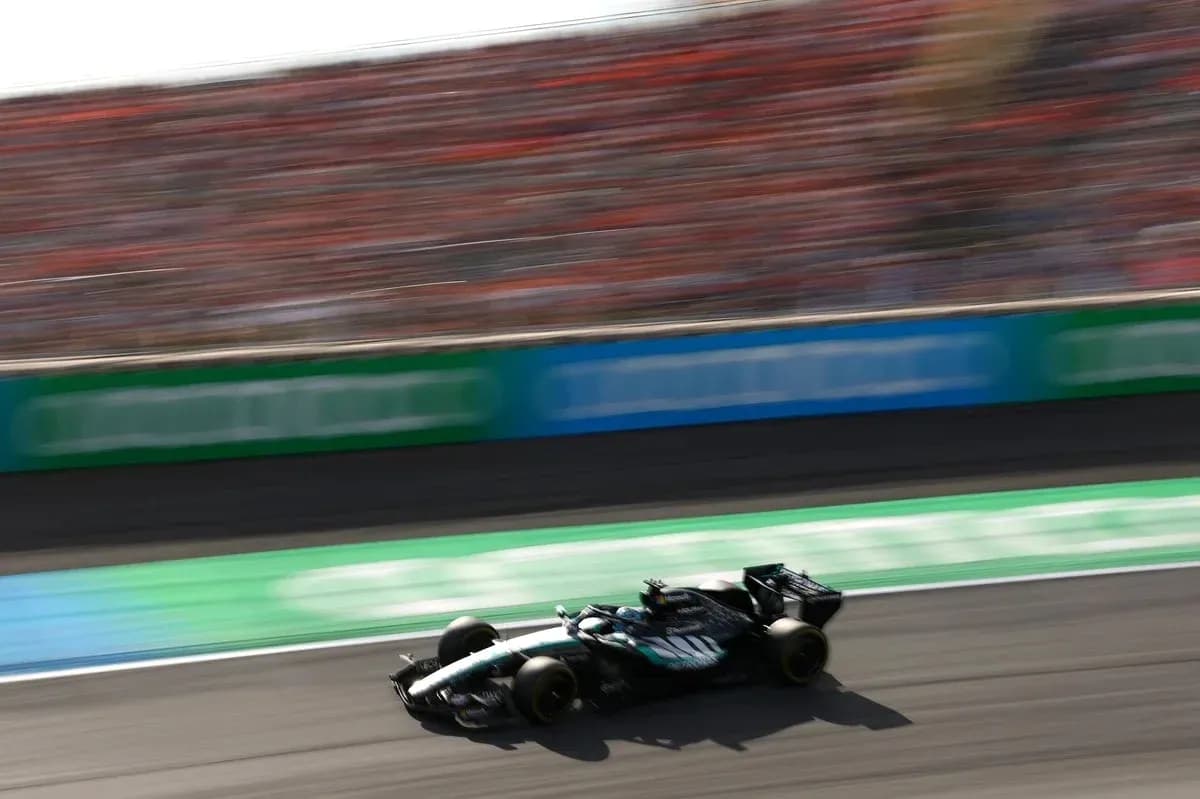
Mercedes leaves Zandvoort with answers on the scoreboard but questions everywhere else.
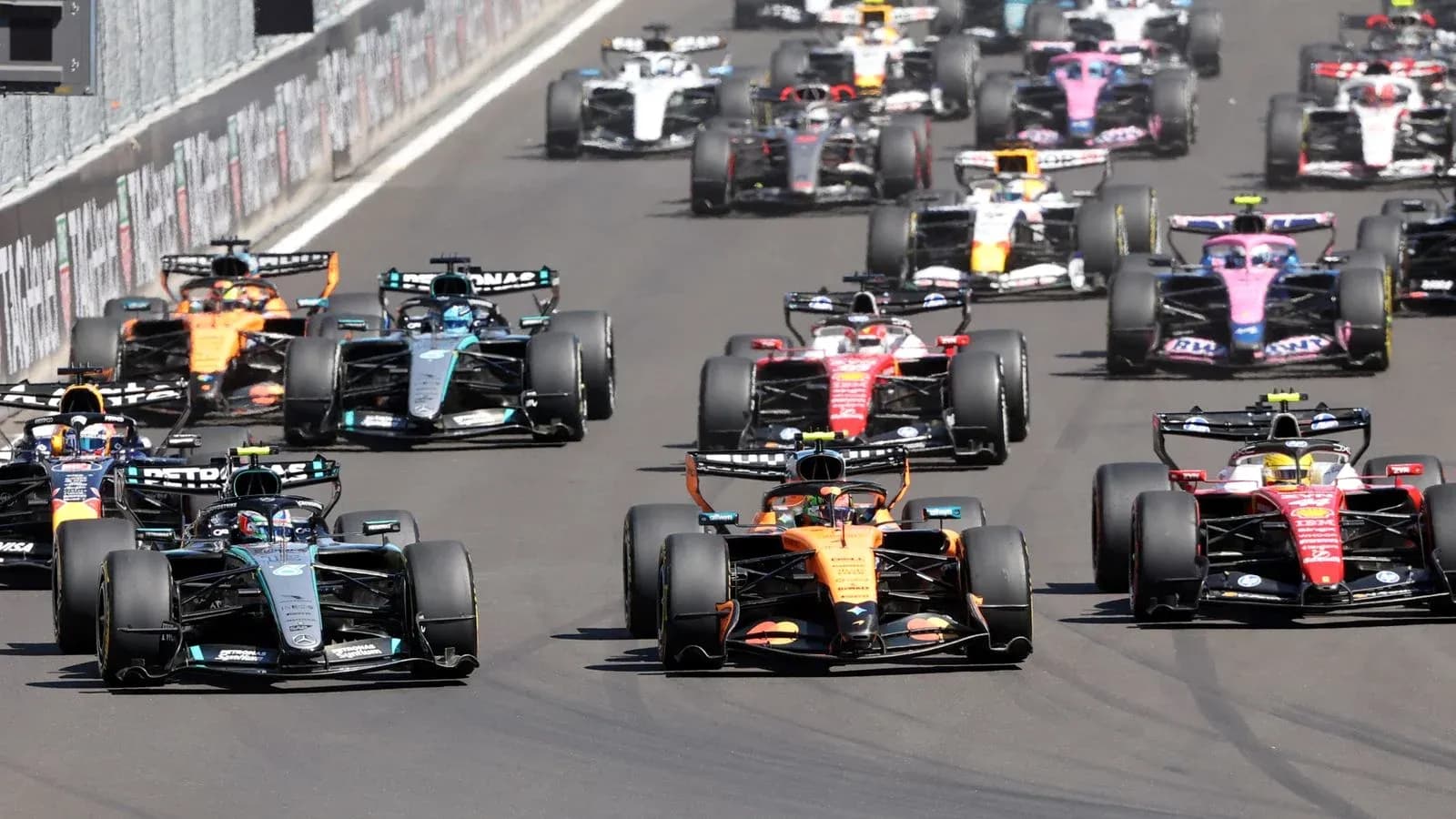
A weekend that began with George Russell on pole and a sprint win ended with Lando Norris and McLaren walking away with the grand prix. Mercedes still banked a 2-3 in both qualifying and the race, Kimi Antonelli stretching his championship lead to 59 points. On paper, it looks like control. Trackside, it felt anything but.
Fast start, fading edge
Friday and the sprint painted one picture: Mercedes sharp, confident, and in command of Zandvoort’s tight, twisting layout. Russell’s sprint victory underlined that sense that the team had finally found a circuit that suited its car.
Then the grand prix exposed a crack.
Norris and McLaren stepped past them when it really counted, the papaya car hooked up in the key sections where Mercedes faltered. The raw result still flatters – second and third is no crisis – but the way they got there has left the engineers uneasy.
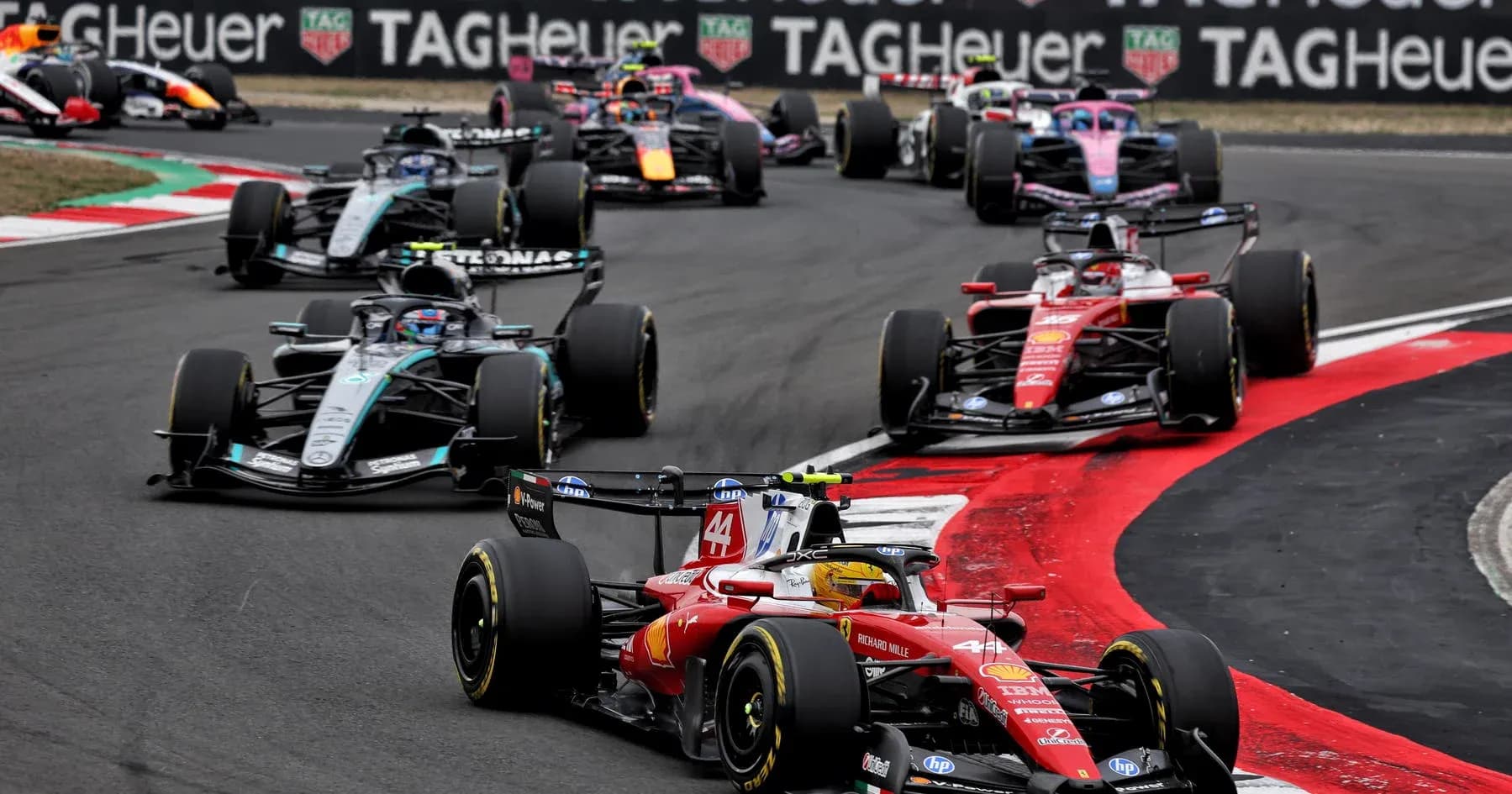
Andrew Shovlin didn’t bother dressing it up. On Mercedes’ Nu Silver Arrows Radio Show, the trackside engineering director called their pace through Zandvoort’s high-speed sequence “rubbish”. He meant Turns 7, 8 and 9 – the flowing, loaded right-handers that lean on the left-hand tyres and punish any weakness in balance or grip.
Those corners told the real story.
One corner sequence, many problems
Mercedes had been solid everywhere else. Sector times and onboard footage showed a car that could live with McLaren in most of the lap. The trouble came when the circuit bent in one direction and stayed there.
In that 7-8-9 combination, the W15 simply didn’t respond. The left-hand side tyres took a beating, the car slid, and lap time leaked away. Shovlin admitted the team “don’t really understand yet fully” why that specific trait appeared here, given they’ve already raced at other tracks with similar long, loaded corners this season without the same issue.
They have theories. Nothing proven. Nothing they’re ready to hang a solution on.
Worse, the problem didn’t present itself cleanly. It shifted. It grew. As the race unfolded, what began as a localised weakness in the fastest turns started to bleed into the overall picture of tyre life and balance.
“All the other corners look solid,” Shovlin noted. That almost makes it more frustrating. When a car is slow everywhere, the diagnosis is obvious. When it’s razor-sharp in 90% of the lap and nowhere in the other 10%, you’re chasing a ghost.
Same car, different race
What really puzzled Mercedes was how little they changed – and how different the car behaved.
Between the sprint and the grand prix, set-up tweaks were minimal. During the race, there were no radical strategy gambles, no big flap-angle swings, no experimental electronic maps. Tyre compounds and stint lengths varied as expected, but nothing out of the ordinary.
The performance swings didn’t care.
Russell’s first stint never really lit up. Later in the race, he looked far more alive, the car coming to him as the laps ticked by. Antonelli’s afternoon ran in reverse. His opening phase was strong, then the pace ebbed in the second stint, dropped again in the third, then flickered back towards the end.
Same team. Same car concept. Same circuit. Two very different stories from the cockpit.
By the flag, their feedback painted contrasting pictures. Russell talked about an understeery car, the front end not biting as he wanted. Antonelli, in the other garage, wrestled with oversteer, the rear stepping away. When the engineers overlaid the set-ups, the differences weren’t big enough to explain such a split.
That’s the kind of inconsistency that keeps a technical group in the office long after the trucks have left the track.
Big points, bigger puzzle
Strip away the confusion and the numbers still look healthy. Forty-six points from the Dutch Grand Prix weekend marked Mercedes’ second-best haul of the season, behind only the 55 they banked in China. Both came on sprint weekends, with more points on the table, but that doesn’t diminish the return.
Shovlin admitted there was enjoyment in the chaos. From the pitwall, the race demanded fast calls, sharp reactions, and a level of improvisation that engineers secretly relish. The team “rose to the occasion,” as he put it, and the result reflects that.
Yet the tone from Mercedes after Zandvoort is clear: pleased with the outcome, uneasy with the route.
The car that looked like a pole and sprint winner on Saturday morning became a chaser by Sunday afternoon. McLaren found a gear Mercedes couldn’t match in those critical high-speed arcs. For a team trying to claw its way back to the very front, that kind of unexplained drop-off is not something they can afford to shrug off.
So the debrief this week won’t just be about tyre degradation charts and corner-speed overlays. It will be about why one car felt numb at the front, the other loose at the rear, and how a single section of track could unpick so much of their apparent progress.
The points column says Mercedes is very much in this fight. The data they carry home from Zandvoort will decide whether that holds when the next circuit starts asking the same uncomfortable questions.