.svg&w=384&q=75 "logo")
Max Verstappen Prepares for Painful Experience at Monza Under 2026 Regulations
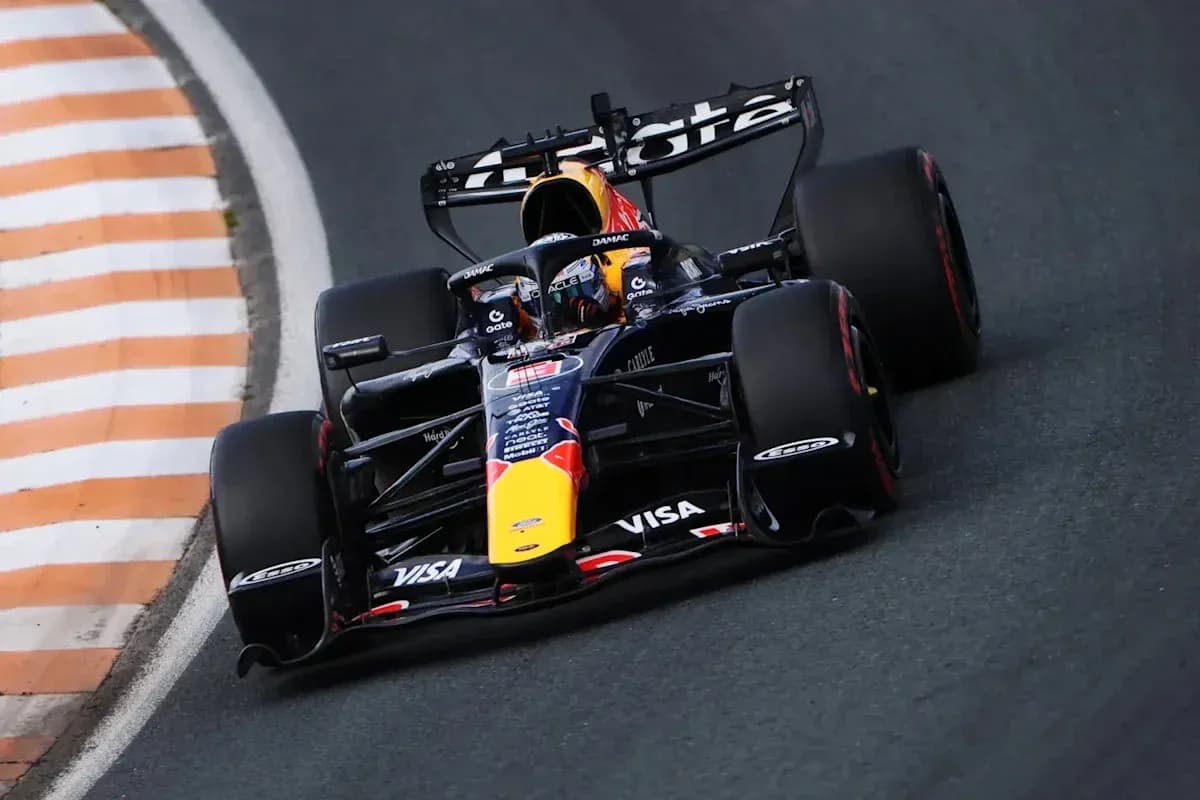
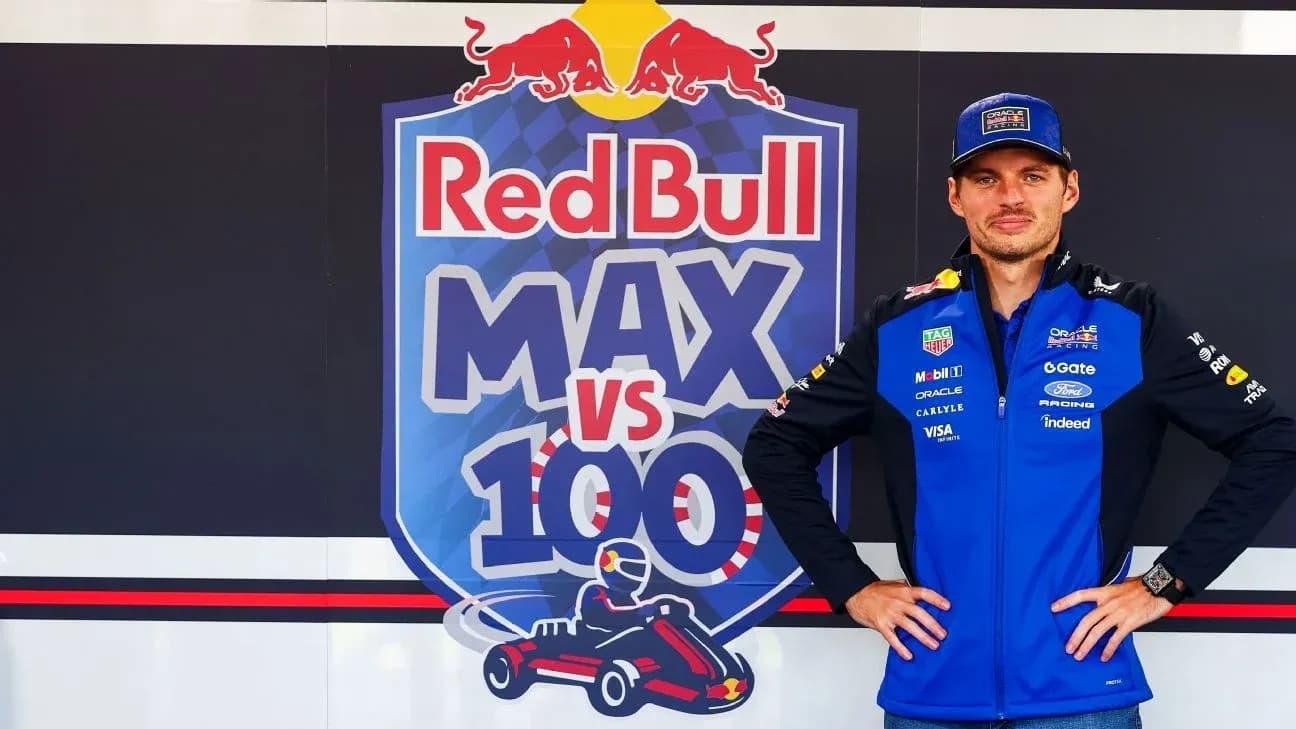
Max Verstappen has already braced himself for Monza. Not for the usual high-speed thrill of the Italian Grand Prix, but for what he calls a “really painful” experience behind the wheel under Formula 1’s 2026 regulations.
The triple world champion, who has been one of the most outspoken critics of the new rules, knows this is the circuit that will expose their weakest point: energy deployment on a track that lives on long straights and flat‑out running.
“I accepted it mentally”
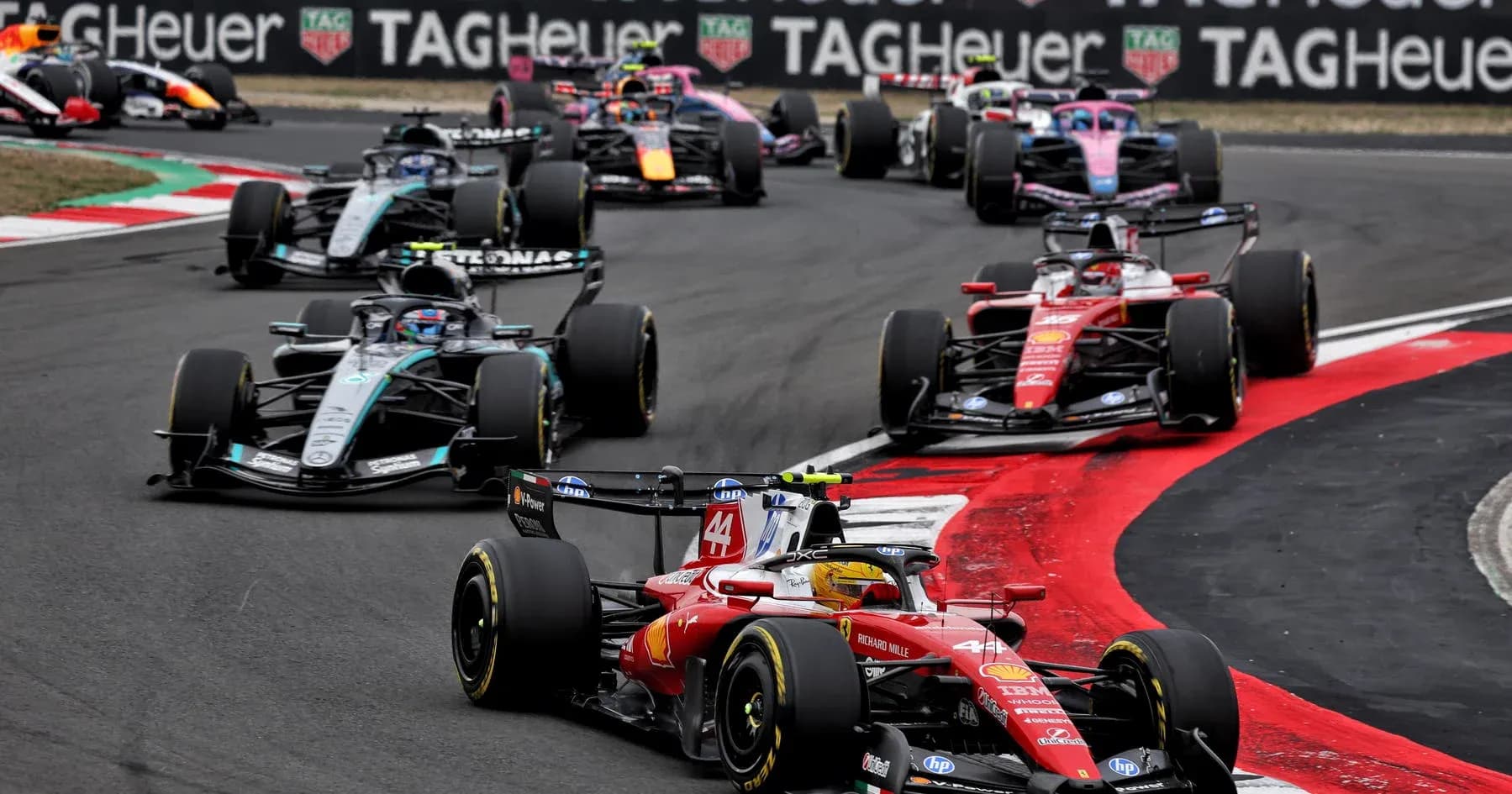
Monza has been circled on the calendar for months as the ultimate stress test of the 50:50 split between internal combustion and battery power. Verstappen himself warned as far back as 2023 that drivers might have to downshift on the straights just to manage energy — an idea that runs completely against the DNA of the Temple of Speed.
Now that weekend has arrived, and the Dutchman is under no illusions.
Asked how the 2026 cars will feel at Monza, Verstappen told GPblog and other media: “Really painful, it's very energy inefficient, but I also don't want to be too negative about it all. It's what it is, I accepted it mentally. Also, you know, just prepare for a weekend where it's a bit different. You cannot push flat out, you just have to be gentle with the throttle. Let's call it like that.”
For a driver who built his reputation on aggression, commitment and flat‑out laps, the idea of “being gentle with the throttle” at Monza feels almost sacrilegious. Yet that is the reality he is preparing for.
“Far from fixed”
Verstappen has spent much of the season criticising the direction of the 2026 regulations, at one stage likening the racing concept to “Mario Kart”. The tone has softened slightly, but the core message has not.
He insists that F1 and the FIA are working hard to improve the package, but he is adamant the rule set still has a long way to go.
Asked whether the latest mid-season tweaks to the 2026 rules would make Monza better or worse for overtaking, Verstappen cut through any optimism.
“It happens on a lot of tracks where changes are being made to try and make it better, but better doesn't mean that it's fixed. It's far from fixed,” he said. “But, I mean, everyone is trying to do the best they can, the FIA and F1, they are all trying to deal with the current situation.”
So the sport is pushing to refine its future. Its dominant driver is already resigned to racing within it. The tension between those two realities will define the next era.
No “miracles” expected from Red Bull
If there was any hope that Red Bull’s power unit strength might bail Verstappen out this weekend, he moved quickly to dampen it.
The Milton Keynes outfit has been widely regarded as having the best ICE package lined up for 2026, a key weapon in an era where combustion efficiency will matter as much as outright grunt. That status, though, does not convince Verstappen that Monza 2026 will suddenly tilt back in his favour.
“I think on the inefficient tracks, we've not been particularly great with energy, so I don't expect miracles here. It will still be tough,” he admitted.
The picture grows more complicated when you factor in the development race. While Red Bull continue to understand and refine their current car, rivals are rolling out upgrades and closing the gap.
“Other teams around us are bringing upgrades at the moment, so they are making steps forward,” Verstappen said. “We were already behind before that, so I don't expect that to change now. But we just try to learn more about the car and the things that we want to do different for next year as well.”
That, ultimately, is the crux of his weekend: less a hunt for instant glory, more a live test session at 350 km/h. Monza, the place where legends are usually made on the limit, may instead become the clearest glimpse yet of an F1 future where the fastest driver in the world has to lift off and live with it.