.svg&w=384&q=75 "logo")
Madrid’s Madring Prepares for Surgery to Enhance Racing by 2027
The Madring has the looks, the location and the lap time drama. What it didn’t have on its debut was racing.
After a first outing around Madrid’s IFEMA fairgrounds that thrilled drivers in qualifying but left three categories – F1, F2 and F3 – largely processional, Spanish Grand Prix organisers are already preparing to take a scalpel to the 5.4km layout before the 2027 race.
They are not waiting for a crisis. The FIA has already sent through a set of recommendations, and the message is clear: if Madrid wants a classic, it needs to make it easier to pass.
Great venue, thin racing
On paper, the Madring ticked most of the new‑school boxes. Modern paddock, impressive facilities, a flowing ribbon of medium to high‑speed corners that punished mistakes and rewarded commitment. Drivers praised the challenge, and qualifying turned into the kind of high‑stakes shootout the promoters had hoped for.
Once the lights went out, the picture changed.
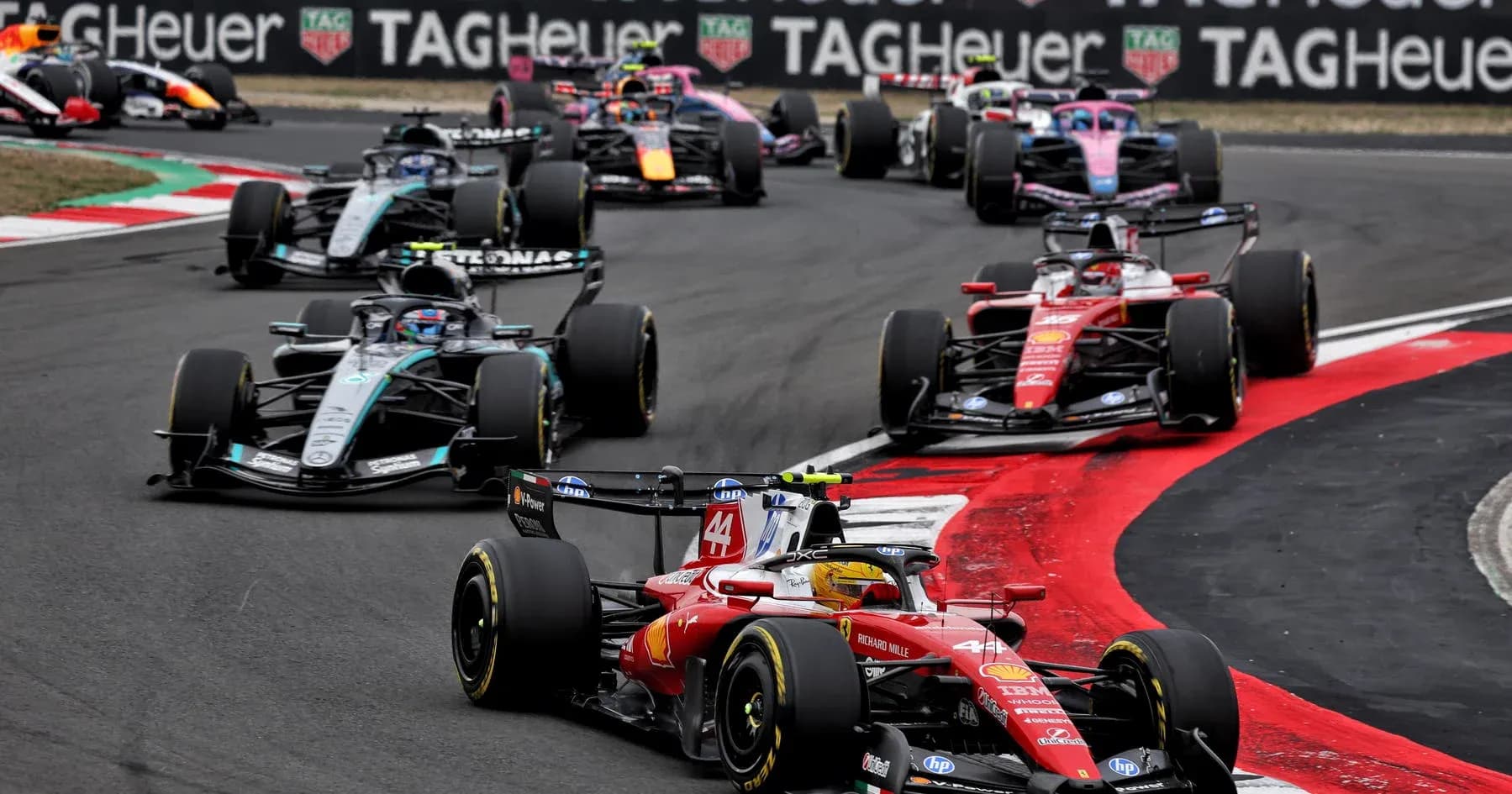
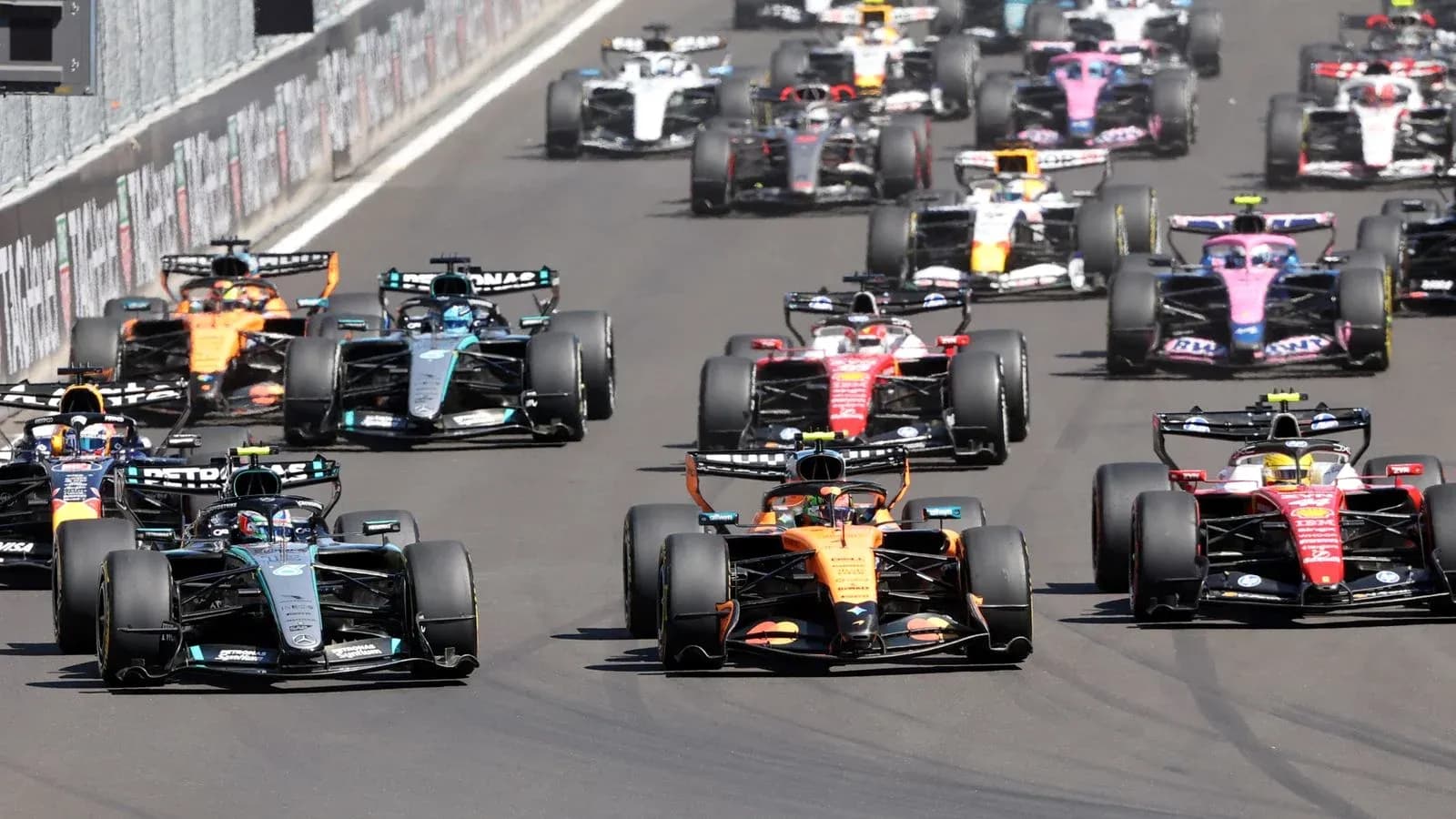
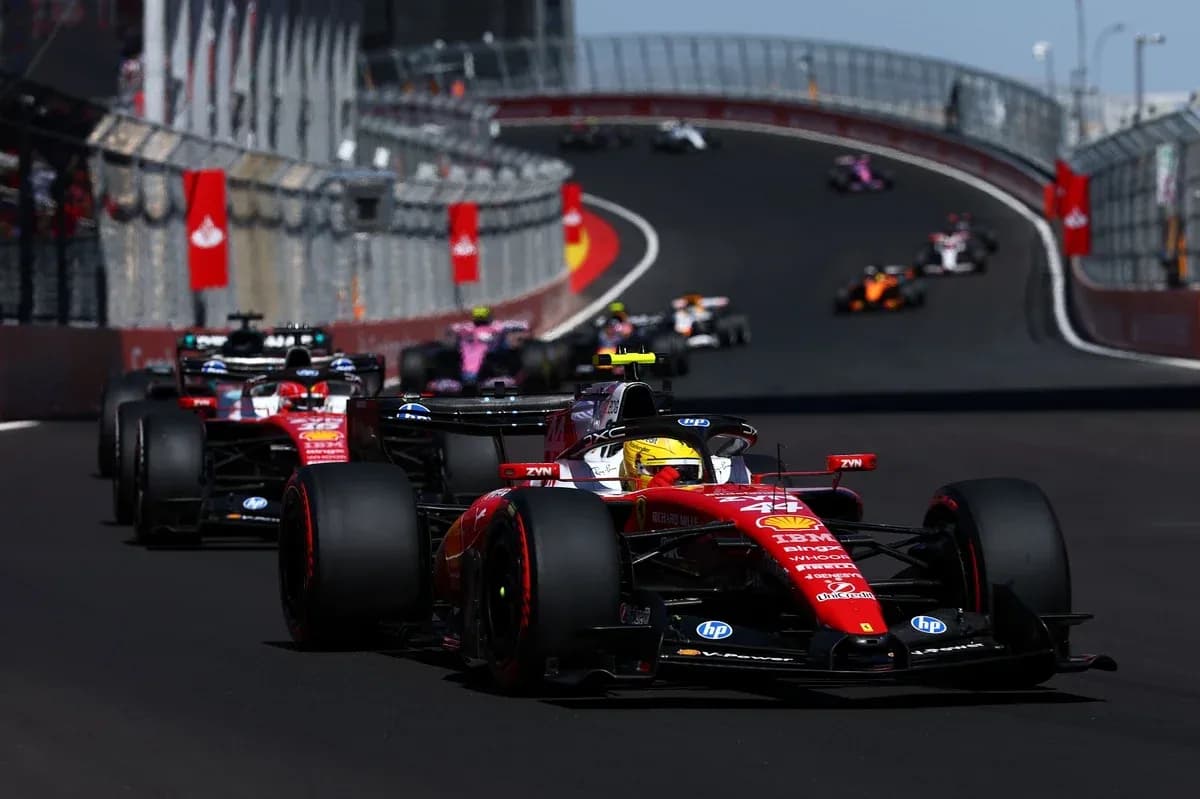
Overtaking chances were scarce, defensive driving was simple, and the much‑touted main passing zone – the Turn 5 chicane at the end of the longest straight – simply did not work as intended. Its awkward geometry forced cars into an angle that killed momentum rather than inviting a lunge.
The feedback from Friday night’s drivers’ briefing cut straight to the point. Too many combined corner entries. Too much braking and turning at the same time. Not enough clean, hard stops where a driver can throw the car down the inside and still make the apex. That kind of sequence makes life comfortable for the car in front and deeply frustrating for the one behind.
The pitlane length didn’t help. With such a long pitlane, strategy gambles were largely off the table, removing another avenue for teams to create variation and tension through the field.
Abad: “We will be open”
Speaking to Motorsport.com after Sunday’s race, event managing director Luis Garcia Abad made it clear Madrid is not clinging to its first draft.
“Being honest with you, the FIA defined clearly which is the way to improve the track layout, and we will be open because we will have to reinstall the track for the next year,” he said. He stressed how much the drivers enjoyed the one‑lap challenge but accepted the obvious next step: “For sure we will try to make an improvement for next year.”
This is not a street circuit locked in by city blocks and listed buildings. The northern half of the Madring was drawn on a blank canvas across empty land, and that gives Madrid something many venues envy: room to admit mistakes and fix them.
“We have the space, we have a venue, we have the facilities, we have the capacity to do it,” Abad said. “I’m sure that FOM, FIA, and ourselves, we will try. If we can improve something, we will do it.”
The Spanish Grand Prix deal runs for 10 years. That buys time, but it also piles on the pressure. A decade is long enough to turn a promising layout into a modern staple – or to watch it slide into the category of “great on Saturday, forgettable on Sunday.”
Norris points to the problem corners
World champion Lando Norris did not sugarcoat his verdict. His assessment mirrored the numbers on the timing screens: one of the year’s better qualifying laps, one of its flatter grands prix.
“To me, it’s not a great racetrack,” Norris said. “It’s great in qualifying, but a straight line from Turn 17 straight to Turn 20 [would help], to have a much wider entry like Austin Turn 1 or Turn 10, a big hairpin. You’ll create much better opportunities for everyone and you’ll be able to enjoy the race.”
That is the core of the FIA’s thinking too: turn a complex, fiddly end to the lap into something simple and brutal – long straight, heavy braking, wide entry, big decision. Go for it or back out.
Norris also highlighted the Turn 5–6–7 sequence, the very stretch that was supposed to define the circuit’s main overtaking zone. Right now, it does the opposite.
“There are some simple changes and maybe some trickier ones, like Turn 5, 6, 7. It’s hard to know exactly what is the best thing. The fact you have to turn and brake [at the same time] basically defeats the whole object of racing.”
That line will sting in Madrid. It should. The first version of the Madring produced an intense qualifying spectacle but starved the race of the one thing modern F1 cannot do without: jeopardy.
The tools to change that are already on the table. The question now is whether, by 2027, Madrid can turn its showpiece from a high‑speed parade into a fight worth the flight.