.svg&w=384&q=75 "logo")
Madrid's New Street Circuit: A Mixed Debut for Formula 1
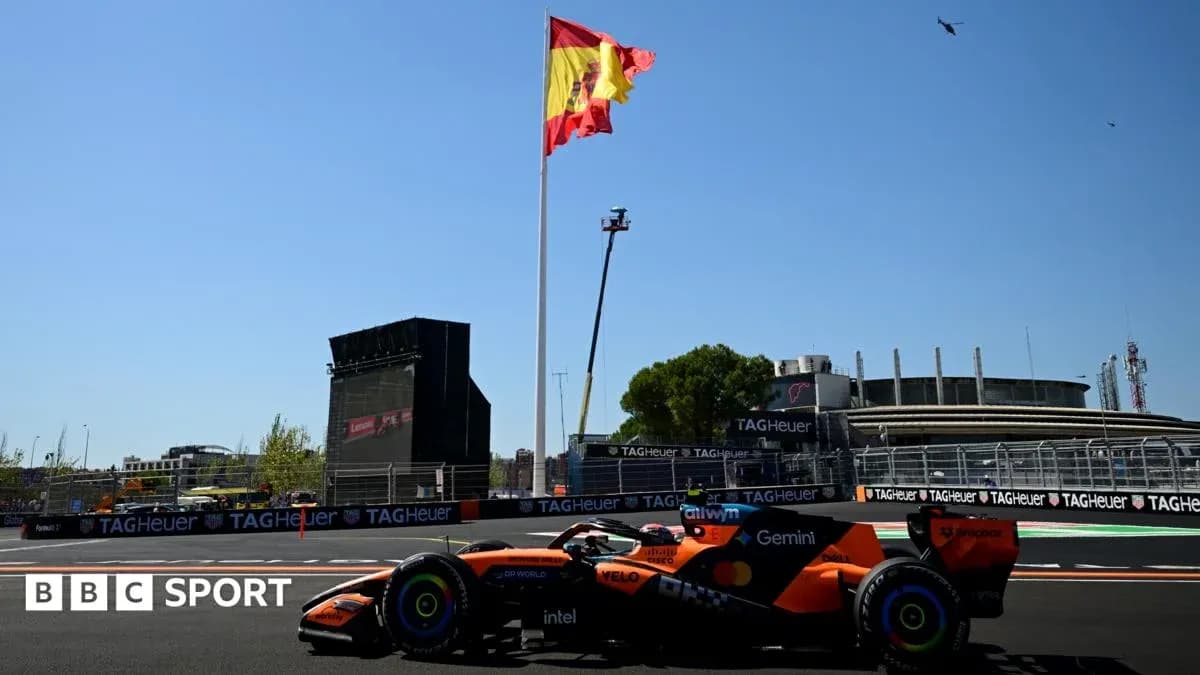
The debut of Madrid’s new street-style circuit delivered glitz, noise and a sell-out crowd. What it did not deliver, according to the drivers who had to race on it, was much of a motor race.
Within hours of the chequered flag, organisers of the Spanish Grand Prix were already signalling that the layout of the so‑called Madring will not survive untouched into year two.
A spectacle without a show
On paper, Formula 1’s move to the Ifema exhibition centre, a short hop from Madrid’s international airport, looked like a modern promoter’s dream: a temporary circuit woven from existing roads and bespoke sections, crowned by a dramatic banked corner at Turn 12, La Monumental.
In qualifying trim, it worked. Drivers enjoyed the single-lap challenge and the narrow, Macau-style walls that punished the smallest mistake.
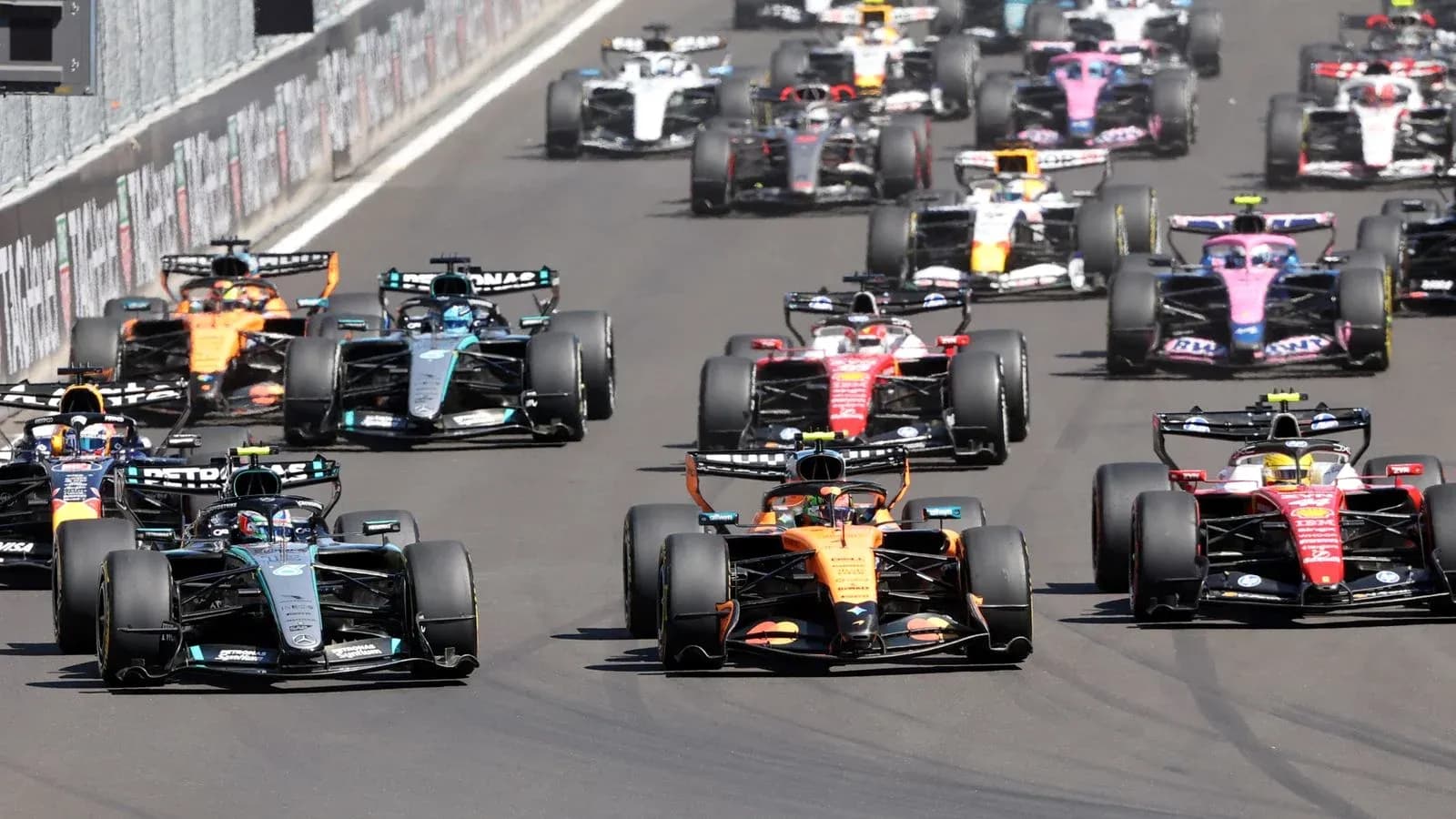
Once the lights went out on Sunday, the mood changed.
Williams driver Alex Albon did not bother dressing it up, calling the race “pretty boring”. Audi’s Gabriel Bortoleto went even further, saying he “almost fell asleep” in the cockpit as overtaking chances failed to materialise.
Race winner Kimi Antonelli, who managed the chaos better than anyone, still delivered a blunt verdict on the design.
“It definitely doesn't create overtaking opportunities and it doesn't push you to try and make a move because 80% of the time you might have a contact,” he said. “There are some corners that need to be changed to create more overtaking opportunities because right now, yes, it's nice over one lap, but for sure in the race you're just stuck behind.”
When the driver on the top step sounds like that, organisers tend to listen.
Norris leads the technical backlash
World champion Lando Norris, denied victory for McLaren by the ill-timed arrival of a virtual safety car, did not hide his frustration with a specific section of the track.
“There are some obvious changes they should make,” he said. “They should get rid of [Turns] 18, 19 – useless. Just have more of a straight into a hairpin.
“I don't know how someone looks at this design and goes, ‘mint’.”
The criticism cut through the usual diplomatic language. Norris did, though, see the bones of something better.
“There's a lot of opportunity. They can make it into a track that's good for racing, and I'm excited to come back here next year if they can make these changes because I think it's a track that is good fun to drive and it can be a great racetrack.”
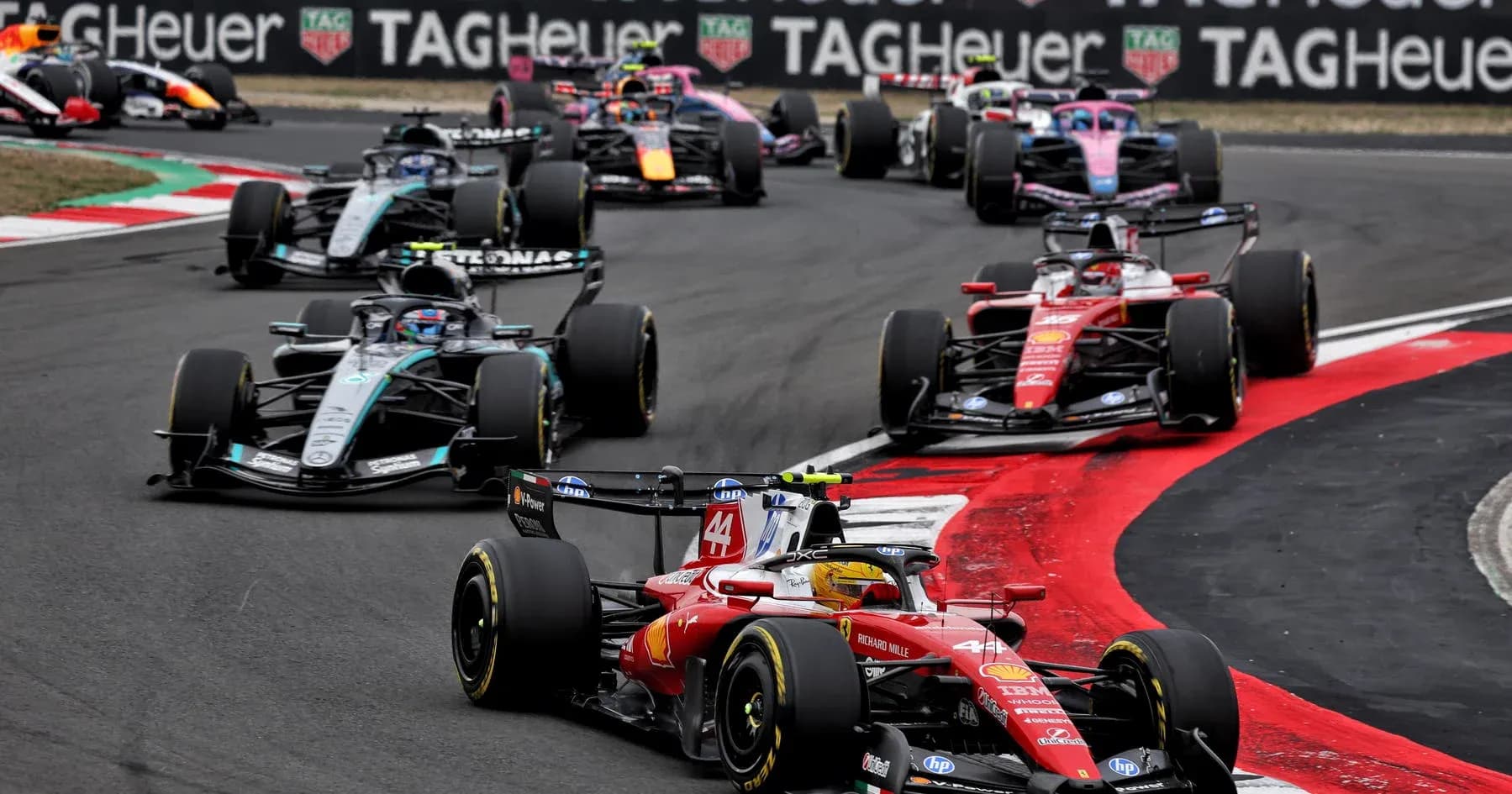
That, in essence, is the Madrid dilemma. The drivers like the feeling of a qualifying lap. They do not like spending 60-odd laps staring at the rear wing in front.
Paddock power brokers back the project
While the drivers picked apart the layout, team principals lined up to defend the broader project and the city’s effort to get the venue ready in time.
Ferrari boss Frederic Vasseur struck that balance.
“First, I have to say that we can discuss about overtaking, but overall, for me, the event was mega,” he said. “The infrastructure, we were mega welcome in the city. We have also to be fair with them and to congratulate Madrid for the job done on this side.
“They are keen to do modifications in the future. They have probably more latitude in Madrid than in Monaco to change something. Let's work together to see if we can do something. But overall, I think we have to be fair with them. It was a good effort.”
Mercedes team principal Toto Wolff went even stronger on the positives of the debut.
“For a first [race], it's probably one of the best, or maybe the best, that I've seen so far,” he said. “It's a temporary circuit. They've built something that is challenging for the drivers. A mini Macau or a mini Monaco. The location is good.
“We’re thinking about how much more can we do next year in terms of the events here or presentations because we have the space and that's very rare. So I would say congratulations for a first.”
Then came the caveat that will define the winter.
“And then it's the tricky bit. Doing a track that is spectacular also for the drivers. And then building it in a way that there is lots of overtaking.
“I had a discussion yesterday with the CEO of the circuit and they are totally open-minded about next year and say we've had the discussions with the FIA – ‘what is it we should do? How is it that we should lay the track out when it comes to overtaking also?’
“There is a constant discussion and I think that they are on it and understand that we can tweak it a little bit here or there.”
Fans find fault away from the asphalt
The on-track complaints were only half the story. On social media, F1 fans who made the trip to Ifema painted a picture of a venue still under construction in all but name.
Supporters reported poor access, broken facilities and areas where spectators had to sit on bare earth trackside. Visibility from some vantage points drew criticism, as did a general sense that the site was not fully ready for the scale of a modern grand prix weekend.
No one inside the paddock was surprised by those teething problems. The timeline to deliver the first event was always tight, and the organisers had pushed hard to hit the date.
The layout itself stitched together existing roads and new permanent sections, with La Monumental as its visual calling card. That hybrid nature now gives Madrid one major advantage: flexibility.
Madrid promises change
Madring managing director Luis Garcia Abad, formerly Fernando Alonso’s manager, did not respond to BBC Sport’s request for comment on Monday. He had already laid out the broad plan, though, speaking to Autosport after the race.
“The FIA defined clearly which is the way to improve the track layout, and we will be open because we will have to reinstall the track for the next year,” he said.
“I really believe that the drivers enjoyed qualifying a lot. But for sure we will try to make an improvement for next year.
“We have the space, we have a venue, we have the facilities, we have the capacity to do it. I'm sure that FOM, FIA and ourselves, we will try. If we can improve something, we will do it.”
That is the bargain now in front of Madrid. The city has already shown it can stage a grand prix that looks the part and impresses the sport’s power brokers. The question, as the concrete is redesigned and the barriers are moved, is whether it can now build a track that races as well as it photographs.