.svg&w=384&q=75 "logo")
Madrid’s Madring Set to Transform Formula 1’s Spanish Grand Prix
The Spanish Grand Prix is packing its bags and leaving Barcelona. In 2026, Formula 1 will roll into Madrid, onto a brand-new piece of racing real estate: the Madring.
It is not a short-term fling. The capital’s hybrid circuit, stitched together from city streets and private land, is locked in to host the race until 2035, according to ABC News. For a sport that rarely commits lightly, that is a statement.
A 22-Corner Beast With a Split Personality
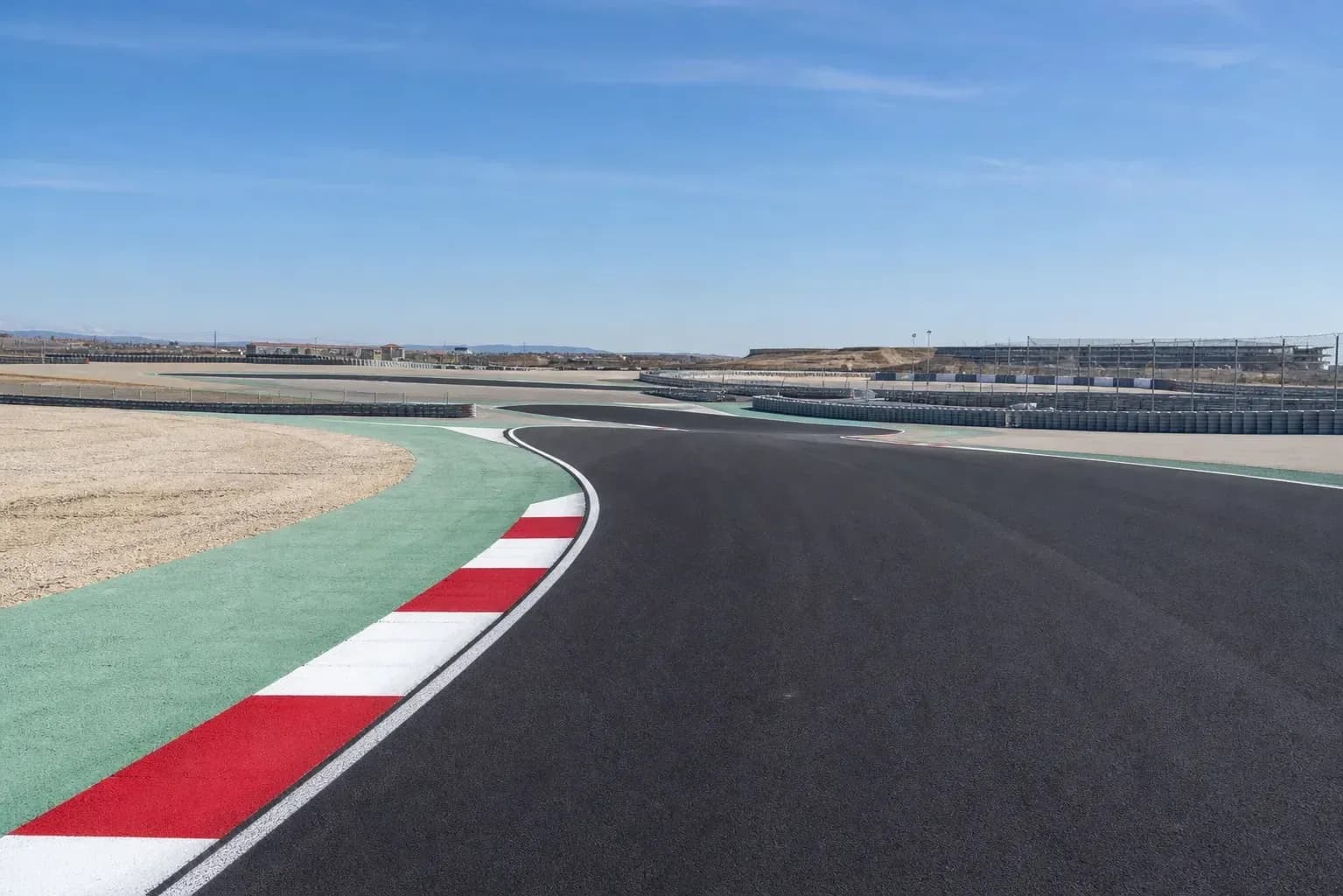
Madring is a 22-turn layout with a split identity. Parts of it will feel like a street circuit, tight and unforgiving, walls looming close. Other sections will open out into something closer to a permanent race track, with more flowing corners and room to breathe.
La Monumental: Madrid’s Banking on Drama
Turn 12 already has a name and, with it, a promise. La Monumental.
It is a long, banked hairpin with a 270-degree arc, wrapping around on itself with a maximum banking of up to 13.5 degrees. On paper, that is less dramatic than Zandvoort’s 18-degree banking. On track, it could be wilder.
Formula 1 cars are expected to attack La Monumental at higher speeds than they do the Dutch bowl. That changes everything: the lines, the bravery, the possibilities.
Carlos Sainz has already had a taste of the place. The Williams driver lapped the Madring layout in a Ford Mustang GT and came away with a clear impression of what Turn 12 might offer. He suggested F1 machinery could take La Monumental flat out, with the real chance to pounce under braking for the tight left-hander that follows.
The banking, Sainz indicated, will not just be a visual spectacle. It could become a tactical weapon. Drivers may be able to pick higher or lower lines to find clean air when chasing a rival, or hug the inside to generate a slipstream effect reminiscent of Zandvoort. Multiple lines, multiple options, and the constant threat of an overtake brewing as the cars unwind and dive into the next corner.
If that vision holds, Madrid’s new landmark turn will not just define a lap. It will define races.
Title Fight Rolls Into Spain
While the circuit grabs the headlines now, the championship picture will dominate when the lights go out on Sunday, September 13.
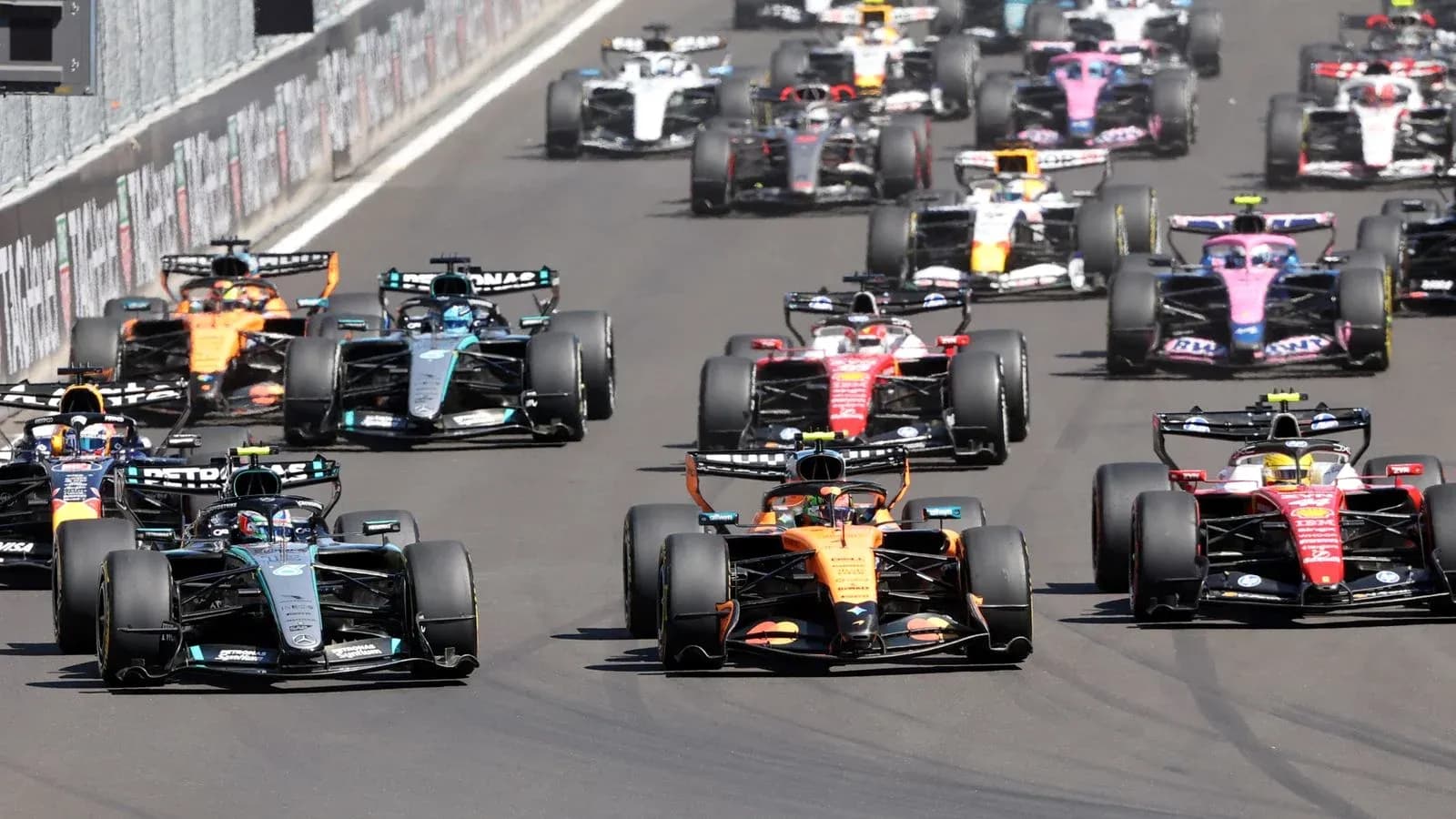
Kimi Antonelli arrives in Spain as the man everyone is chasing. The Mercedes driver sits on 267 points, leading the drivers’ standings and increasingly shaping the season around his own pace and composure.
On the other side of the Mercedes garage, George Russell holds second with 201 points, close enough to keep the pressure on, not close enough to breathe easily. Between them, they have turned the constructors’ race into a familiar story.
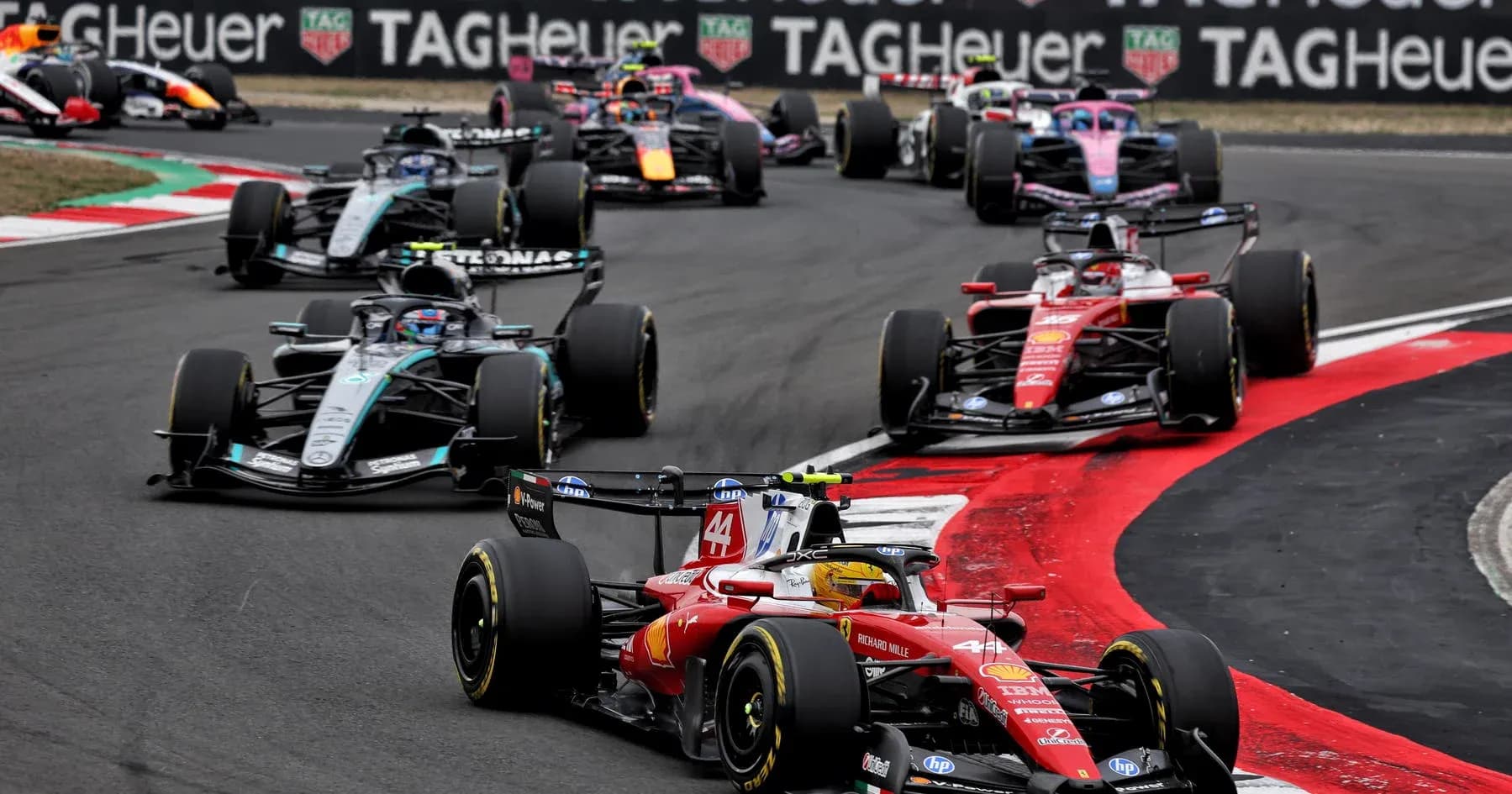
Ferrari’s Lewis Hamilton is third on 191 points, still very much in the hunt. A strong weekend in Madrid, especially at a new venue where experience counts for less and instinct for more, could drag him right back into the thick of the title conversation.
Constructors’ Battle Behind the Silver Juggernaut
Mercedes sit atop the constructors’ championship on 468 points, their consistency and firepower setting the benchmark again.
Ferrari, on 346 points, chase in second, trying to turn flashes of speed into sustained pressure. McLaren, with 287 points, lurk behind, ready to punish any misstep from the two giants ahead.
Now all three must solve a new puzzle. New lines. New grip levels. A new kind of risk.
Madrid’s Madring is not just replacing Barcelona on the calendar. With La Monumental at its heart and a long-term deal in place, it is staking a claim to become one of the defining arenas of this era. The question is simple: who will be the first to bend this circuit to their will—and who will it break?