.svg&w=384&q=75 "logo")
Madison Keys Opens 15th US Open with Steady Win
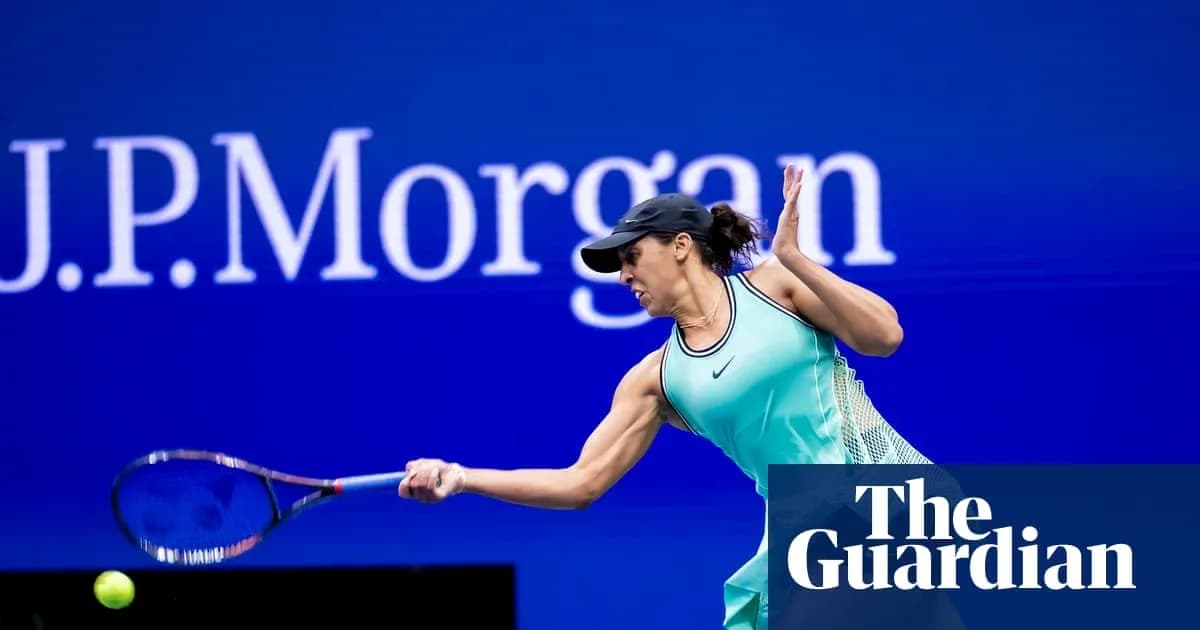
On a day when the US Open felt stuck in a holding pattern, Madison Keys refused to wait around.
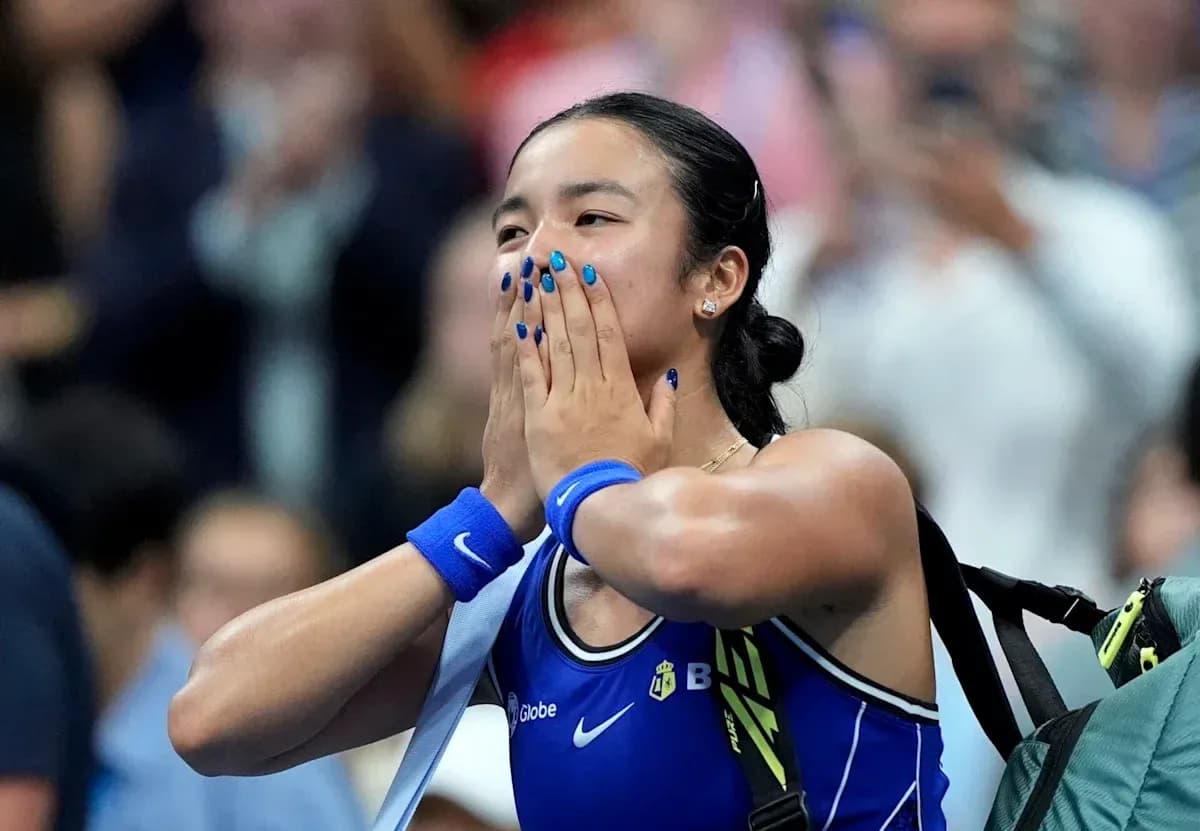
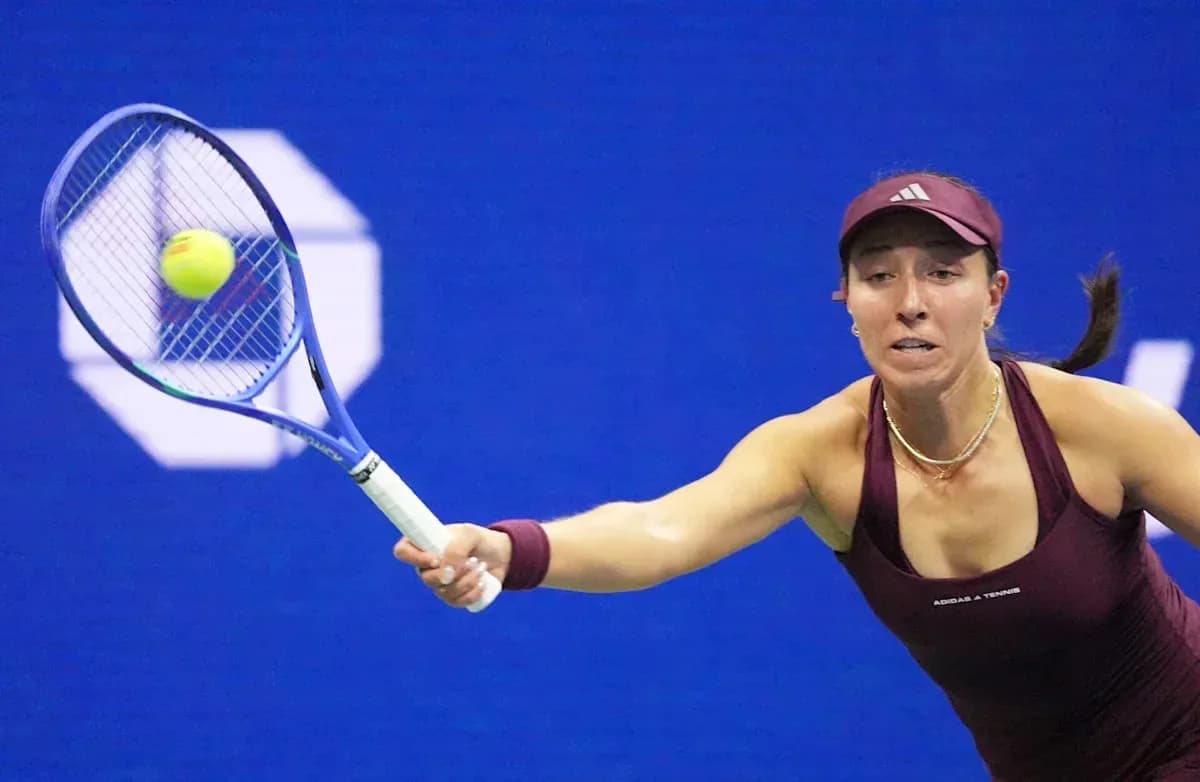
While rain sent most of the schedule into a sulk and left players pacing in locker rooms, the roof over Arthur Ashe Stadium turned into a private stage for the 31‑year‑old. Keys walked in, handled the occasion and the conditions, and walked out with a clean, controlled 7-5, 6-4 win over 17‑year‑old Alina Korneeva to reach the second round.
No drama. No repeat of last year’s sting.
This is Keys’s 15th US Open, a number that sounds like a misprint until you remember she turned professional on her 14th birthday back in February 2009. She arrived in New York this time as the 2025 Australian Open champion, a veteran with a major finally on her résumé and the perspective to match.
“I was thinking a little bit more about it just because the last couple of days everyone keeps reminding me that it’s my 15th US Open, which doesn’t feel possible because I’m so young,” she said with a laugh.
That mix of youth and mileage defines her now. She has literally grown up on this circuit, and she knows it.
“It’s just I think that in a lot of ways it’s been a huge blessing I started so young,” she said. “I really got to get into it at such a young age and when I didn’t really even understand what was going on, so I was able to just kind of experience it in a really different way. But it’s definitely been, I think, the most interesting, because I feel like as a person I’ve changed a lot throughout the years and kind of just evolved as a person while getting to kind of do the same job.”
On Ashe, that evolution showed up as composure.
Korneeva, a talented teenager still feeling her way into this level, pushed hard in the first set, but Keys managed the scoreboard with the calm of someone who has lived every kind of New York night. When the set tightened, she tightened her game. When the second set threatened to wobble, she shut the door.
The performance meant more than just a place in the next round. Twelve months ago, she walked out of this tournament with one of her most bruising defeats here, a first‑round loss to world No 82 Renata Zarazúa. That memory still lingers, especially on days like this when the tension in the corridors rises with every delayed call to court.
“You can kind of feel [the tension] as the days are getting closer,” Keys said. “Everyone gets here, you have a week, everyone is excited to be here, and then as the days are slowly getting closer to first rounds, rackets are maybe getting a little slippery, you can hear more yelling happening, and you can kind of feel the tension.
“I think collectively we all just get really anxious. We’re probably feeding off of each other as well, but we all want to do well. It all feels like I think the buildup is always so hard, just because you’re so in it and you’re anticipating the tension that’s going to happen and the anxiety that’s going to happen. So it’s definitely very relevant and very real.”
On a stop‑start, rain‑soaked opening day, she found a way to cut through that noise. One match, one win, one small step toward turning this 15th appearance into something more than a milestone.
Rybakina opens No 1 chase with brisk win
On the same grounds, Elena Rybakina took a clear, measured stride toward the ranking she has been circling for months.
The Wimbledon champion brushed aside American wildcard Thea Frodin 6-3, 6-2, a professional job against a 17‑year‑old still taking her first real look at this level. Rybakina’s movement was the key detail. After a foot injury in Cincinnati forced her to retire from a quarter‑final against Iga Swiatek, any sign of discomfort would have set off alarms. Instead, she looked comfortable, balanced and in control.
The stakes around her are high. In the live rankings she already sits at No 1. To make it official and become world No 1 for the first time in her career, she needs to reach the semi‑finals in New York and hope Aryna Sabalenka, Jessica Pegula and Coco Gauff all fall short of the title.
The equation is simple. The path never is. But this was the kind of first round a contender wants: short, sharp, and free of complications.
Cobolli digs himself out of a two‑set hole
In the men’s draw, the day’s grit belonged to Flavio Cobolli.
The fifth seed and French Open finalist looked in serious trouble against Francisco Comesaña, trailing by two sets and staring at an early exit. The Argentine had him pinned back, dictating, and for two sets Cobolli could not quite find a foothold.
Then the match flipped.
Cobolli clawed his way into rallies, stretched points, and began to own the baseline exchanges. The third set went his way 6-3, and with it came belief. The fourth set followed 6-4. By the fifth, he was the one driving the ball, the one holding his nerve on the biggest points.
He completed the comeback 3-6, 2-6, 6-3, 6-4, 6-4 – one of the best turnarounds of his career, and a reminder that a deep Roland Garros run has given him more than ranking points. It has given him scars, and the know‑how to play from behind on a major stage.
On a sodden opening day in New York, with delays everywhere and tension thick in the locker rooms, Keys settled, Rybakina advanced her No 1 pursuit, and Cobolli refused to leave. If this is the tone of round one, what will this fortnight look like when the sun finally comes out?