.svg&w=384&q=75 "logo")
Madison Keys' Epic Comeback at the US Open
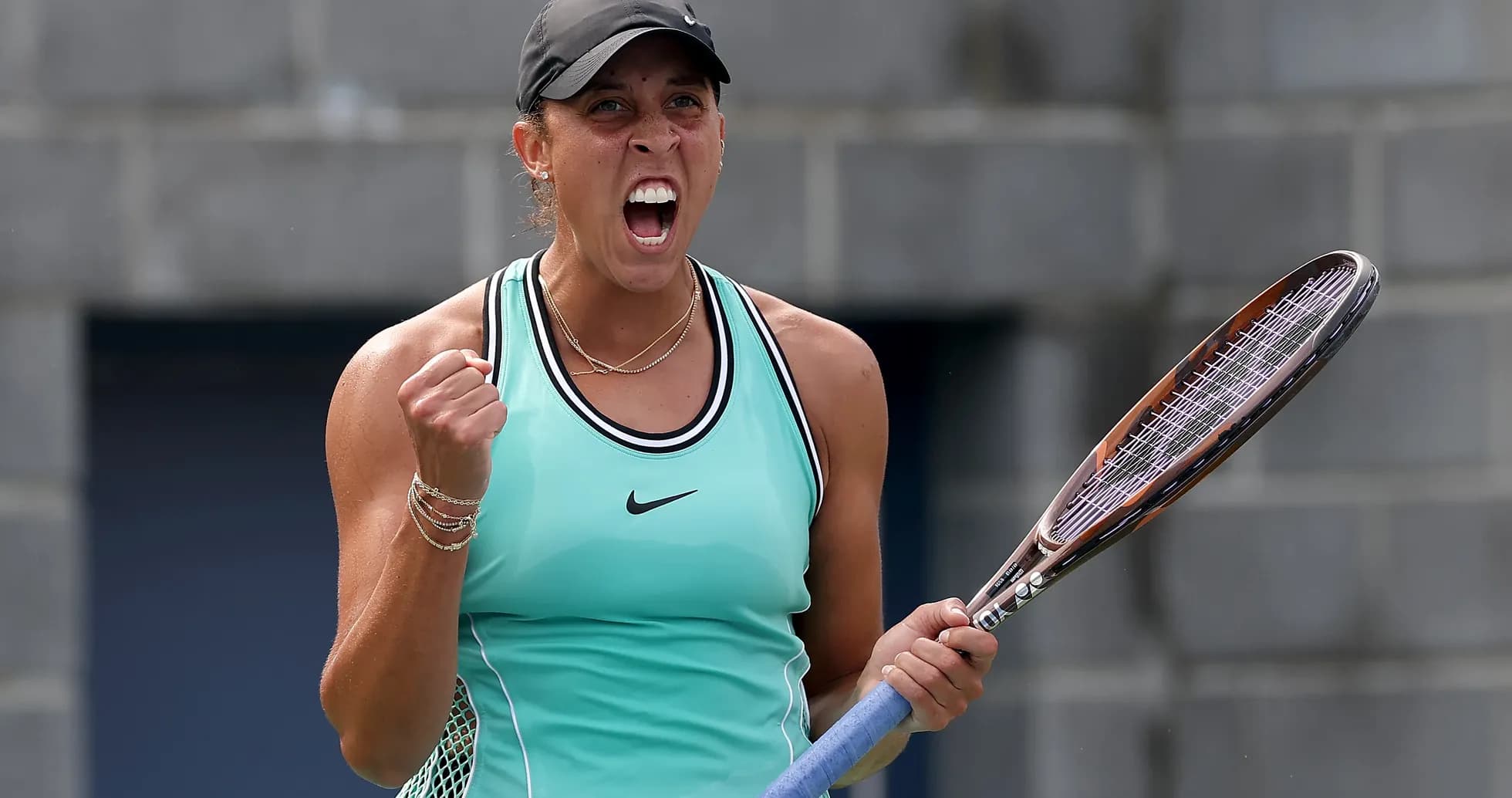
NEW YORK — On a noisy corner of Flushing Meadows, under the lights of Court 17, Madison Keys refused to leave the US Open quietly.
Down 5–2 in the third set. Five match points faced. A crowd holding its breath, then roaring itself hoarse. By the end of it all, the 22nd seed had clawed her way to a wild, defiant 5–7, 6–4, 7–6 (5) win over Anna Bondar that felt less like a routine second-round match and more like a survival epic.
A match on the edge
For long stretches, Bondar looked like the player in command. Ranked No. 73 in the PIF WTA Rankings, she had the cleaner patterns, the calmer body language, and the scoreboard on her side. At 5–2 in the deciding set, she stood within a handful of points of the biggest win of her Grand Slam career.
Then the nerves crept in.
Serving for the match, Bondar earned her first two match points—and double-faulted them both away. The door cracked open. Keys, who had been pressing but misfiring, suddenly had a sliver of daylight.
She grabbed it.
Keys broke for 5–3, but the danger didn’t disappear. Serving to stay alive, she fell behind 15–40. Two more match points. Two more chances for Bondar to finish the job.
Keys didn’t back off. She went bigger.
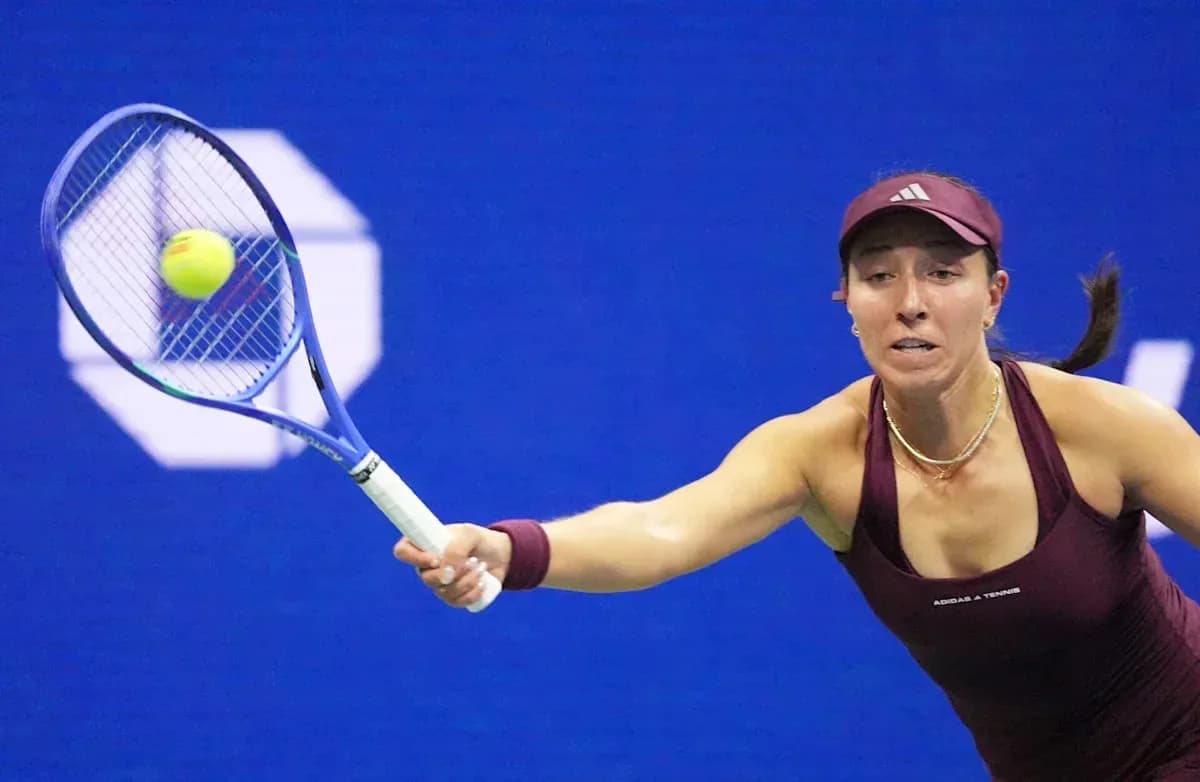
Twice she unloaded on the forehand, twice she painted the line. Deuce. Bondar earned a fifth match point in that same game; Keys erased it again with yet another forehand winner, then held serve. From the brink of defeat, the former Australian Open champion had dragged herself back to 5–4 and lit up Court 17.
The noise followed her. So did the momentum.
Keys broke again, then held her nerve for a 6–5 lead. Bondar, to her credit, steadied herself and held to force the deciding 10-point tiebreak, a fitting stage for a match that refused to resolve itself cleanly.
Forehand fury in the breaker
The tiebreak opened with another twist. With the crowd still buzzing, it was Bondar who settled first, jumping out to a 5–3 lead. Once more, Keys stood on the edge.
Once more, the forehand came to her rescue.
What followed was a blistering sequence that turned the match on its head. Keys ripped four straight forehand winners, each one struck with more conviction than the last, flipping 3–5 into 7–5. Bondar barely had time to react; the rhythm of the rally kept getting broken by that same brutal, flat strike.
From there, Keys didn’t let up. She closed out the final three points of the breaker, sealing the comeback 7–6 (5) and with it a place in the third round.
The last ball told the story. Keys unloaded on a forehand bullet with Bondar at the net, the Hungarian unable to handle the pace. As the winner flew past, Keys erupted—fist clenched, a thunderous roar ripping through the night as Court 17 rose to its feet.
A first at Flushing Meadows
For all of Keys’ deep runs in New York, this was a new kind of escape. It marked the first time she has ever won a match at the US Open after saving a match point. Across the wider tour, she hadn’t pulled off that trick since Cincinnati last year, when she rallied past Eva Lys 1–6, 6–3, 7–6 (1) in another knife-edge tiebreak.
This time, the stakes felt heavier. The comeback was steeper. The margin for error, almost non-existent.
Yet in the tightest moments, Keys trusted the shot that has defined her career. The forehand didn’t just keep her in the tournament. It turned a routine exit into one of the early epics of this US Open—and sent a clear message that she is not ready to hand this stage to anyone else just yet.