.svg&w=384&q=75 "logo")
Los Angeles Lakers Ownership Turmoil: Roster Uncertainty
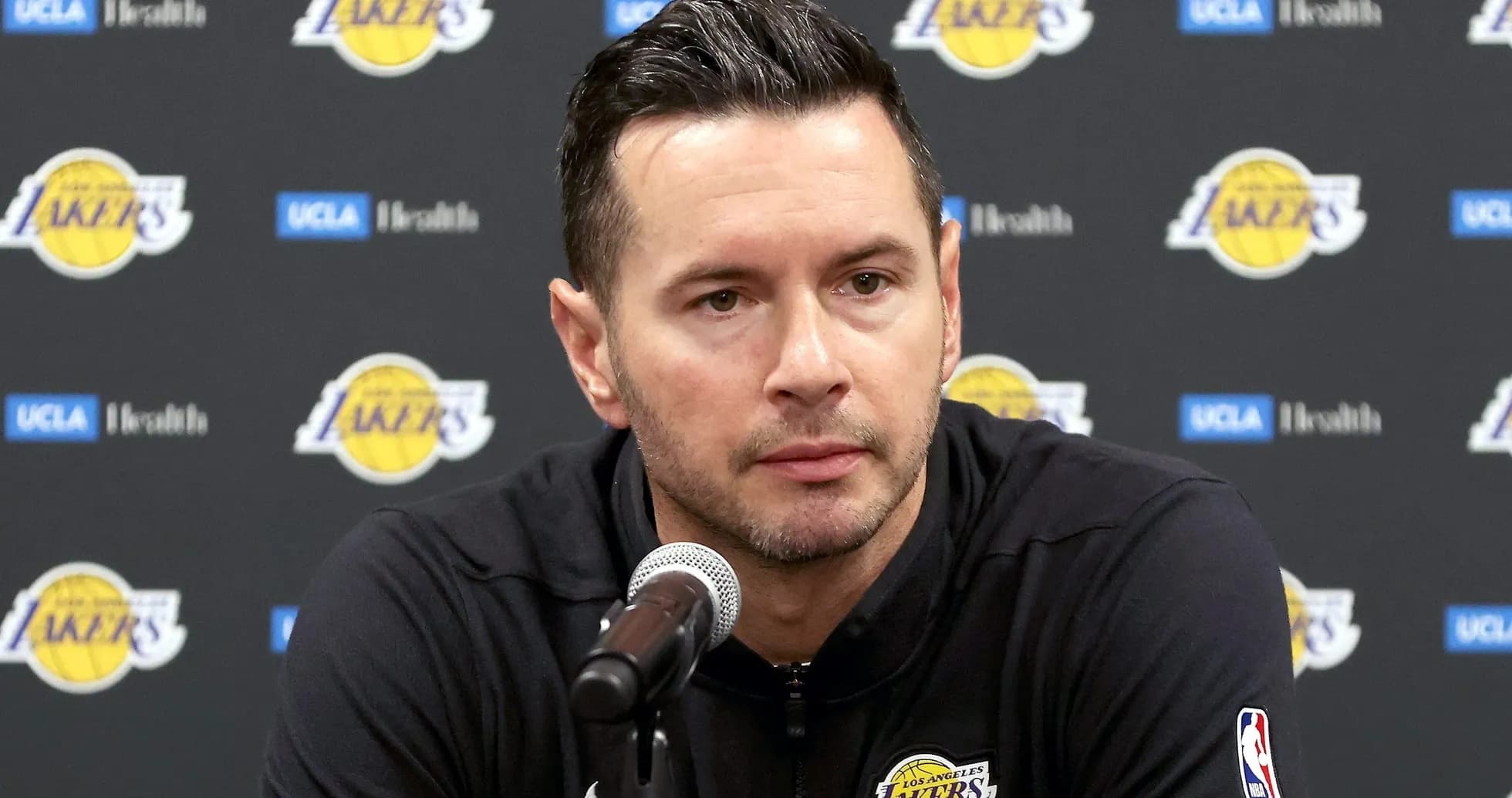
The Los Angeles Lakers are making noise again, and not the kind that helps a franchise steady itself around a generational star.
This was supposed to be a pivotal summer in the Luka Doncic era. Instead, the loudest tremors have come from the boardroom.
Ownership in Flux, Roster in Limbo
The organization has been engulfed in what one insider called “fire.” Mark Walter’s decision to sell the team for a staggering $12.5 billion to Bob Iger and Josh Kushner didn’t come in a vacuum. It arrived amid a federal investigation into Walter’s financials, followed by the Buss family attempting to offload its stake in the franchise.
That’s not background noise. That’s the soundtrack of uncertainty.
Against that backdrop, even the most natural fit walked away. Klay Thompson — son of a Laker legend, pushed toward Los Angeles by his own father — chose Miami instead. When a player with those ties passes on the chance to wear purple and gold, it raises a blunt question: are stars starting to look at the current state of the Lakers and deciding they’d rather be somewhere else?
The front office is still trying to build the right cast around Doncic, but every major personnel decision now has to fight through the haze of ownership instability and financial scrutiny. Time is running, and the roster still has holes. The biggest one sits right next to Doncic in the starting lineup: power forward.
Big Needs, Cooling Targets
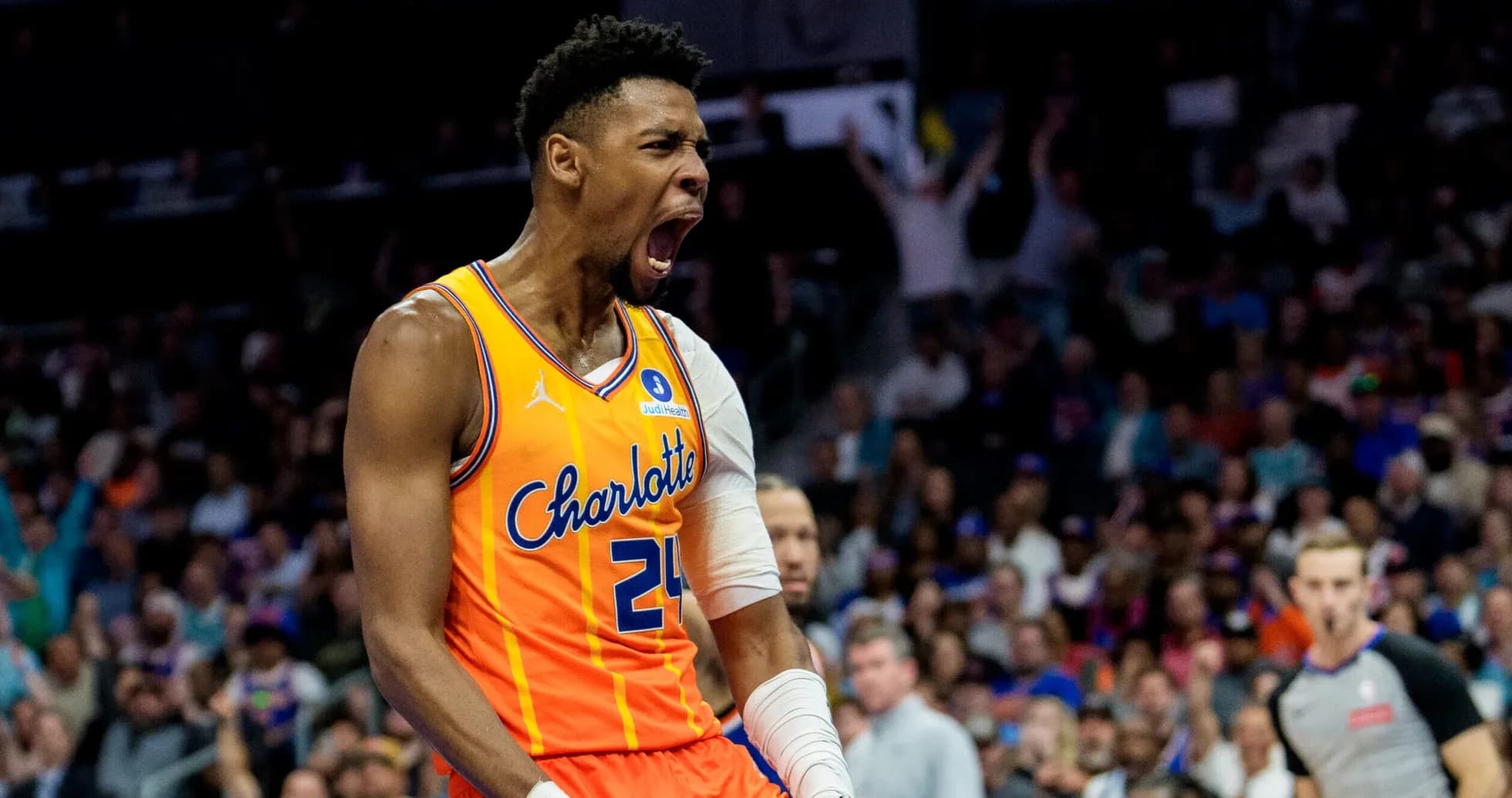
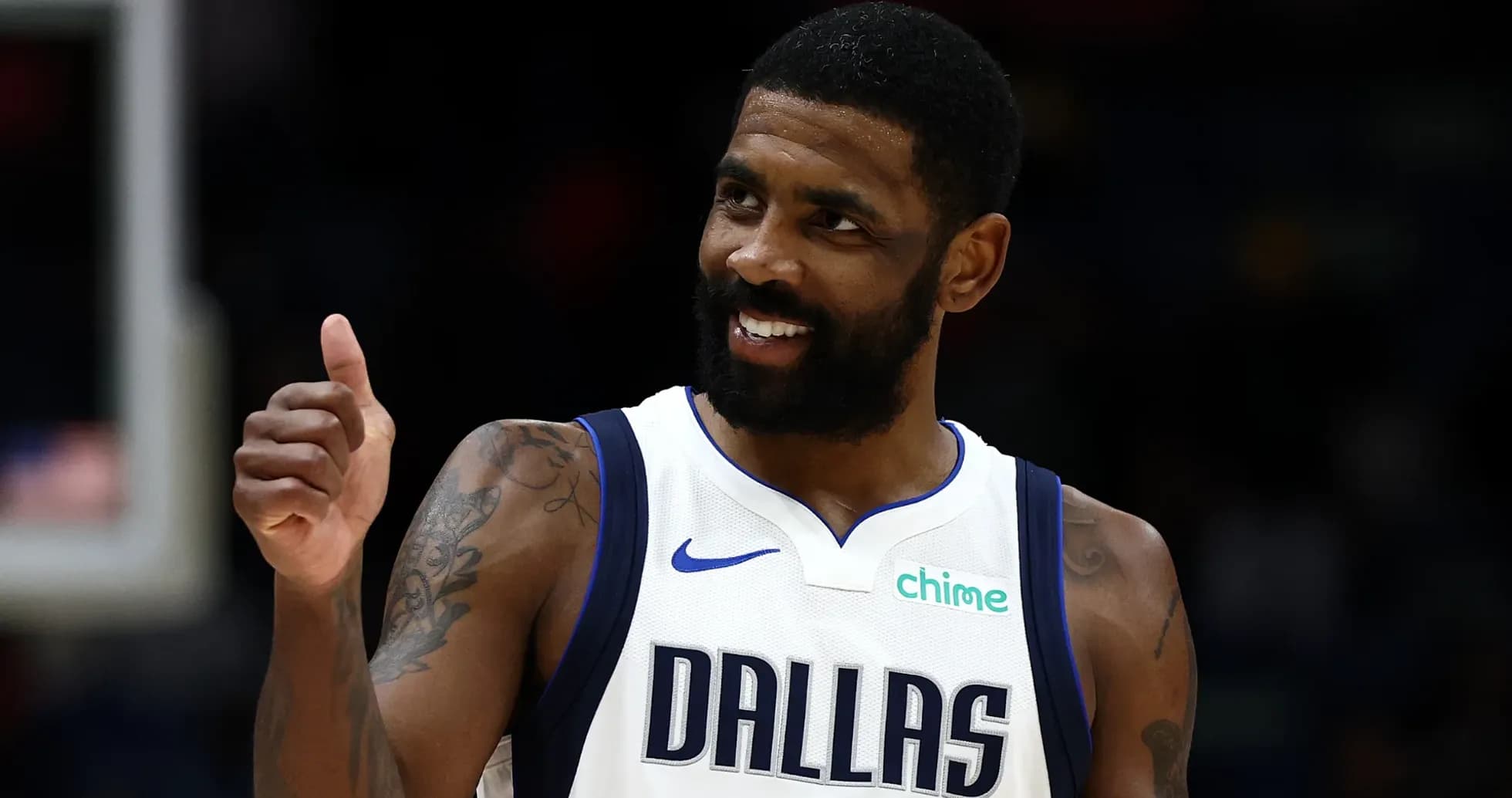
The Lakers have been thrown into almost every forward rumor this offseason. P.J. Washington. Derrick Jones Jr. Saddiq Bey. De’Andre Hunter. Names keep circulating. Availability does not.
The question inside league circles is simple: will Los Angeles actually push to land one of them?
Lakers insider Jovan Buha suggested the answer, at least on the higher-end options, is drifting toward no. He framed the dilemma through the lens that really matters: can that player start and survive against the league’s elite?
Buha pointed out that, at the very top level, confidence matters. He does not place players like De’Andre Hunter, Kyle Kuzma, or Grant Williams in the same tier of reliability as P.J. Washington or Derrick Jones Jr. when it comes to starting-caliber minutes — 24, 26, 28 a night — in the games that decide seasons.
His own preference was clear: go get Washington, go get Jones. The reality he described was very different.
The ownership situation, and the “T” hanging over the franchise at that level, looms over every potential move. The pressure has cooled what once looked like aggressive intent. According to Buha, the Lakers appear more likely to ride with what they have, perhaps trimming at the edges with a waiver, a two-for-one trade, or a salary dump.
Nothing seismic. Nothing that screams “all-in.”
He went further: he doesn’t expect a move of real significance at this stage. For a team with championship ambitions and a superstar in his prime, that’s a stark forecast.
Looking Inward, Not Outward
On paper, the obvious play is to package assets and bring in a starting forward who can plug in from Day 1. When the goal is to contend immediately, why stop short of that line?
Because the Lakers might not have the juice to cross it.
Their trade capital is underwhelming. The cap sheet is tight, hovering near the apron, which complicates any attempt to add meaningful salary. To bring in a real contributor, they’d almost certainly need to move a bigger contract like Jarred Vanderbilt’s.
That’s another problem. Around the league, Vanderbilt is said to have minimal to no trade value, weighed down by his injury history and the terms of his deal. He’s not the kind of contract that unlocks opportunity; he’s one that stalls it.
So the path forward narrows.
If the Lakers can’t outbid rivals for forwards like Washington or Jones, and if ownership turbulence keeps the front office cautious, the most realistic option becomes internal improvement and tactical tweaks. Trusting role players to stretch beyond their established ceilings. Asking coaches to manufacture lineups that can protect Doncic defensively and maximize him offensively without the ideal partner at the four.
It’s a risky way to live in a Western Conference that punishes hesitation.
The Lakers have their star. They have a fan base that demands contention, not just relevance. What they don’t yet have is the stable platform and decisive roster construction that usually underpin a title run.
For now, the roster looks close to set, the big swing shelved, the questions louder than the answers.
How long can a franchise with this much volatility at the top convince its superstar that patience is part of the plan, and not a symptom of drift?