.svg&w=384&q=75 "logo")
Liam Lawson Impresses in Madrid Despite No Trophy
Liam Lawson’s Madrid masterclass didn’t come with a trophy, but it said plenty about a driver quietly hardening into a Formula 1 regular.
On a tight, unforgiving new circuit where overtakes came at a premium and strategy decided almost everything, the Kiwi dragged his car from eighth on the grid to sixth at the Spanish Grand Prix – matching his best result of the 2026 season after identical finishes at Monaco and Silverstone.
Not spectacular on paper. Impressive in context.
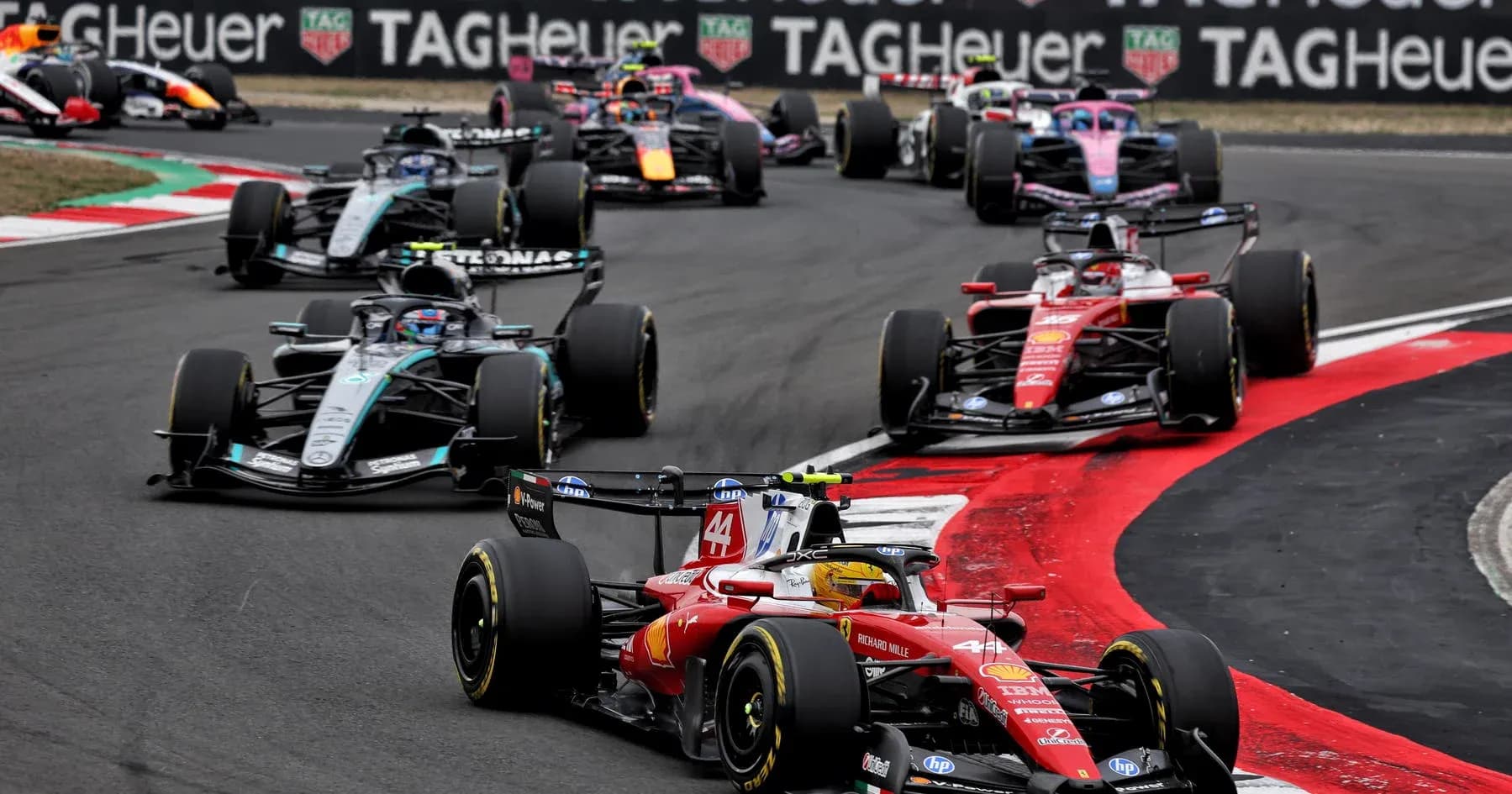
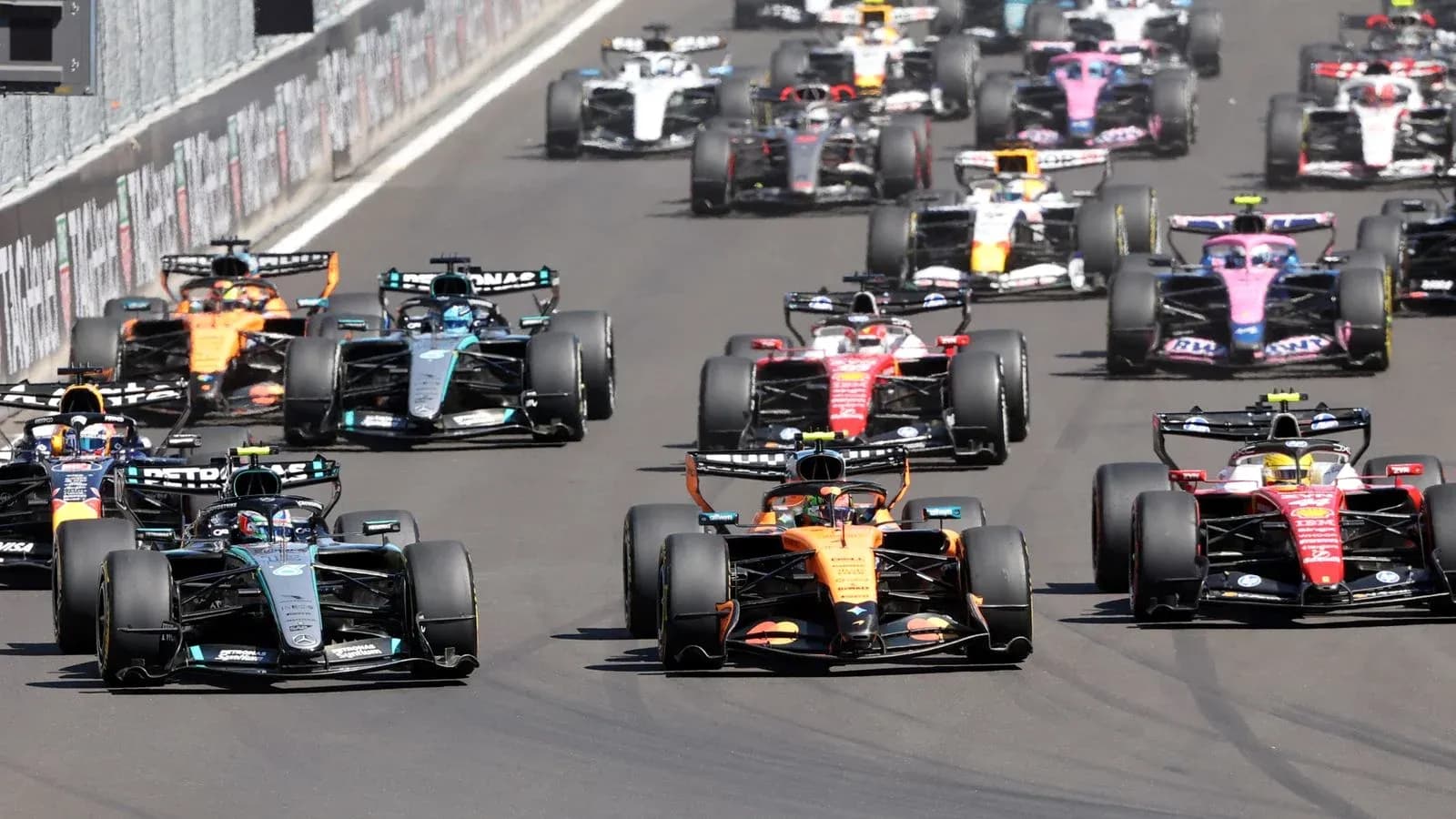
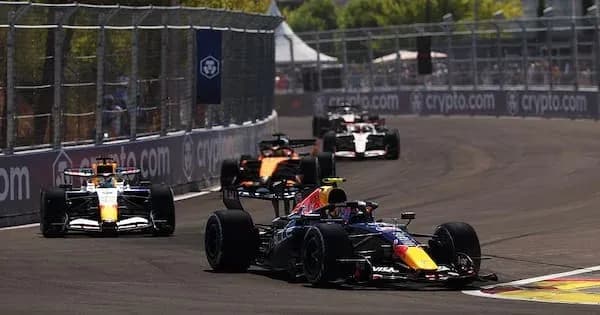
On the brand-new Madring layout, track position was gold dust. The opening lap was always going to matter, and so was the first roll of the dice on the pit wall. Lawson kept his nose clean in the early chaos, settled into rhythm, and when the race tilted on strategy, he was in the right postcode to cash in.
Up front, the story turned on a single moment.
Antonelli cashes in, Norris pays the price
Kimi Antonelli left Madrid with back-to-back wins, a bigger lead in the championship, and a slightly conflicted conscience.
The Italian, fresh from a come-from-behind triumph at Monza a week earlier, pounced when a virtual safety car on Lap 15 ripped the race away from Lando Norris. As Lance Stroll’s Aston Martin stopped with a brake problem, the field slowed and the calculators came out.
Antonelli dived into the pits. Norris couldn’t. He had already swept past the entry.
That split-second timing, and McLaren’s call not to cover it on the next lap before the VSC ended, turned the grand prix on its head. Norris’ stop came after the virtual safety car was lifted, cost him significantly more time, and was compounded by a delay on the right-front wheel. He tumbled back to fifth.
Antonelli emerged in clear air, then in control.
He had already been forced to hand back the lead once at Turn 1, after cutting the corner to avoid contact with Norris on the opening lap, but the pressure he applied in those early laps set the tone. When the race neutralised, he was perfectly placed to strike.
By the flag, the Mercedes driver had his eighth win of the year and a commanding 81-point cushion over teammate George Russell with nine rounds to go. Russell came home fifth, underlining Mercedes’ grip on the championship picture.
Antonelli knew exactly how the victory had been shaped. Over the radio, he acknowledged the slice of fortune that swung his way and later admitted that, on pure performance, Norris had “deserved to win.” He still banked the 25 points. Champions do.
Norris left empty-handed by timing and luck
For Norris, it was a familiar story: speed, control, and then the rug pulled away.
From pole, he managed the start under heavy pressure from Antonelli, reclaimed the place after that Turn 1 incident, and looked in command. The Madring’s lack of overtaking zones meant that as long as he controlled the pace and the pit window, the race was his to lose.
Then came Stroll’s stoppage, the VSC, and the one scenario that could truly hurt him. Every major rival bar Charles Leclerc got the cheap stop. Norris did not.
He rejoined in fifth, fought back to third, and still had the pace to sit on the podium behind Antonelli and Max Verstappen. It was small consolation. He described himself as “insanely unlucky” and talked of a race that “just got away” – and it had, not through errors on track but through a brutal quirk of timing and a strategy call that will be replayed at McLaren’s debrief for days.
Verstappen, solid rather than spectacular, slotted into second. He, too, had been forced to give a place back at the start after gaining an advantage off-track against Lewis Hamilton, but once the order settled, the Red Bull did what it usually does: maximise points, punish others’ misfortune.
Leclerc’s gamble fades, Ferrari’s mixed day
For a long stretch, this looked like Charles Leclerc’s race.
When the VSC came out, Ferrari rolled the dice. Leclerc stayed out, took the lead, and tried to run a different race to those behind him. With the hard tyres holding up better than expected, the gamble briefly threatened to pay off.
But the rules are the rules. A stop had to come at some point, and when it did, late in the race, the Monegasque dropped back to fourth. On a circuit where passing was scarce, there was no way back.
On the other side of the Ferrari garage, the misery came much earlier. Lewis Hamilton’s afternoon lasted only seven laps before a brake issue forced him to retire. After a bruising Italian Grand Prix, where he finished sixth following an early clash with Leclerc, this was another weekend to endure rather than enjoy.
Home heroes collide as Madrid returns
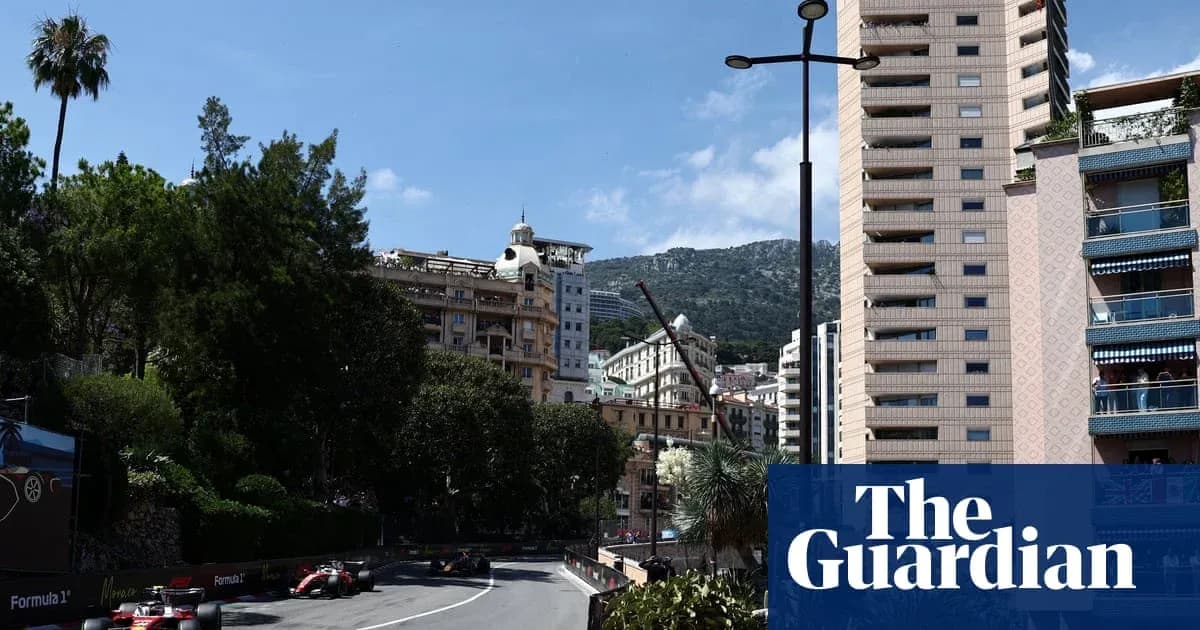
Spain’s return to the Formula 1 calendar after 45 years was supposed to be a celebration. The last time the championship raced in the Madrid region was at Jarama in 1981. This time, the city itself wrapped around the new Madring, Spanish King Felipe VI watched from the paddock, and organisers targeted a weekend attendance of around 350,000.
For the home drivers, it was a nightmare.
Fernando Alonso and Carlos Sainz both started near the back and then tripped over each other in the early laps. Their touch left Alonso furious.
“He squeezed me into the wall,” he said, accusing Sainz of an over-aggressive start in which the Ferrari man had already clashed with others. Stewards handed Sainz a five-second penalty for the incident, but his race never recovered. He later retired with a car problem, closing out a dismal home grand prix.
Alonso limped on, but the damage – competitive and emotional – had been done.
Away from the track, Madrid’s new era as a Formula 1 host city did not arrive without resistance. A few hundred residents from northern neighbourhoods marched before the race, wearing bright yellow shirts and holding signs demanding “Stop Formula 1 in Madrid,” citing noise, road closures, and environmental concerns around a 10-year contract.
Inside the fences, the noise was different: engines, air horns, and the roar that greeted every pass, every pit stop, every near-miss.
In that cauldron, Liam Lawson quietly banked another sixth place, another marker of consistency in a season where he keeps nudging the ceiling of his machinery. On a day decided by split-second luck and strategy calls, the Kiwi didn’t need chaos to climb.
He just needed a clean race on a brutal circuit. He delivered it.