.svg&w=384&q=75 "logo")
Lakers' Roster Overhaul: Building Around Doncic and Reaves

The Los Angeles Lakers spent the summer tearing up the blueprint. Now the question hangs over them: did they build a contender, or just a different kind of uncertainty?
LeBron James is gone. The franchise chose to let the greatest player in its modern history walk and handed the keys fully to Luka Doncic, with Austin Reaves as his main running mate. Around them, almost everything changed.
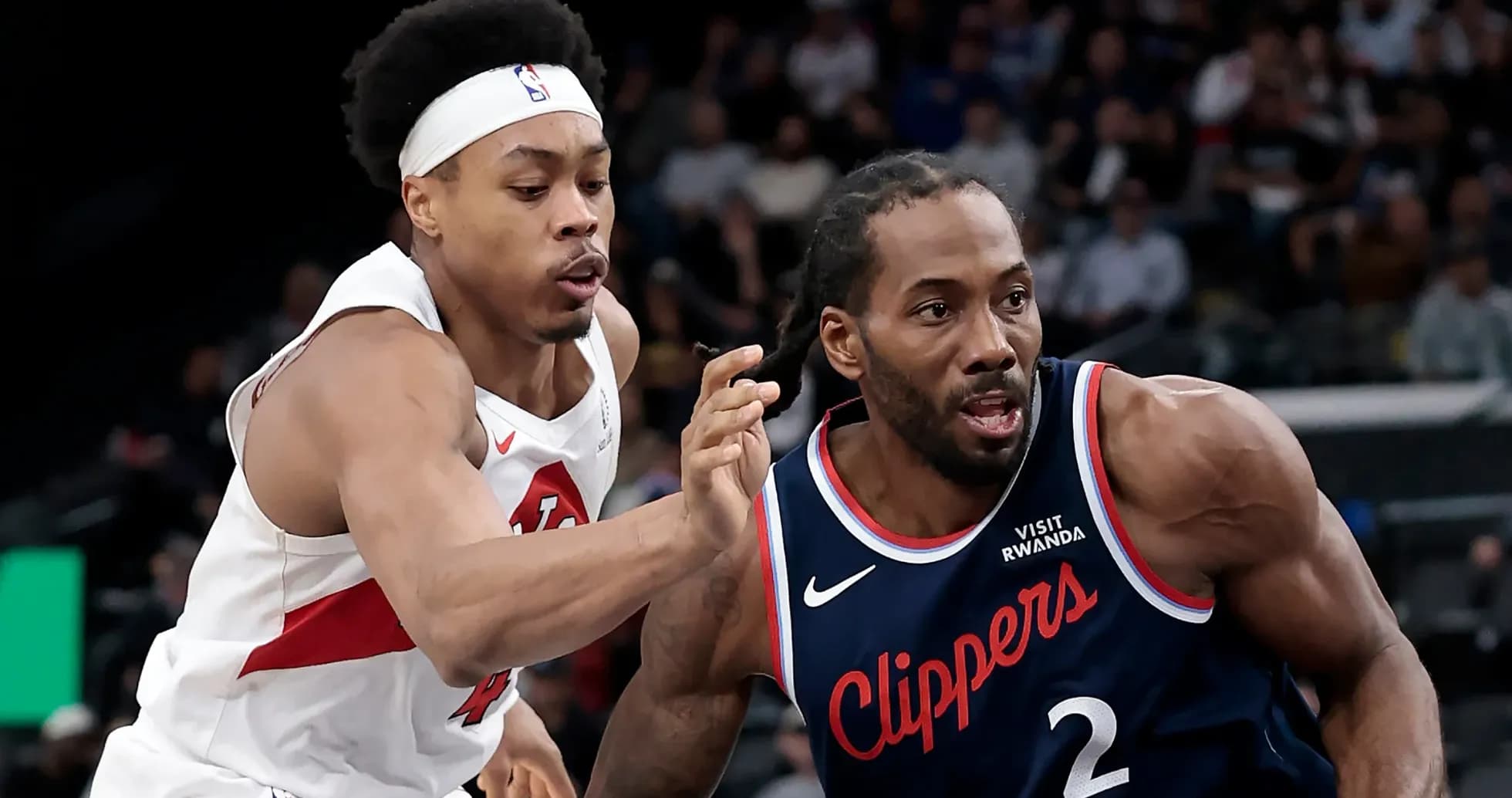
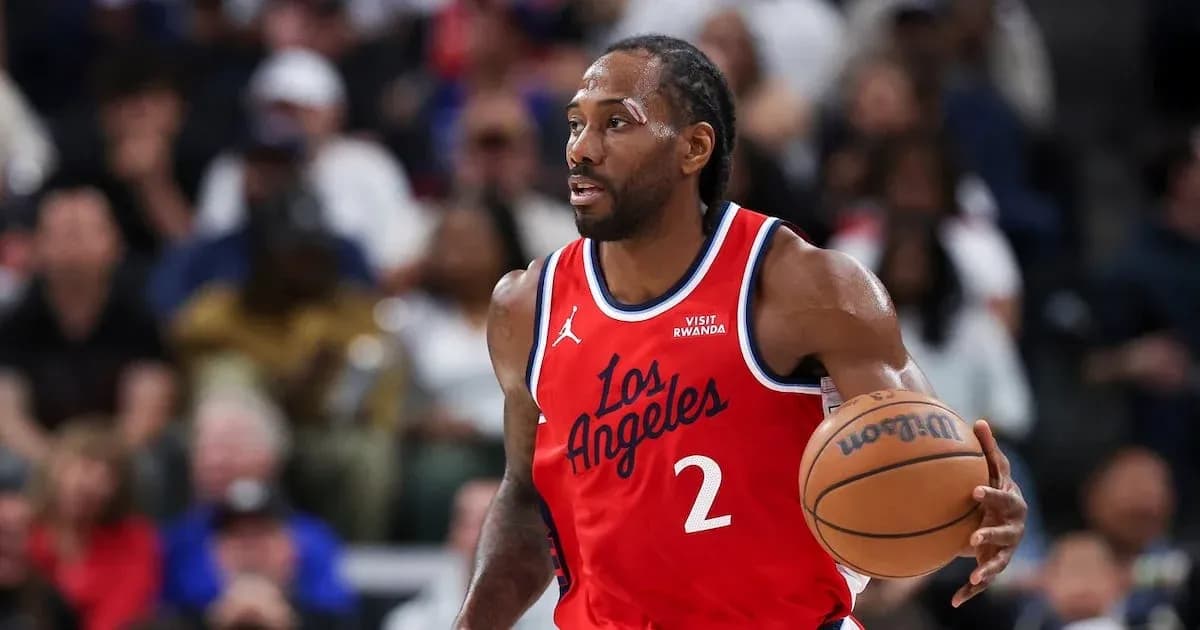
Walker Kessler, Sandro Mamukelashvili, Quentin Grimes, Collin Sexton, Kevon Looney, Jaden Hardy, Matisse Thybulle and Ziaire Williams are in. James, Rui Hachimura, Marcus Smart, Luke Kennard, Deandre Ayton and Jaxson Hayes are out. It’s a sweeping overhaul that has drawn as much skepticism as intrigue.
ESPN’s Zach Kram summed up the dilemma: the Lakers were arguably the busiest team of the offseason, but activity doesn’t guarantee progress. Depth pieces like Thybulle and Williams make sense. Losing James’ production, even at 40, does not. The roster now looks heavier, but less flexible. And no one can say with conviction that this team is closer to a title.
That verdict will come in May and June, not in September. For now, the real question is simpler: have the Lakers put the right players around Doncic to squeeze every ounce out of his prime?
Sexton Solves a Need, Creates a Headache
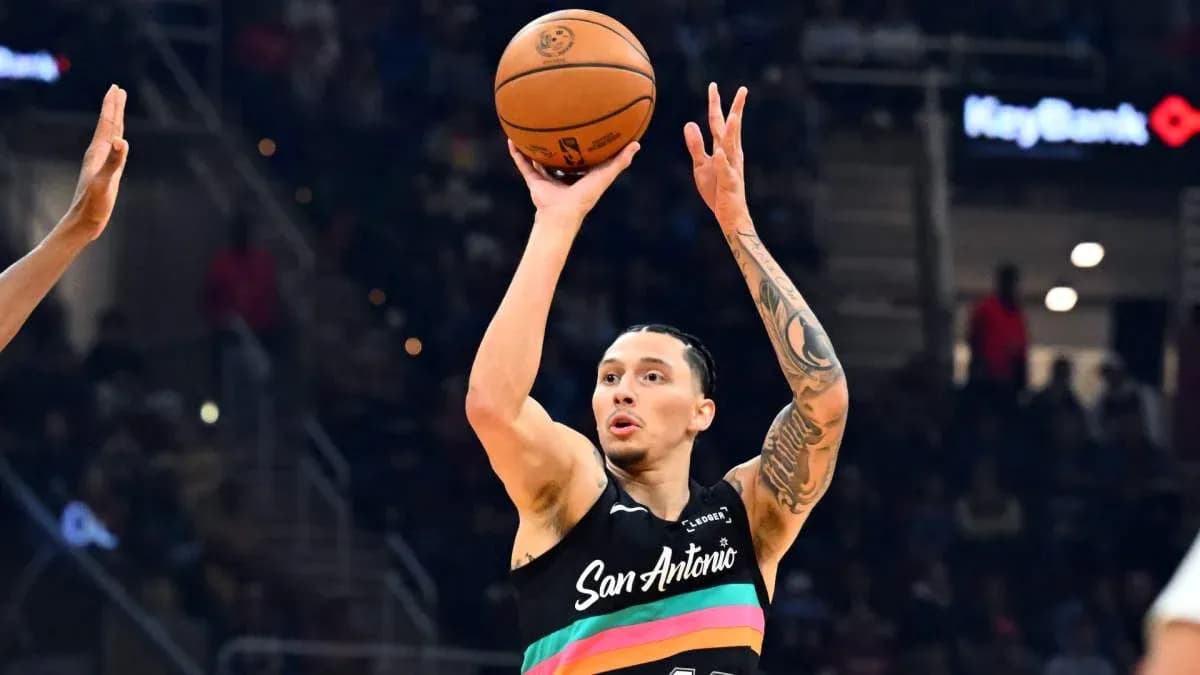
On paper, Collin Sexton answers a long-standing issue. The Lakers have chased a reliable backup point guard for years, someone who can run the offense when Doncic sits and keep the attack organized when defenses crank up the pressure.
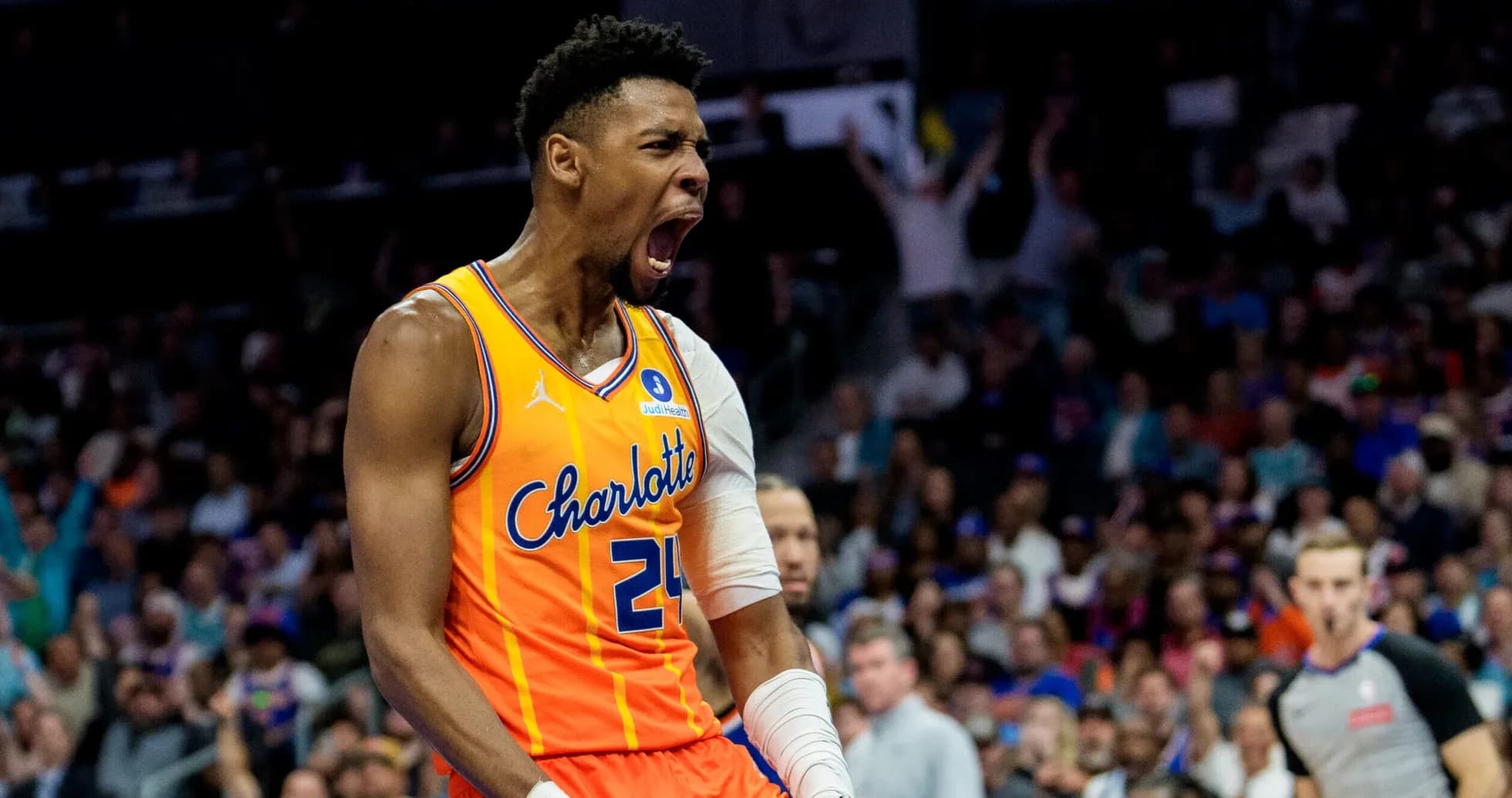
Sexton, 27, fits that bill. He once averaged over 24 points and four assists per game for the Cleveland Cavaliers in 2020-21. Last season with the Charlotte Hornets, he put up 14.2 points and 3.7 assists per night. He can score, he can initiate, he competes. Outside of Doncic, he might be the only true table-setter on the roster.
Yet inside the organization’s orbit, not everyone is convinced the fit holds up when the lights get harsh.
“I think this has been my biggest gripe with the Lakers roster construction,” team insider Jovan Buha said. He sees the logic in adding a backup point guard, acknowledges the box is checked. The issue comes when you start drawing up closing lineups.
To finish games at the highest level, the Lakers will almost certainly want Doncic and Reaves on the floor. That’s two guards who need the ball and have to be protected in certain matchups defensively. Add Sexton, and you’re staring at a three-guard lineup that could be hunted relentlessly in playoff series against the likes of Oklahoma City, San Antonio or New York.
“Due to Sexton’s defensive limitations, I think there is a limitation to how much he can play with Austin and Luka,” Buha said. “And because of that, I don’t think he can close games at the highest level, and I don’t think he can play that much against OKC and San Antonio and New York and teams of that caliber come playoff time.”
That’s a brutal reality for a player signed to be more than a spot-minute reserve.
Minutes, Roles, and a Ceiling Question
The numbers tell one story. Sexton has already produced at something close to an All-Star level in the past. His scoring punch and on-ball creation are not theoretical.
The context tells another. On this roster, with this construction, Buha sees Sexton as more of a 16–18 minutes-per-game player in the postseason, not the 24–26 minute option he can be during the grind of the regular season.
“Maybe he’s more of a 16 to 18 minute-a-night guy instead of being a 24 to 26 minute-a-night guy like he is in the regular season,” Buha said. From there, the critique sharpens: if those are the constraints, should the Lakers have invested that money and role in a different type of player? Someone who could defend up a position, slide into closing groups with Doncic and Reaves, and patch the frontcourt rather than crowd the backcourt?
Sexton “fills a need,” Buha admitted, but he doesn’t necessarily complement the best players. He functions as high-level insurance if Doncic or Reaves miss time — and with both, you can probably pencil in 10 to 15 games on the sideline. In those stretches, Sexton’s value spikes. He can keep the offense afloat, carry possessions, and soak up usage.
Once everyone is healthy, the calculus changes. The Lakers’ ceiling, Buha argued, “caves here,” not because Sexton is a bad player, but because the team’s upside hinges almost entirely on the availability and dominance of Doncic and Reaves. Every dollar and rotation slot that doesn’t amplify them becomes a luxury, not a necessity.
The Missed Opportunity in the Frontcourt?
That’s where the roster-building debate turns. Had the Lakers handed a multiyear deal to a starting-caliber power forward instead of Sexton, would the questions be this loud?
Maybe not.
A versatile four who can defend, rebound, and space the floor beside Doncic would have addressed some of the most obvious structural issues. It would have given the coaching staff more options in closing lineups and shored up the areas that tend to decide playoff series: size on the glass, switchability, and the ability to survive when the game slows and every possession turns into a half-court war.
Instead, they chose to deepen the guard rotation and trust that Kessler, Looney and the rest of the frontcourt committee can cover the gaps. It’s a gamble on depth over clean, top-end fit.
Sexton himself remains a potentially high-impact player. His versatility as a scorer and ball-handler is real. But on this roster, his strengths risk being muted if the Lakers’ bigger issues — defensive balance, lineup versatility, and late-game matchups — keep bleeding into the spring.
The Lakers didn’t just bet on talent this summer. They bet on a specific idea of how to win around Luka Doncic and Austin Reaves. If that vision holds, Sexton will look like a shrewd, if imperfect, piece of the puzzle.
If it doesn’t, he may come to symbolize something else entirely: a team that moved fast, worked hard, made bold choices — and still might have looked in the wrong place when it mattered most.