.svg&w=384&q=75 "logo")
Kimi Antonelli's Monza Miracle: Defying the Odds
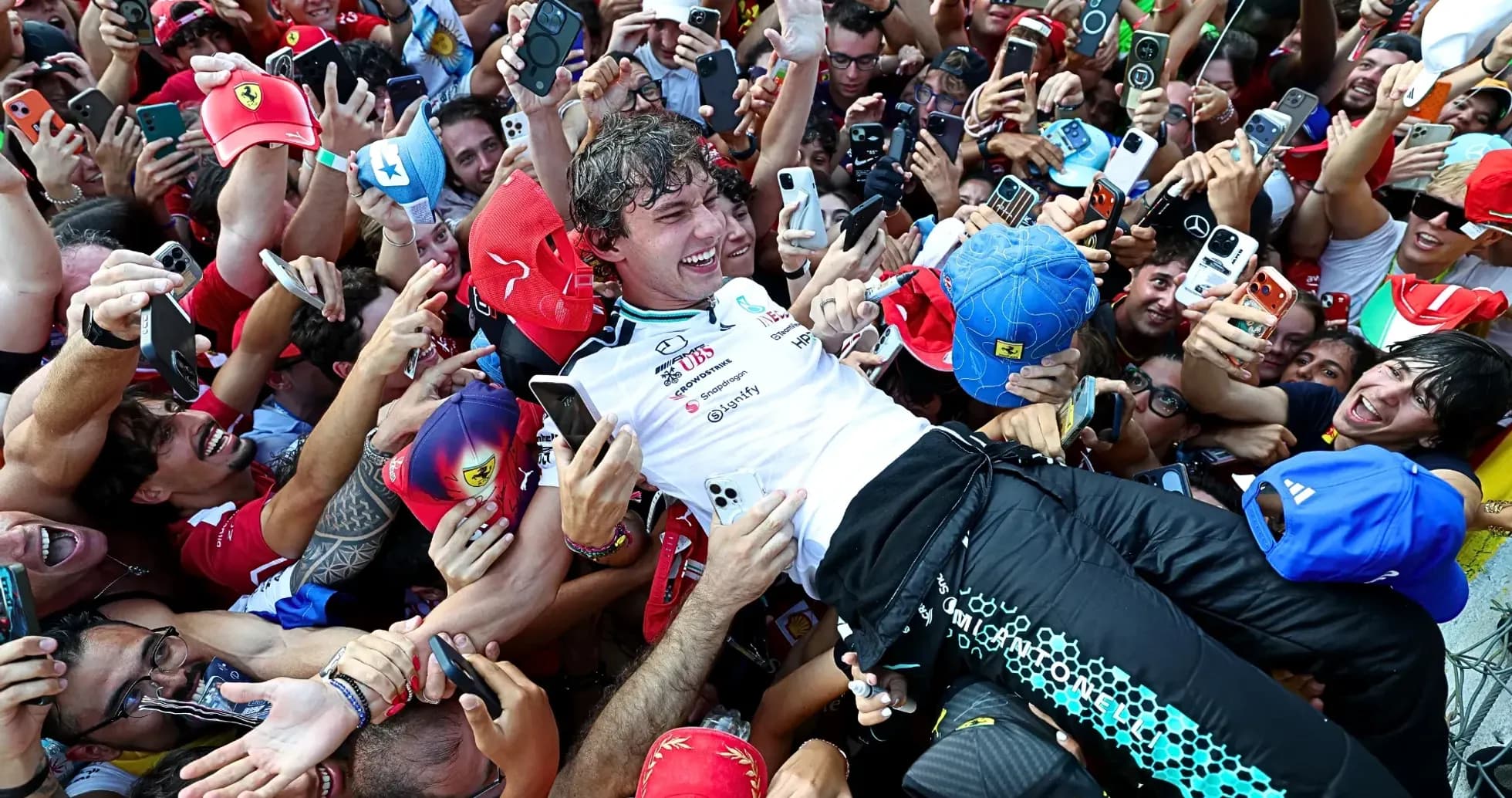
Kimi Antonelli sat 19th on the grid at Monza, staring up the road at a home race that Mercedes’ computers had already written for him.
The numbers said this wasn’t his day. The algorithms had spoken.
A back-of-the-grid engine penalty at the Italian Grand Prix, sanctioned not by sentiment but by software, left the local favourite buried in the pack. Mercedes boss Toto Wolff was blunt about it: the system that governs their power-unit pool “doesn’t take [drivers’] nationality into consideration”. The machine saw only mileage, risk, and probability. Not the flags in the grandstands. Not the noise.
For Antonelli, it meant sacrificing his home start to protect the long game. For the crowd, it felt like a gut punch.
The same models that pushed him to the back dealt another blow. They told the team there was no realistic path to victory from 19th. The projections placed him somewhere around fifth, maybe a heroic charge into the top five if everything broke his way. That was the ceiling.
Then the lights went out.
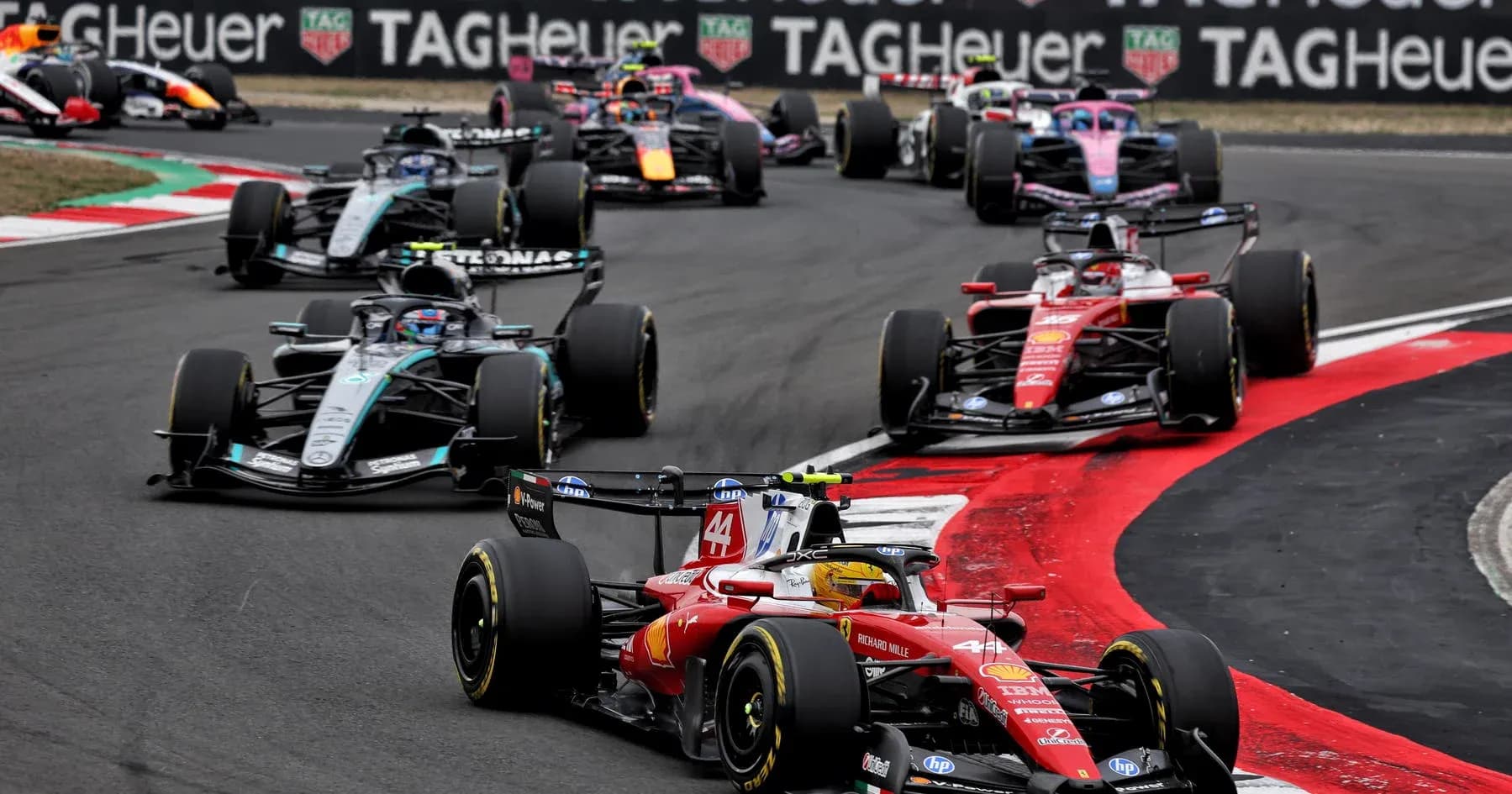
What followed shredded the script. Corner by corner, lap by lap, Antonelli ripped through the field with a controlled fury that turned a mathematical exercise into a visceral spectacle. By Lap 18, in front of the tifosi who had expected a damage-limitation Sunday, the impossible flashed up on the timing screens: Antonelli, P1.
The comeback was monumental, the kind that bends a race around a single driver’s will. Yet even with track position won, the numbers still loomed over him. His tyre strategy, built on the same data that had consigned him to the back, pointed to a hard limit. Second place. That was the best the models allowed, the line they refused to cross.
On a day owned by algorithms, Antonelli turned Monza into a reminder: you can map the odds, simulate every stint, and run a thousand virtual races.
You still have to drive the real one.