.svg&w=384&q=75 "logo")
Luciano Spalletti on Juventus' Transfer Market Realities
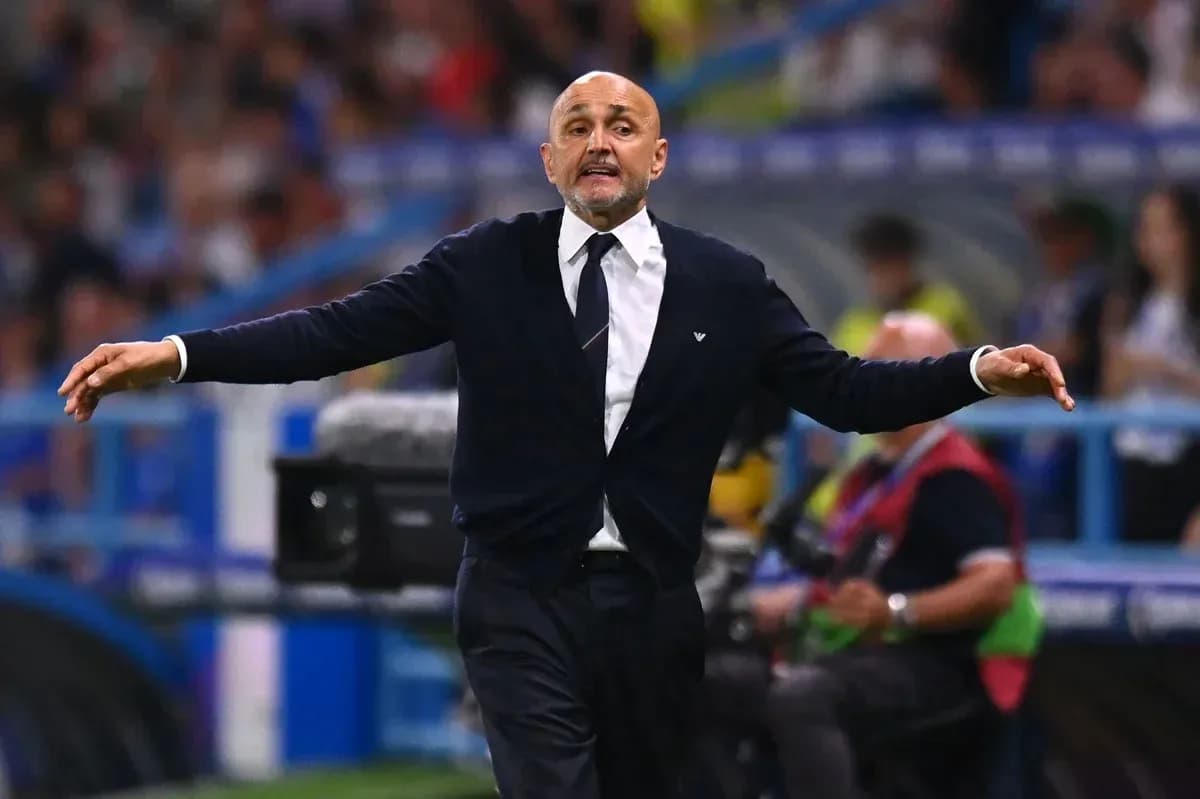
Luciano Spalletti has never been one for illusions. Not on the pitch, and certainly not in the transfer market.
Looking back on Juventus’ summer business, the coach cut through the usual end-of-window noise with a blunt verdict: the perfect mercato is a fantasy.
“Only the possible market exists”
Speaking via Gianluca Di Marzio, Spalletti framed the window in stark, pragmatic terms.
“The perfect transfer market no longer exists, only the possible one exists,” he said, laying out a philosophy forged over years of navigating tight budgets, late twists and deals that never quite materialise.
He had asked for specific profiles. Juventus tried to deliver some of them. Some targets arrived, others slipped away. That tension between desire and reality is where every modern coach now lives.
Spalletti didn’t hide the fact he had hoped for deeper changes to his squad. He wanted more stars, more tools, more options. But he also made it clear he understands the limits any club faces.
There is scouting, he pointed out: the long, detailed work of identifying players who fit different characteristics. Then there is the chaos. An unexpected opportunity. A rival bid. A sudden injury. A deal that collapses an hour before the deadline. Plans bend. Sometimes they break.
“Sometimes you make a plan of action and the others are better,” he admitted. “You have to adapt to what happens in the dynamics.”
That, in his eyes, is where Juventus’ directors earned their credit. Spalletti praised them for “fitting into the right contexts and adapting to what the market has to offer,” a nod to a club that had to read the room, react quickly and accept compromise when necessary.
A squad built on compromise – and opportunity
Juventus did not rip everything up. They did not deliver the kind of blockbuster revolution that fills headlines and sells shirts. What they did, in Spalletti’s view, was work within their circumstances and still emerge stronger.
There are “several” new arrivals he is more than happy with. Pieces he believes can shift the level of the team. Yet the sense lingers that, given a freer hand and a looser budget, he would have gone further.
That tension will define the season. This is not the squad of a manager who got everything he wanted. It is the squad of a manager who knows he never would.
So the focus now is not on what Juventus failed to sign, but on what they did. The work starts on the training ground, where Spalletti must knit the new faces into the old structure, smooth the rough edges and turn a patchwork window into a coherent team.
Now it’s on the pitch
The equation is simple. If the new signings hit their stride, Juventus can mount a serious push and fight for trophies. If they don’t, the gaps left by an imperfect mercato will grow more visible with every dropped point.
Spalletti’s comments carry a clear message: the club, in his eyes, made the best choices available in a market that rarely bends to one man’s will. The excuses stop there.
The rest of the campaign will reveal whether “the possible market” was enough for a club that still measures itself by silverware.