.svg&w=384&q=75 "logo")
Jalen Green’s Future in Phoenix: Trade Talks Heat Up
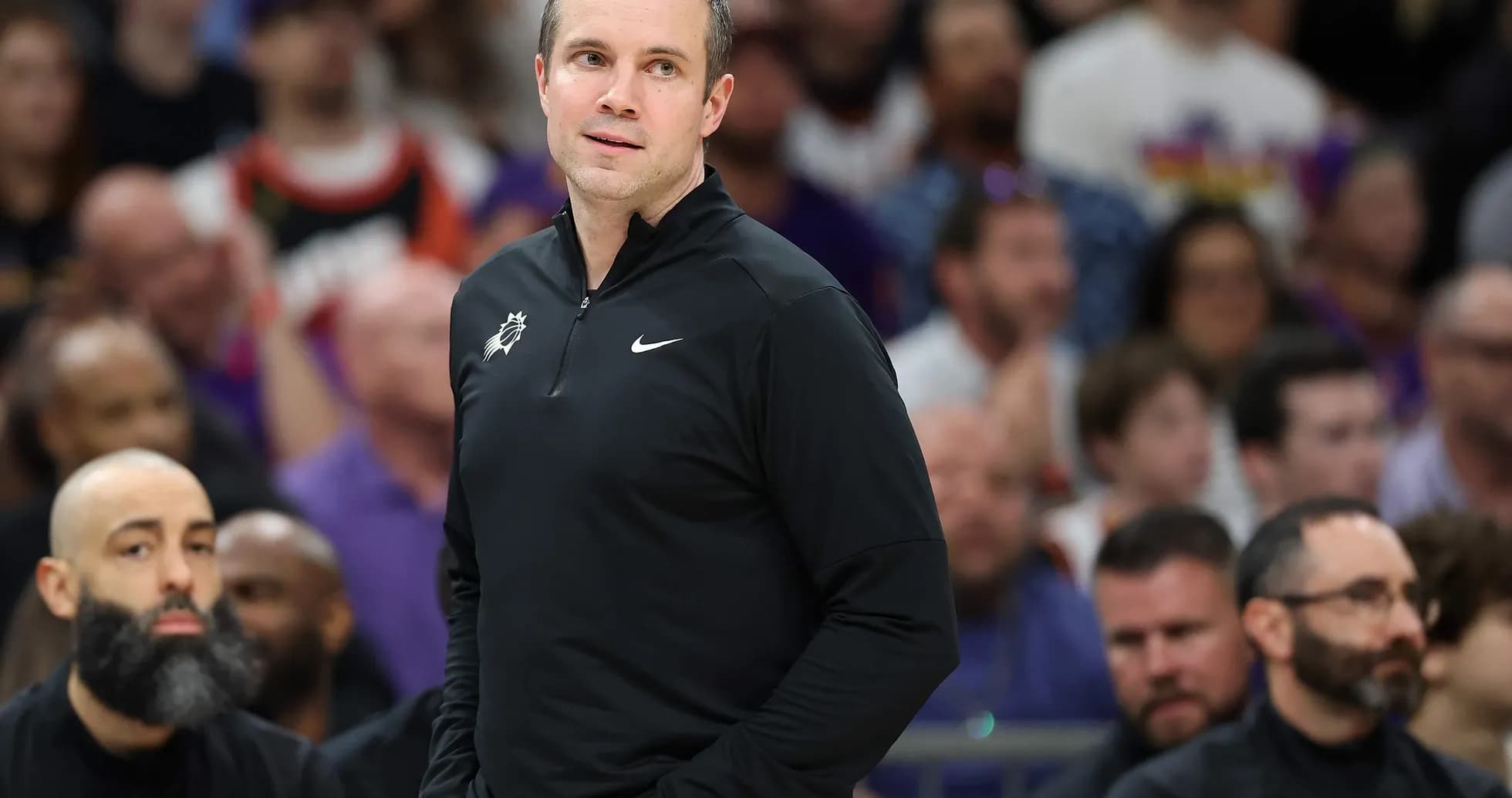
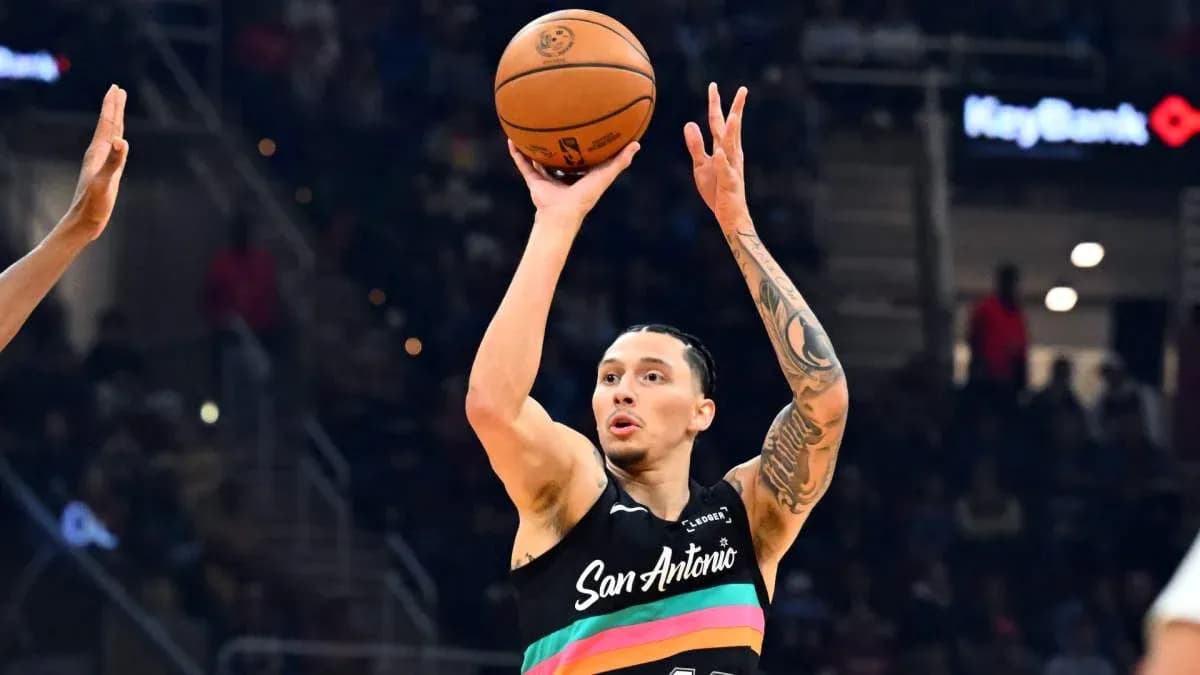
The Suns don’t have much time left before the 2026-27 season tips off, but they still have one big question hanging over their backcourt: what exactly do they want to be with Jalen Green next to Devin Booker?
Greg Swartz of Bleacher Report has thrown fresh fuel on that debate, tagging Green as a “sneaky” trade candidate as training camps loom. The logic isn’t complicated. The numbers, and the eye test, haven’t fully backed the Green–Booker pairing.
Numbers That Don’t Quite Add Up
Phoenix invested heavily in Green as a dynamic scoring guard, but the fit alongside Booker has looked clunky rather than complementary. When Booker shared the backcourt with Ryan Gillespie last season, the Suns posted a net rating of plus-8.7, good for the 87th percentile. Swap Gillespie out for Green, and that number slid to plus-2.8, down to the 65th percentile.
That’s not a disaster. It’s just not what you want from a backcourt that eats up so much of your cap sheet.
It stings a little more when you factor in cost. Gillespie just signed a four-year, $48 million deal, roughly a third of Green’s annual money. If the cheaper option drives better lineups with your franchise star, the front office has to at least pick up the phone.
Green’s individual production still carries weight: 17.8 points, 3.6 rebounds, 2.8 assists and 1.1 steals in 25.9 minutes per game last season. He scores in bunches, changes tempo, and forces defenses to react. But on a roster built around Booker’s all-court shot creation, the Suns need the guard next to him to amplify his strengths, not overlap them.
So the question isn’t whether Green can play. It’s whether Phoenix can afford this particular version of him.
Contract Clock Is Ticking
The financial backdrop makes the conversation unavoidable.
Green is in the middle of the three-year, $106 million rookie extension he signed with the Houston Rockets back in October 2024. Two years and more than $72 million remain. He’s owed $36.2 million for the 2026-27 season, with a $36 million player option for 2027-28.
That option looms large. Green can decline it and hit unrestricted free agency next summer, walking away for nothing if the Suns haven’t moved him or re-upped him by then.
For a franchise that has already pushed chips into the middle of the table, losing a 24-year-old high-upside guard for no return would be brutal. If Phoenix doesn’t see him as part of its long-term spine, the smart play is obvious: explore the market now, when his age, scoring profile and contract structure still make him a premium asset.
At 24, Green is likely still a couple of seasons away from his peak. That’s the kind of timeline that tempts retooling teams and contenders searching for one more offensive gear.
Who Might Come Calling?
Swartz highlighted three logical suitors: the Brooklyn Nets, Los Angeles Clippers and Dallas Mavericks.
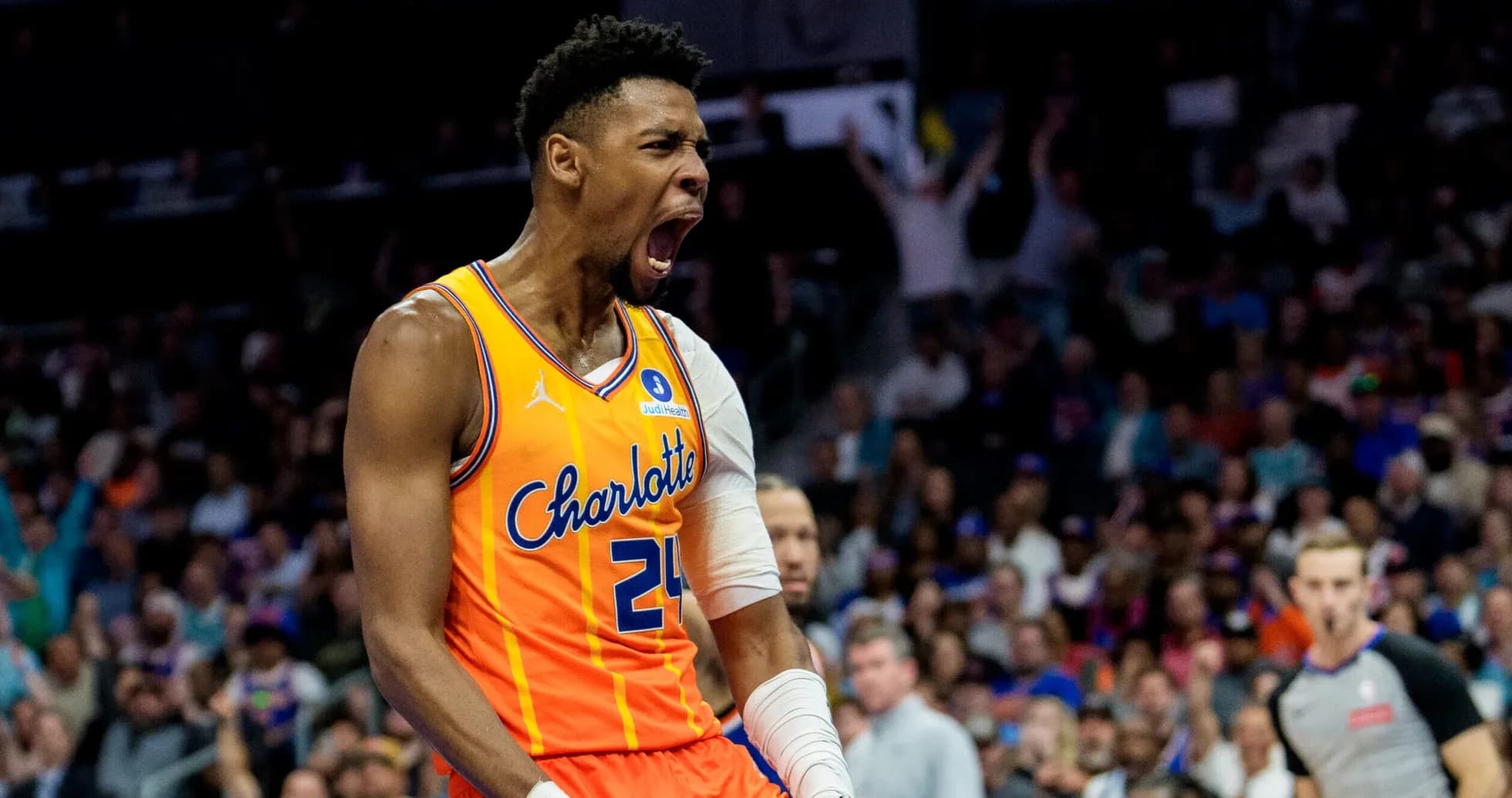
Brooklyn, still trying to claw its way back into the Eastern Conference conversation, could hand Green the kind of green light Cam Thomas has enjoyed—only with more pedigree and, in theory, more two-way upside. For a team short on star power, a young scorer with room to grow is exactly the kind of swing that can reset a trajectory.
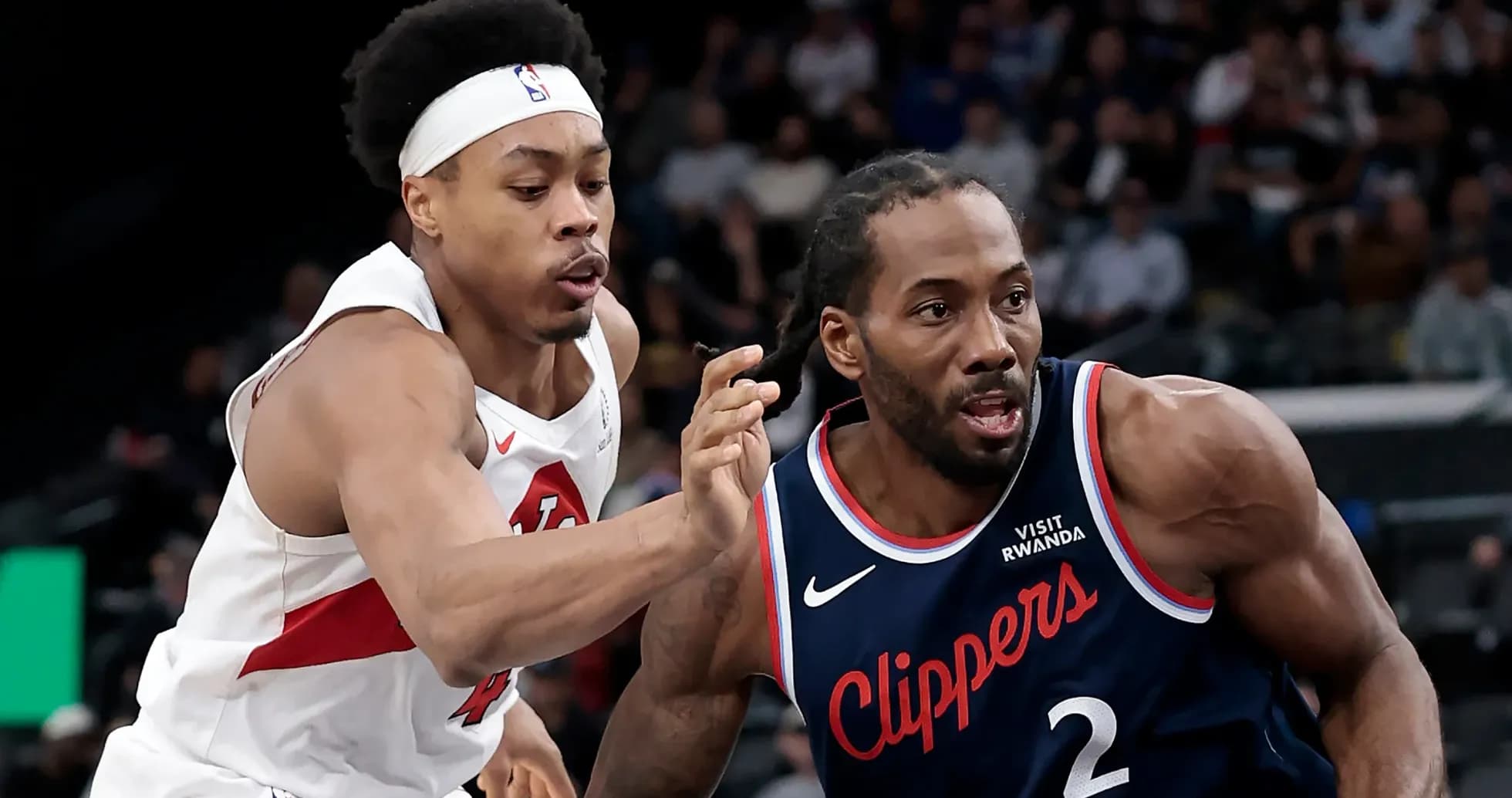
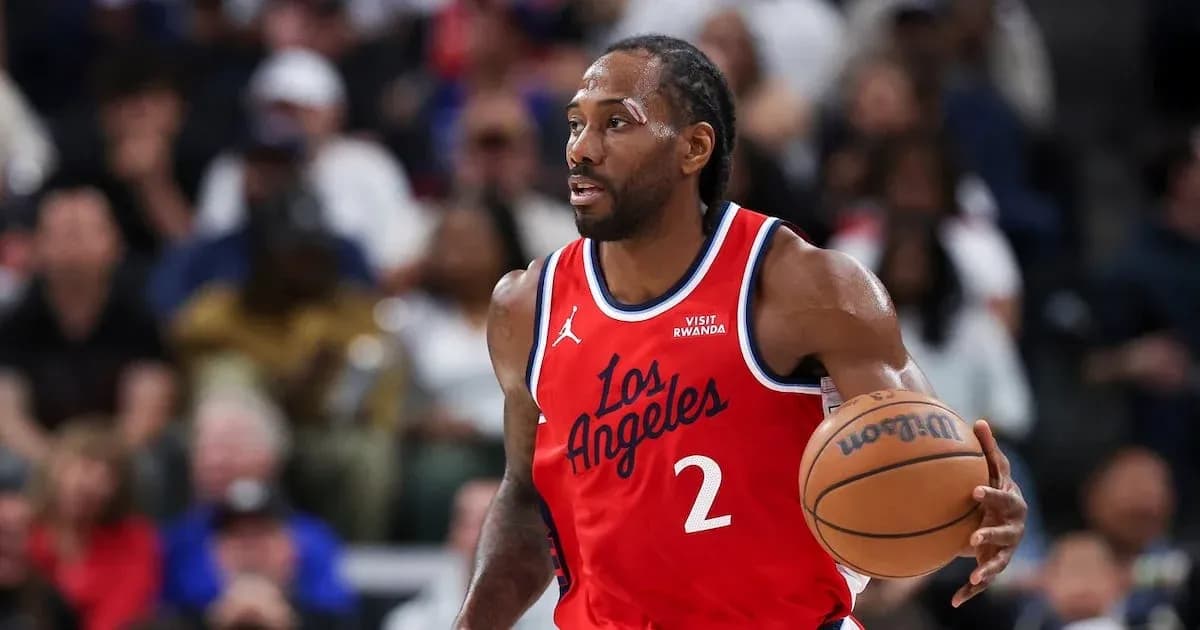
The new-look Clippers present a different kind of opportunity. Slotted next to Darius Garland in the backcourt, Green could lean into what he does best: attack, finish, and pressure defenses, while Garland handles the bulk of the orchestration. That kind of balance has appeal for a team reshaping its identity after years of star-heavy, injury-riddled builds.
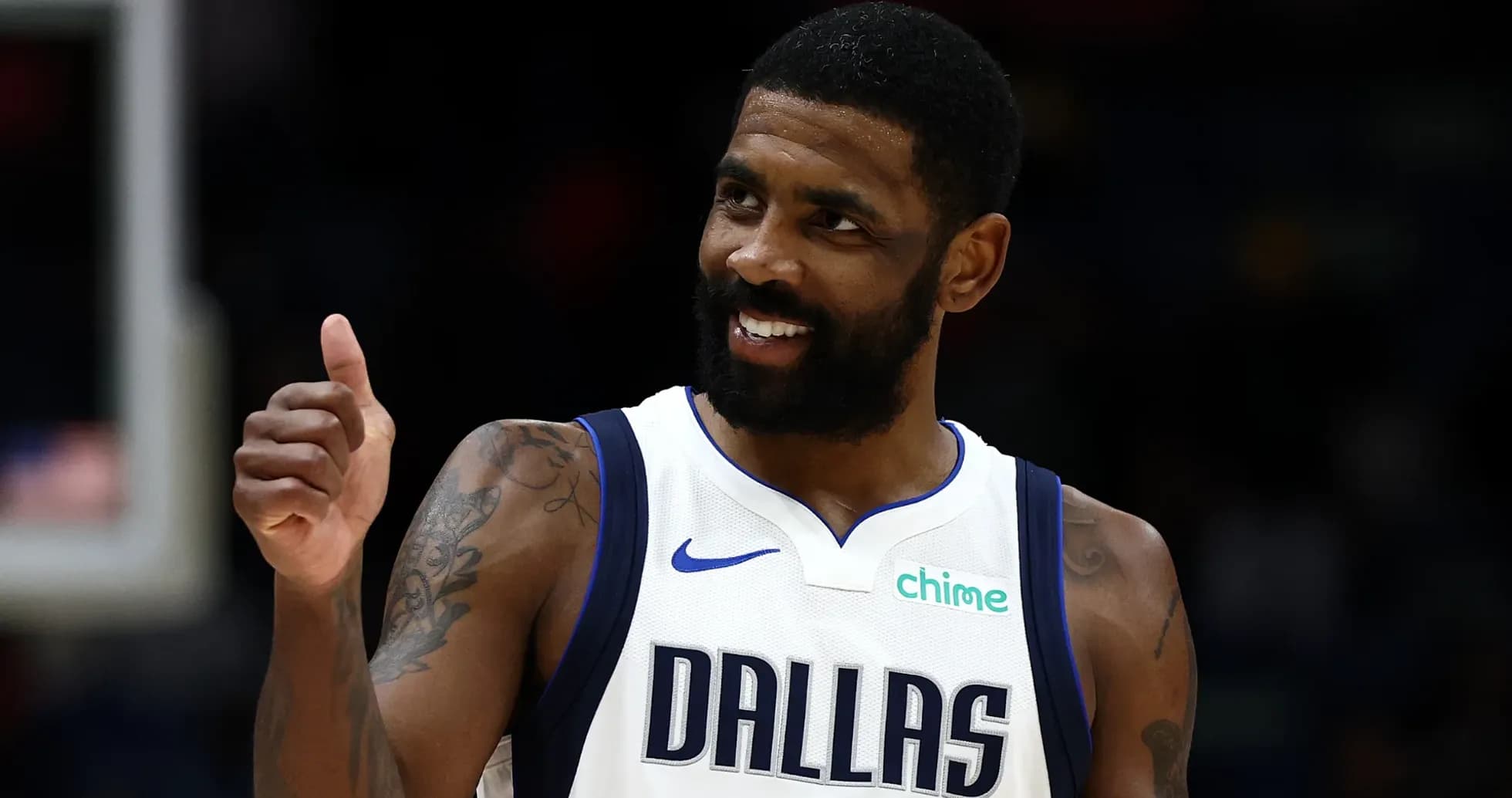
Dallas, meanwhile, doesn’t need Green to be a primary engine. Luka Dončić and Kyrie Irving already command that role. What the Mavericks do need is sustained scoring punch from the backcourt when one of their stars sits and a third weapon who can tilt a playoff game with a hot quarter. Green fits that profile. He can punish second units, space the floor, and give Dallas another option when defenses load up on Dončić.
Each scenario offers Green a slightly different role. Each also offers Phoenix potential pathways to rebalance a roster that still orbits around Booker’s prime.
Phoenix’s Choice
This is where it gets uncomfortable for the Suns.
They traded for Green with the idea that his explosiveness and upside could grow alongside Booker. One year in, the data hints at an awkward overlap instead of a seamless partnership, and the cap sheet is unforgiving. The franchise can keep betting on internal chemistry and incremental improvement, or it can accept the evidence and act before leverage slips away.
Green’s talent guarantees interest. His age and contract structure guarantee urgency.
The Suns can either reshape their backcourt now, on their own terms, or risk watching a 24-year-old scorer walk away at the exact moment he’s ready to become the player they thought they were getting.