.svg&w=384&q=75 "logo")
Hamilton’s Zandvoort Anger Should Have Been Handled Differently
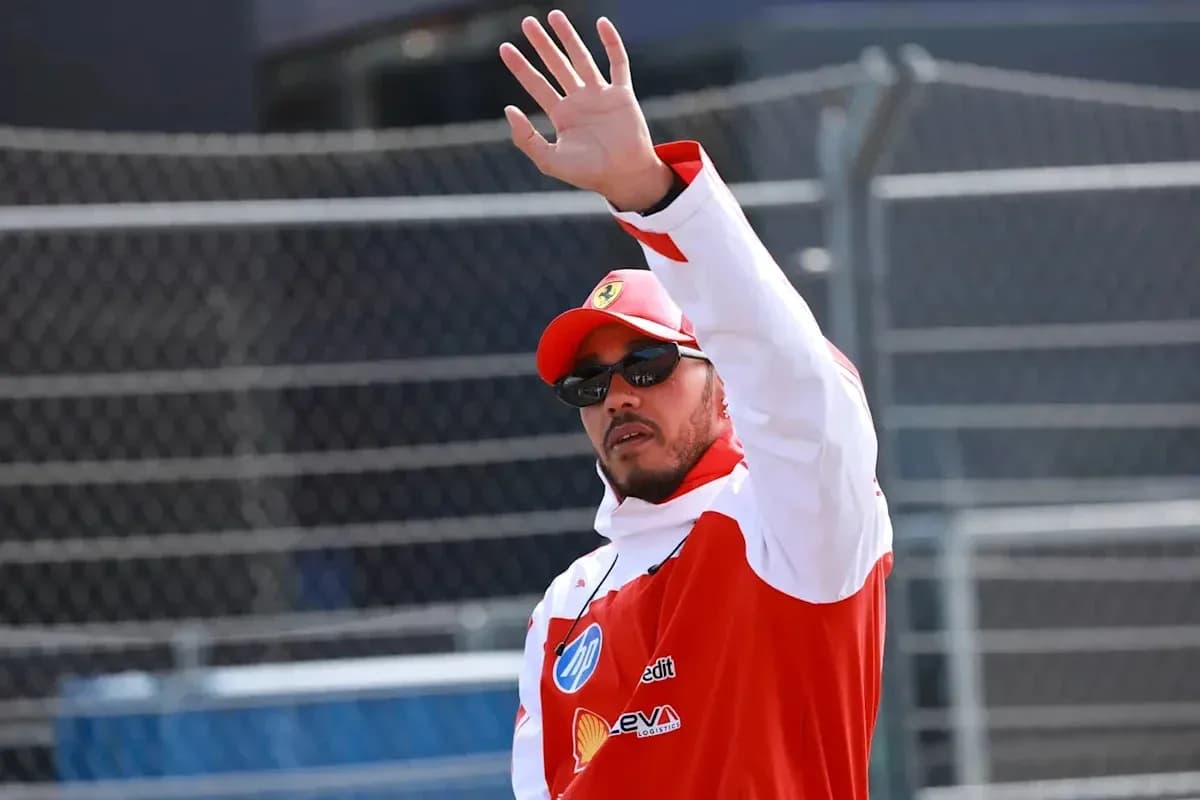
Lewis Hamilton left Zandvoort with more than just points and frustration. He left with a public debate about how a seven-time world champion should carry himself when the temperature rises inside the cockpit.
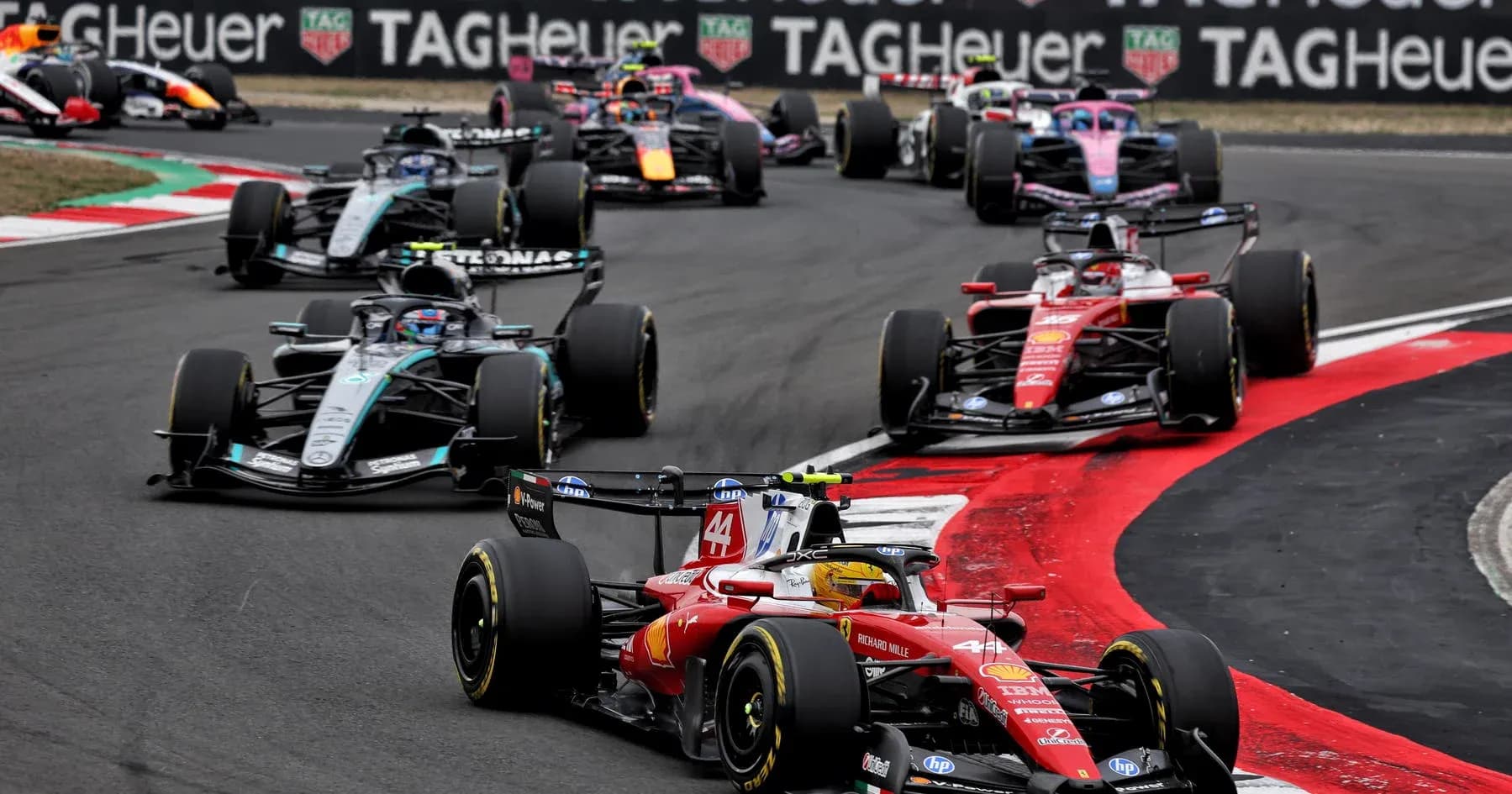
While Lando Norris’ victory rightly dominated the Dutch Grand Prix headlines, Hamilton’s angry radio traffic with Ferrari ran as the main subplot. Lap after lap, he voiced his irritation at the strategy and the time lost tucked up behind Charles Leclerc. The messages were sharp. The annoyance was obvious.
A day later, Hamilton reached for his phone and tried to reset the tone. On social media he apologised for the way he had expressed himself, admitting that emotion had taken over in the heat of battle. He underlined his commitment to Ferrari, stressing that the outbursts came from a burning desire to maximise the team’s result, not from a lack of trust in the people on the pit wall.
For Ralf Schumacher, that wasn’t quite enough.
“At His Age and With His Standing…”
Speaking on the Backstage Boxengasse podcast, the former Formula 1 race winner said he understood the raw emotion straight after the chequered flag. Drivers live on adrenaline; the radio is often the first outlet.
But Schumacher drew a line.
“I can understand a certain amount of frustration. That's always there as a driver, and especially immediately after the race, the emotions are still there,” he said. “But at his age and with his standing, you could handle it a little differently. Especially when it comes to criticising the team publicly.”
That was the crux of his argument: Hamilton is no rookie finding his voice. He is one of the most decorated drivers in the sport’s history, now leading Ferrari through a delicate transition. With that status, Schumacher argued, comes a responsibility to choose his words more carefully when the world is listening.
He went further, suggesting the balance of patience in Maranello currently tilts towards the team rather than the star driver.
“I think that particularly applies to him, considering that last year he really didn't help the team. I think the team still has a little more credit in the bank than he does. You can handle that differently,” Schumacher added.
The German also touched on the unique politics of Ferrari, and how Hamilton’s aura is being received in Italy. In the paddock, he said, there are “one or two rumours” that this is the first time the Italians feel a driver sees himself as more important than the Prancing Horse. At Ferrari, that is a sensitive fault line.
How “One Lap More” Lit the Fuse
Inside the team, the picture looked different but not entirely conflicting.
Ferrari team principal Frederic Vasseur walked through the sequence that led to Hamilton’s anger. The strategy, he insisted, did not collapse on a single bad call, but on how that call was communicated.
Ferrari initially expected Hamilton to pit as soon as he closed up on Leclerc. That was the working plan. Then the traffic picture shifted. With cars around them, the pit wall asked Hamilton to stay out for one more lap. Just one.
That extra lap changed everything.
The team suddenly sat in a tactical no-man’s land. They could not realistically ask Hamilton to keep circulating again and, at the same time, orchestrate an immediate position swap with his teammate. The window to execute both cleanly had gone.
Looking back at around lap 46, Vasseur admitted that a different decision might have yielded a better result. A cleaner pit sequence, a clearer hierarchy, perhaps less radio fury. But he was blunt about the nature of hindsight: it always arrives with perfect clarity and zero pressure.
What he did not defend was the way the message reached Hamilton. Vasseur accepted that Ferrari’s communication fell short. The Briton, he said, had not been clearly told that the team now expected him to run to the flag on that plan, rather than simply push harder in that phase as if another stop were imminent.
So the driver pushed, questioned, and finally snapped over the radio. The team juggled traffic, tyres and track position, but left their lead signing feeling in the dark.
Schumacher’s verdict is that Hamilton, with his experience, should have swallowed more of that frustration. Vasseur’s is that Ferrari must speak with greater clarity when the race turns chaotic.
The partnership will be judged on whether they can fix both sides before the next flashpoint arrives.