.svg&w=384&q=75 "logo")
Haas Team Principal Ayao Komatsu Focuses on Car Fixes and Driver Support
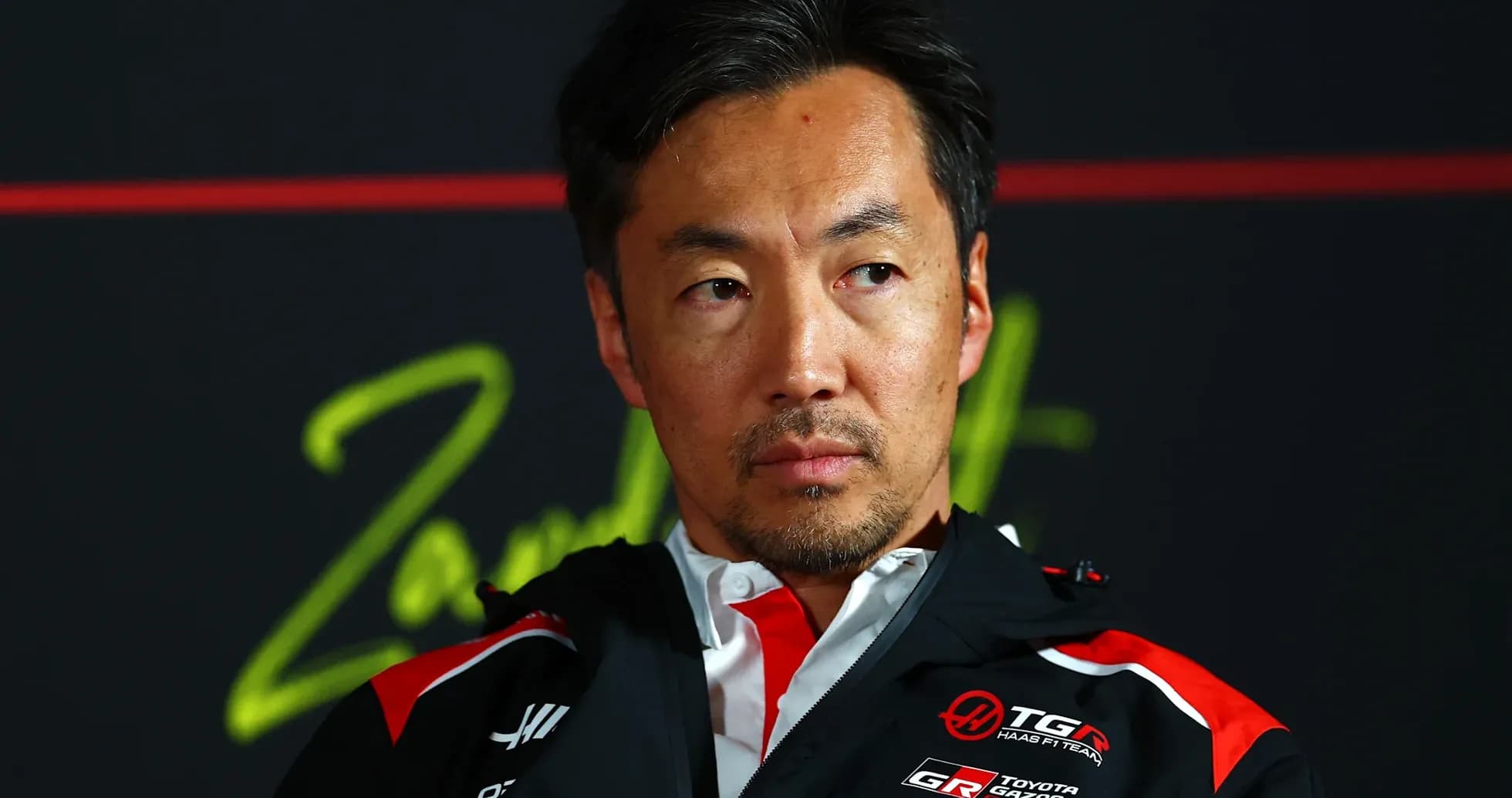
Ayao Komatsu is in no hurry. While the rest of the paddock obsesses over 2027 driver grids and silly-season permutations, the Haas Team Principal has planted his flag elsewhere: fix the car, protect the drivers, and live with the noise.
For a team that opened the year swinging, it’s a jarring comedown.
Ollie Bearman’s superb fifth place in China looked like the start of something – a statement that Haas had read the new regulations smartly and stolen an early march on the midfield. Instead, it proved to be the high-water mark. Since then, the tide has gone out fast.
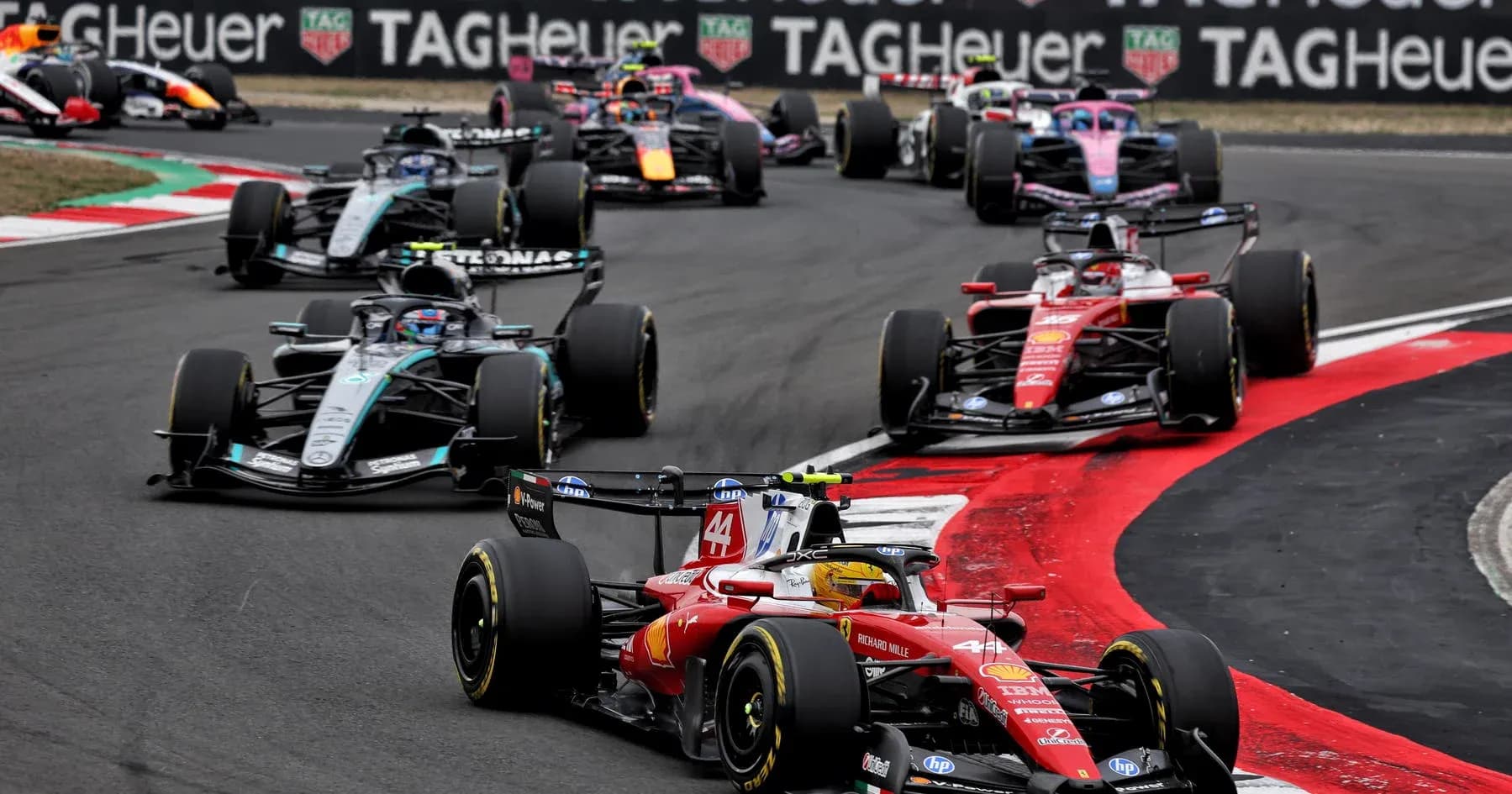
Six races. Zero points. A slide down the order as Racing Bulls and Alpine have powered past, leaving Haas exposed and increasingly vulnerable.
Drivers on hold, focus on survival
In that context, questions about 2027 feel almost cruel. Neither Bearman nor Esteban Ocon is confirmed beyond the current cycle, and the market is hardly short of contenders. Rafael Camara and Yuki Tsunoda are among those hovering, waiting for a crack at a full-time seat.
The paddock chatter suggests Bearman is the likelier of the current pairing to stay. The numbers back that up, at least on the surface: 18 points for the rookie versus just three for the race-winning veteran alongside him.
Komatsu, though, refused to be drawn when pressed before the Dutch Grand Prix – a weekend that ended in a bruising double DNF.
“We’re not in any rush,” he said, making it clear where his priorities lie. The message was simple: strip away the speculation, get back to basics. “We’re focused on our two drivers, Ollie and Esteban, trying to get the best out of them.”
He knows what each can do when the machinery allows. Bearman has already produced eye-catching performances under pressure. Ocon, when he feels at one with the car, has a long record of delivering sharp, opportunistic drives.
So Komatsu’s stance is blunt: give them a platform first, judge them later. “We need to really just focus on providing them with the best possible car, best set-up adaptation, and get the best out of them. And then both of our drivers are fully focused.”
A points gap that doesn’t tell the whole story
The scoreboard flatters Bearman, but even he has been quick to downplay the apparent gulf. The young Brit has pointed to “inconsistency” between the parts on the two cars, hinting that internal comparisons are not as straightforward as the championship table suggests.
That kind of detail matters at a team like Haas, where every new component is the result of a long, hard internal battle with budget, time, and resource limits.
Komatsu doesn’t hide from the reality. Haas, the smallest outfit on the grid, has been exposed by what he calls “the biggest regulation change ever”. The scale of the reset has magnified the gap between the haves and the have-nots in the development race.
They started well, perhaps better than they had any right to. But while Haas tried to refine and evolve, the heavy hitters in the midfield threw upgrade after upgrade at their cars – and made them stick.
“We started the season extremely well, much better than anyone can think of,” Komatsu admitted. From there, the story turned. “With our constraints, we’re trying to develop the car as fast as possible, but the other guys are putting performance on the car faster than us. That’s the reality.”
No blame, just a long climb
What he won’t accept is the idea that the team itself has lost its edge. Komatsu is fiercely protective of his staff, pointing to the way they’ve rallied in the face of a car that has drifted away from the sweet spot.
“It’s nothing against the guys in the team – they’re doing a fantastic job, they’re working together,” he said. For Haas to keep up, he argued, everything has to be perfect. Every process. Every decision. Every upgrade. And life in Formula 1 rarely offers perfection on demand.
So the focus has shifted inward. Strip the problems down. Name them. Fix them.
“We looked at the problem: what’s the issue, where are we lacking downforce, why the drivability is not great, what are the drivers struggling with?” Komatsu explained. The key, he stressed, is alignment. No finger-pointing. No fractures. “We’re all on the same page, trying to fix the issue, trying to put performance on the car.”
That kind of rebuild doesn’t happen overnight. Many of the changes Haas has set in motion – structural, technical, cultural – will take time before they show up on a timing screen. Komatsu knows it, and he’s asking his drivers and his staff to trust the process.
“I really do think I need to provide them with a better environment, facilitate it, so that they can show what they’re capable of. I’m sure of that,” he said. Tough stretches, he added, reveal character. Inside Haas, he insists, there is “no blame culture”.
The question now is whether patience and unity will be enough in a sport that rarely waits for anyone. The upgrades will come, the structure will evolve, and the driver market will not stay still. When 2027 finally demands an answer, will Haas have built the kind of team that Bearman, Ocon, or any ambitious newcomer truly wants to drive for?