.svg&w=384&q=75 "logo")
Gasly Loses Monaco Podium as McLaren Wins Appeal
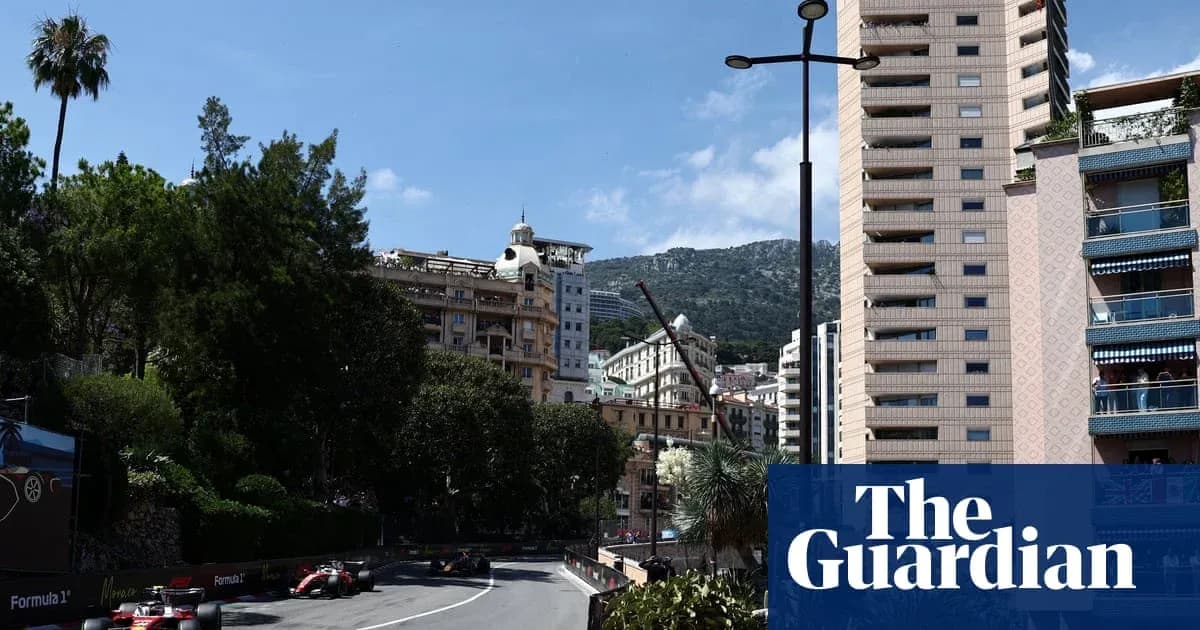
Pierre Gasly has lost his Monaco Grand Prix podium after McLaren won a dramatic appeal over a string of incorrect pit-lane speeding penalties that distorted the result.
The Frenchman had been promoted to third after Alpine successfully challenged two five-second penalties originally handed out in Monte Carlo on 7 June. Those sanctions stemmed from cars being judged to have exceeded the pit-lane speed limit.
Now the picture has flipped again.
An error in how Formula 1 measured the length of the pit lane meant the system calculated the cars’ average speeds incorrectly. Drivers were ruled to have gone too fast when, in reality, the data was built on the wrong distance. Once that mistake was acknowledged and re-run through the regulations, the penalties that had shaped the final order could not stand.
The consequences bite hardest for Gasly.
He finished third on the road in Monaco, then celebrated a podium when Alpine’s initial appeal wiped away his two five-second penalties. With McLaren’s successful challenge, he drops back to seventh place – the position he had occupied in the original official classification.
The reshuffle restores Red Bull’s Isack Hadjar to third, giving the young driver a podium that had been taken from him in the first round of legal wrangling. McLaren’s Oscar Piastri moves up to fourth, his result upgraded as the corrected pit-lane data ripples through the top ten.
It is a rare case of the sport’s own measurement systems sitting at the heart of a controversy, rather than a marginal call by stewards or a grey area in the rulebook. Multiple drivers were hit, multiple teams appealed, and the stewards have now had to rewrite a result from one of the calendar’s flagship races months after the chequered flag.
For Gasly and Alpine, the swing is brutal: from the emotional high of a Monaco podium to the cold reality of seventh place. For Hadjar and McLaren, the ruling restores what they will feel should never have been taken away.
Monaco’s history books now change once more – and this time, they are unlikely to be rewritten again.