.svg&w=384&q=75 "logo")
FIA Defends Judges Against Briatore's Claims
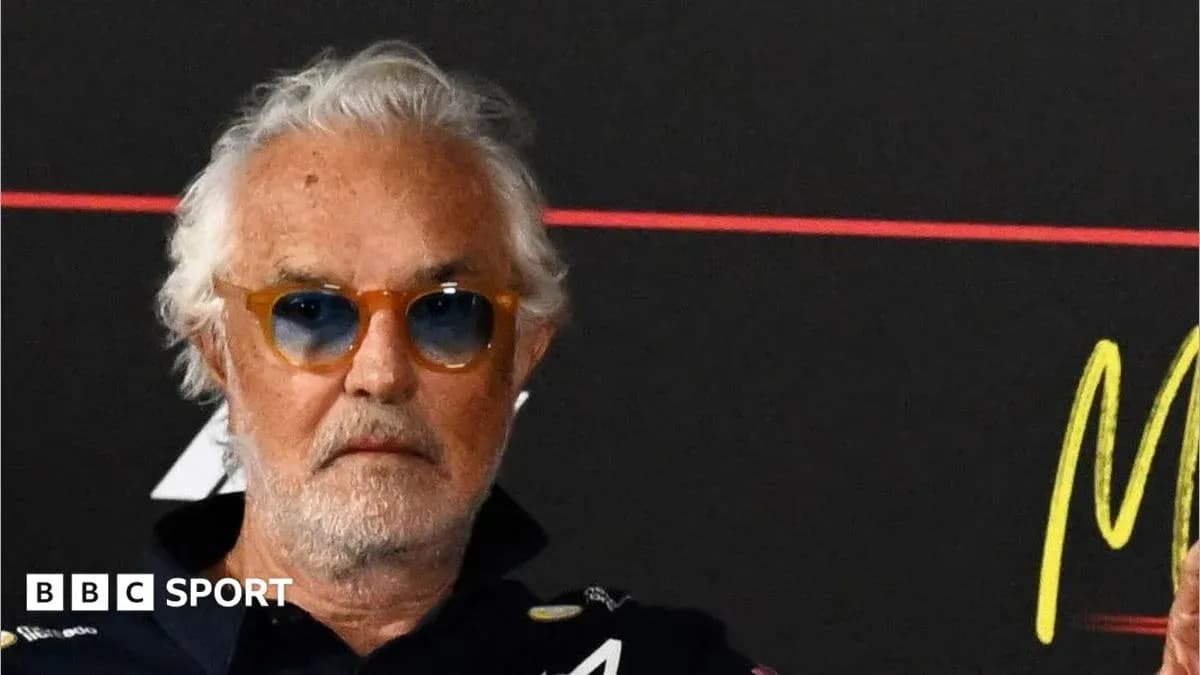
The FIA’s highest court has hit back hard at Flavio Briatore, rejecting claims from the Alpine boss that strike at the heart of Formula 1’s legal system.
Briatore alleged on Friday that one of the judges who ruled against Alpine in Pierre Gasly’s Monaco Grand Prix case had “links” with McLaren, and even suggested the official had behaved like a “prosecutor” rather than an impartial arbiter.
The FIA’s court of appeal has now pushed those accusations firmly away.
FIA closes ranks around its judges
In a detailed statement, motorsport’s top judicial body said its court of appeal judges are bound by strict independence and confidentiality rules, file annual declarations of interest with the FIA compliance officer, and must sign a specific declaration of independence for every case they hear.
The message was clear: the system is built to keep conflicts of interest out.
The court also pointed out that all parties in the Gasly case were invited, both before and after the hearing, to raise any concerns about the process or the composition of the panel. No-one did.
No objections were made during the hearing about how the judges questioned witnesses or conducted the proceedings either.
The FIA accepted that verdicts can be debated on legal grounds – that is part of the sport’s judicial culture – but drew a sharp line at suggestions of bias. The court said it remained “confident in the soundness of the proceedings and the integrity of the judges” and underlined that the FIA courts “remain committed to the independence and impartiality of their judges and to the integrity of the judicial process”.
It also stressed that the court of appeal “operates independently” of the wider FIA organisation, a reminder that it is designed to sit at arm’s length from the political and competitive interests swirling around the paddock.
Briatore’s claim – and the charity auction link
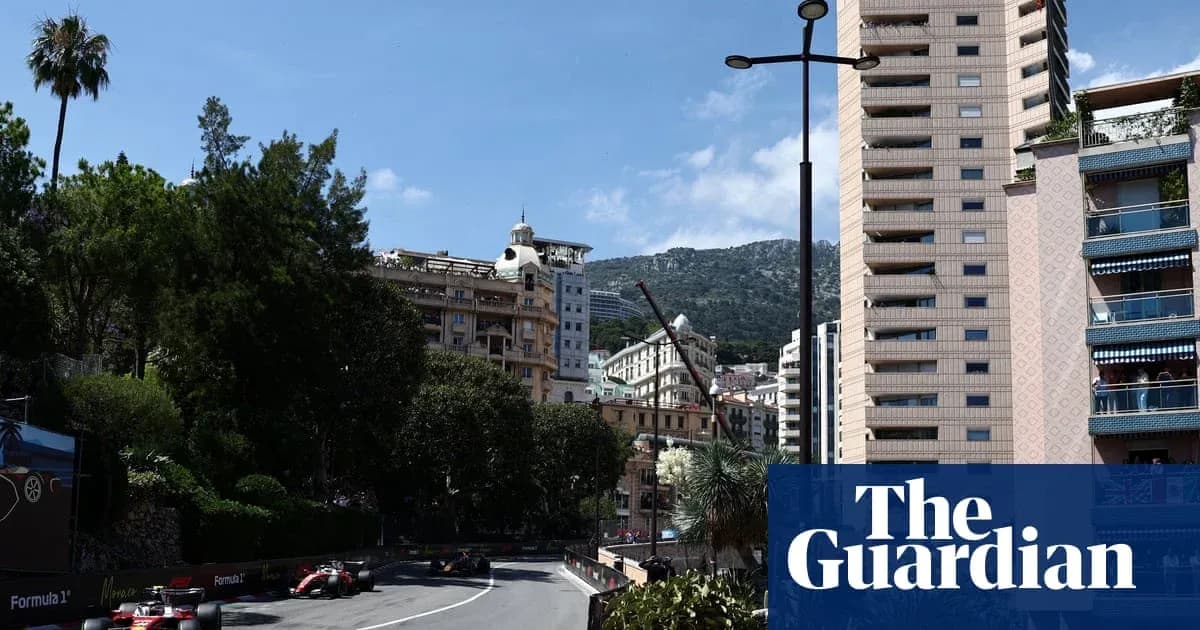
Briatore’s attack came in the wake of a ruling that reinstated two pit-lane speeding penalties for Gasly in Monaco, dropping the Alpine driver back to seventh and shuffling the order in favour of McLaren and Red Bull.
The 76-year-old Italian said one judge on the panel had strong connections with McLaren, basing his claim on a charity auction held in California in 2018. The judge attended that event, where, Briatore said, “McLaren gave two, three McLaren cars”.
“This was quite unfair,” he argued. “One of the judges was linked with a team that was protesting us.”
Pressed on why Alpine had not raised the issue during the hearing itself, Briatore said they only discovered the supposed link afterwards. “We found out, after the meeting, logically, not before, we found out this guy was linked with the McLaren team. This is what I think.”
He made no reference to Red Bull, despite the fact the case was brought jointly by McLaren and Red Bull and the verdict also benefited drivers from the Red Bull camp.
The decision restored Red Bull’s Isack Hadjar to third place, moved McLaren’s Oscar Piastri up to fourth, and promoted Racing Bulls pair Liam Lawson and Arvid Lindblad to fifth and sixth. Gasly’s Alpine, which had briefly climbed the order when the penalties were dropped, slid back again.
McLaren bristle at “insulting” allegations
If Briatore expected his comments to pass as routine paddock noise, McLaren’s reaction showed otherwise.
Within the team, the claims have been dismissed outright. Behind closed doors, there is anger that, in their view, baseless allegations about the integrity of the court and implied favouritism towards McLaren were aired on a public stage.
Andrea Stella, who sat just metres from Briatore in the same news conference, did not hide his displeasure.
“I find that this conference going in this direction is quite insulting for McLaren, for the reputation of a team that deserves a lot of respect,” the McLaren team principal said.
“And if anybody makes these kind of allegations – which seem quite serious – they are going to have to take the responsibility for what they are saying in a public forum.
“The hearing, the whole International Court of Appeal, was conducted to the highest standards and we should not question this phase as has been done.”
Stella’s words framed the stakes. This was no longer just about a pit-lane speeding call in Monaco. It had become a fight over the credibility of the system that polices Formula 1.
The FIA has now planted its flag firmly on the side of its judges. The next move, and any consequences for Briatore’s public accusations, may say plenty about how far the sport is willing to go to defend its judicial authority in an era of ever louder voices and ever sharper scrutiny.