.svg&w=384&q=75 "logo")
Ferrari Rivalry: Leclerc and Hamilton's Tension at Monza
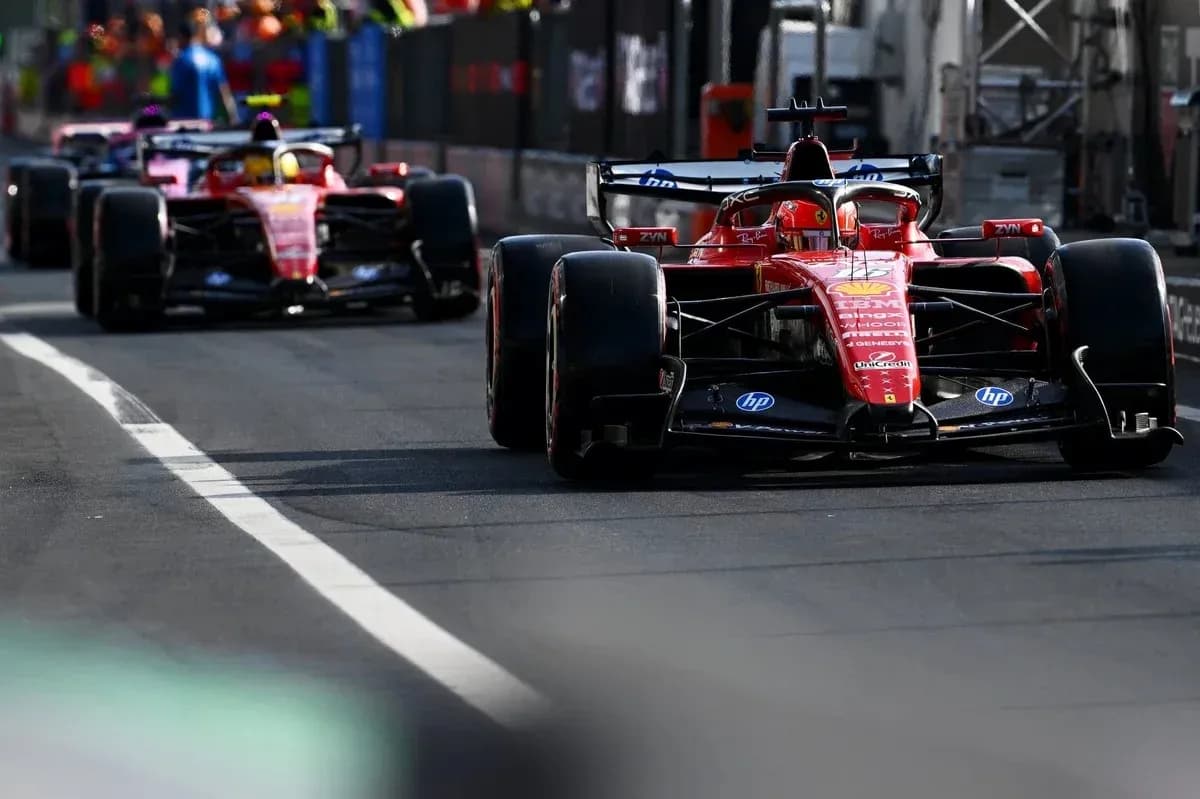
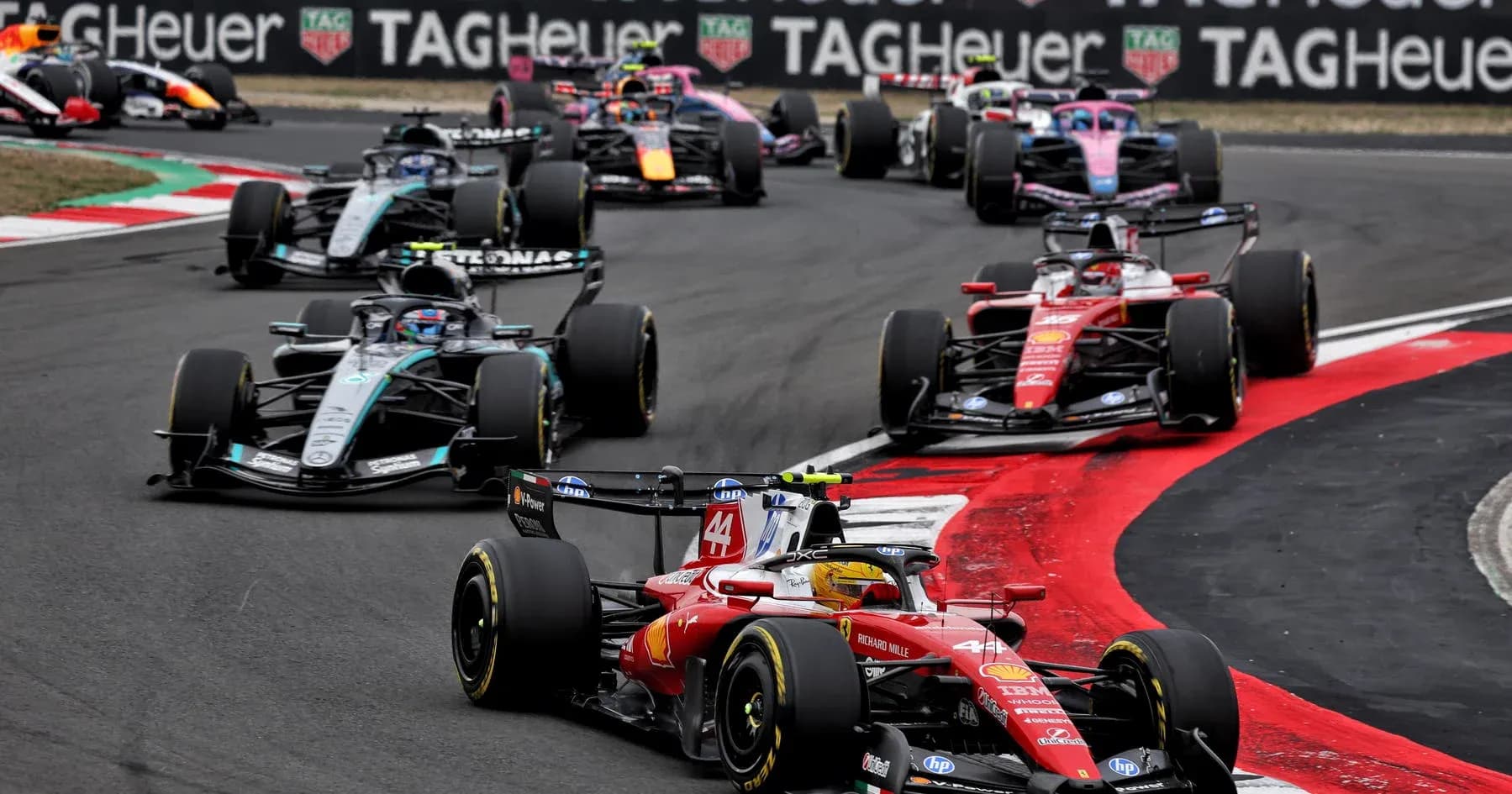
At Monza, the names were different, the colours were different, but the story felt familiar.
Charles Leclerc and Lewis Hamilton brushed up against each other on and off the track in a way that stirred memories of the great intra-team feuds of Formula 1. Yet this one, oddly, doesn’t quite fit the pattern. The tension is there. The stakes are not.
Team-mate clashes are as old as the sport itself. Some have split garages, divided factories and defined eras. Ayrton Senna versus Alain Prost. Nigel Mansell versus Nelson Piquet. Mark Webber versus Sebastian Vettel. Nico Rosberg versus Hamilton. Those battles had a simple, brutal logic: one car good enough to win the world championship, two drivers who knew that beating the man across the garage was the only route to the crown.
In those seasons, every move had a clear objective. Every squeeze, every lunge, every radio barb came with the biggest prize on the line.
This is different.
Ferrari, for all the rhetoric about “fighting to the end” and “maximising every opportunity”, is not in that position. The numbers make that plain. The shape of the season does too. Leclerc and Hamilton are not duelling for a title. They are not fighting for contracts or leverage over the team’s future. Both are signed, sealed and well paid through 2027. No one in red is scrabbling for crumbs.
And yet the atmosphere at Monza suggested two men locked into something more personal.
The contrast with the classic modern example is stark. In 2013, Hamilton’s first year at Mercedes, the W04 was quick enough to win the odd race but nowhere near a championship threat. Hamilton took one victory, Rosberg two. The relationship remained warm, even easy. They shared dinners, holidays, jokes. Then came 2014, the first year of Mercedes’ hybrid dominance, and everything changed. When the car turned into a title weapon, the friendship cooled, the rivalry hardened and the fight for supremacy consumed them.
With Leclerc and Hamilton, the car has not made that same leap. Yet the edge is already there.
Hamilton spent the whole of 2025 swallowing frustration as Leclerc consistently outperformed him. The seven-time world champion looked oddly muted, unable to drag the car to where his reputation said it should be. Now, with his form restored and the results flowing, he has a chance to remind everyone – including the man on the other side of the garage – exactly who he is.
Leclerc, for his part, saw his standing within Ferrari soar last year. He was the reference, the driver who could live with anything the car threw at him and still deliver. Twelve months on, the picture has flipped. Hamilton sits ahead of him in the championship, and the internal balance of power has shifted with it.
Normally, that kind of needle belongs in the midfield. There, one podium can rewrite a career. One qualifying lap can decide whether a driver keeps his seat. In that world, beating your team-mate at all costs feels like survival instinct.
Leclerc and Hamilton are not living that life. Their futures are secure. Their reputations are made. Ferrari pays them to deliver for Ferrari, not to run a private score-settling contest inside a team that is still trying to climb back to the summit.
Which is why this situation jars.
From two drivers of this calibre, you expect a broader view. When the car is not a title contender, the calculation usually shifts. Bank the points. Protect the team’s race. Keep the mechanics out of the firing line. Make sure the strategy group can work with both sides of the garage pulling in roughly the same direction.
That is the theory. Monza suggested reality is more complicated.
Hamilton is enjoying his resurgence. Leclerc is feeling the ground move under his feet. Pride has entered the conversation, and pride rarely cares about constructors’ standings or long-term project plans.
Now the responsibility falls squarely on Frédéric Vasseur.
Ferrari’s team principal had already tried to get ahead of the problem. He brought both drivers into his office before the race at Monza, laid out expectations and attempted to draw a line. The events on and around the track hinted that his message did not fully land. A second meeting feels less like an option and more like an obligation.
The principle he must hammer home is brutally simple: the team comes first. Always. Especially when the fight is for podiums and race wins, not for a world championship that can define legacies.
A sharp internal rivalry can be a powerful tool. It can drag a team forward, force everyone to raise their level, turn a good car into a great one. But when that rivalry starts to work against the collective – when the risk outweighs the reward – it mutates from asset into liability.
Ferrari already has enough problems to solve. The last thing it needs is another civil war brewing in the one place it should feel most secure: its own garage.