.svg&w=384&q=75 "logo")
Ferrari's Discipline Crisis: Hamilton and Leclerc Clash at Monza
Ferrari arrived at Monza with two superstar drivers on the second row, a sea of red in the grandstands, and a car loaded with soft tyres ready to attack. Within a few hundred metres, the script tore itself up.
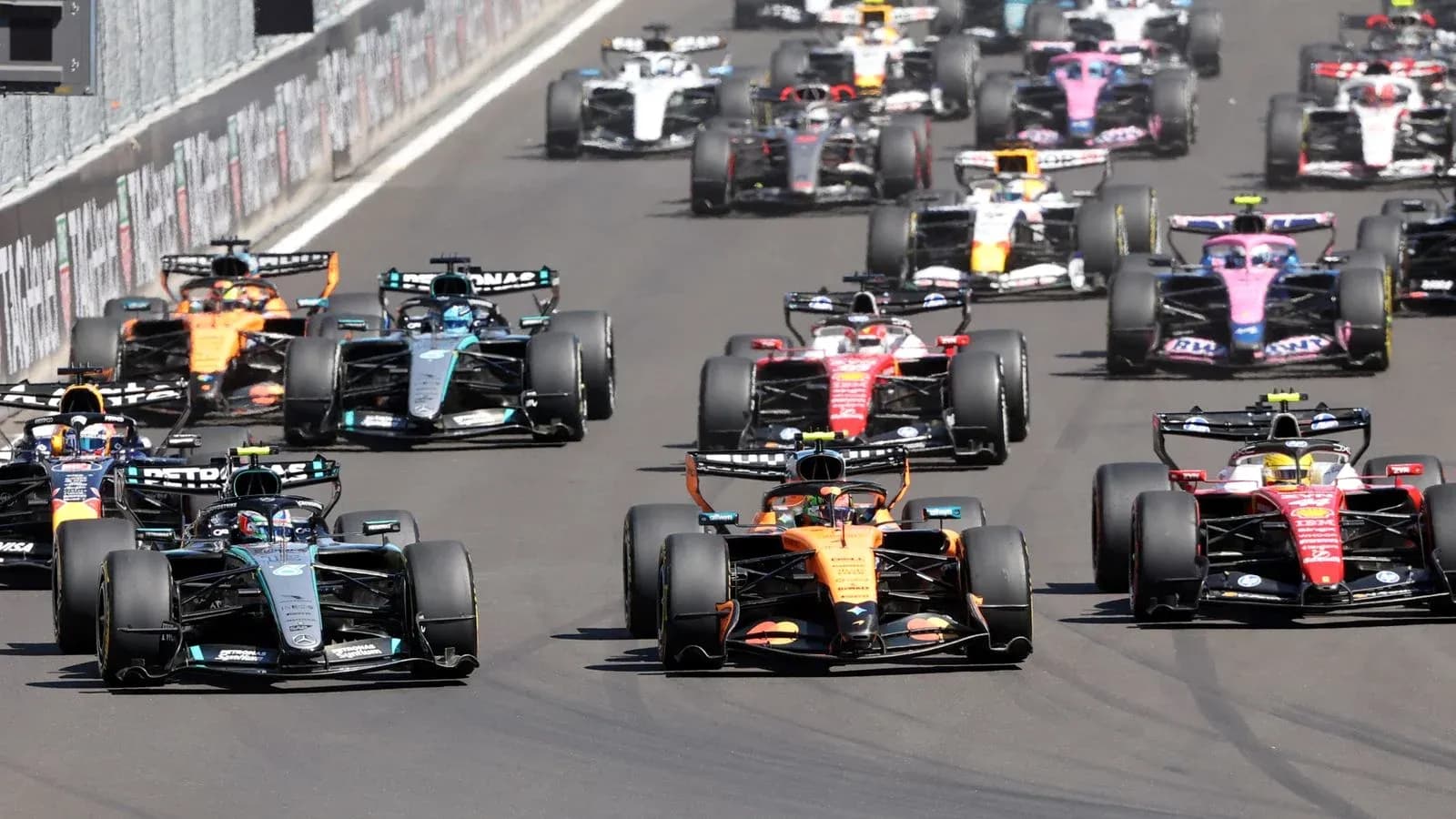
Lewis Hamilton and Charles Leclerc, both starting on the soft compound and perfectly placed to pounce on George Russell and Pierre Gasly ahead on mediums, never even got that far. Instead of hunting the cars in front, they hunted each other.
Into the Variante del Rettifilo, Hamilton dived to the inside of Leclerc. Two red cars, one narrow braking zone, no clear team order. The inevitable followed. They touched. Hamilton was bumped onto the dirt, bounced down the order, and the early promise of Ferrari’s home race dissolved into frustration and accusation.
On the radio and after the race, Hamilton made his feelings plain. He wanted rules of engagement, a framework, something resembling the strict protocols he once had at Mercedes. At Ferrari, he felt, there was chaos where there should have been clarity.
Peter Windsor, dissecting the incident in his post‑race analysis, didn’t sugarcoat it.
“It’s all a result of Ferrari not having the discipline that they should have,” he said, pointing squarely at the pit wall rather than the cockpit. With Hamilton and Leclerc installed as the marquee pairing, Windsor argued, the team had slipped into a dangerous dynamic.
Ever since the duo came together, he suggested, Ferrari’s leadership have been “afraid” to lay down the law. Afraid to tell Hamilton and Leclerc exactly how to approach the first corner of their home Grand Prix. Afraid, in essence, to control their own drivers.
“They just won’t do it,” Windsor said. “What we saw was a classic example of no discipline in the team. I think Charles felt bad about it. I think Lewis felt very upset about it.”
On track, the clash played out in a way familiar to any hardened race-watcher. Leclerc, marginally ahead as they turned in, had the natural right to the racing line. Hamilton, sensing a gap on the inside, committed. By the apex of the first right-hander they were almost side by side, but in “classic motor racing parlance,” as Windsor put it, it was still Leclerc’s corner.
Hamilton stayed there anyway, refusing to yield. Leclerc, defending his ground, edged wider. The road ran out. Hamilton ran out of tarmac. To stay out of a heavier collision, he was forced onto the dirt. There was contact, a jolt, and with it three or four positions gone.
Hamilton’s anger was immediate and understandable. He felt he’d been pushed off. Windsor agreed with the core of that complaint.
“Lewis, of course, was livid and felt he had been pushed off,” Windsor said. “He technically had been pushed off, and there’s no doubt about it.”
Leclerc initially escaped the mess better than his team-mate. He regrouped, climbed into second place, and for a brief spell looked like he might yet turn a chaotic start into a podium at Monza. That hope didn’t last.
First came the losses to Pierre Gasly and Max Verstappen, the Ferrari slipping backwards as the race settled. Then came the heavy crash at Parabolica, Leclerc spinning out after defending against Oscar Piastri. From a front-row challenge to a wrecked car at one of the sport’s most iconic corners, his afternoon unravelled in brutal fashion.
Hamilton salvaged what he could, dragging the wounded narrative of his race up to sixth at the flag. It was damage limitation on the day, but the wider picture is harsher: he now sits 76 points behind Kimi Antonelli in the standings, the title fight slipping away.
The collision itself will fade into the long archive of Monza incidents. The question it leaves behind for Ferrari is far more uncomfortable. With two of the most formidable drivers on the grid in their cars, can they find the authority to control them – or will fear on the pit wall keep writing scenes like this?