.svg&w=384&q=75 "logo")
Fantasy Basketball Rankings: Nikola Jokić Leads the Charge
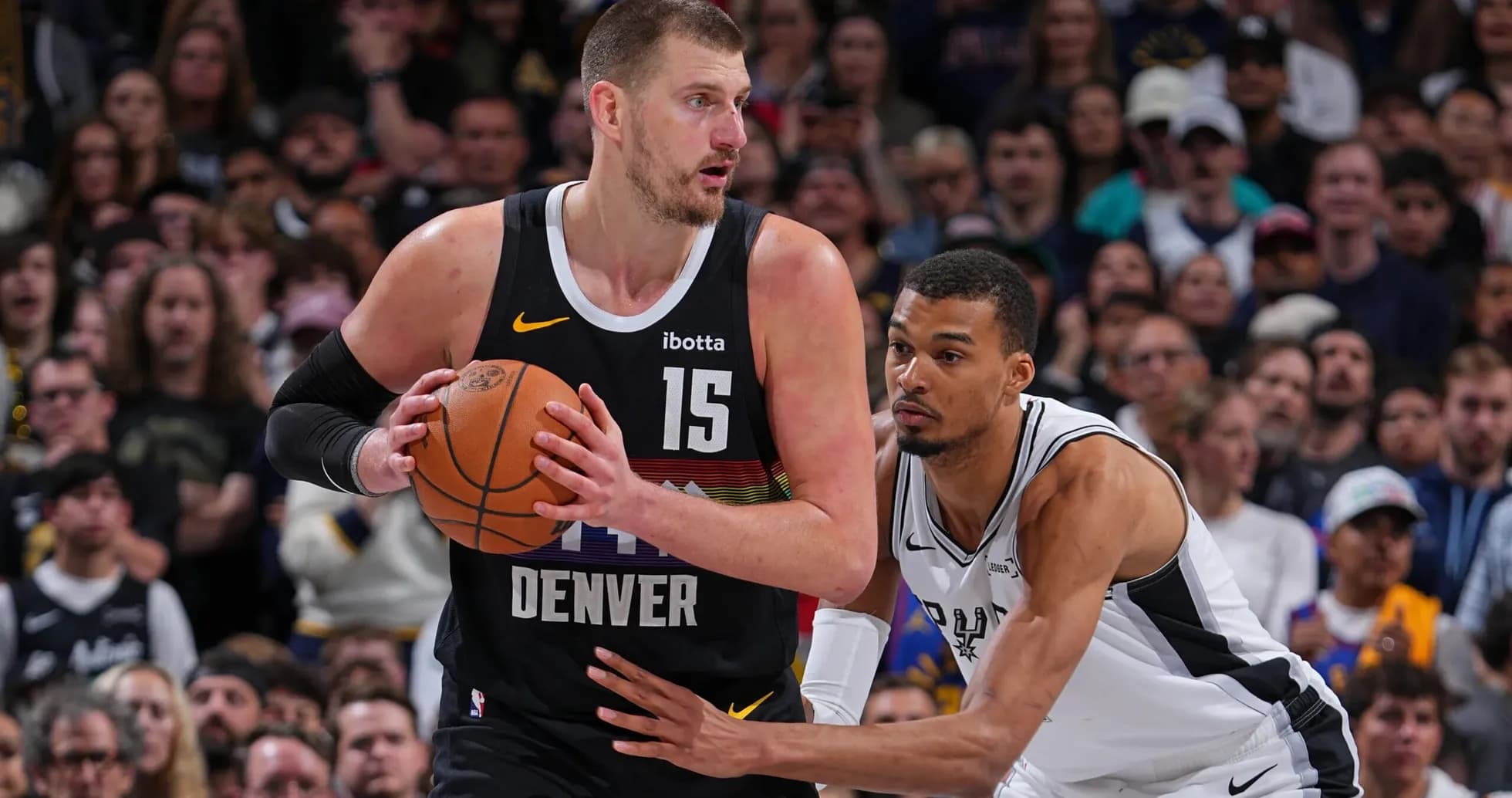
Nikola Jokić still sits alone at the top of the fantasy mountain.
Less than two months out from opening night, RotoWire’s early top-150 board plants its flag: if you have the first pick, you take the Denver center and you don’t look back. Jokić is the one constant in a league spinning through trades, superteams and torn ligaments. Triple-doubles, elite efficiency, ironman workload, same coach, same system. No one else offers that kind of security across every format.
But this list isn’t about comfort. It’s about upside, and the league is bursting with it.
A New Challenger at No. 1
Victor Wembanyama has already kicked down the door to the top tier. In category leagues, his shot-blocking alone tilts entire matchups. Managers chasing defensive dominance will be tempted to push him past Jokić, accepting the volatility for that towering edge in blocks.
Shai Gilgeous-Alexander rounds out the early elite. In category formats, he’s the clean No. 3: high efficiency, strong across the board, minimal holes. In points and High Score setups, his quieter counting stats can nudge him a few spots down, but the floor remains rock solid.
Then comes chaos.
New Addresses, New Realities
Luka Dončić is now the unquestioned face of the Lakers. With LeBron James gone to Philadelphia, Dončić’s usage – already astronomical – can climb even higher. More touches, more responsibility, more fantasy production. Austin Reaves rides that same wave in Los Angeles, with the ball in his hands more often and the freedom to create, even if that dents his percentages.
LeBron’s move to the 76ers changes everything in Philadelphia. Tyrese Maxey, coming off a season that screams “draft me earlier,” now has to share the ball with both James and Jaylen Brown. Touches will be harder to come by, and the 76ers can afford to manage his minutes with the playoffs in mind. Joel Embiid, perennially dominant when active, faces a different kind of threat: less pressure, fewer minutes, and potentially lower usage on a loaded roster.
Giannis Antetokounmpo’s switch to Miami looks cleaner from a fantasy lens. His game doesn’t change much: monstrous counting stats, free-throw and three-point issues that punish category managers but barely register in points and High Score formats. Bam Adebayo, now sharing the frontcourt with Giannis, may see his rebounding trimmed and his offensive role tweaked, with more stretch and spacing demanded.
Tyler Herro exits Miami and lands in Milwaukee as the Bucks’ primary playmaker, stepping into the largest offensive role of his career. Myles Turner, after a disappointing first year there and public frustration over how the Giannis split was handled, finds himself on a stripped-down roster. That could mean more touches. It could also mean more chaos.
Young Stars, Old Concerns
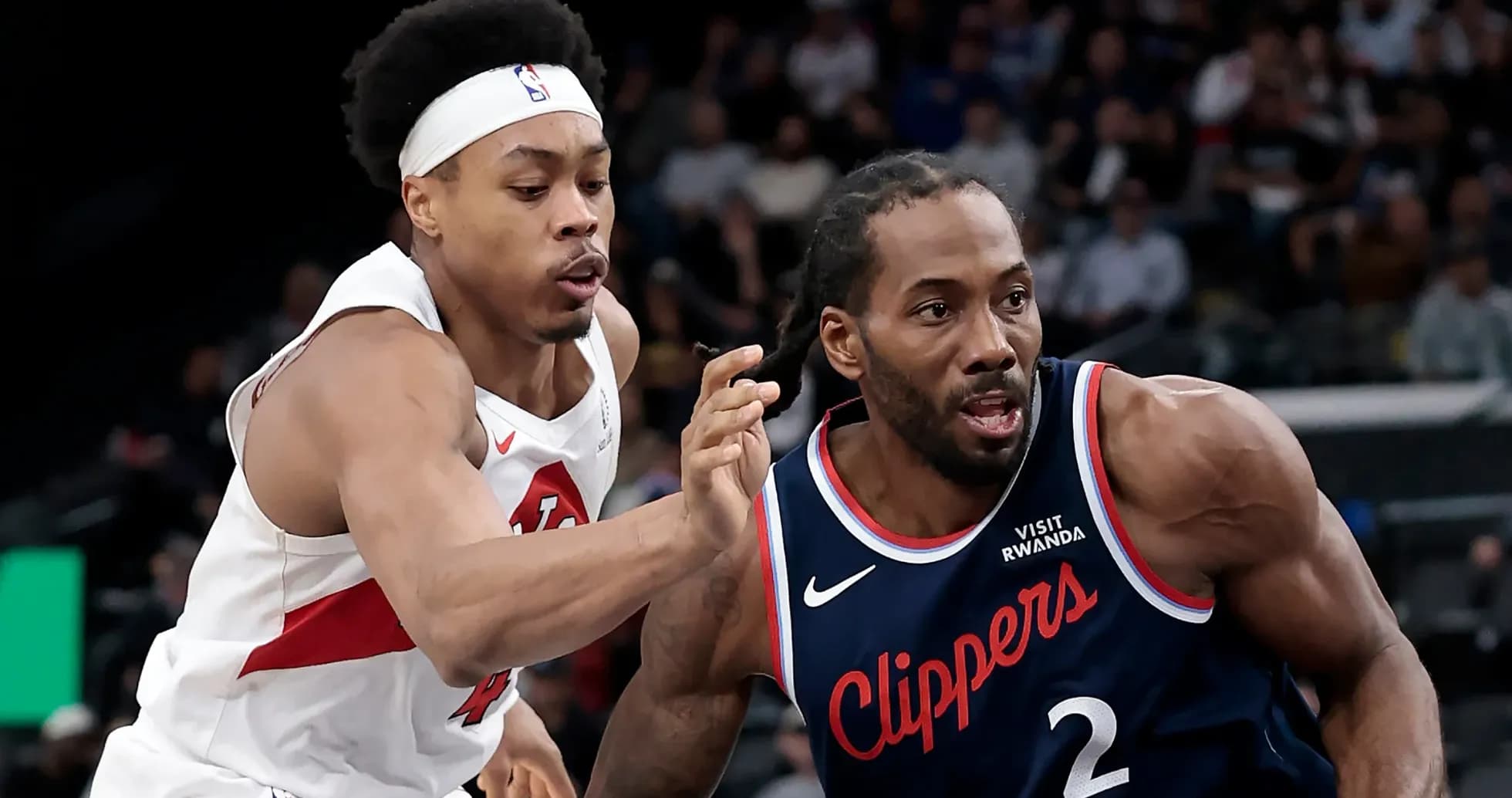
Cade Cunningham has crossed the line from “promise” to “anchor.” At 24, with a stable role in Detroit and room to grow, he’s a clear first-rounder. Scottie Barnes sits in a similar space in Toronto: a do-it-all forward whose usage might dip slightly with Brandon Ingram expected to head to the Clippers for Kawhi Leonard, but whose rebounds, assists and defensive work can cover the gap.
Anthony Edwards remains the heartbeat of Minnesota even after the Timberwolves swung big for LaMelo Ball. The new backcourt will need time to breathe, and Ball still carries red flags around minutes and durability, yet Edwards’ first-round status holds. Jaden McDaniels keeps inching forward as a scorer and shooter, and the new setup could sharpen his efficiency even if it trims his self-created looks.
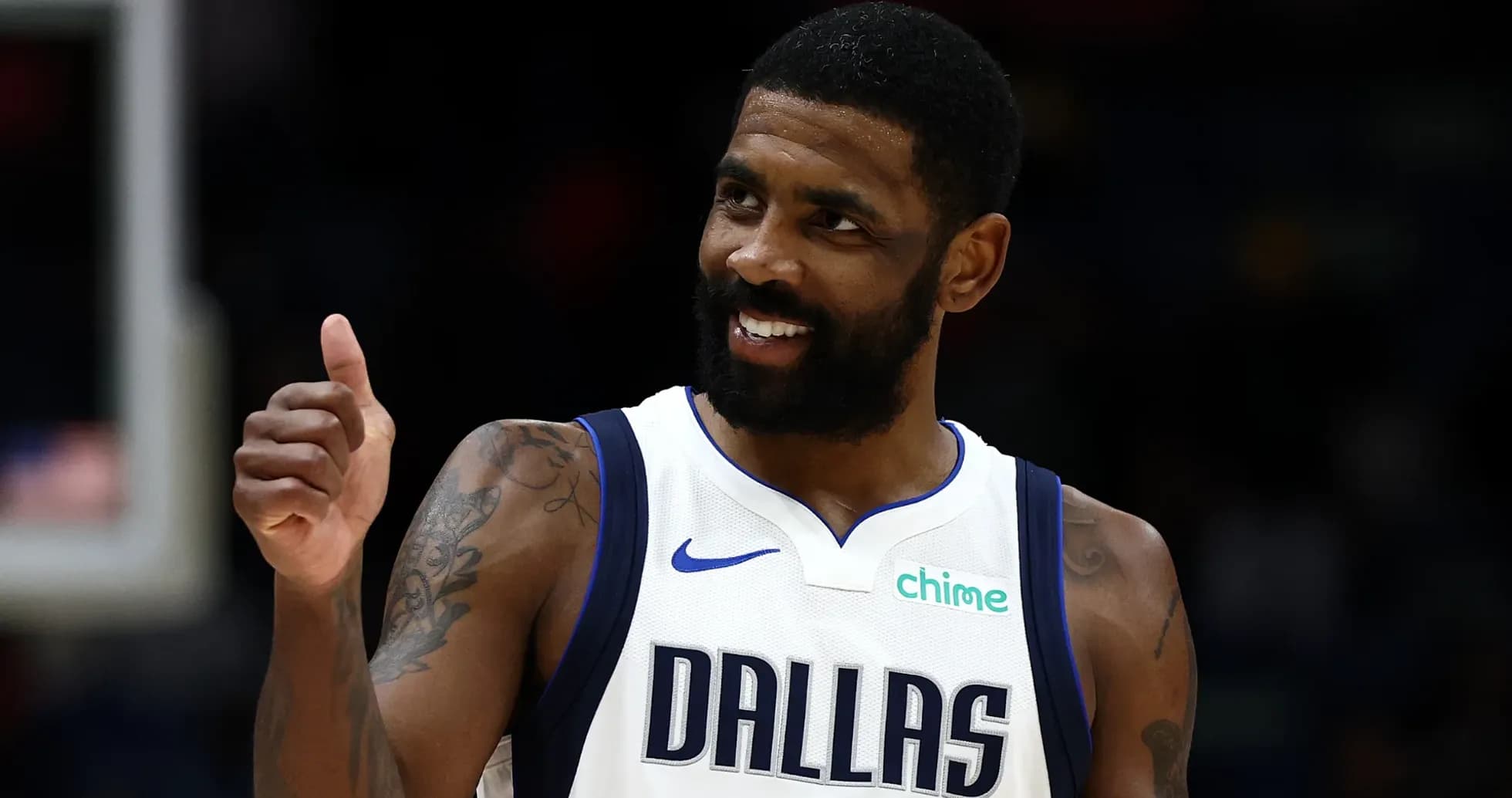
Cooper Flagg is already being drafted like a future MVP. After a slow, forgettable start to his rookie season in Dallas, he finished the year on a months-long tear that vaulted him into this early top tier. Now he adds Kyrie Irving, back from an ACL tear, as a partner in the Mavericks’ backcourt. Irving’s pristine category profile – efficiency, low turnovers – remains intact, but the offense clearly belongs to Flagg.
In Houston, Kevin Durant still carries first-round upside at 37, but age and rest days push him down the board. Stephen Curry faces the same problem at 38. Both can torch leagues on a per-game basis; both come with nagging risk that managers can’t ignore.
Big Men, Bigger Swings
Behind Jokić and Wembanyama, Karl-Anthony Towns opens the next tier of centers. Now with the Knicks, he offers elite shooting and efficiency, particularly valuable in category formats. Domantas Sabonis, coming off a lost, injury-riddled year in Sacramento, steps back into a heavier usage role with Russell Westbrook retired and DeMar DeRozan in Denver. The Kings are rebuilding, and Sabonis again looks like the offensive hub.
Alperen Sengun continues to grow into that mold in Houston, a rare triple-double threat at center, fresh off career highs in assists, blocks and threes. Chet Holmgren’s unique blend of threes and blocks remains a category-league weapon, even if points formats can afford to wait.
Walker Kessler’s move to the Lakers is one of the more intriguing frontcourt shifts. Limited to five games last season by shoulder surgery, he looked ready to break out in Utah before the injury. Now he gets Luka Dončić feeding him the easiest looks of his career. Isaiah Hartenstein, when healthy, delivers a quietly rich stat line in Oklahoma City, while Jusuf Nurkić appears set to start again in Utah with Kessler gone, pairing with Jaren Jackson Jr. in a heavy frontcourt.
At the other end of the risk spectrum sits Anthony Davis. A midseason trade to Washington after another injury-hit year in Dallas puts him in yet another new environment, this time alongside Alex Sarr and No. 1 pick AJ Dybantsa. The numbers can still be first-round caliber. The health questions are the same as ever.
Wings, Playmakers and the Middle Rounds
Donovan Mitchell remains Cleveland’s primary scorer even with James Harden now orchestrating the offense. Harden’s usage dipped after arriving from the Clippers, but his 20-and-10 potential still plays especially well in High Score formats, where assists are juiced and turnovers don’t hurt.
Jalen Brunson, fresh off a Finals MVP run with the Knicks, returns to almost identical conditions. Same coach, same core, same role as New York’s unquestioned No. 1. OG Anunoby stays a mid-round staple for managers hunting threes and defense, while Mikal Bridges offers durability and stability after a slight step back.
In Orlando, Paolo Banchero’s game screams points and High Score formats. He fills every counting stat, even if his percentages, low-volume threes and limited defensive numbers complicate his category-league profile. Franz Wagner, healthier and more accurate from deep last season, stays locked in as the Magic’s No. 2 option. Anthony Black’s third-year breakout came on the back of injuries around him; with everyone available, another leap is far from guaranteed.
Chicago has quietly become a fantasy hotbed. Josh Giddey, now the Bulls’ primary playmaker, stuffs every column and thrives in High Score setups. Matas Buzelis nearly led the team in total counting stats behind Giddey as a second-year forward, and Nic Claxton arrives from Brooklyn as a lob finisher whose field-goal percentage could spike with Giddey feeding him. Rookie Caleb Wilson is already tracking toward 30 minutes and a major two-way role.
Rookie Waves and Sophomore Leaps
This board leans aggressively into opportunity. Cameron Boozer in Memphis might be in the best rookie situation of all: a clear path to being his team’s leading playmaker. Darius Acuff in Sacramento isn’t far behind, with the keys to a rebuilding Kings offense alongside Sabonis and Zach LaVine.
Darryn Peterson, the No. 2 pick, steps straight into Utah’s starting shooting guard slot, though he’ll have to share the ball with Lauri Markkanen, Jaren Jackson Jr. and Keyonte George. Ace Bailey, the No. 5 pick in 2025, may come off the bench but has the skillset to swing games as a sixth man.
In Brooklyn, Mikel Brown Jr., the No. 6 pick, is expected to start at point guard from day one, while Egor Dëmin fights for minutes behind him and a frontcourt led by Julius Randle and Michael Porter Jr. In Toronto, Collin Murray-Boyles flashed versatility as a rookie while Jakob Poeltl battled a persistent back issue; how the minutes shake out in Year 2 will decide which one beats his draft slot.
AJ Dybantsa, the top pick in 2026, lands in Washington with a polished mid-range game and a knack for getting to the line. The puzzle is usage: Trae Young and Anthony Davis will dominate the ball, and Dybantsa’s three-point consistency remains a work in progress.
Cedric Coward in Memphis, Caleb Wilson in Chicago, Yaxel Lendeborg in Golden State – all sit in that sweet spot of talent plus minutes that can turn late-round fliers into league-winners.
Comebacks, Crossroads and Specialists
Some names on this list carry more history than certainty.
Damian Lillard returns from a torn Achilles to a crowded Portland backcourt that also features Ja Morant, Jrue Holiday, Deni Avdija and Scoot Henderson. He is no longer guaranteed top-two usage. Morant himself arrives after repeated absences and a fractured relationship with Memphis, now one of several ball-dominant guards in Portland.
Pascal Siakam loses touches with Tyrese Haliburton back healthy in Indiana but gains efficiency from a more stable offensive structure. Andrew Nembhard, who broke out in Haliburton’s absence with career highs in points and assists, now has to survive a sharp role reduction.
Reed Sheppard, once penciled in as Houston’s guard of the future, finds his path blocked by the return of Fred VanVleet and the arrival of Marcus Smart. Tari Eason remains one of the best per-minute producers in the league, stuck behind a logjam but one injury away from exploding.
Norman Powell, now in Chicago, has averaged over 20 points per game in back-to-back seasons and remains a strong bet for top-100 value. DeMar DeRozan heads to Denver to replace Peyton Watson and is expected to play 30-plus minutes, feasting on open looks created by Jokić. Christian Braun, coming off a step back and an injury-hit year, has a clear runway to bounce back in that same rotation.
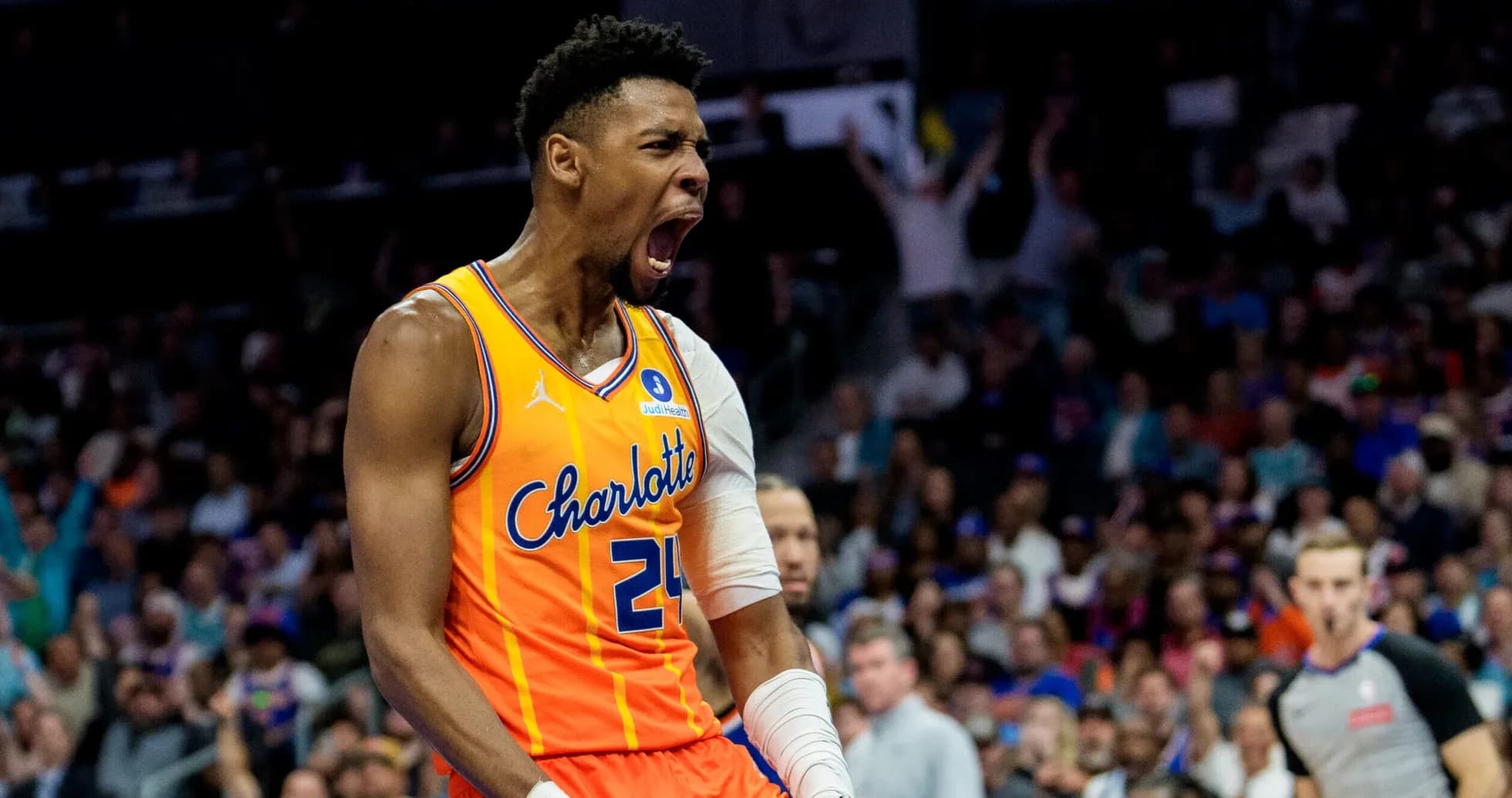
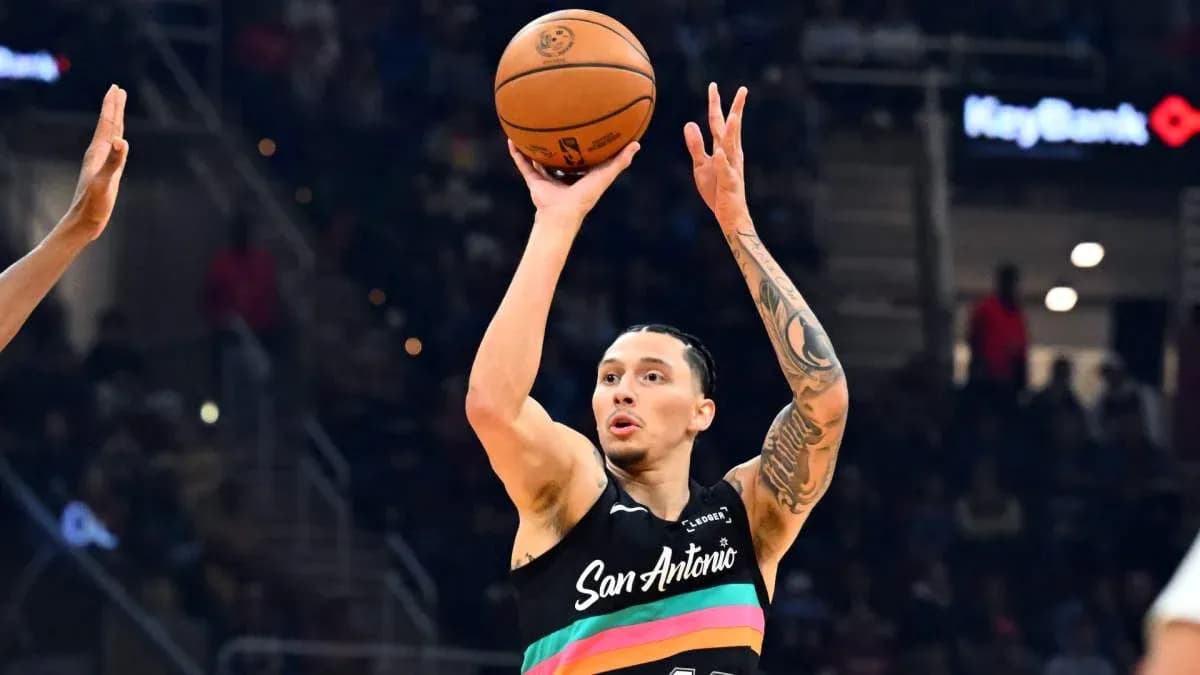
On the margins, specialists still matter. Devin Vassell offers late threes in San Antonio, Toumani Camara provides 3-and-D value in Portland, Cason Wallace can slide from steals specialist to something more in Oklahoma City if he grabs the extra usage now available on the wings. Grayson Allen will keep firing from deep in Charlotte. Josh Hart still rebounds like a power forward and just posted his first season over 40 percent from three.
Health, Volume and the Gamble Ahead
Every tier of this ranking is a negotiation between talent, role and risk.
Kristaps Porziņģis can annihilate this slot on a per-game basis but has topped 65 games just twice. Kawhi Leonard, mostly healthy last year and brilliant when available, still brings the same old concern as he approaches a likely trade back to Toronto. Paul George, now in Boston at 36, has played 56 or fewer games in six of the last seven seasons.
Zion Williamson logged 62 games but under 30 minutes per night again, a reminder that even a “healthy” season can be carefully managed. Zach LaVine, with 108 missed games over the past three years, sits on a rebuilding Kings roster that could shut him down or move him to a contender at any point.
And then there are the grinders: Rudy Gobert, four straight seasons of at least 70 games and steady big-man numbers; Mikal Bridges, arguably the healthiest player in the NBA; Jalen Duren, already an All-Star with a secure role in Detroit; Neemias Queta, fresh off a breakout in Boston but now facing more competition at center.
The board is set. Superstars in new cities. Rookies with the ball in their hands from day one. Veterans fighting their bodies and the clock.
The only question left is the one that will define every draft room over the next two months: who do you trust when the numbers and the narratives collide?