.svg&w=384&q=75 "logo")
Everton's Transfer Window Implosion: A Season of Discontent
Everton’s transfer window did not simply end badly. It imploded.
What should have been a late push to refine David Moyes’ squad turned into a public unravelling that has dragged owners The Friedkin Group and chief executive Angus Kinnear into the centre of a furious fan revolt. The word “failure” – used by the hierarchy to describe last season’s league finish – is now being thrown straight back at them.
A deal that descended into farce
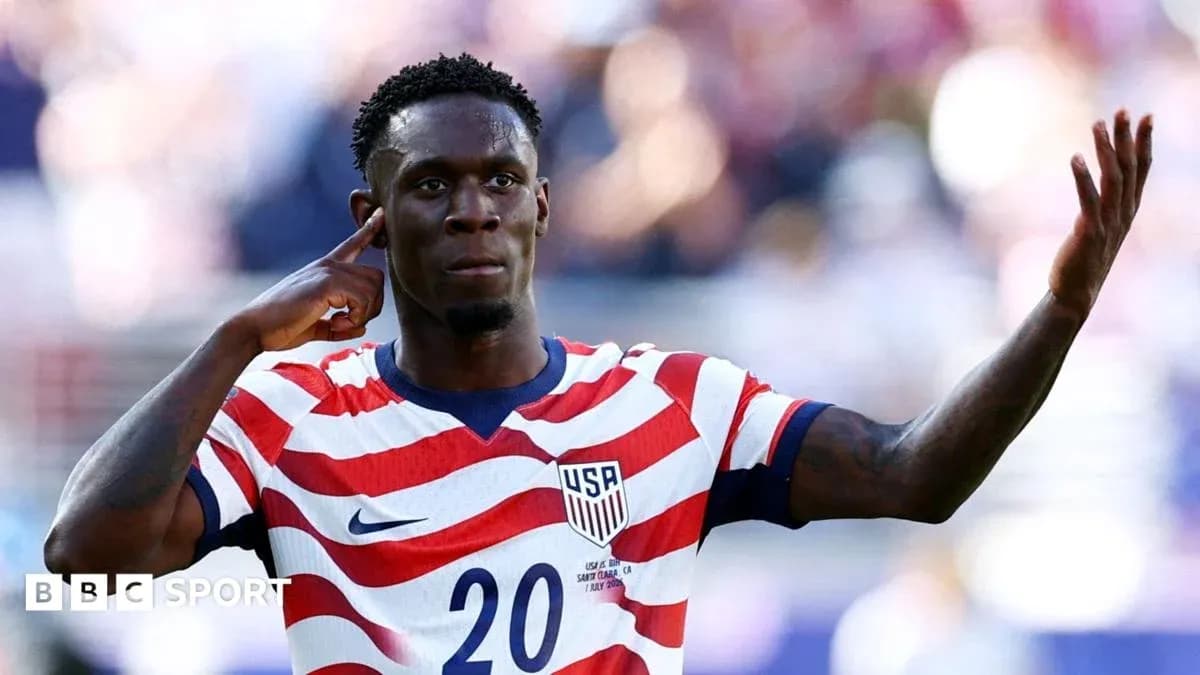
The breaking point came in the early hours of Wednesday morning, with the collapse of Folarin Balogun’s £40m move from AS Monaco.
On paper, it was done. Balogun, 25, had completed his medical, both clubs had signed the deal sheet, and the transfer sat in that familiar post-deadline limbo, awaiting formal ratification after the 23:00 BST cut-off. Everton had even scheduled an 8am flight to bring the United States striker to Merseyside.
Then the details began to fray.
Balogun’s arrival was delayed. Everton grew irritated at the time it took Monaco to send across the relevant documents. During the medical, issues emerged that forced a renegotiation of the original agreement, shifting the structure to a smaller initial fee with further payments triggered by performance and progress. The player’s personal terms stayed the same.
Everton insist they were transparent with Balogun about the medical findings and that they offered to work with Monaco to find a way through. The striker clearly did not see it that way. Monaco sporting director Thiago Scuro later said Balogun was “not comfortable” with how Everton treated him during the medical. The forward walked out of Finch Farm without signing, leaving the club empty-handed and exposed.
The optics were dreadful. A marquee striker target, photographed at the training ground, gone before the ink touched paper.
Scrambling for solutions, finding none
As the Balogun situation wobbled, Everton lurched into contingency mode.
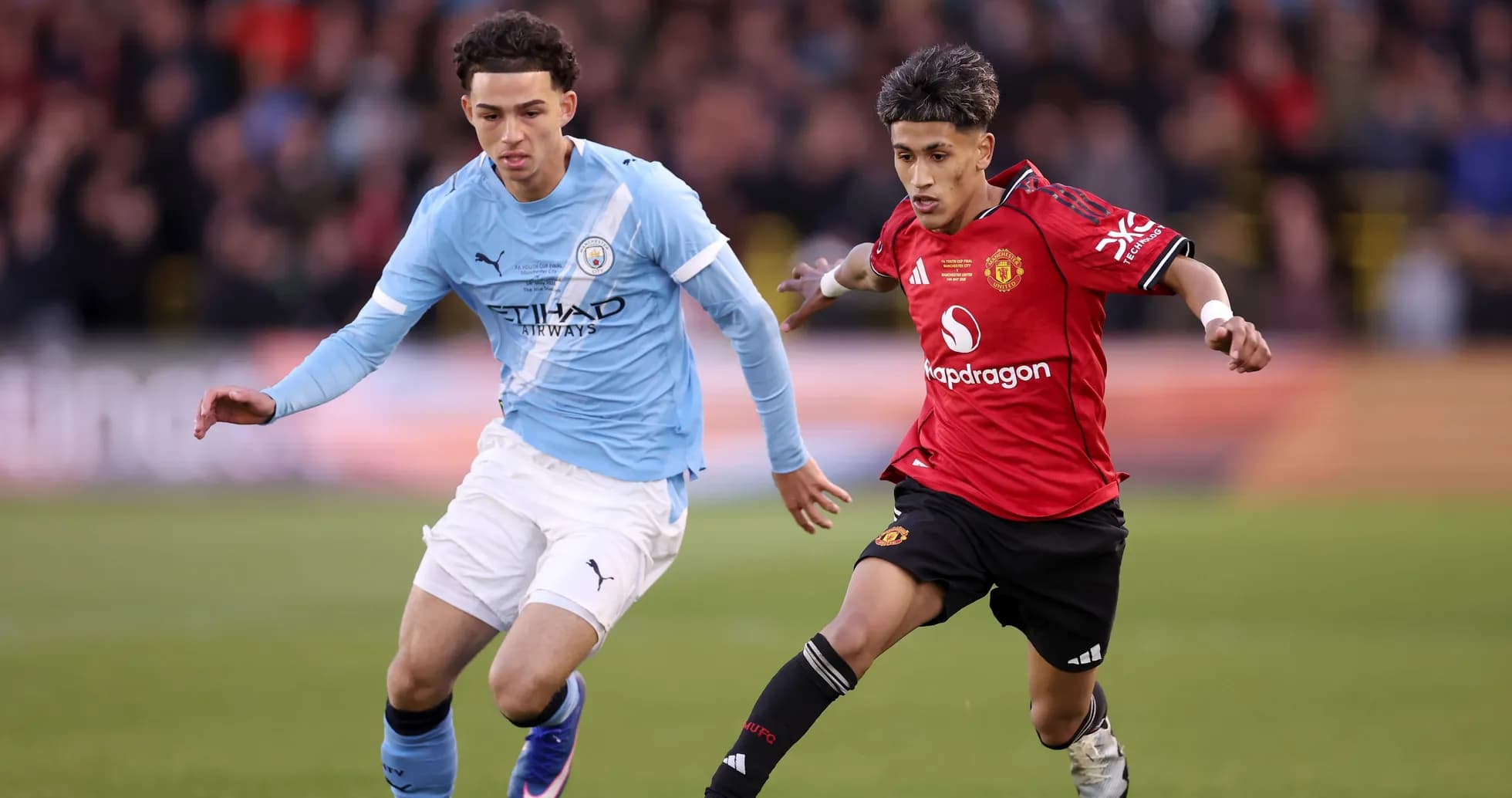
They moved for Manchester United’s Joshua Zirkzee on loan. The player was willing. United were not. Old Trafford shut the door.
Attention then turned to Aston Villa’s Tammy Abraham. Everton made their move, but Abraham chose to stay at Villa Park. Another avenue closed.
By the time Everton circled back to Monaco and struck a revised agreement for Balogun – minutes before the deadline – the damage was done. The forward’s mind had changed. The club that had spent the day chasing alternatives now watched their original target walk away.
All this played out just hours after Everton had sanctioned Beto’s £15.5m sale to Fiorentina. One striker out, none in. The risk was obvious. The club took it anyway and were punished.
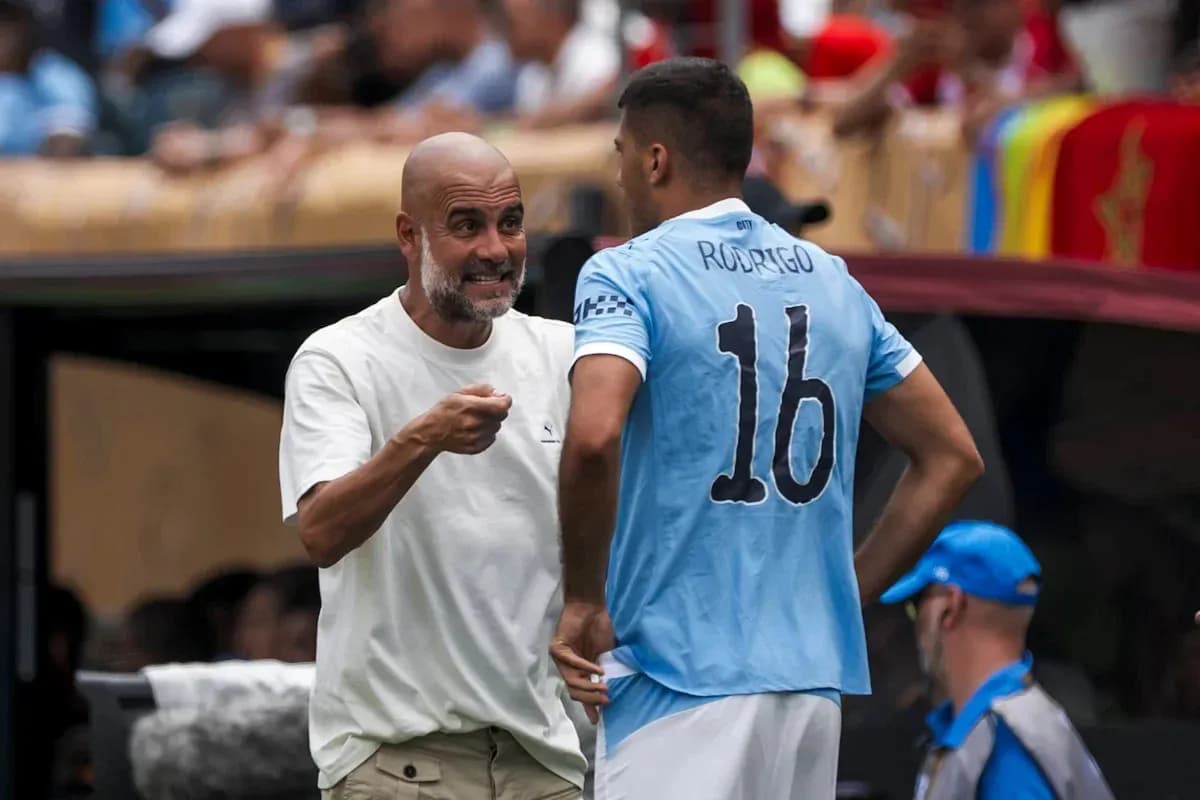
As the chaos unfolded, Iliman Ndiaye, Everton’s most creative player, completed his £65m move to Manchester City. The squad lost goals and invention in one window, with no proven centre-forward arriving to replace them.
A “good place” that never existed
The contrast with Kinnear’s recent public messaging is stark.
In a much-discussed interview with BBC Radio Merseyside, the chief executive declared Everton’s squad was “in a good place”, stressing the club’s aim was to secure “the absolute best player” for each position by the close of the window. He also relayed the view of the American owners that missing out on European qualification last season amounted to “failure”.
Moyes admitted those comments came as a “surprise”. After the past few days, the surprise is not that the manager raised an eyebrow, but that such confidence was ever expressed at all.
The “good place” has materialised as a threadbare reality: Moyes goes into the season with just one recognised striker in the raw Thierno Barry and only 18 senior outfield players. For a 63-year-old manager already hinting at unease with the club’s summer business, it is a precarious position.
Thin at full-back, thinner in credibility
Even where Everton finally addressed long-running problems, the process looked muddled.
The right-back issue has haunted multiple windows. This time, a £9.4m move for Fulham’s Kenny Tete collapsed when the London club failed to secure a replacement. Only after midnight did Everton announce Ashley Maitland-Niles from Lyon for £3m, belatedly plugging the gap.
The squad now contains one recognised right-back – Maitland-Niles – and one left-back in Vitaliy Mykolenko. Youngster Adam Aznou has been allowed to join Malaga on loan, trimming depth still further.
The club can point to some business that, in isolation, carries logic. Jack Grealish has returned on loan. PFA Championship Player of the Year Hayden Hackney has arrived from Middlesbrough. Christian Norgaard has been signed from Arsenal as a replacement for Idrissa Gueye, though the 32-year-old is injured with no return date yet. Promising youngsters Merlin Rohl and Tyrique George have come in, with George’s loan made permanent. Brennan Johnson has joined from Crystal Palace in a straight swap for Dwight McNeil.
On paper, those deals add some quality and potential. In the shadow of deadline day, they barely register. The overriding impression is of a club that has finished the window weaker than when it started it – lighter up front, lighter in key positions, and far lighter in credibility.
Fans turn, groups walk away
The anger in the stands has been building for days.
The attempted sale of 19-year-old Harrison Armstrong to Nottingham Forest lit the fuse. Armstrong, widely regarded as Everton’s brightest academy talent since Wayne Rooney, was on the brink of leaving before the board pulled the plug under the weight of a furious backlash. A major public relations disaster was narrowly avoided.
The club then walked straight into another.
Supporters’ groups have wasted no time in responding. A petition calling for Kinnear’s resignation has already surfaced. “The Everton Fans’ Forum” issued a detailed statement accusing the club of leaving the squad “dangerously short” in key areas and questioning planning, recruitment and decision-making.
“This is not about demanding that Everton spend recklessly,” the statement read. “Supporters understand the financial restrictions the club operates under. We are not demanding marquee signings simply for the sake of it. We are demanding competence, preparation and accountability.”
Those three words – competence, preparation, accountability – cut to the heart of the current mood.
“The 1878s”, the volunteer group behind the huge flags, banners and tifos that have transformed the atmosphere at the new Hill Dickinson Stadium, have gone further. Lauded by Moyes as “unbelievable” for their work, they have announced they are “standing down for the foreseeable future” in protest at the club’s handling of the window.
They made clear they cannot use derogatory or offensive wording or images on flags under stadium regulations, but the sentiment was unmistakable: if they could fill the ground with banners expressing their “discontent, disappointment and anger”, they would.
For a club that has leaned heavily on its fanbase to create unity and noise in difficult times, losing such a powerful visual and emotional force is a brutal indictment.
Moyes left exposed
On the pitch, Moyes has tried to keep his focus on football. Even that now comes laced with subtext.
After the Carabao Cup second-round win at Preston North End, he did not hide his concerns. “I still think we have got a lot of work to do. We need more players. Our squad is not big enough and we need to get more quality in some areas if we can do.”
Those words now hang over the club’s hierarchy. Moyes has so far chosen his public comments carefully, but his private thoughts will be sharp. The manager has been handed a squad that looks brittle in numbers and unbalanced in key areas, despite months of planning and repeated assurances from above.
Everton’s leadership can argue that Balogun’s late change of heart was a personal decision beyond their control. That is true. It does not explain why glaring structural issues were left to the final day, or why a club of Everton’s stature ended a crucial window with one senior striker and a fanbase in open revolt.
Fences to mend, trust to win back
Everton have yet to issue any public statement on the Balogun fiasco, the Armstrong U-turn, or the broader criticism pouring in from supporters. Silence, for now, fills the space where leadership should be.
The Friedkin Group and Kinnear face a brutal reality. They set Europe as the bar and labelled anything less as failure. They now stand accused of failing their own manager, failing their own standards, and failing to read the temperature of a support that has repeatedly carried the club through darker days.
This window has not simply dented Everton’s plans. It has shredded trust.
There is time to repair relationships, to front up, to explain, to show that lessons will be learned. But the season will not wait. Nor will the questions.
With one striker, a stretched squad and a fanbase demanding answers, what happens next will define far more than a single transfer window.