.svg&w=384&q=75 "logo")
Eddie Howe’s Exit and the Summer Transition at Newcastle
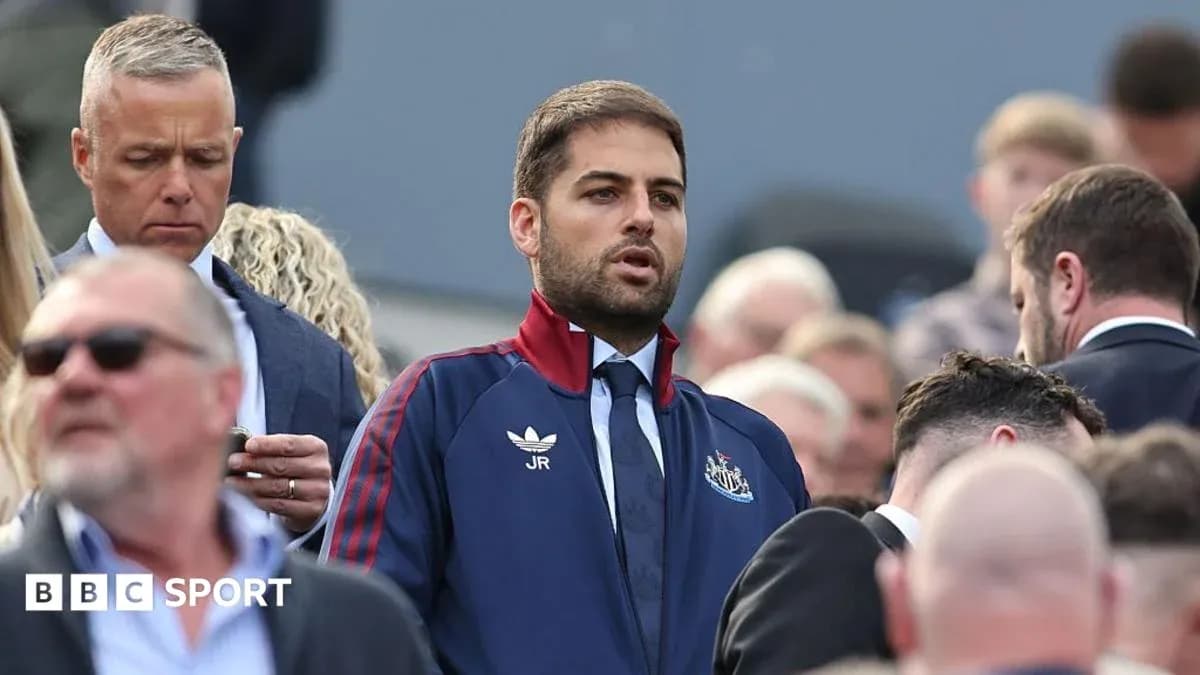
Eddie Howe’s departure from Newcastle United has been framed in many ways – natural evolution, mutual decision, a club moving on. Stephen Warnock sees it very differently.
For the former Liverpool defender, Howe’s exit was not an accident of timing but the spark for a full-blown transition at St James’ Park, one that has already claimed three of the club’s brightest talents.
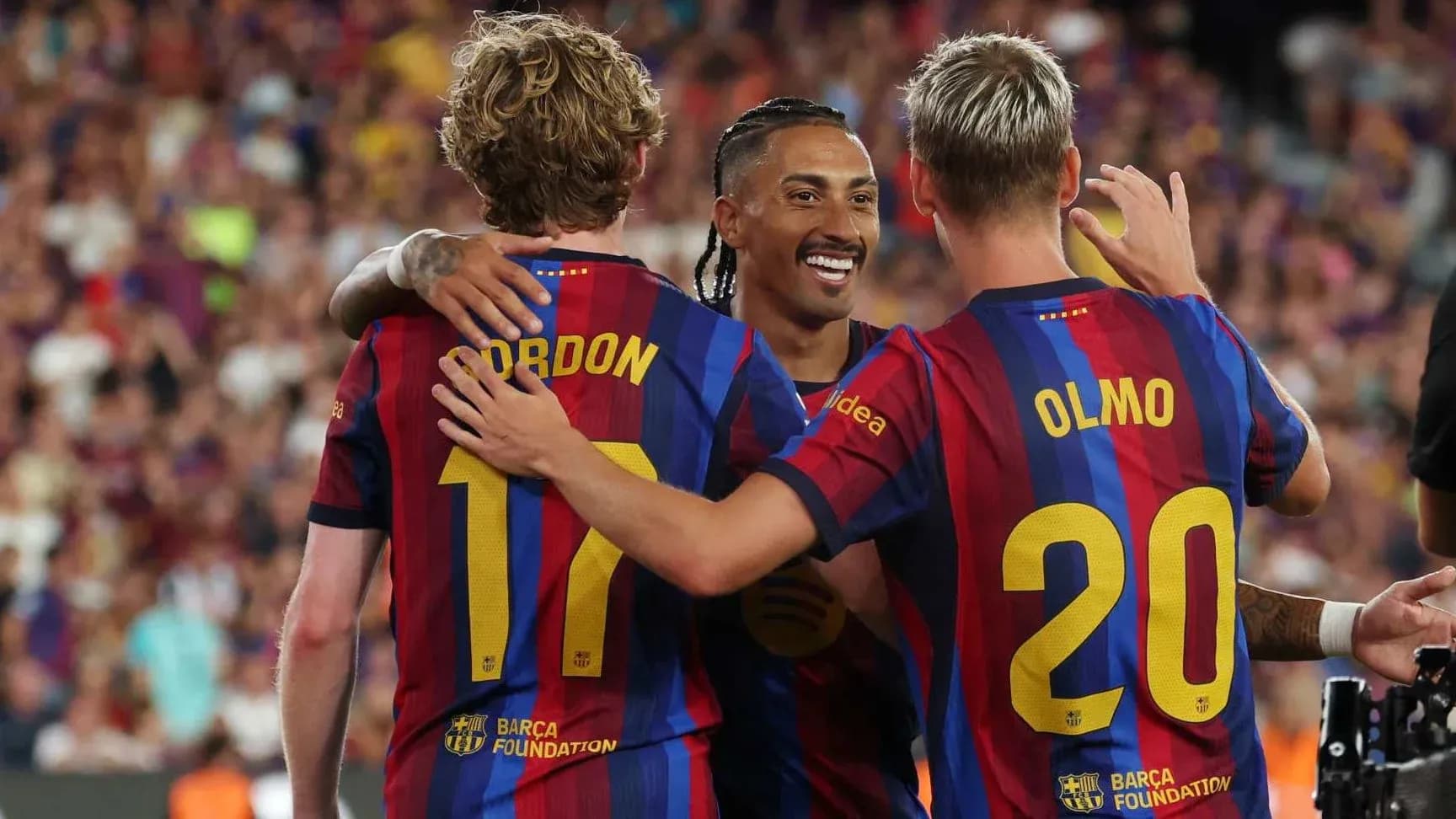
Since the end of the 2025-26 season, Newcastle have watched Anthony Gordon leave for Barcelona, Sandro Tonali join Tottenham and Bruno Guimaraes head to Arsenal. That is not just turnover. That is the spine of a project being ripped out in a single summer.
On BBC Radio 5 Live’s Monday Night Club, Warnock did not tiptoe around it.
“Newcastle were the ones who chose to get rid of their manager this summer, in my opinion,” he said. “They pushed Eddie Howe and gave him a decision to make.”
This is the crux of his argument: if a club stops backing its manager at the key moments, it is not simply standing still. It is nudging him towards the door.
“If you don’t back your manager, they will be sitting there thinking: ‘Well, hang about, I need money to strengthen here and you are tying my hands around my back,’” Warnock added. In his view, Newcastle created the conditions that made Howe’s position untenable, then left him to carry the weight of the choice.
“The club didn’t need to do that,” he continued. “They left him with a decision to make about his future at the club.”
The departures of Tonali and Guimaraes, in particular, go to the heart of the debate over Newcastle’s direction. These were not fringe players. They were statement signings, cornerstones of the club’s attempt to crash the established elite.
Warnock is adamant the club were not dragged unwillingly to the negotiating table.
“Do people really think they didn’t want to lose Sandro Tonali and Bruno Guimaraes?” he said. “Because I think they absolutely would’ve taken £100m. These haven’t been forced decisions.”
That line cuts straight through the comforting narrative of unavoidable sales and financial fair play constraints. In his eyes, Newcastle chose this route: cashing in, recalibrating, and accepting a step back in star power to reshape the squad.
Not everyone on the panel agreed with that reading.
The Observer’s Rory Smith offered a more nuanced view of the summer’s upheaval. He acknowledged the scale of the change but saw Newcastle’s response as sharp rather than cynical.
“What Newcastle have done, amid all of the change, has been really impressive,” he said, pointing to how the club have tried to rebuild on the fly. The recruitment, the reset, the attempt to hold their competitive edge – all of it, he argued, shows a club reacting quickly and intelligently to a difficult situation.
But there was a clear line he would not cross.
“It is reactive to a situation they maybe wouldn’t have chosen to be in at the start of summer,” Smith said. He pushed back firmly on the idea that Newcastle actively wanted to part with their two midfield anchors. “I disagree that they wanted to sell Tonali or Guimaraes. If they could have kept those two players, they would have.”
So the summer at St James’ Park sits in a grey area: a club that has handled the fallout with competence, but one that, depending on your vantage point, either engineered or endured the circumstances that caused it.
What is not in doubt is the scale of the reset. Howe gone. Gordon gone. Tonali gone. Guimaraes gone. A project that once felt like it was accelerating now feels like it has taken a sharp, jarring turn.
Whether this is a controlled evolution or a risky dismantling will not be decided on radio airwaves. It will be decided under the floodlights, when the new Newcastle walk out and everyone finally sees what – and who – is left.