.svg&w=384&q=75 "logo")
David Croft Supports George Russell After Monza Strategy Controversy
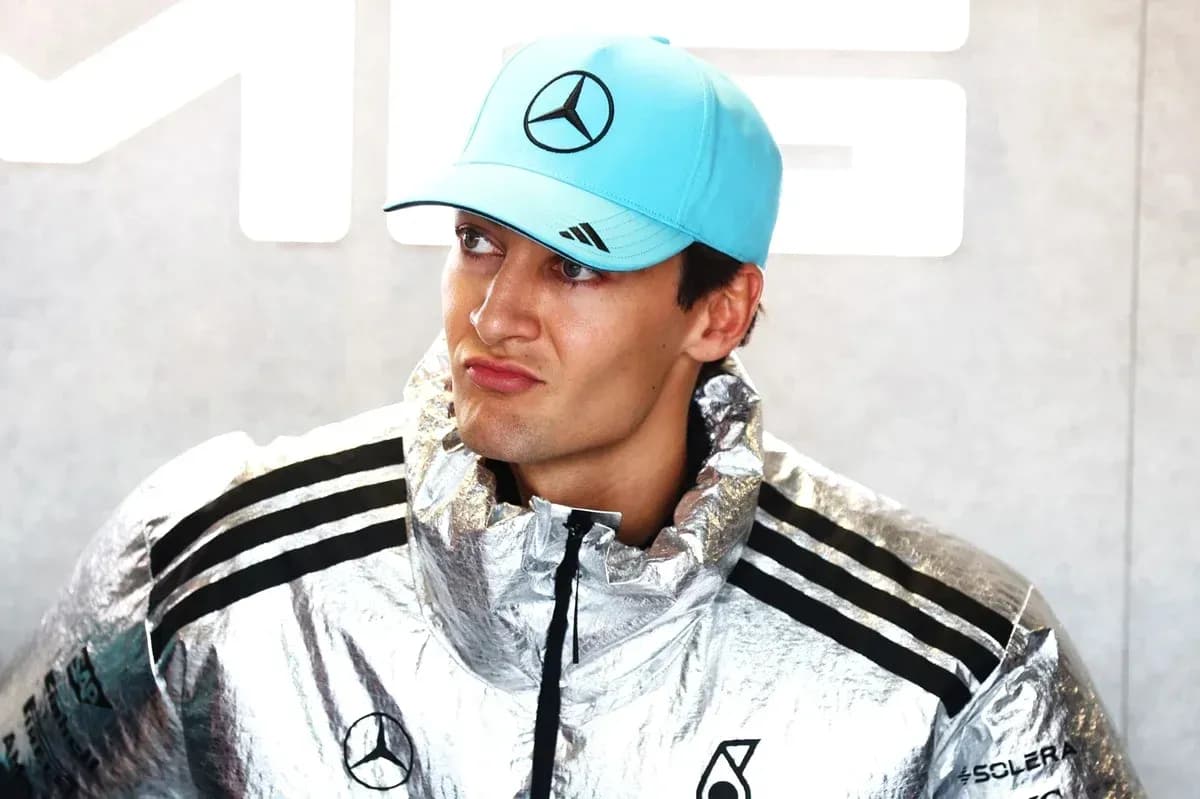
George Russell left Monza with 18 points and a podium. He also left with a sense that something had slipped through his fingers. David Croft believes he’s right to feel that way.
Mercedes’ lead commentator on Sky Sports F1 has thrown his weight behind Russell after the Briton lost victory at the Italian Grand Prix to team-mate Kimi Antonelli, following a crucial – and controversial – strategy split under a late Virtual Safety Car.
Russell had done the hard yards. After the early red flag, he committed to the long game on hard tyres, took control of the race and managed the pace at the front. The plan was clear: go to the end, absorb the pressure, make the one-stop work.
Then the race turned.
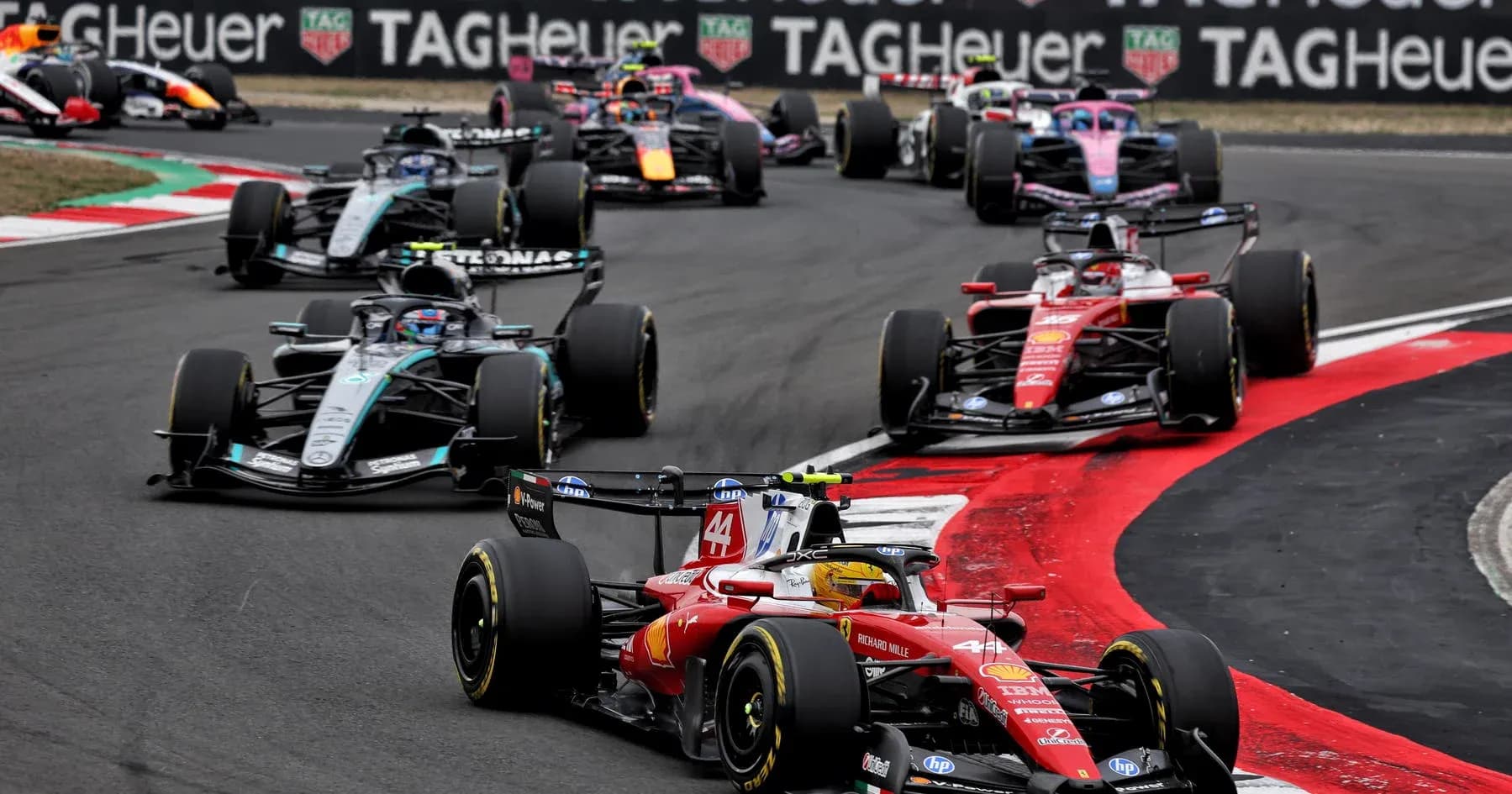
A late Virtual Safety Car opened a window. With Red Bull’s Max Verstappen lurking as a threat, Mercedes rolled the dice – but only on one side of the garage. Antonelli was called in for a cheap stop and bolted onto medium tyres. Russell stayed out, still on his worn hards, still leading, but suddenly exposed.
The outcome was brutal. With a significant tyre offset, Antonelli hunted Russell down, erased the gap and swept past with three laps to go. From 19th on the grid to victory at home, the Italian took the headlines. Russell, who had led the bulk of the race, had to settle for second.
For Croft, the issue is not Antonelli’s win, but how Mercedes handled the man already in control of the race.
“He should feel aggrieved,” Croft said on the Sky Sports F1 Show, arguing that the team had failed to protect the car leading on track. “The strategy was to go to the end. He made it to the end. His pace was OK. But the minute Mercedes are thinking, ‘Well, we should bring in Kimi to cover off Max,’ they should also be thinking, ‘We’ll bring in George as well.’”
The logic is simple: if you’re going to react to a rival and use the VSC to pit one car, you either commit fully and pit both, or you leave both out and trust the original plan. Mercedes tried to cover Verstappen with Antonelli while keeping Russell on an island.
Croft pointed to the opportunity the VSC presented. With the field slowed, the time loss in the pits shrinks. A double-stack might have cost Antonelli a couple of seconds, but it would have put both Mercedes drivers on the same tyre, in the same race, on equal terms.
“I know Kimi might have lost out by a couple of seconds with that double stack, but you’ve got a cheap pitstop. You’ve got an opportunity there,” Croft said. “George says it came at the wrong time; the medium tyre runners would have struggled towards the end. But a bit of safety first on this one, and give your lead driver, who's out there and is doing a fine job, the opportunity to compete on equal terms if you've got equality within the team, which they have.”
That’s the crux. Equality. If one car needs fresh tyres to fend off Verstappen, why doesn’t the other? By choosing to pit only Antonelli, Mercedes effectively turned their own drivers into direct combatants on mismatched strategies – with the leader on the weaker hand.
Russell didn’t hide his surprise in the immediate aftermath, admitting he hadn’t expected his team-mate to stop under the VSC. Croft believes that reaction is entirely understandable.
“I would feel a bit aggrieved if I was George,” he said. “And he said it, didn't he, in the immediate post-race interviews, ‘I was a little surprised to see Kimi coming in.’ I don't think he thought anyone was going to come in. Maybe he should have done, but if they thought Kimi needed a change of tyres, they should have done the same with George.”
Monza will go down as Antonelli’s fairytale home win from the back of the grid. For Russell, it may linger as the day a strategic split inside his own garage cost him what could have been one of the defining victories of his Mercedes career.