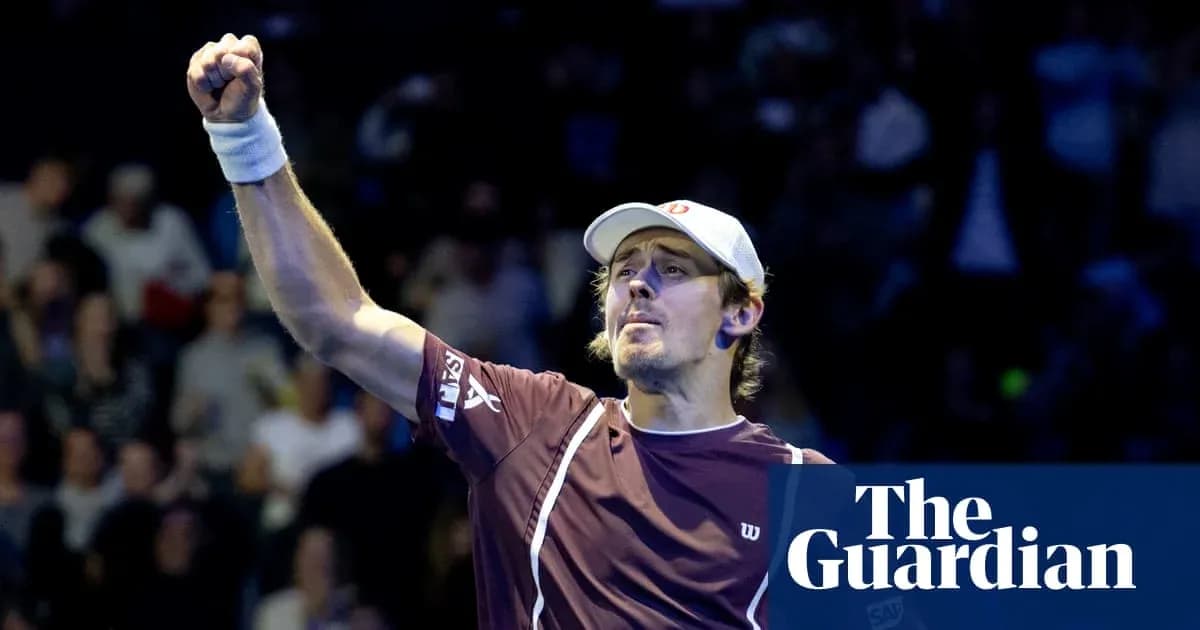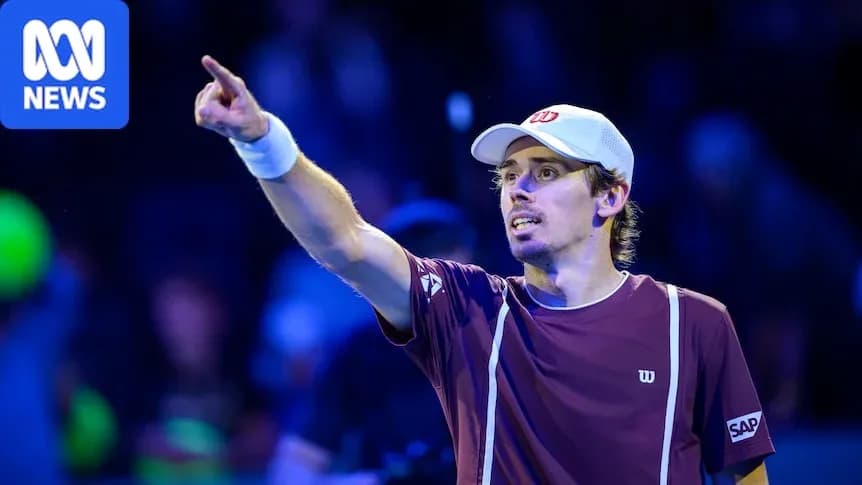
Daniil Medvedev's Emotional Outburst at Vienna Open
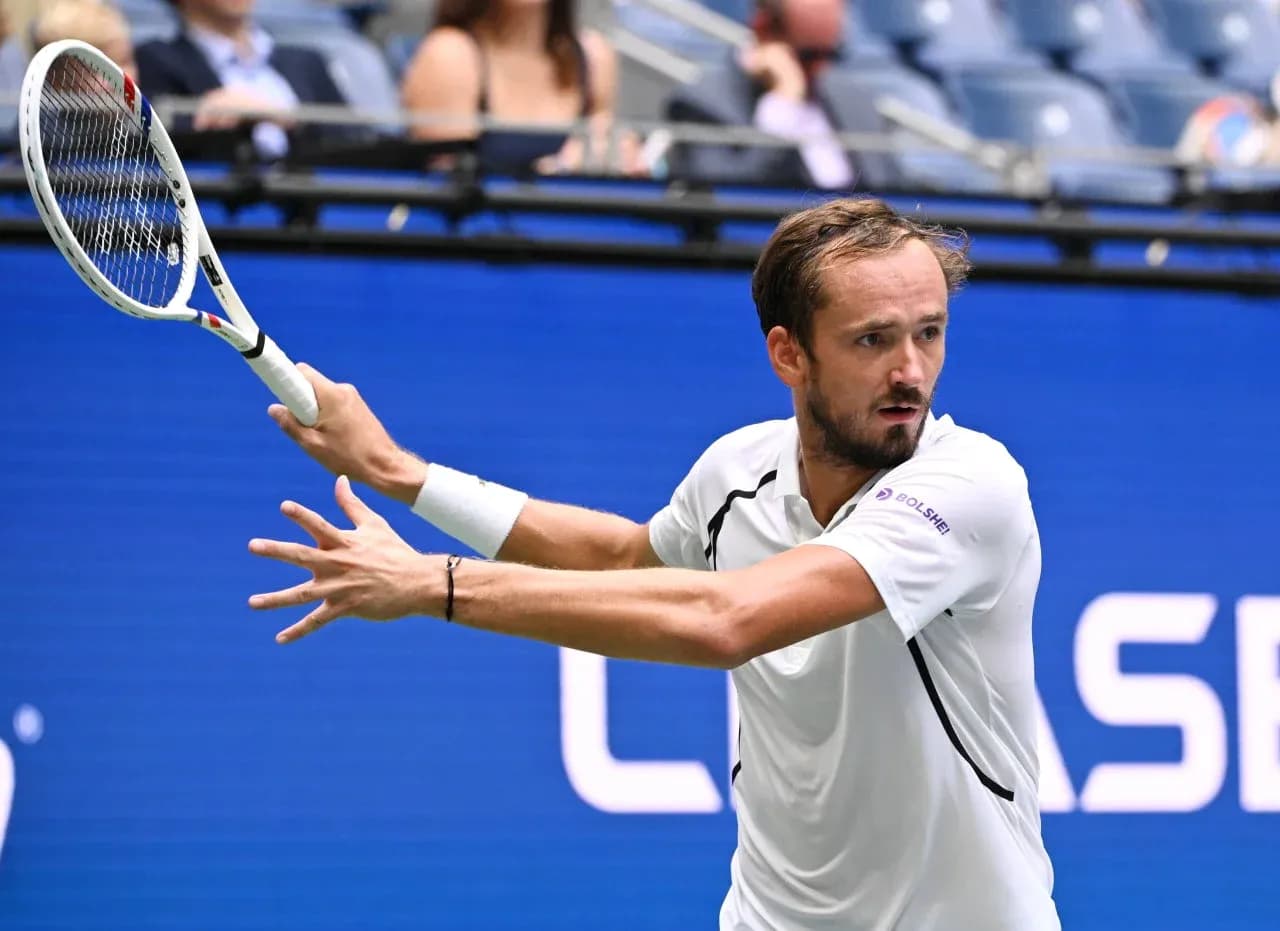
Daniil Medvedev has broken plenty of rackets in his time. In Vienna, he went after something else instead.
On a tense afternoon at the Vienna Open, the Russian’s temper boiled over not on his equipment, but on his own hand and on the sport’s rule-makers. Trailing Cameron Norrie in a nervy third set, Medvedev turned to a nearby microphone during a changeover and delivered a stinging, sarcastic jab at the ATP.
“If you hurt yourself, at least you don’t get the fine,” he was heard saying. “The ATP likes it when people get hurt.”
No smashed frame. No flying graphite. Just a clenched fist hammering the court in frustration as he slipped 0–2, then 0–3 down in the decider, the former World No. 1 struggling to find any rhythm against the Brit.
Rage without the racket
Tennis has long tolerated the theatrical racket smash as a kind of pressure valve. Medvedev has been one of its most notorious practitioners, famously imploding in Monte-Carlo this year when he lost 6–0, 6–0 and then obliterated his racket in full view of the cameras.
But the sport has pushed back. With racket abuse incidents piling up, the ATP has tightened its regulations, backing up on-court code violations with increasingly heavy financial penalties. Umpires can escalate quickly from warning to point penalty to game penalty. Off the court, the fines bite harder.
A basic racket smash can cost a player between $5,000 and $10,000. Damage the court, the net, or—far more serious—endanger ball kids, officials, or fans, and the bill climbs sharply.
Medvedev knows that system too well. At the China Open, he was fined his entire tournament earnings after being disqualified from his semifinal against Novak Djokovic for accidentally striking a fan with a ball. The lesson was expensive.
So in Vienna, instead of testing the durability of his racket, he tested his own. He punched the playing surface repeatedly, a raw, almost jarring image for a top professional in a controlled indoor arena.
He is not alone in that shift. His compatriot Andrey Rublev has often turned the rage inward, smashing his racket against his own legs hard enough to draw blood. In Hangzhou against Hugo Gaston, Rublev went even further, thumping the advertising boards until his hands bled, then somehow steadying himself and winning the match.
Self-harm as a loophole. The racket survives. The fine never comes.
From meltdown to momentum swing
For Medvedev, the outburst in Vienna looked like the prelude to a bad defeat. Down 0–3 in the third set, unable to crack Norrie’s patterns, he seemed to be spiraling.
Then the match flipped.
The Russian clawed his way back to 3–3, only to falter again. Norrie broke once more and stepped up to serve at 5–3, match point in hand, the upset within touching distance.
That was the moment Medvedev finally played like a major champion. With his back pressed against the wall, he saved the match point, broke Norrie’s serve, and dragged himself level. The tension tightened. Both men held serve, and the contest moved into a tiebreak with everything on the line.
There, experience told. Medvedev took control early, read the exchanges better, and shut the door ruthlessly, sweeping through the breaker 7–1 to complete a comeback that had looked improbable when he was pummeling the court in anger.
From 0–3 down and on the brink of another controversy-laced defeat, he walked off a winner and into the quarterfinals.
Turin in sight
Next up is Adrian Mannarino, a crafty left-hander who has always made Medvedev work. Their head-to-head is tight—5–4 in the Russian’s favor—but the recent trend leans his way: Medvedev has taken five of their last six meetings.
He arrives in that matchup riding one of the hottest streaks on tour. Over his last four events, he has collected two titles and reached two semifinals, form that has powered him to World No. 5 and the same position in the Race to Turin with 3,760 points.
A deep run in Vienna would all but lock in his place at the ATP Finals in November.
The question now is whether the fire that led him to punch the court in Vienna will keep fueling his surge—or whether the ATP’s tightening grip on racket abuse will keep driving players like Medvedev and Rublev toward a troubling new way of paying the emotional price of losing control.