.svg&w=384&q=75 "logo")
Daniil Medvedev Dominates in US Open Return
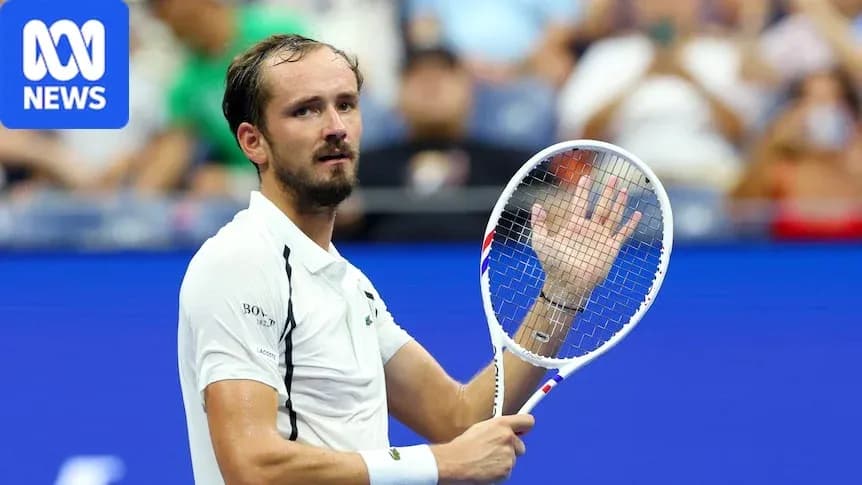
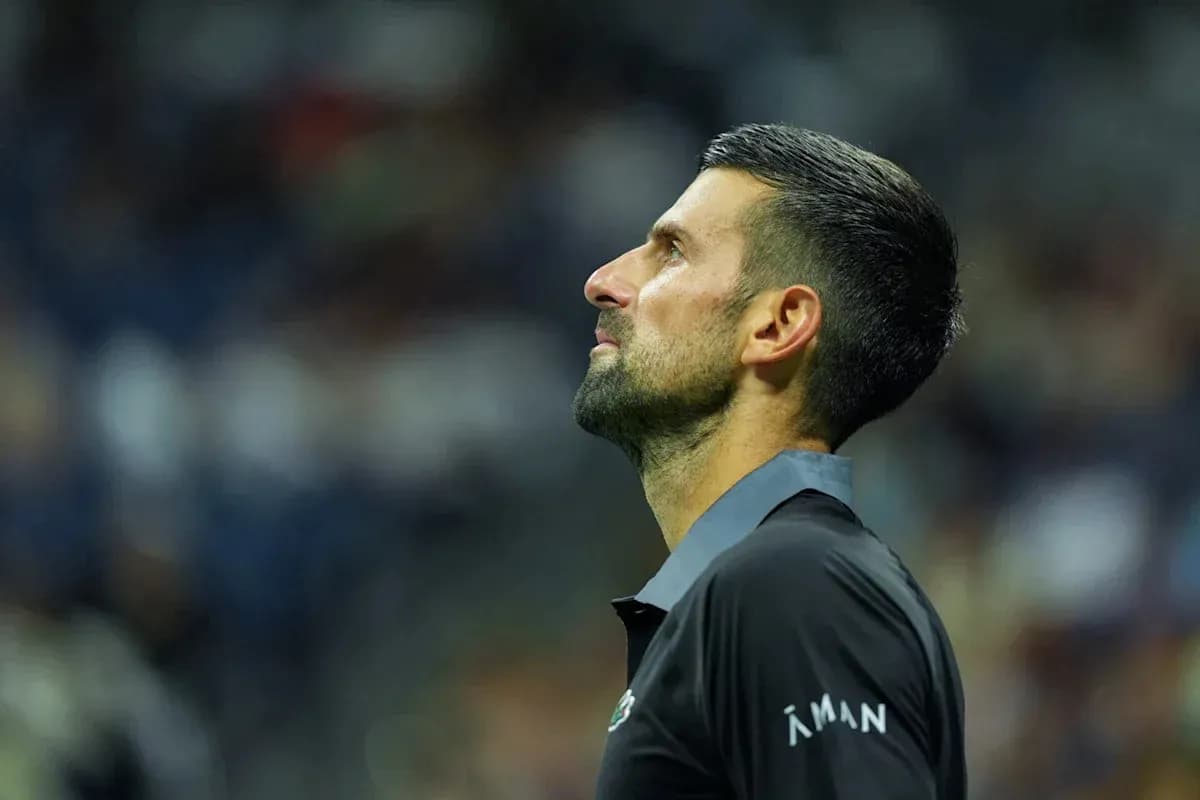
Daniil Medvedev walked back onto Arthur Ashe Stadium with ghosts to chase and very little interest in sharing the stage. A year after a shock first-round exit, the 2021 champion tore through Hugo Gaston 6-4, 6-2, 6-4 on Sunday, playing with the edge of a man who had heard enough about last year.
No theatrics this time. Just cold, controlled aggression.
Medvedev, so often the pantomime villain in New York, fed off the arena again but on his own terms. He cracked 34 winners to Gaston’s 11, dictating from deep, stepping in when it mattered, and smothering the Frenchman’s creativity before it could catch fire.
"You need to play your game — I knew he was going to do some drop shots, some underarm serves," Medvedev said. "I needed to make some winners, put some pressure on him."
He did exactly that. Gaston tried his full repertoire — disguise, touch, improvisation — but Medvedev’s reach and anticipation shut the door. The first crack came in the seventh game of the opening set, when Gaston floated a backhand wide to hand over the break. Medvedev didn’t look back.
The second set turned into a procession. The seventh seed tightened his grip, broke in the third game after Gaston slapped a forehand into the net, and began to toy with the angles. On break point in the seventh game, Medvedev leapt into the air and drilled a backhand that flashed past Gaston and into the corner, a shot that felt like a statement as much as a point.
Only days earlier, Medvedev had been joking in public about a future in pickleball after an early loss in Winston-Salem. On Ashe, that line felt like a different lifetime. He broke again in the opening game of the third set, whipping a forehand winner past a stranded Gaston, and never loosened his grip on the match.
He sealed the win with an unreturnable serve, a clean full stop on a performance that looked far more 2021 than 2025. Next up: the winner of the late match between American wildcard Sebastian Gorzny and Belgian Raphael Collignon. On this evidence, whoever comes through will be facing a Medvedev already locked into Grand Slam mode.
Cilic and Ruud withdrawals reshape men’s draw
While Medvedev restored order on Ashe, the men’s draw lost two of its most familiar names.
Former champion Marin Cilic and 2022 runner-up Casper Ruud both pulled out of the tournament on Sunday, stripping the event of two players with deep Flushing Meadows pedigree before the first round had even fully unfolded.
Cilic, who claimed his lone major title here 12 years ago, withdrew with an unspecified injury at 37. He had been scheduled to return to the scene of his greatest triumph; instead, his spot goes to lucky loser Otto Virtanen, who now faces 23rd seed Andrey Rublev in the opening round.
Virtanen himself had abandoned his third-round qualifying match against Grigor Dimitrov with an injury, yet finds a way back into the main draw. It’s the kind of twist that only Grand Slam qualifying can produce: out on Thursday, facing Rublev on Monday.
Cilic’s absence adds his name to a growing list of high-profile withdrawals. Jannik Sinner, Jack Draper, Joao Fonseca and Holger Rune are already missing from this year’s field, trimming some of the depth and intrigue from the early rounds.
Ruud’s withdrawal cuts even deeper into the top tier. The Norwegian, who pushed Carlos Alcaraz all the way in the 2022 final, had retired during the second set of his Cincinnati Open match against Christopher O'Connell earlier this month. His back never came right.
"Unfortunately, my back hasn't healed as quickly as we had hoped," Ruud said on Instagram. "We've been optimistic that I would recover in time, but my team and I have decided that we need to think long-term and give my body the time it needs. I'm very sad to announce that I have to withdraw from this year's U.S. Open singles event.
"It's never easy to miss a Grand Slam, but I know this is the right decision. I'll take the time I need to recover properly and come back stronger."
Lucky loser Arthur Gea steps into Ruud’s place in the draw and opens against Juan Manuel Cerundolo. For the Frenchman, it is an unexpected shot at a main-draw win on one of the sport’s biggest stages; for the tournament, it is another reminder of how fragile the top end of the game can be in an Olympic year and a packed calendar.
Ruud did manage one last tune-up of sorts in New York, partnering Diana Shnaider in the revamped mixed doubles event last week. They reached the quarterfinals before losing to Andrey Rublev and Mirra Andreeva. That run will have to serve as his only on-court memory from Flushing Meadows this season.
Pegula rides out nerves, keeps No. 1 chase alive
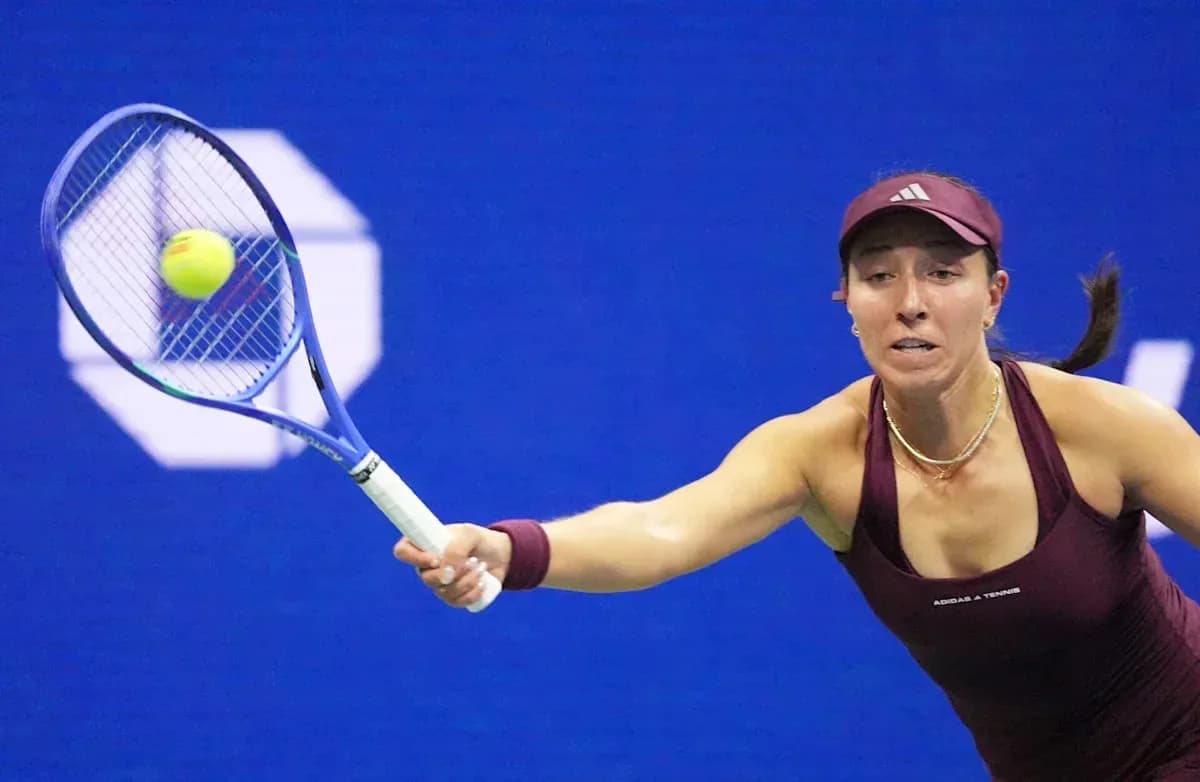
On the women’s side, Jessica Pegula opened the day session on Arthur Ashe and needed a while to steady her hand. Once she did, she was ruthless.
The world No. 3 beat Elena-Gabriela Ruse 6-3, 6-2 in 83 minutes, but the scoreline hides a jittery start. Pegula missed her first nine break-point chances, a flurry of opportunities that came and went as her timing lagged behind her ambition.
"I was so nervous," she admitted. "I was like sending GIFs of what I felt like. It was GIFs of people freaking out and stuff. … The first round of a slam, there's always a ton of nerves."
Those nerves made sense. Pegula arrived in New York off a run to the final in Cincinnati, where she lost to Coco Gauff, and carrying the weight of a potential ranking milestone. She leads the women’s tour with 46 wins this season, owns two titles, and has reached three other finals. This fortnight, there is a clear equation in front of her: win her first major and hope No. 2 Elena Rybakina falls before the semifinals, and she will rise to No. 1 in the world.
Once Pegula finally converted a break against Ruse, the tension seemed to drain out of her shoulders. Her serve, already one of the most reliable parts of her game, turned into a weapon. She won 92% of her first-serve points, a staggering number in any context, let alone with opening-day nerves swirling around Ashe.
From there, the match followed her script. Pegula took time away from Ruse, stepped inside the baseline, and controlled the exchanges with calm authority, looking every bit like a player who expects to be around in the second week.
On a day when a former men’s champion and a recent finalist were forced out by injury, and another former winner quietly reasserted himself, Pegula’s composed, nervy, then dominant performance felt like something else entirely: a statement that the chase for the top ranking will run straight through New York.