.svg&w=384&q=75 "logo")
Czech Champions Shine in US Open Mixed Doubles Final
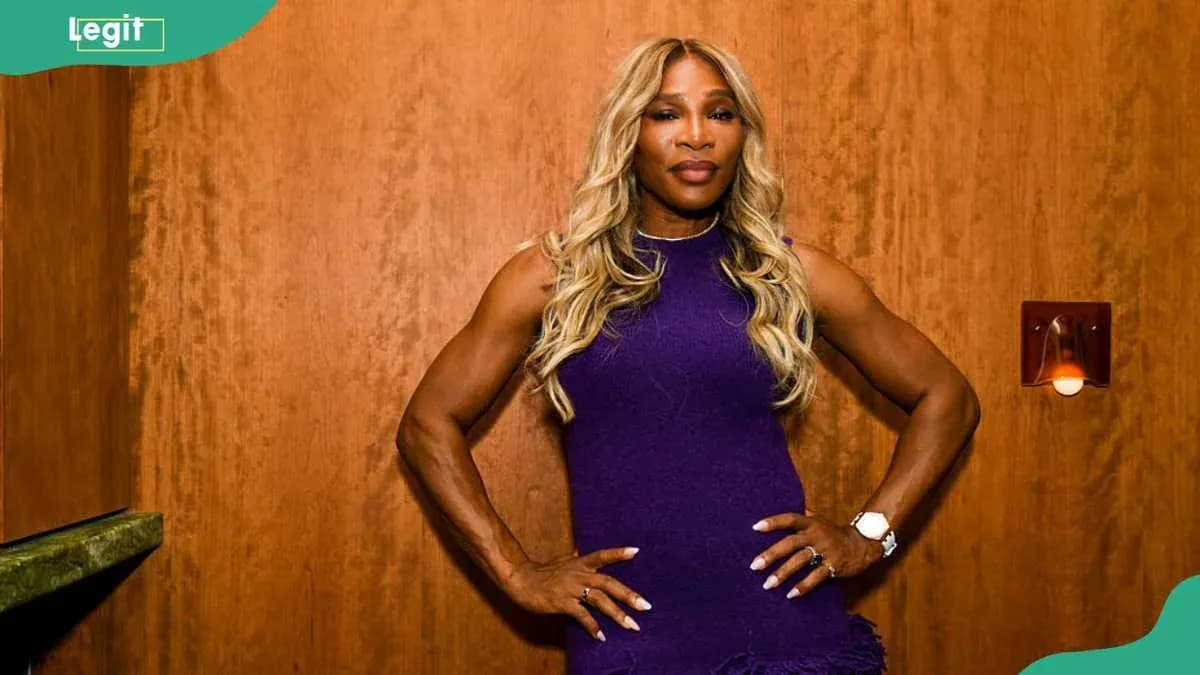
On a week when Serena Williams and Carlos Alcaraz briefly turned mixed doubles into a celebrity showcase, the real story of the US Open’s reimagined event ended close to midnight, with two Czechs who refused to fade.
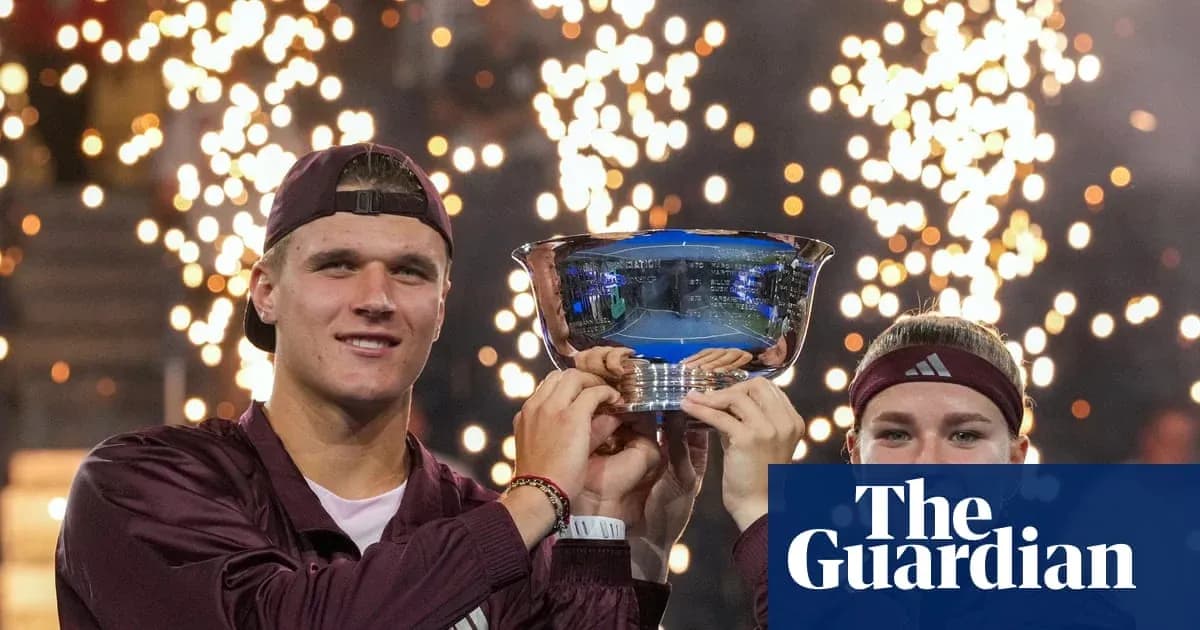
Karolína Muchová and Jakub Menšík walked into Arthur Ashe Stadium as singles players moonlighting in a sideshow. They walked out millionaires and mixed doubles champions, having edged Belinda Bencic and Flavio Cobolli 6-3, 1-6, (10-6) in a final that swung wildly before landing in their hands.
A “sideshow” that stole the night
For many in the stands earlier in the week, the headline acts were clear: Williams back in New York after four years away from the sport, Alcaraz returning from a four-month wrist layoff. Both departed in the quarter-finals. The cameras and casual fans drifted with them.
The players who stayed, though, knew where the real stakes lay. Wednesday night’s final on Ashe carried a $1m winner’s cheque and a sense that this new-look mixed doubles, once derided, had finally found its edge.
Muchová, playing her first matches since losing the Wimbledon final in June, admitted she hadn’t come expecting a title. Yet she and Menšík navigated a draw loaded with singles names and stripped of doubles pedigree, beating Mirra Andreeva and Andrey Rublev 5-4 (8-6), 3-5 (11-9) in a nerve-jangling semi-final that felt more like a sprint than a match. Bencic and Cobolli survived their own thriller, 4-5 (7-9), 4-1 (10-5) against Elina Svitolina and Gael Monfils, before the clock pushed both semi-finals deep into the New York night.
The format helped. Four-game sets until the final, no-ad scoring, a 10-point match tiebreak. Blink, and the match could be gone.
A controversial experiment finds its rhythm
This mixed doubles reboot has not had an easy ride. Last year’s overhaul dragged the event a week earlier on the calendar, bumped the champions’ prize from $200,000 to $1m and shrank the field to 16 teams. It did what it was supposed to do: lure top singles names. It also locked out many doubles specialists and triggered a row over whether this compressed, high-octane version even deserved to be called a grand slam title.
Sara Errani and Andrea Vavassori, both specialists, won in 2025, but the debate never really quietened.
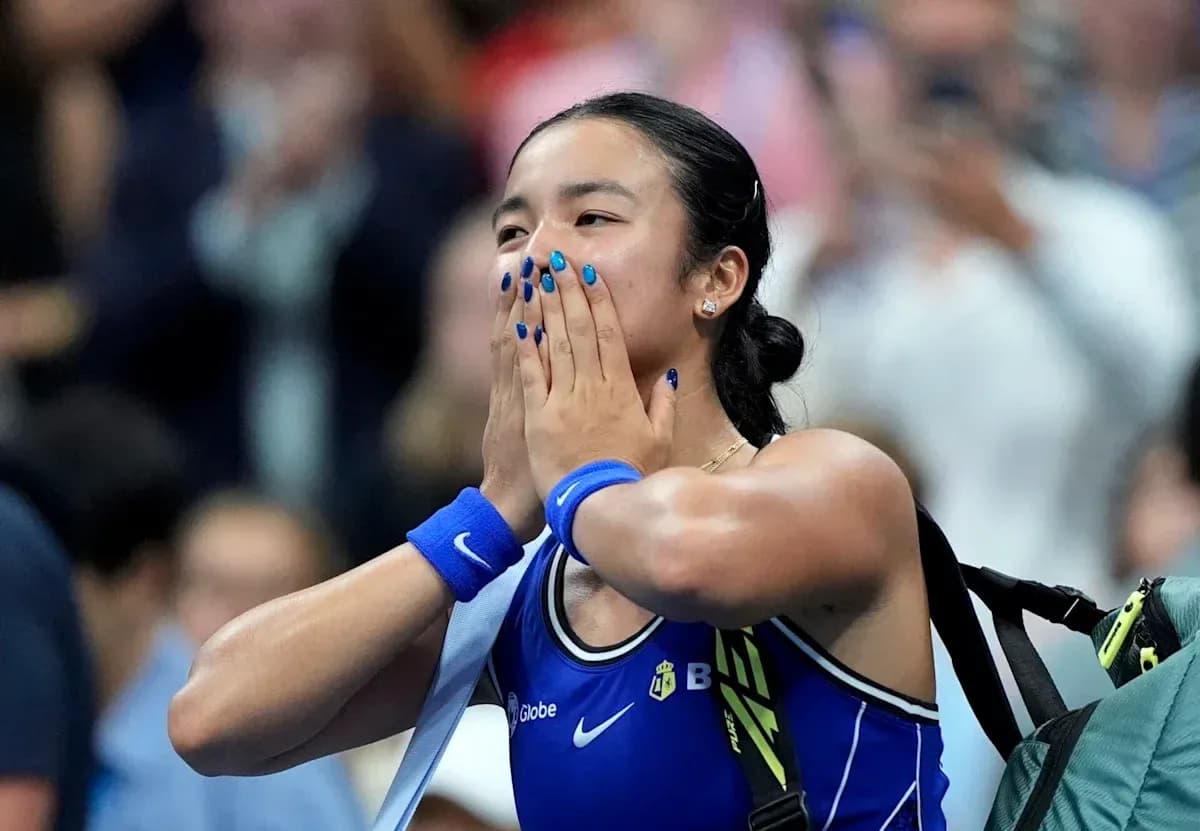
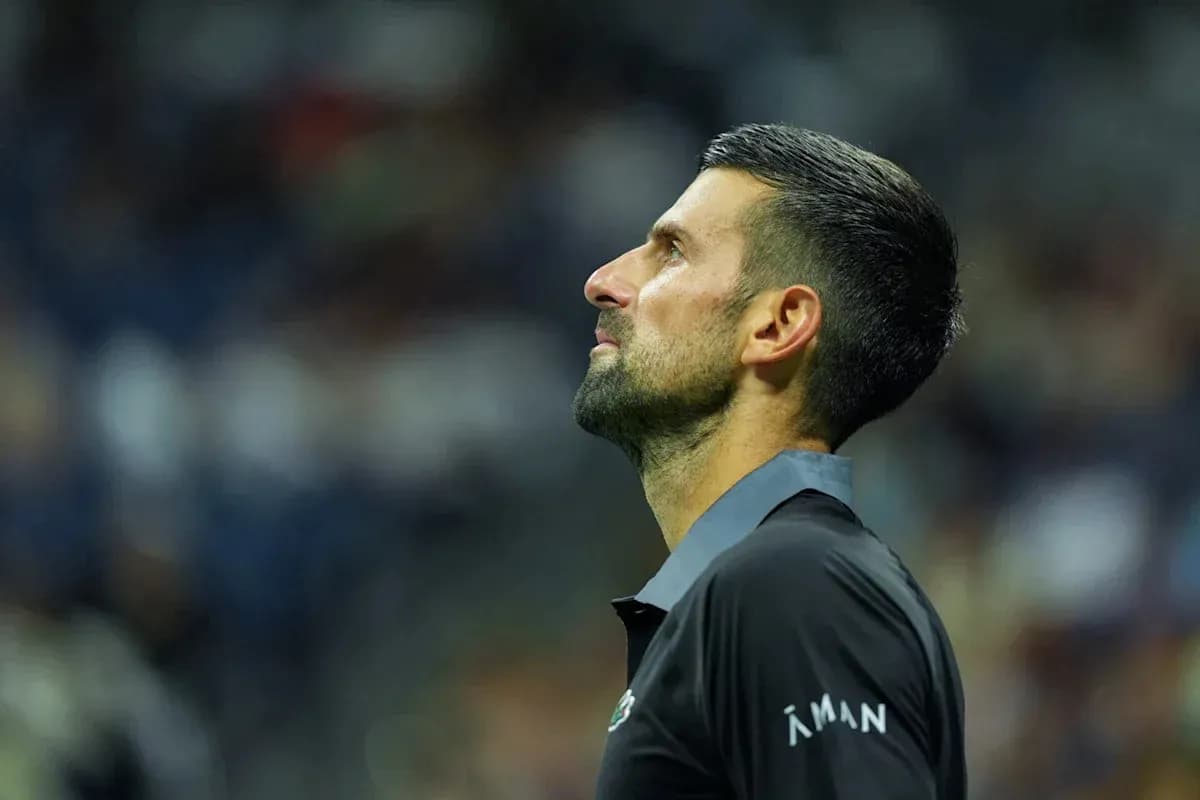
Organizers adjusted again this year. An eight-team qualifying draw opened the door for more doubles teams, even as the marquee names – Novak Djokovic, Aryna Sabalenka, Felix Auger-Aliassime, Alex Eala – exited in the first round. By Tuesday, all four specialist pairings were gone as well.
What remained wasn’t classic doubles. It was something else: fast, loose, occasionally chaotic, and fun.
Beer, maroon, and a married semi-final
The semi-final cast lacked traditional mixed doubles royalty, but it did not lack personality.
Asked how she would spend the hours before the final, Bencic answered with one word: “beer.” Cobolli’s mock panic said everything about how seriously he took the moment, even as the format invited levity.
Muchová and Menšík leaned into the show, turning up in matching pink-and-maroon outfits. When Muchová first suggested maroon, Menšík had to ask what it was. On the other side of the net earlier in the week, Andreeva joked she had once had a crush on Rublev, nine years her senior.
Then there were Svitolina and Monfils. Married since 2021, parents to a three-year-old daughter, and somehow debuting as a doubles team only now. Svitolina, the world No 9. Monfils, down at No 307, playing on a singles wild card in what is set to be his final season. Neither has ever been past a singles semi-final at a major. Their mixed doubles run, and the energy they carried into Ashe, felt like a late-career coda for both.
They started their semi-final like a couple who had been playing together for years. They held serve, dug into long rallies and edged a tight first-set tiebreak when a Bencic backhand cannoned into an out-of-position Cobolli at 7-7, followed by a double fault from the Italian to hand over the set.
Cobolli’s frustration was obvious. He opened the second set with another double fault and looked ready to unravel, but he clawed back from triple break point to hold. That hold flipped the match. He and Bencic earned the night’s first break in the third game, again from three points down, then broke Monfils with ease two games later to pocket the set.
As the match passed the hour mark, the French pair’s legs went. The crowd tried to will them on – Ashe roared loudest for them all night – but Bencic and Cobolli took 21 of the last 26 points and the match with them.
Czechs survive the brink – twice
If that semi-final was about emotional swings, the second was about razor-thin margins.
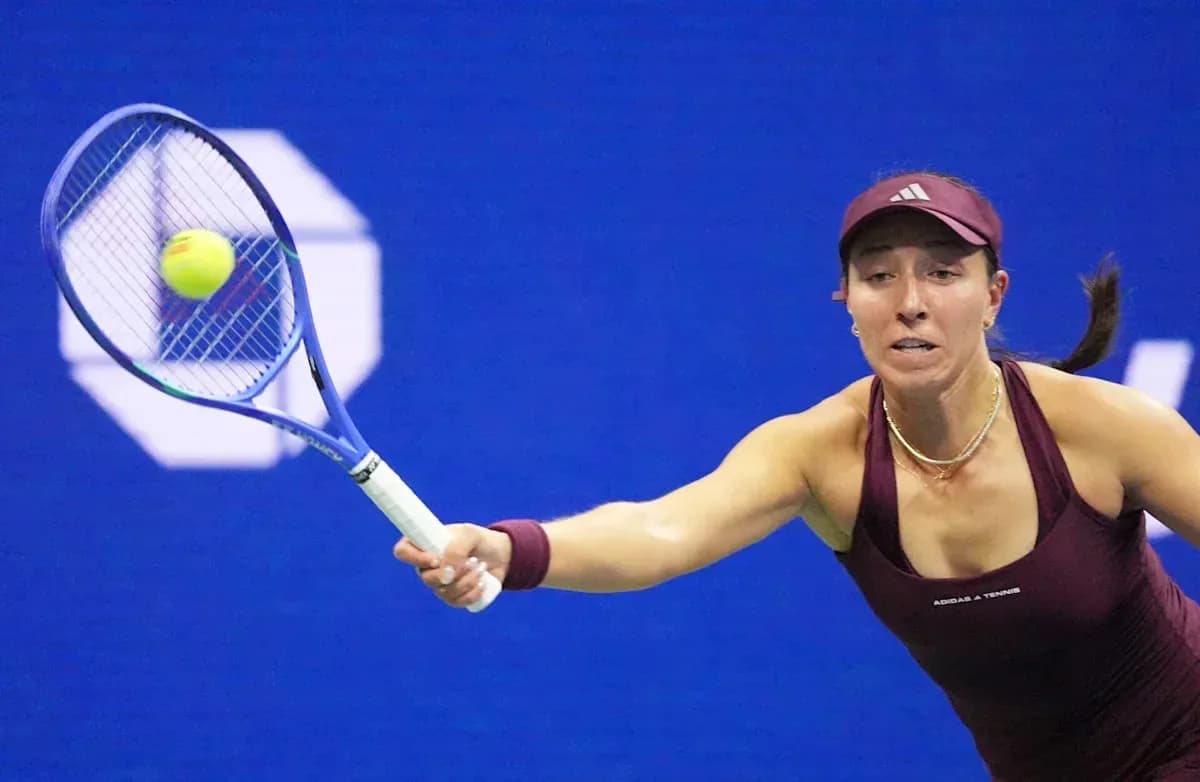
Menšík, all 6ft 5in of him, patrolled the net with intent. Muchová, compact and assured on return, picked her spots. They snatched the first set in an 8-6 tiebreak, Muchová closing it with a feathered backhand volley that would not have looked out of place in a Wimbledon final.
Andreeva and Rublev struck back in the second. They hammered winners down the alleys, pushed the Czechs off the baseline and dragged the match into another tiebreak. This time the tension ratcheted higher. Match points came and went. The Russians stood twice on the brink of the final.
Menšík’s serve bailed the Czechs out. With two match points against them, he landed the kind of deliveries that shrink the court for returners. They reeled off the last four points, stole the tiebreak 11-9 and booked a place in the final – with only 17 minutes to catch their breath.
A final played on fumes and nerve
They barely had time to sit down, let alone decompress. Yet early in the final, it looked as if the lack of rest might suit them.
Menšík’s serve was still humming. He fired four aces in the opening set. Muchová found eight winners, and the pair wrapped it up 6-3 with the ease of a team that had been together far longer than a week.
Then the pattern that had defined Bencic and Cobolli’s night reappeared. The pressure built, and they surged.
Muchová’s level dipped just enough. A couple of wobbly service games opened the door, and Bencic and Cobolli kicked it in, breaking for 4-1 in the second set. Bencic, striking cleanly from the baseline, lasered a cross-court forehand in the seventh game to close out the set and drag the final to a deciding tiebreak.
The stadium, already thinning as the clock crept towards midnight, sensed another twist. Instead, it got clarity.
On the biggest points, the Czechs hit their spots. Muchová and Menšík landed their first serves when it mattered most. Across the net, Bencic and Cobolli blinked, netting three of four crucial points. Standing on triple championship point, Menšík uncorked his seventh ace of the night. The ball skidded past, the title was theirs, and the pair embraced in a near-empty but still echoing Ashe.
A three-week US Open, and a springboard
By the time the trophy was lifted, the crowd had thinned to the diehards. The earlier scenes told a different story. Ashe was mostly full for the semi-finals. The night before, it was packed for exhibition matches honoring Roger Federer, with Andy Roddick, John McEnroe, Andre Agassi and the 20-time major winner himself turning the court into a nostalgia tour.
The US Open wanted a three-week festival. On this evidence, it has one.
Muchová and Menšík never pretended mixed doubles was their main goal. Muchová, ranked No 6, has already played two major singles finals and reached the semi-finals in New York. Menšík is in the middle of a breakout season and chasing his first appearance beyond the third round at a slam.
Singles starts Sunday. The grind returns. The road to another title on Ashe will be longer, heavier, less forgiving than this high-speed mixed doubles ride.
What they carry into it, though, is real: a week of tight finishes, pressure serves, and the knowledge that, under lights on the biggest court in the sport, they handled every swing that came their way.