.svg&w=384&q=75 "logo")
Charles Leclerc Reflects on Monza Clash with Lewis Hamilton
Charles Leclerc did not try to sugarcoat it.
The opening-lap fight with Lewis Hamilton at Monza, the one that lit up the Tifosi and sent a shudder through Ferrari’s pit wall, crossed a line in his own eyes.
“It’s true that we went too far, I think, with Lewis in Turn 1,” Leclerc admitted after a bruising Italian Grand Prix that ended for him in the barriers at Parabolica.
Team-mates on the edge
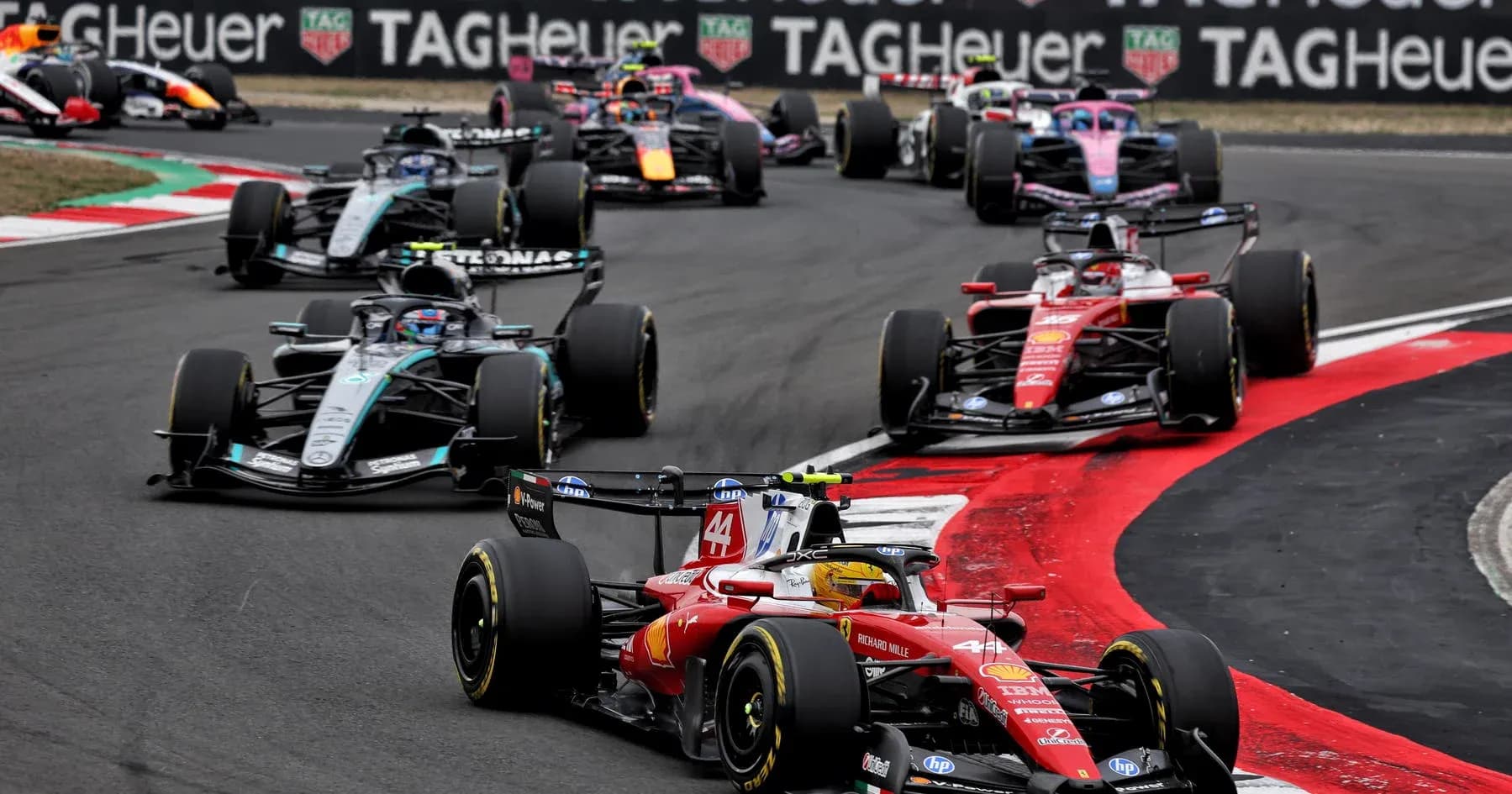
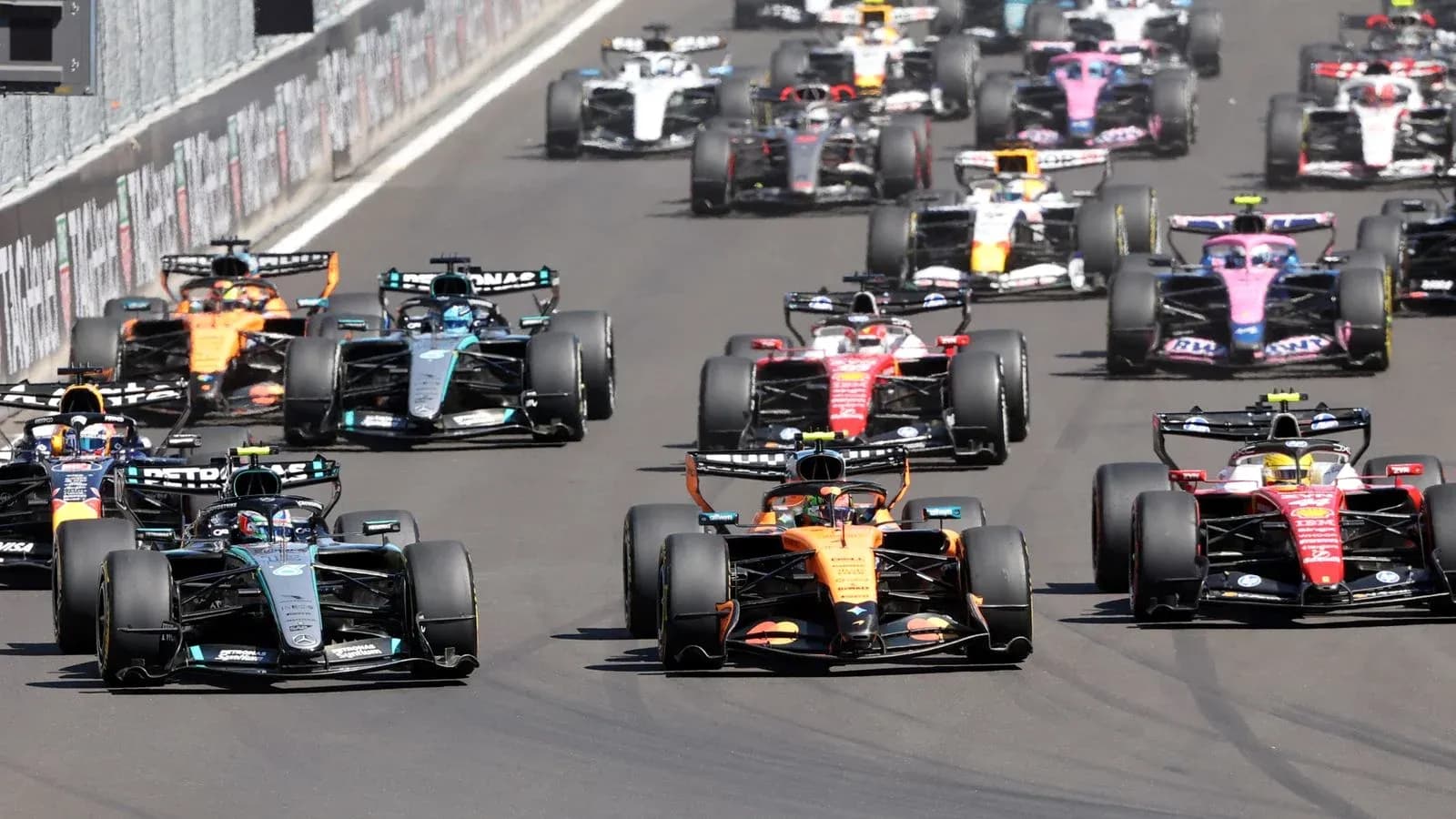
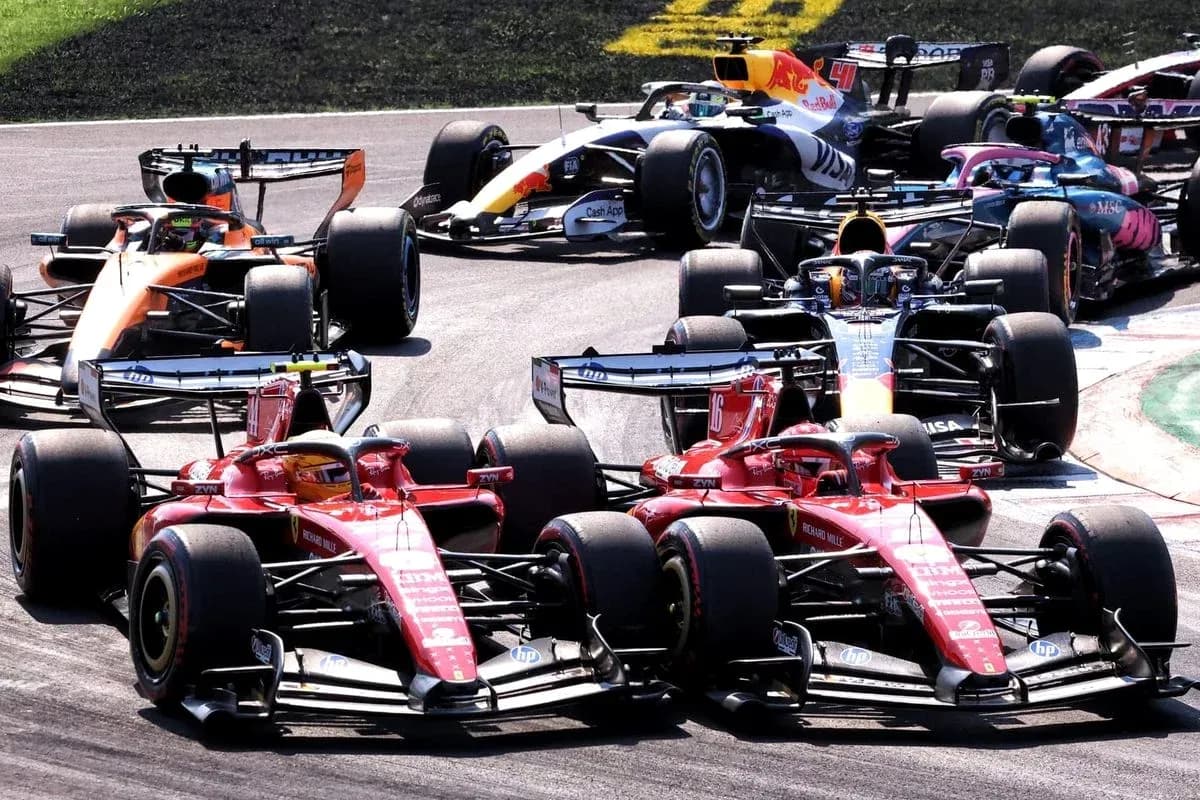
From fourth on the grid, Hamilton launched hard, diving down the inside of third-placed Leclerc into the first chicane. Two red cars, one legendary team, and barely a car’s width to share. They ran side-by-side through the corner, neither yielding, both insisting on their right to the apex.
On the exit, Hamilton was squeezed out, bumped across the kerb and into the gravel. “Charles pushed me off,” he reported on the radio, his frustration immediate.
Leclerc’s version carried more nuance, but no denial that the battle had spilled over.
“In Turn 2 I tried to do the tightest corner possible, but that was just not enough, and doing it here is not good,” he said. The message was clear: racing hard is one thing; risking both Ferraris on lap one at Monza is something else entirely.
The clash arrived against a backdrop of growing noise about the internal dynamic at Ferrari. Are the drivers working together? Are they pulling in the same direction? Leclerc bristled at that storyline.
“I don’t really know who is forcing that narrative that we are one against the other,” he said. “At Zandvoort there were way too many talks already.”
The tension, though, is not imagined. At Zandvoort, Hamilton had vented on the radio when Ferrari chose not to swap cars despite his fresher tyres. He apologised in the days that followed, but the episode lingered. Then came Monza qualifying, where Hamilton again voiced irritation with Ferrari’s execution and warned that “we do have to work as a team” as their title hopes grow “dimmer.”
So when the two red cars barrelled into Turn 1 and refused to back down, it felt less like an isolated skirmish and more like a flashpoint in a partnership still finding its boundaries.
Heavy crash, light relief
Leclerc’s race unravelled completely at Parabolica (Alboreto) at the end of the second lap. The Ferrari snapped away, spearing into the barriers in a heavy, high-speed crash that silenced the grandstands for a moment.
He climbed out, walked away, and headed straight to the medical centre. The checks were swift, the outcome reassuring.
“The neck was OK, it was just the vision a little bit at first, the right eye was not showing me great vision, but now it’s all good,” he explained. “That’s the thing I was most worried of getting out of the car. Then after that, a bit of pain here and there, which is normal after a crash like this, so nothing more.”
The relief was obvious. The frustration, too. This was Ferrari’s home race, a weekend loaded with expectation, and Leclerc’s afternoon had ended before it had even begun to settle.
Madrid on the horizon
There is no time to dwell. The calendar rolls on to next weekend’s Spanish Grand Prix at the new Madring circuit, and Leclerc’s focus has already shifted to being physically ready.
“First of all, I think I’ll have quite a few additional checks that we still have to do on my side probably tonight and tomorrow to make sure that I’ll be fully fine for Madrid,” he said. “It should be the case, but better be safe than sorry.”
As for the cause of the crash, Leclerc pointed away from the wheel-to-wheel fight and towards the car’s behaviour.
He rejected the idea that Oscar Piastri’s attempted move had triggered the incident. “I wouldn’t say that this is the issue,” Leclerc said. “I think from lap one to lap two I had a bit of a difference in power delivery. We’ll look into it, but I don’t want to comment too much before checking the data and confirming it 100%.”
So Monza ends with Ferrari bruised, Hamilton aggrieved, and Leclerc walking a thin line between self-criticism and defiance. The next time the two scarlet cars arrive side-by-side into Turn 1, will the lesson of Italy hold—or will instinct take over again?