.svg&w=384&q=75 "logo")
Flavio Briatore Ignites Controversy Over Monaco Grand Prix Ruling
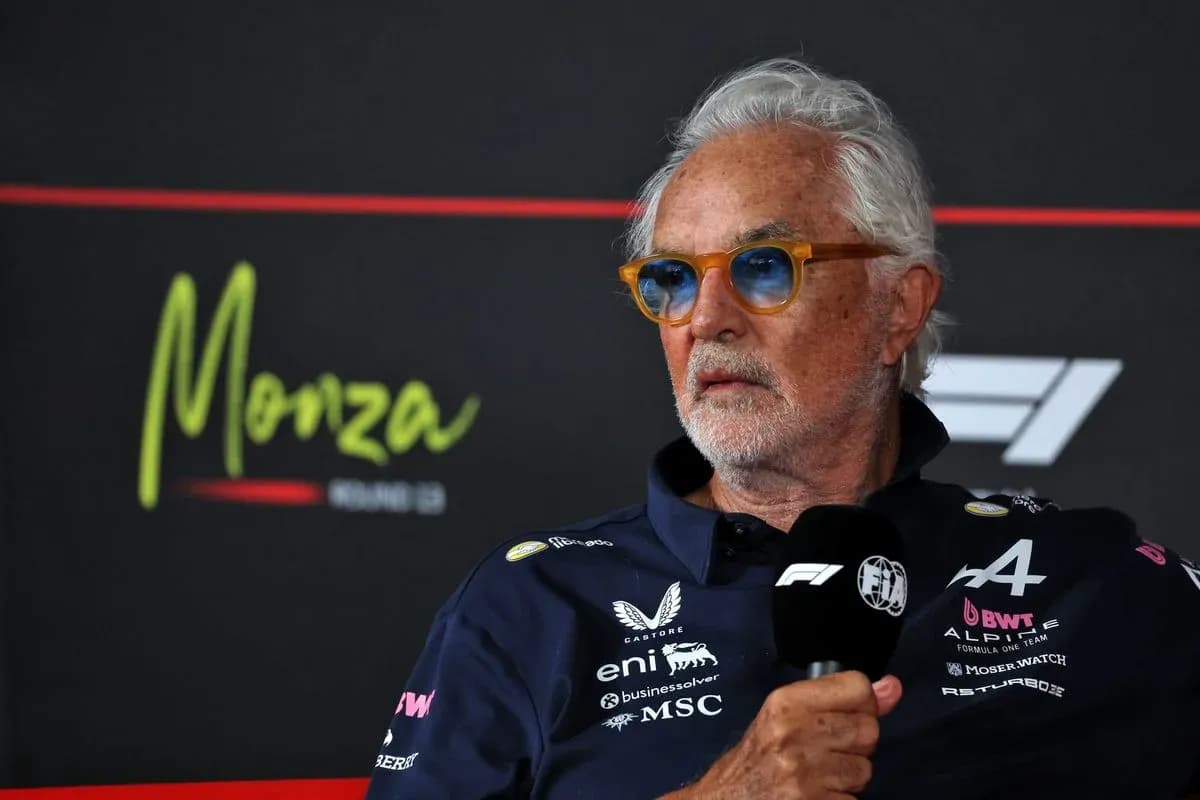
Flavio Briatore lit the fuse.
On a Friday that was supposed to close the book on the Monaco Grand Prix controversy, Alpine’s executive advisor turned an FIA press conference into a political street fight, dragging a judge into the spotlight and provoking fury from McLaren.
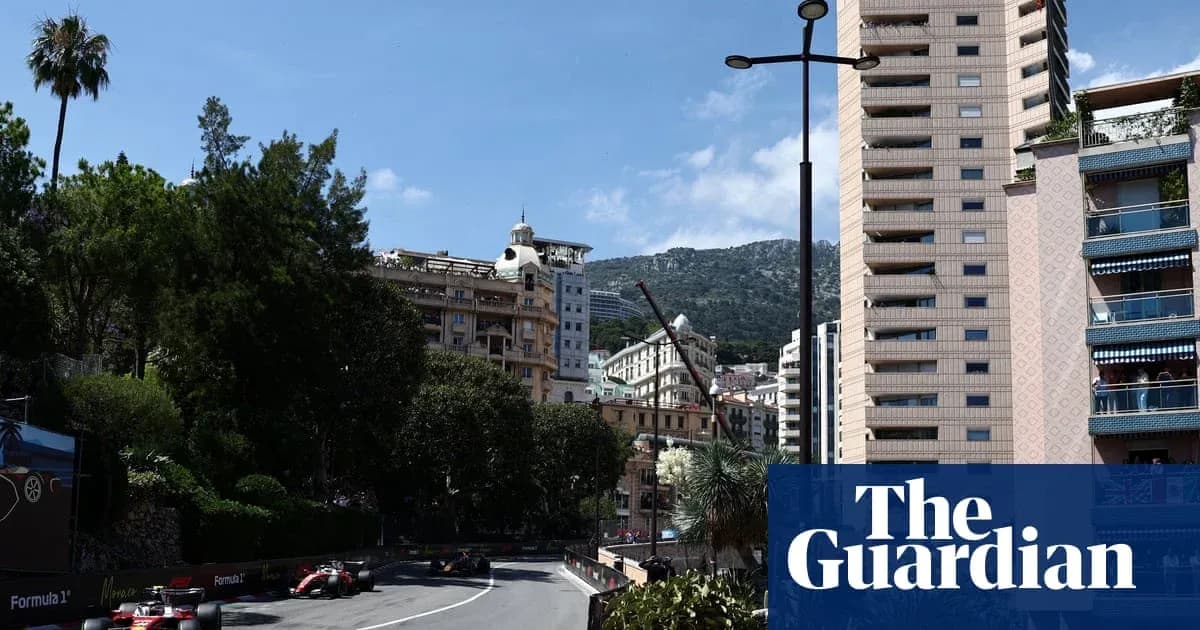
The FIA’s International Court of Appeal had only just confirmed that McLaren and Red Bull had succeeded in overturning Pierre Gasly’s reinstated podium from Monte Carlo. Alpine’s joy over that brief return to the top three was gone. The verdict stood. The result was lost.
Briatore’s response was not to attack the legal reasoning. He went after the people.
Briatore points the finger
Reading from a sheet of paper, Briatore singled out one name: Filippo Marchino, one of the judges on the ICA panel.
“Filippo Marchino is a judge, he was very nasty during the hearing, was acting as a prosecutor,” Briatore said, before revealing what he claimed explained that attitude. “And after, we found out what is the reason why so nasty, this guy. He is very linked with McLaren.”
He called the situation “very unfair”, then pushed the implication further. Briatore said Alpine had “a nice picture of this guy at a speech for McLaren in 2018 in MSO, Beverly Hills”, though he did not show the image.
Marchino, he continued, sits on the board of the One Drop Foundation. Briatore alleged that McLaren had provided “two, three McLaren cars” to the foundation, tying that support to the charity’s auction in 2019.
“This was quite unfair,” he concluded.
The web of relationships is not secret. One Drop was created by Guy Laliberte, the Cirque du Soleil co-founder, a long-time friend of former McLaren boss Ron Dennis. McLaren contributing cars to a high-profile charity auction linked to that circle fits that history.
Briatore’s point was different: that Alpine only discovered these links after the hearing, and that they cast a shadow over the Monaco decision.
Stella hits back
If Briatore expected his comments to simply hang in the air, he misjudged the room.
McLaren team principal Andrea Stella, sitting a few metres away, reacted with visible anger. For him, this was not about a lost podium. It was about his team’s integrity.
“I find that this conference going in this direction is quite insulting for McLaren, for the reputation of a team that deserves a lot of respect,” Stella said.
He warned that such public accusations would not be brushed aside.
“If anybody makes these kind of allegations – which seem quite serious – they are going to have to take the responsibility for what they are saying in a public forum.
“The hearing, the whole International Court of Appeal, was conducted to the highest standards and we should not question this phase like it’s been done.”
The message was clear: McLaren would not accept the insinuation that it had quietly influenced a supposedly independent judge.
Briatore, though, hinted Alpine was not finished.
“We’ve been thinking about it,” he said when asked if the team might pursue the matter. “Just pass the weekend and after that we think about it. For the moment, I don’t know.”
What room is left to fight?
On paper, Alpine’s path looks narrow.
The International Court of Appeal is the FIA’s highest judicial body. Its verdicts cannot be appealed in the usual sense. Once the ICA rules, the sporting result is meant to be settled.
There is, however, a small crack in the door: the right of review. As with stewards’ decisions, an ICA ruling can be challenged if “important new evidence is discovered which was unknown at the outset of the case before the ICA”.
Briatore insists Alpine only learned of Marchino’s alleged links with McLaren after the hearing. The team could argue that this qualifies as new information and ask for the case to be revisited.
Whether that would meet the FIA’s threshold is another matter.
The federation stressed on Friday that its vetting process for ICA judges is extensive. The court has a roster of 36 leading legal experts. For each case, at least eight are shortlisted. That shortlist is sent to the parties in advance, giving them the chance to raise any “serious and objective reasons” why a judge should be recused for conflict of interest or other valid grounds.
Alpine did not object to any of the shortlisted names. With no challenge lodged, ICA president Laurent Anselmi, from Monaco, selected four judges for the hearing.
There is another layer of scrutiny built into Formula 1’s own framework. For any ICA hearing connected to the world championship, at least one judge must have been elected to the pool at the FIA’s general assembly on the proposal of at least five teams or three manufacturers.
In 2023, Marchino – along with Luigi Fumagalli, who also sat on the Monaco appeal panel – was nominated at that general assembly after being proposed by teams. Any such nominees go through due diligence by the FIA compliance officer, then an ad hoc panel, before the eligibility assessment committee signs off.
Once a judge is called for a specific case, they must also confirm to the FIA’s secretary general that they have no conflict of interest. Only then is the final panel fixed, and even that line-up remains secret from the parties until the day of the hearing.
That is the system Briatore is now questioning, not just the verdict it produced.
A row that refuses to die
Three months after the chequered flag in Monaco, a disputed podium has morphed into a political storm over governance, transparency, and influence at the very top of F1’s legal structure.
Gasly’s third place is gone. The ICA has ruled. McLaren and Red Bull have what they came for.
What remains is a lingering sense of grievance at Alpine and a public confrontation between one of the sport’s most controversial operators and one of its most respected modern team bosses.
The hearing is over. The verdict is out. The paperwork is done.
Now the paddock waits to see if Alpine really tries to drag the Monaco saga back into court – or if this explosive outburst is the final flare before the story finally burns out.