.svg&w=384&q=75 "logo")
Brembo's Challenge in Formula 1: Adapting to Evolving Brake Systems
The ovens never sleep at Curno.
Deep inside Brembo’s racing headquarters on the outskirts of Bergamo, dyno benches howl through the night, carbon discs bake for weeks in industrial furnaces, and engineers hurry laptops upstairs to see, in real time, whether their latest idea survives the torture. This is what it takes to keep up with Formula 1’s new era of braking – and to stay ahead of a rulebook that refuses to sit still.
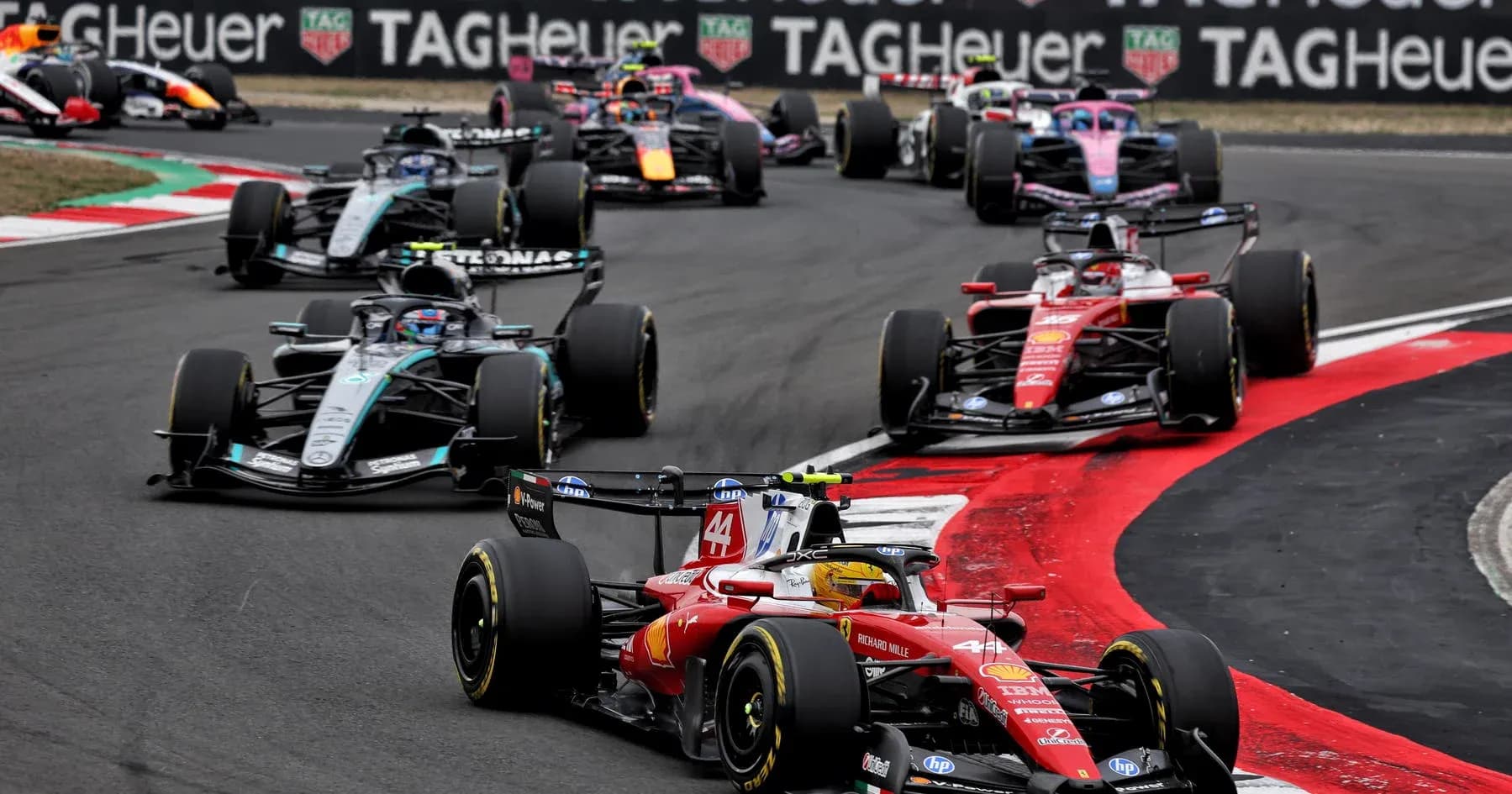
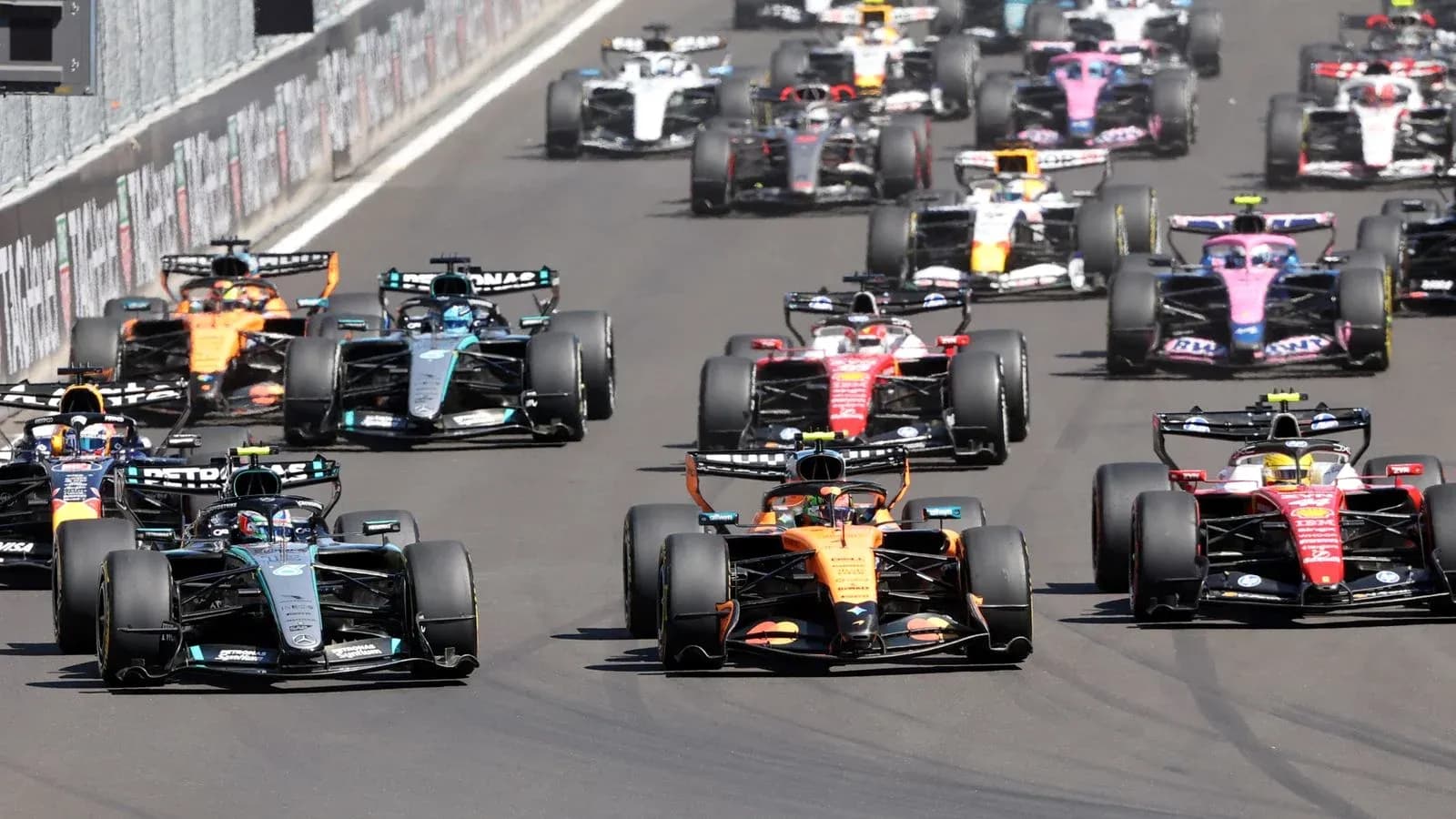
The 2026 power unit revolution has already reshaped how F1 cars stop, not just how they go. For Brembo, the long-time reference name in braking at the top of motorsport, the job is no longer just about building a stronger disc or a lighter caliper. It is about managing a moving target.
“Now we have done half a year, so we understand more, and we were focusing on some direction,” explains Andrea Dellavedova, race engineer for the Italian brand, in an exclusive conversation with RacingNews365. “As next year the energy ratio will change, what we learned this year will not be that useful for the new development.”
That single sentence sums up the scale of the problem. The rules are evolving faster than the development cycles.
Chasing a shifting power balance
The heart of the challenge lies in the combustion-to-electric power ratio. F1’s future is more electric, more efficient, and far more demanding on how energy is harvested and deployed under braking.
The FIA confirmed in June that the ratio will change in two stages: to 58:42 in 2027, then to 60:40 in 2028. On paper, it looks like a neat pair of numbers. In reality, it rips up months of carefully gathered data.
“This year we already started to think about the 2027 braking system,” Dellavedova says. “But now we have to think newly about the system, and we cannot use all the info that we discovered this year for the next one.”
The pressure is not just technical, it is temporal. Brake systems must integrate seamlessly with ever more complex hybrid power units, energy recovery systems, and software strategies. Teams want answers now. The regulations keep nudging the goalposts.
“Being in a very fast environment, the more time we have to develop the new system, the better it is,” he notes. “If the communication would happen some weeks before… it's always easier, because we have to design and test the prototype, and then launch the production.”
The clock, though, is unforgiving.
“The time horizon is very short, because the teams need the components for early next year,” he says. “It's something that takes time, both designing and producing our components. From the design to the production phase, it takes months; it's not something that you can do in weeks, because the process itself of producing the disc and the carbon material is very long, because they have to spend time in the oven, with several processes.
“Also, the calliper itself, they have to spend a lot of time on the machine. Then there is also the testing. Sometimes we do the testing and the production in parallel.”
Design, prototype, test, produce – all on a compressed timeline, all while the regulatory landscape keeps shifting.
Inside Brembo’s “witch’s kitchen”
If the challenge is huge, so is the apparatus Brembo brings to it.
The company’s operational and administrative centre sits at Kilometro Rosso, Bergamo’s science and technology park, a hub that underlines how far modern braking has moved from simple metal and friction. Brembo now runs manufacturing and commercial facilities in 18 countries, but when it comes to F1, the beating heart is much closer to home.
Curno, just a short distance from headquarters, is where the racing technology is born.
“We have several dyno test benches that we use to test the new developments in terms of both materials, geometries and also dimensions of the braking system. They are running 24 hours per day, 6 days per week,” Dellavedova says of what he calls the “witch's kitchen” in Curno.
The nickname fits. This is not a conventional factory floor. It is a laboratory where carbon, metals, heat and software mix in pursuit of fractions of a second. The advantage, Dellavedova stresses, comes from keeping everything under one roof.
“The performance is there with both offices and also the production and testing department,” he explains.
Engineers can sketch, simulate and then walk their designs straight into the fire.
“We are very close, so the designer can work on the laptop, design the new component and in a very fast way they just go to the first floor — the dyno test benches are there with the people working directly on the tests, so they have a very fast way of communicating, and also they can physically inspect the products that they are developing.”
No long waits. No distant suppliers. The feedback loop is immediate. A drawing becomes a prototype, the prototype becomes a test piece, and the test results are in the designer’s hands almost as quickly as the carbon cools.
In a sport where a regulation tweak can render months of work obsolete, that proximity is not a luxury. It is survival.
Building 2027 on today’s experience
The irony of Brembo’s situation is stark: it must design for a future that partially invalidates the present, yet it has no choice but to lean on the knowledge it gains race by race.
Although Dellavedova admits that some of 2024’s lessons will lose value once the new energy ratios arrive, he does not sound daunted. The foundations – the people, the processes, the infrastructure – are already in place.
Preparing for 2027 is a serious test of capacity and coordination, but it is also familiar territory for a company that has lived through multiple F1 revolutions, from V10s to V6 hybrids and now to a far more electric age.
“In terms of timing, we are in line,” he concludes. “In terms of performance, based on our experience, yes, because, of course, we are doing the best that we think will be the best for the next year.”
The ovens in Curno will keep burning. The dynos will keep screaming. And as F1 marches towards a 60:40 world, Brembo’s next challenge is clear: turn that relentless noise and heat into the kind of control that decides championships.